Some backyard projects pay for themselves. Others just look good on paper. Here's what Long Island homeowners should know before spending a dollar.
Share:
Summary:
You’ve probably spent at least one summer looking at your backyard and thinking, “I need to do something about this.” Maybe the old deck is splintering. Maybe there’s no patio at all — just grass that doesn’t get used. Or maybe you’re finally ready to stop putting it off and actually make the space work for your family.
The question most Suffolk County homeowners run into isn’t whether to remodel — it’s which projects are actually worth it. Not just aesthetically, but financially. What adds real value to a Long Island home, and what sounds good until you see the resale numbers? That’s what this breaks down.
Not every backyard upgrade returns what it costs. A pool, for example, is often cited as a big-ticket backyard investment — but in practice, it typically returns somewhere between 50% and 70% of what you spend, and it adds ongoing maintenance costs on top of that. The projects that consistently outperform expectations are the ones that improve usable space without creating long-term upkeep burdens.
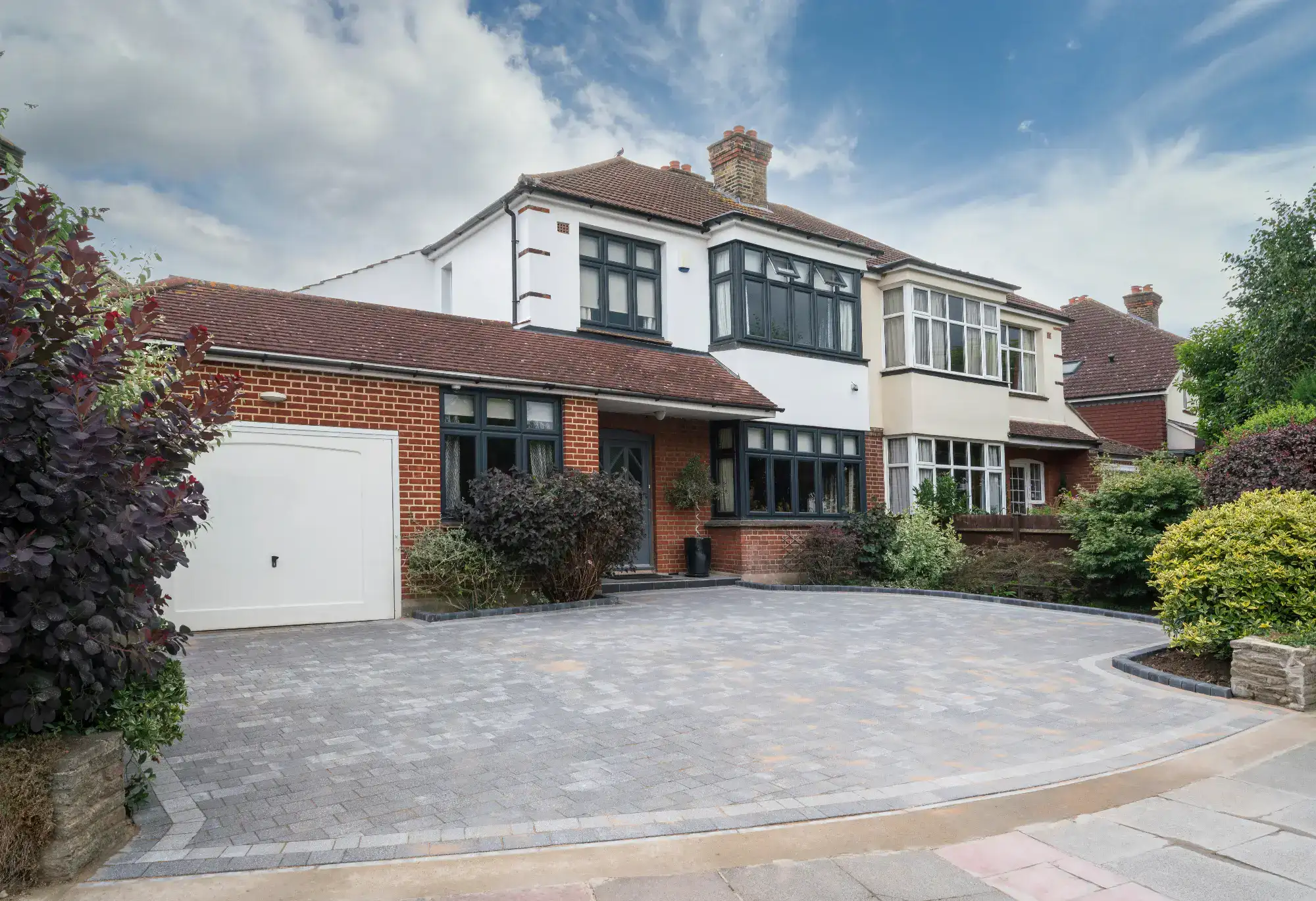
Paver patios, custom decks, pool patios, and paver walkways are the projects that tend to hold their value best on Long Island. A well-installed paver patio can recover close to 95% of its cost at resale. A wood deck addition returns roughly 83% according to the 2024 Cost vs. Value Report. Those numbers put outdoor hardscaping ahead of most interior remodels when it comes to return on investment.
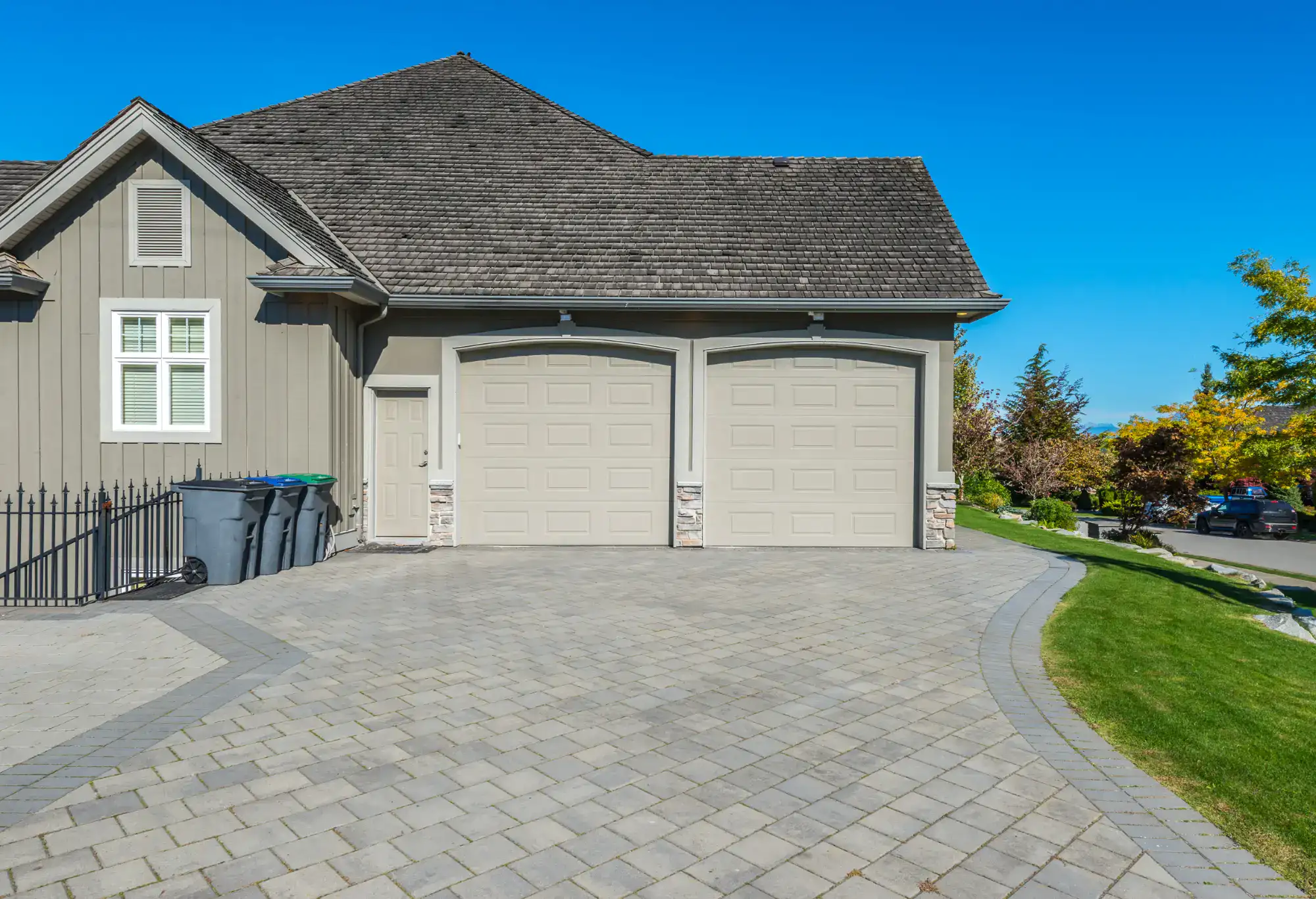
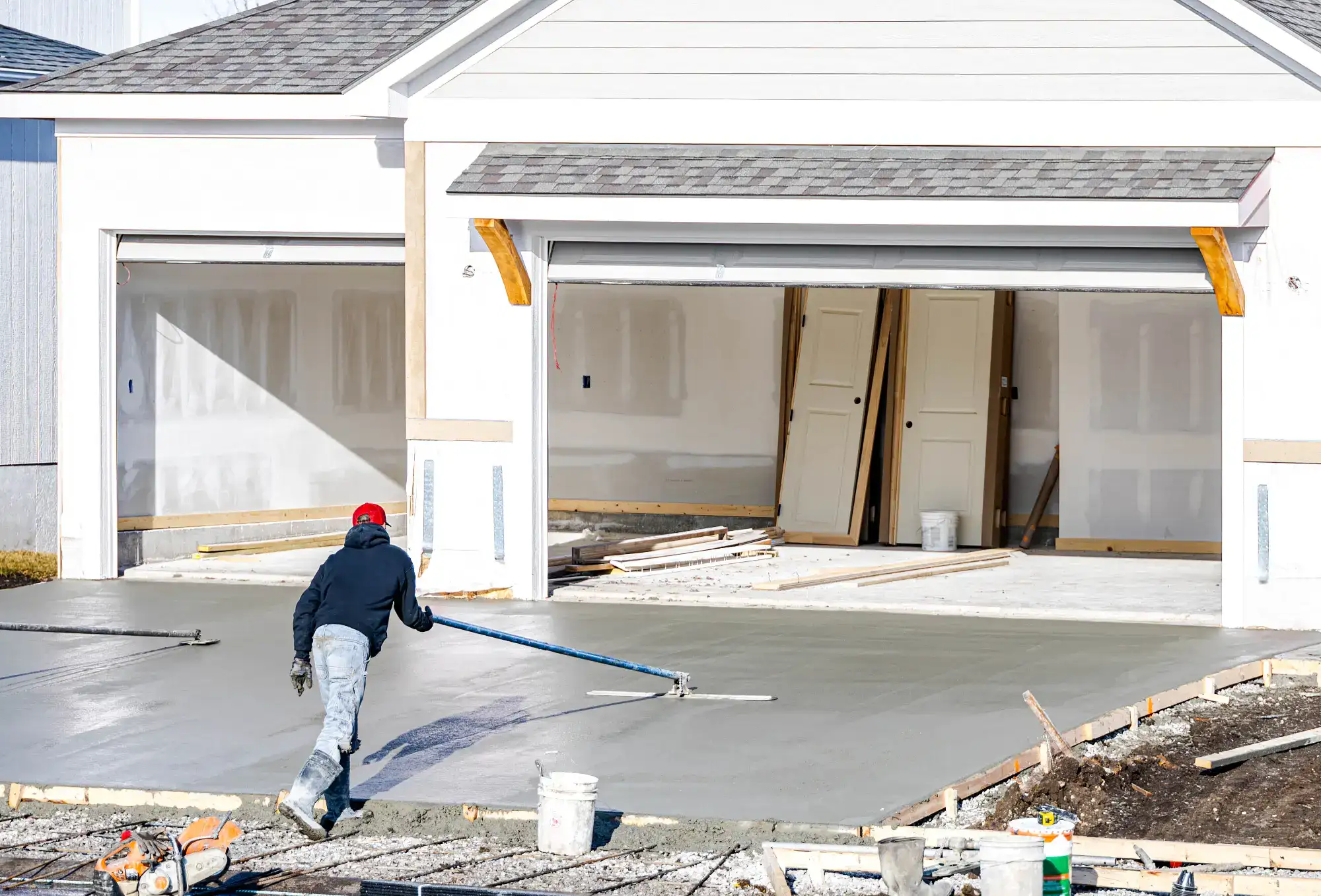
The reason paver patios consistently top the ROI charts isn’t just about curb appeal — it’s about durability and adaptability in a climate like ours. Long Island’s freeze-thaw cycle runs hard from November through March. Poured concrete, which looks fine at installation, tends to crack and heave within a few seasons when water works its way in, freezes, and expands. Pavers handle that cycle differently.
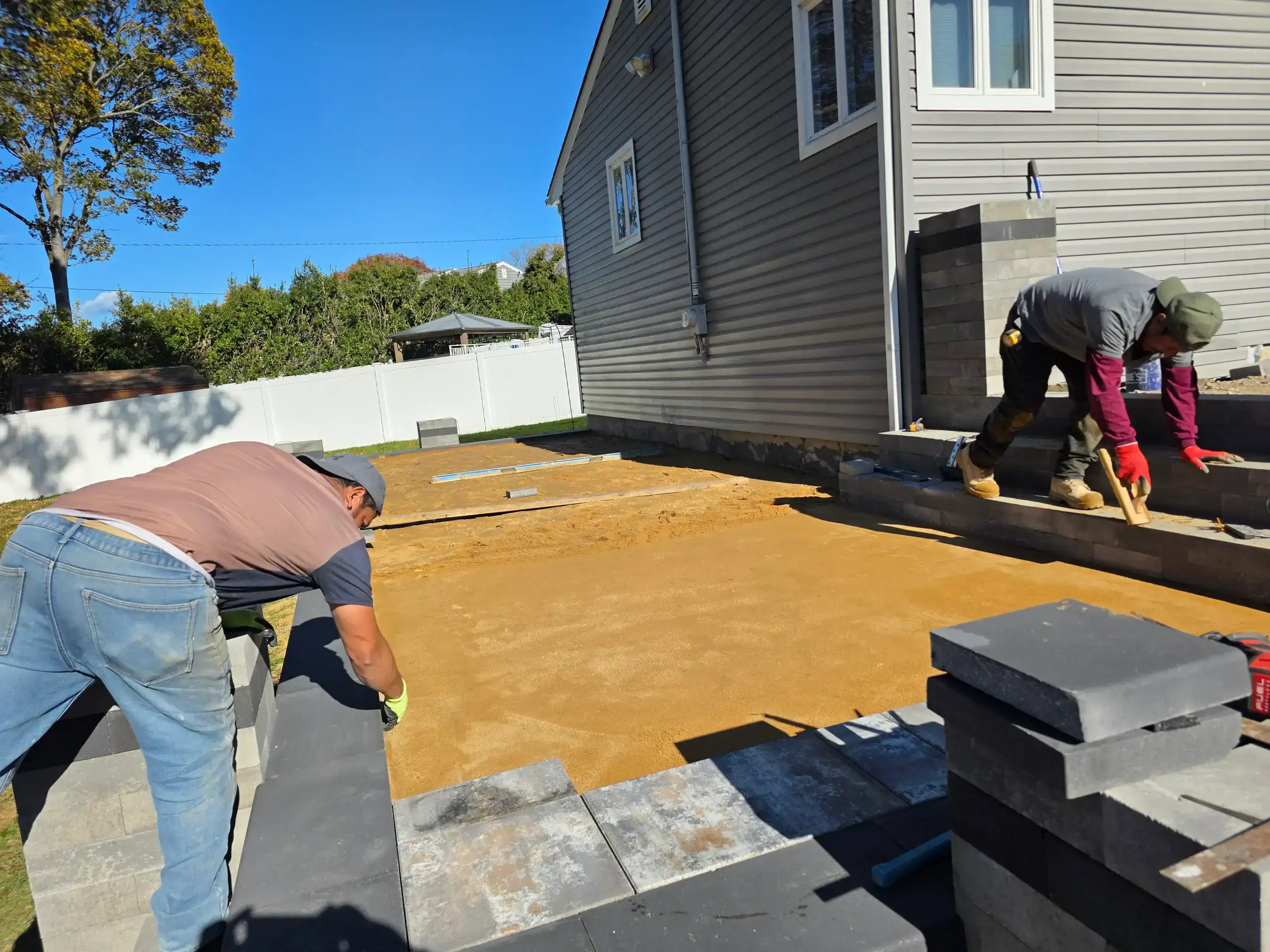
Because they’re individual units set over a compacted gravel base with a sand setting bed, the system has natural flexibility. If one section shifts, we can lift and reset those specific pieces without tearing out the entire patio. That repairability matters to buyers. A poured concrete patio with visible cracks is a liability at resale. A well-maintained paver patio reads as a premium feature — and appraisers recognize it.
Industry data shows that outdoor hardscape improvements like patios and decks can produce a positive adjustment in the $3,000 to $5,000 range on appraisals. For a Suffolk County home where median prices have climbed well above $500,000 in many towns, that’s not a rounding error.
There’s also the coastal factor. If your home is within a few miles of the Great South Bay, the Long Island Sound, or the Atlantic, salt air is working on your outdoor materials year-round. Sealed concrete pavers rated for freeze-thaw cycles hold up significantly better than bare concrete or untreated wood in those conditions. Choosing the right material for Long Island specifically — not just what looks good in a showroom — is what separates a patio that looks great in year ten from one that needs full replacement in year five.
For homeowners in Patchogue, West Islip, or anywhere along the South Shore, this isn’t a minor detail. It’s the difference between a project that pays off and one that doesn’t.
The deck conversation in Suffolk County almost always comes back to the same question: pressure-treated wood or composite? Both are legitimate options, and both have trade-offs worth understanding before you commit.
Pressure-treated wood decks return roughly 83% of their cost at resale, according to the 2024 Cost vs. Value Report. Composite decks — materials like Trex — return closer to 68%. On paper, that makes wood look like the smarter financial choice. But that comparison doesn’t account for maintenance costs over time. A wood deck on Long Island needs regular sealing, staining, and inspection for rot, especially in coastal areas where moisture and salt air accelerate weathering. A composite deck requires almost none of that.
Over a 15-to-20-year lifespan, the maintenance gap can more than close the difference in upfront ROI. The other factor is how the deck ages visually. A composite deck installed in Holbrook or Huntington today will look essentially the same in 15 years with minimal upkeep. A pressure-treated deck that hasn’t been maintained will show its age — and buyers notice.
If you’re planning to stay in your home long-term, composite often makes more sense. If you’re looking at a shorter horizon and want to maximize immediate resale value, a well-built pressure-treated deck is a strong option. What matters most in either case is how the deck is built.
Improper ledger attachment is one of the leading causes of deck failure. Footings need to be dug to the right depth for Long Island’s frost line. And in Suffolk County, attached decks above a certain size require permits from your local town building department — whether that’s Brookhaven, Islip, Babylon, Huntington, or Smithtown. A deck built without permits can create serious complications when you go to sell. It’s not a technicality; it’s a real problem that can require demolition or costly retroactive permitting to resolve.
Want live answers?
Connect with a Corsino Construction expert for fast, friendly support.
The ROI data is useful context, but it doesn’t tell the whole story of what makes a backyard remodel actually pay off. A paver patio that’s installed on an inadequate base won’t hold its value — it’ll settle, it’ll drain poorly, and it’ll need work within a few years. The numbers assume the project is done right.
That’s where the contractor conversation becomes the most important decision in the whole process. The material, the design, the timeline — all of that matters less than who’s actually doing the work and how accountable they are when something comes up.
This is one of the most common questions we hear, and the answer depends on what you’re building. Paver patios at grade — meaning flush with the ground — typically don’t require a permit in most Suffolk County municipalities. But attached decks, elevated structures, and anything tied to the house almost always do.
The permit is pulled through your local town building department, not the county directly, which is why the rules can vary between Brookhaven, Islip, and Huntington even though they’re all in Suffolk County. The permit process involves a plan review, an inspection of the framing and footings, and a final sign-off once the project is complete. It’s not complicated when you know what you’re doing, but it does take time.
If you try to skip it, you’re creating a problem that will surface the moment you list your home for sale. Buyers’ attorneys pull permit records. Unpermitted structures get flagged. At that point, you’re either disclosing it, pricing around it, or scrambling to retroactively permit or remove a deck you’ve been enjoying for years.
We handle all Suffolk County permits and inspections as part of the project. Homeowners don’t need to navigate the building department on their own or figure out which forms apply to their town. That’s part of what we do — not an add-on, just how the process should work. For homeowners in Coram, Nesconset, Manorville, or anywhere else across the county, the permitting path is something we’ve walked many times.
This is the question that doesn’t get asked enough before the project starts — and the one that matters most after it does. Most homeowners who’ve had a bad contractor experience will tell you the same thing: the warning signs were there early, but they ignored them because the price was good or the timeline sounded right.
A few things are worth verifying before you sign anything. First, ask whether the crew doing the work is employed by the company or subcontracted out. This matters more than most people realize. When a general contractor subcontracts your project to a crew they found online, you lose the direct accountability that makes a project go smoothly. If something goes wrong — a drainage issue, a material substitution, a timeline that slips — there’s no single person responsible.
Second, ask for a written, itemized estimate — not a ballpark, not a range, not a verbal commitment. A real estimate tells you exactly what’s included, what materials are being used, and what the final number is. If a contractor is reluctant to put it in writing, that tells you something.
Third, verify licensing and insurance. In New York, contractors performing home improvement work need to be licensed as home improvement contractors in Suffolk County. Every crew member on a licensed job should be covered under the company’s general liability and workers’ compensation policies. If they’re not, and someone gets hurt on your property, the exposure can fall back on you.
We’ve been doing this work in Suffolk County since 2000. Our crew is licensed, in-house, and consistent from the first day of a project to the last. The price we quote before we start is the price on the final invoice — no change orders, no surprises. We clean up the job site every evening so you’re not living around a construction zone for the duration of the project. That’s how the work should be done.
The backyard projects that pay off on Long Island aren’t complicated to identify — patios, decks, pool patios, and paver walkways consistently deliver strong returns when they’re designed and built for how this climate actually behaves. The freeze-thaw cycle, the salt air, the permit requirements — these aren’t obstacles. They’re just factors that a contractor with real local experience already knows how to work with.
Late summer is actually one of the best times to start planning. Fall construction windows on Long Island open up as the busy season winds down, and a project started in the fall can be finished and ready before Memorial Day weekend next year — instead of watching another summer go by.
If you’re thinking about a backyard remodel in Suffolk County and want to talk through what makes sense for your property, Corsino Construction Corp is a straightforward call or text away at 516-693-4270.
Article details:
Share:
Continue learning: