Suffolk County driveways are getting a major upgrade. Explore the latest paving trends—from eco-friendly permeable systems to timeless cobblestone patterns—that are reshaping how homeowners approach this essential investment.
Share:
Summary:
Homeowners aren’t just replacing driveways anymore. They’re rethinking them. The shift comes down to three things: better materials, smarter water management, and the reality that your driveway is the first thing anyone sees.
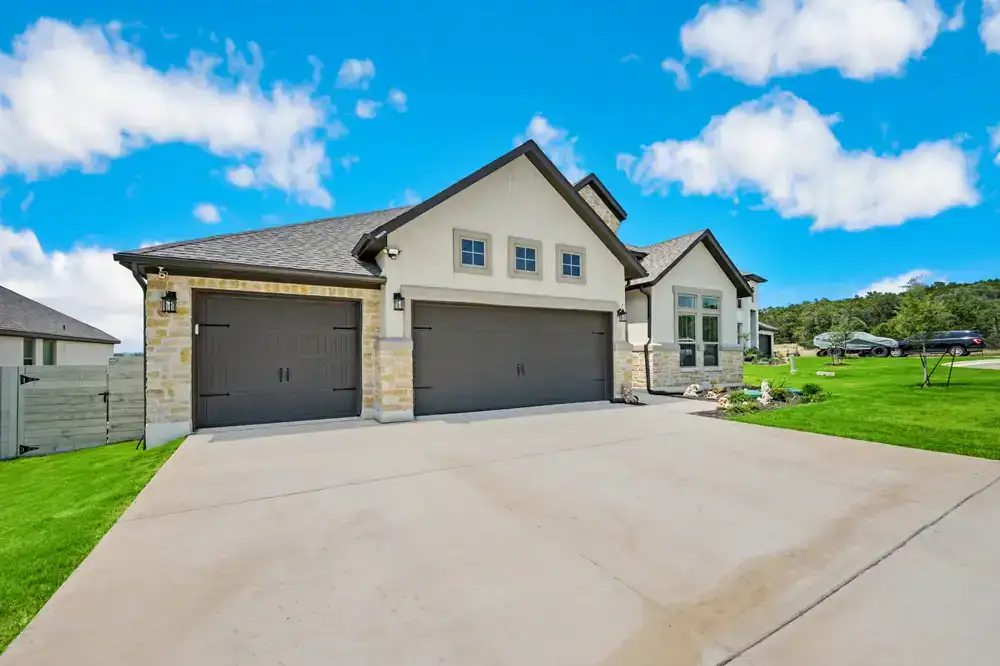
Curb appeal isn’t a soft concept. Studies show it adds roughly 7% to your home’s value, and in slower markets, that number jumps to 14%. On the flip side, 68% of buyers say poor curb appeal is a dealbreaker. Your driveway sits front and center in that equation.
Then there’s the drainage piece. Suffolk County, NY gets its share of heavy rain, and old-school impermeable surfaces just push water toward your foundation or the street. Newer systems—like permeable pavers—let water soak through, reducing runoff and preventing those frustrating puddles that turn into ice patches come winter. It’s not just eco-friendly talk. It’s practical.
Permeable pavers aren’t new, but they’re finally hitting mainstream for residential driveway paving in 2026. The reason? They solve multiple problems at once—and they do it without sacrificing the look you want.
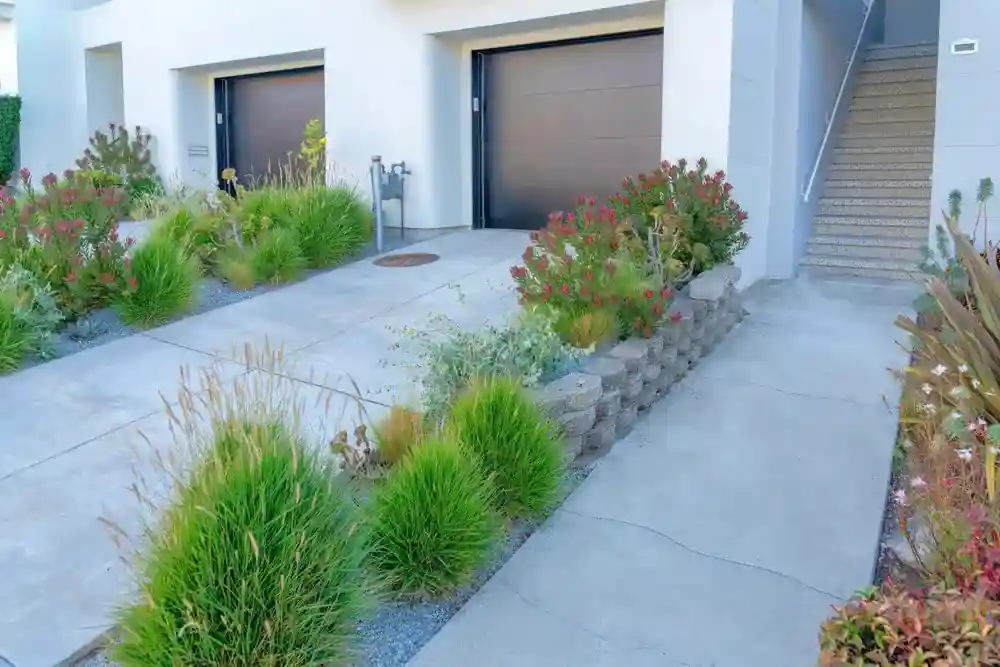
Traditional asphalt and concrete create impermeable surfaces. Every drop of rain runs off—into storm drains, across your lawn, pooling in low spots. That runoff carries oil, chemicals, and debris straight into local waterways. Permeable systems flip that. Water drains through wider joints between pavers, filtering down into a gravel base and back into the ground naturally.
For Suffolk County, NY homeowners, this means fewer drainage headaches. No more standing water after a storm. Less ice formation in winter because water isn’t sitting on the surface. And if your municipality has stormwater regulations or fees, permeable pavers can actually save you money by reducing your property’s impervious surface area.
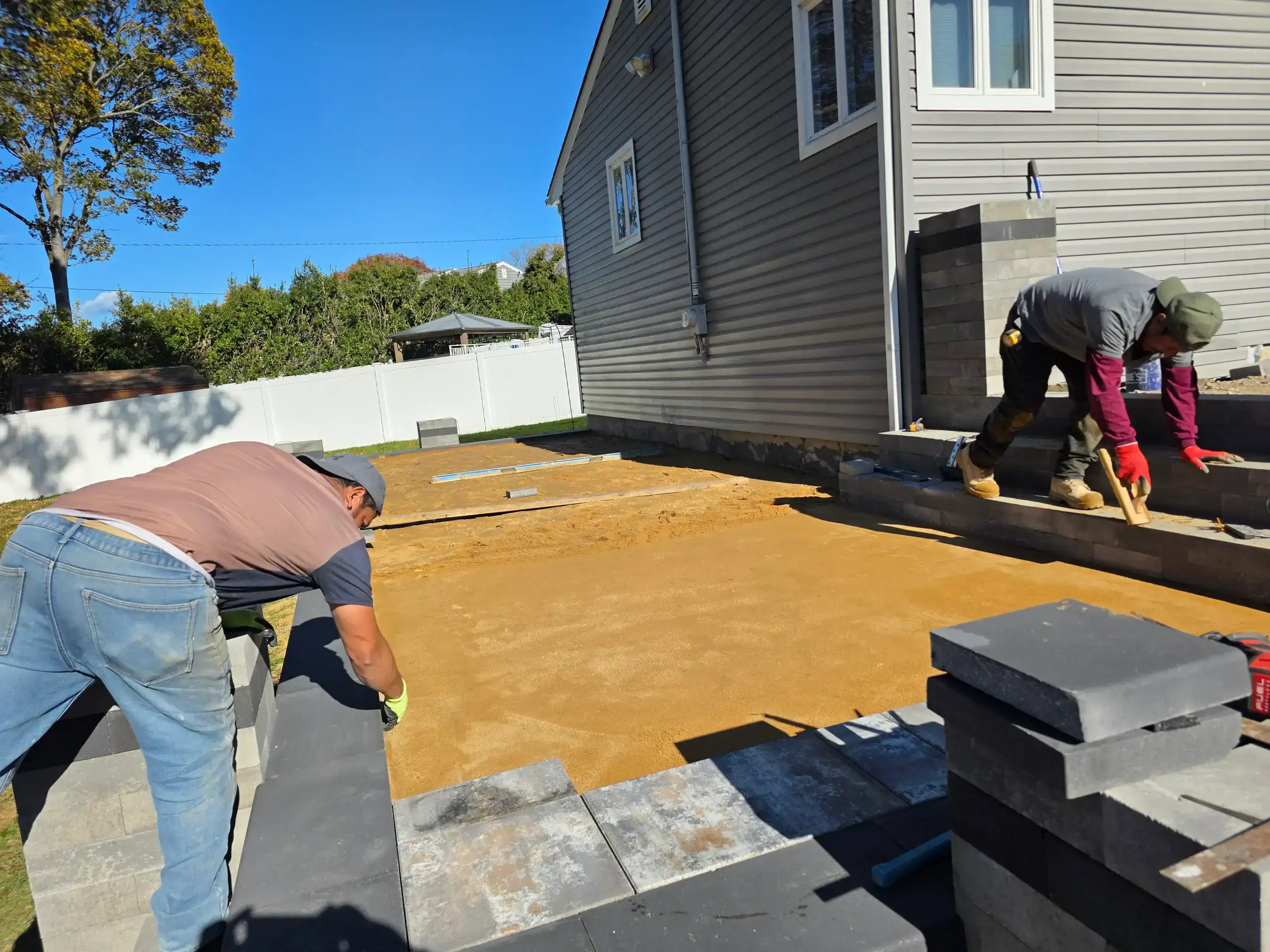
The aesthetic side matters too. These aren’t ugly grid systems. Modern permeable pavers come in the same styles, colors, and patterns as traditional pavers—herringbone, running bond, you name it. You get the look you want with the function you need. Installation requires proper base prep (typically 12 inches of open-graded aggregate), so this isn’t a DIY weekend project. But done right, a permeable paver driveway handles both vehicle traffic and heavy rainfall without breaking a sweat.
Maintenance is straightforward. Sweep or vacuum the joints every few months to prevent sediment buildup. Refill joint material as needed. That’s about it. Compare that to asphalt, which needs sealcoating every 2-3 years, and the trade-off makes sense for a lot of homeowners.
Cobblestone driveways used to mean actual reclaimed stone from European streets—beautiful, expensive, labor-intensive. In 2026, you’ve got options that capture that same timeless look without the prohibitive cost or installation complexity.
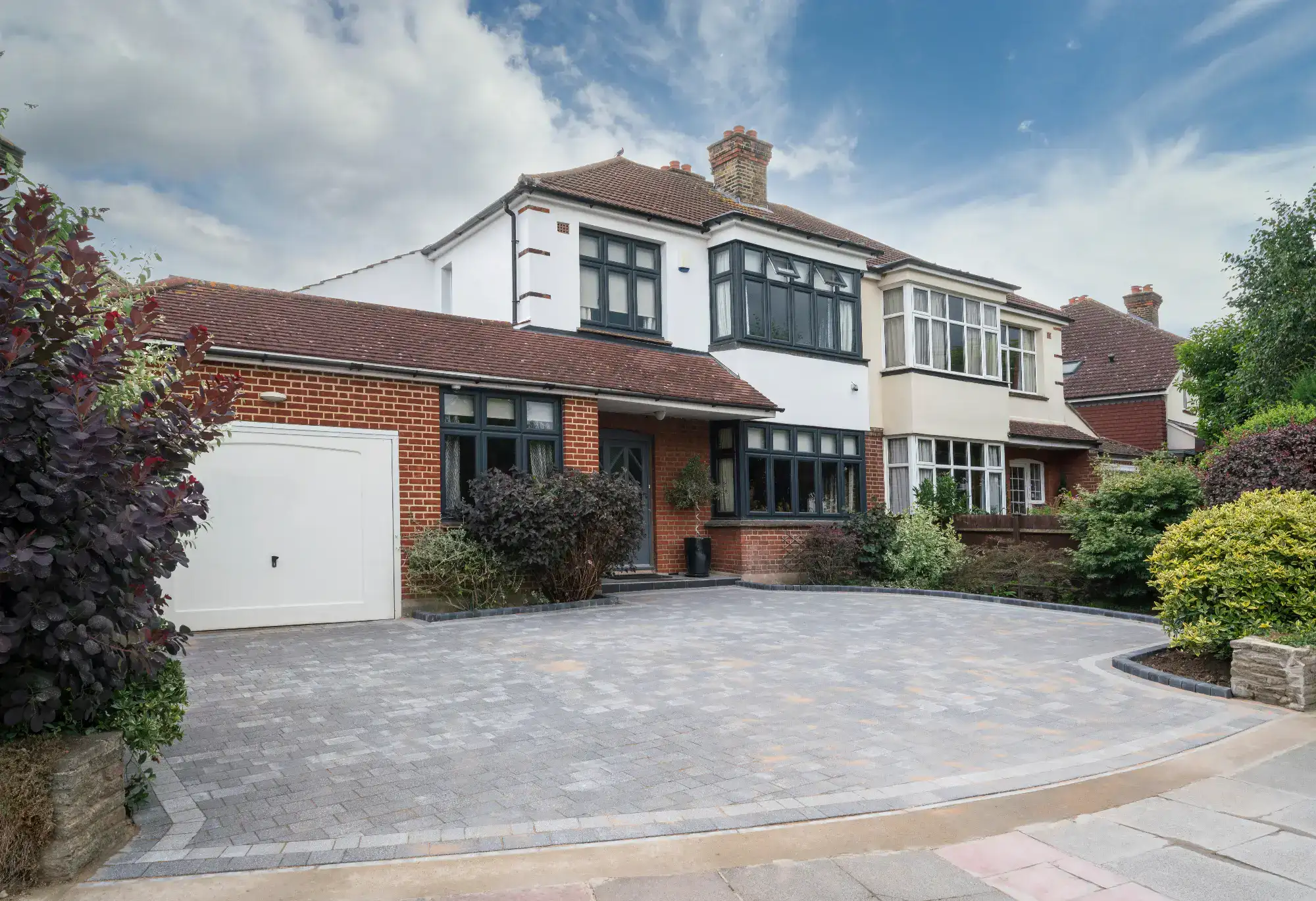
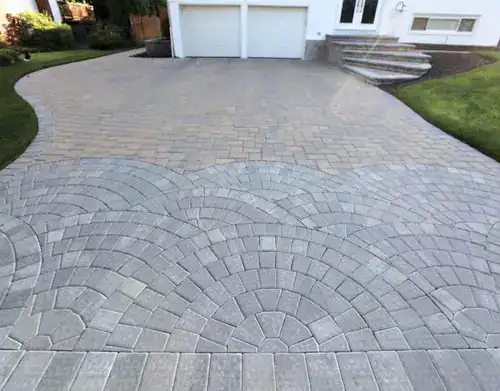
Modern cobblestone-style pavers mimic the irregular shapes and weathered textures of authentic stone. They’re engineered concrete or natural stone cut to specific dimensions, designed to interlock and withstand vehicle traffic. Popular cobblestone patterns include herringbone (which provides structural integrity by locking stones in place), basket weave, fan shapes, and random layouts that feel organic.
The appeal is visual. Cobblestone patterns add character and depth that flat asphalt or plain concrete can’t match. They work especially well for homes with traditional or historic architecture, but contemporary designs use them too—often in neutral grays or warm sandstone tones that complement modern exteriors.
Here’s what you need to know before committing. Cobblestone pavers require a solid base—typically 4-6 inches of compacted gravel plus a sand bedding layer. The pavers themselves are laid individually, which means more labor and higher upfront costs than pouring asphalt. But the trade-off is durability. Properly installed cobblestone can last 50+ years. If a single paver cracks or stains, you replace just that one piece, not the whole section.
Suffolk County, NY freeze-thaw cycles don’t faze quality cobblestone. The interlocking design allows for slight movement without cracking. Water drains between the joints (especially if you use polymeric sand or leave gaps for permeability). And unlike asphalt that fades and cracks over time, cobblestone actually develops a patina that adds to its appeal.
Cost-wise, expect to pay more upfront—often $10-$25 per square foot installed, depending on the material and pattern complexity. But factor in longevity and minimal maintenance, and the lifetime cost can be competitive with asphalt that needs resurfacing every 10-15 years.
Want live answers?
Connect with a Corsino Construction expert for fast, friendly support.
If your driveway is showing its age, the first question isn’t what material to use. It’s whether you need a full replacement or if asphalt resurfacing gets you where you need to be—without overspending.
Asphalt resurfacing costs $1-$3 per square foot. Replacement runs $4-$10 per square foot. That’s a significant difference for a typical two-car driveway. But the cheaper option only works if your existing base is still solid.
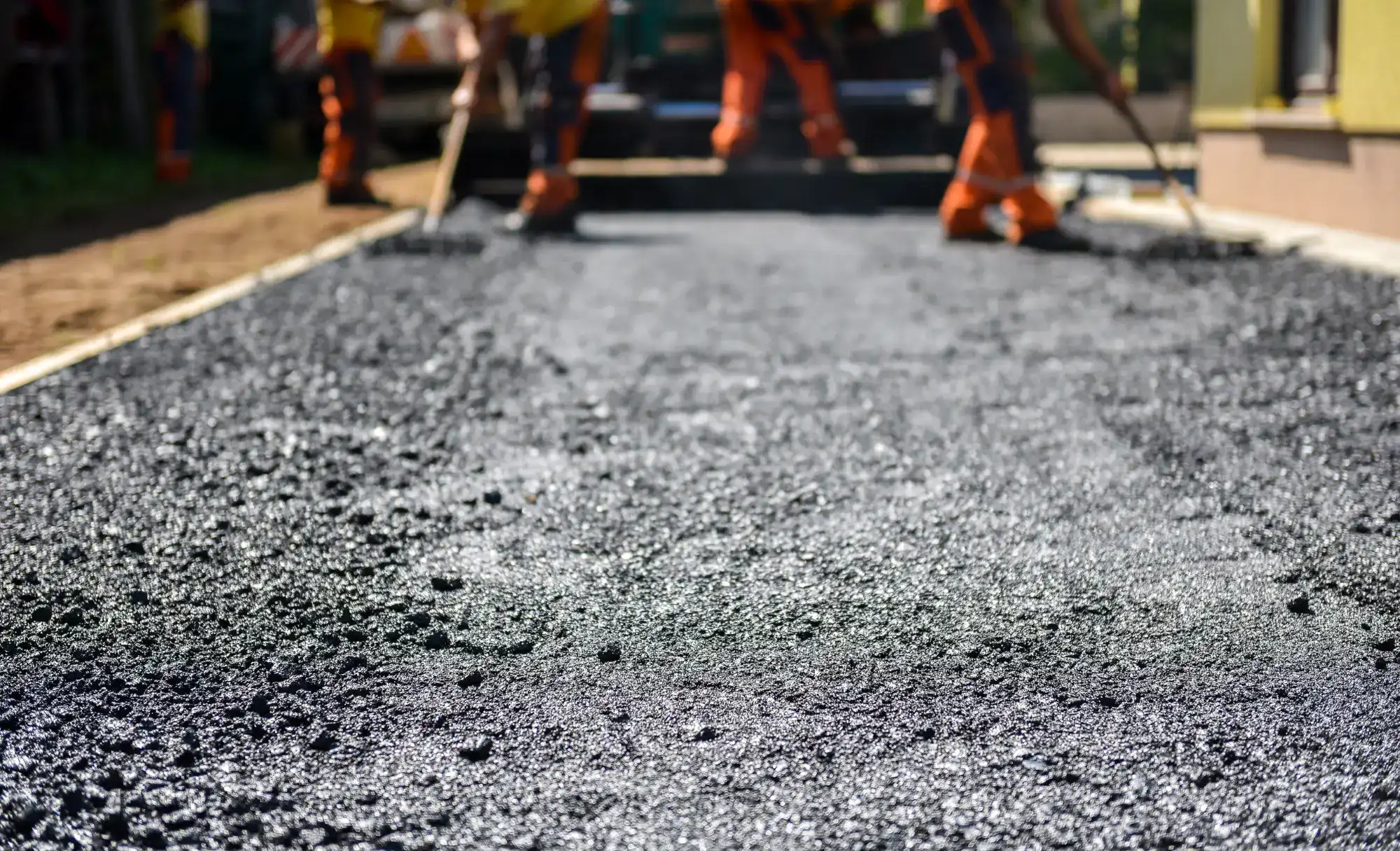
Resurfacing makes sense when your driveway is less than 20 years old, has less than 30% surface damage, and the cracks are shallow (under ¼ inch wide). The process involves patching any holes, milling off the top damaged layer, and applying a fresh 1.5-2 inch overlay. Done right, it extends your driveway’s life another 8-15 years and gives you a brand-new-looking surface for a fraction of replacement cost.
Some driveways are beyond saving with a resurface. If you’re seeing large potholes, deep cracks (over ¾ inch), sections that have settled or heaved, or if the driveway is already 20+ years old, you’re looking at replacement—and trying to avoid it will just cost you more later.
The telltale sign? Base failure. When the foundation beneath your asphalt has deteriorated—often due to poor initial installation, inadequate drainage, or just decades of freeze-thaw cycles—no amount of resurfacing will fix it. You’ll just be putting new asphalt over a failing base, which means the problems come back within a year or two.
Replacement involves removing the old asphalt entirely, evaluating and repairing the subgrade (the soil underneath), installing a proper compacted stone base (typically 4-6 inches deep), and then laying new asphalt. It’s more expensive and more disruptive, but it gives you a driveway that can last another 20-30 years with proper maintenance.
For Suffolk County, NY homeowners, replacement also offers a chance to fix drainage issues that might have plagued the old driveway. Proper grading—sloping about ¼ inch per foot away from your home—prevents water from pooling or running toward your foundation. If your old driveway had standing water problems, replacement lets you correct that permanently.
The cost difference is real, but so is the lifespan difference. A resurfaced driveway might give you 10 more years. A properly installed replacement gives you 25-30. If you’re planning to stay in your home long-term, or if you’re prepping to sell and need a driveway that won’t scare off buyers, replacement often makes more financial sense than repeated resurfacing.
One more consideration: material quality. Not all asphalt is the same. Higher-grade asphalt with less recycled content lasts longer and looks better. When you’re doing a full replacement, it’s worth specifying premium materials. You’re already paying for excavation and base work—don’t cheap out on the surface layer.
If you’ve got a concrete driveway—or you’re considering one—sealing it isn’t optional. It’s the difference between a surface that lasts 15 years and one that hits 30+. And in Suffolk County, NY, where moisture and freeze-thaw cycles are part of life, skipping this step is just asking for premature failure.
Concrete is porous. Water seeps in, especially in our wet climate. When that water freezes, it expands, creating cracks. UV rays break down the surface. Oil and chemical spills stain. Concrete sealants create a protective barrier that blocks all of that.
There are two main types: topical and penetrating. Topical sealers sit on the surface, giving you a glossy or matte finish and enhancing color if you’ve got decorative concrete. They cost $0.10-$0.75 per square foot for materials, and with labor, you’re looking at $1.20-$1.75 per square foot total. The downside? They need reapplication every 2-3 years because they wear down from traffic and weather.
Penetrating sealers absorb into the concrete, forming a chemical barrier inside the pores. They don’t change the appearance much, but they last 10+ years. They’re more cost-effective long-term, even though the upfront price is similar. For driveways, penetrating sealers make more sense for most homeowners because you’re not constantly resealing.
Timing matters. New concrete needs to cure for at least 30 days before sealing. If you seal too early, you trap moisture and cause problems. If you wait too long without sealing, you’ve already exposed the concrete to damage.
Application is straightforward but not casual. The surface needs to be thoroughly cleaned—power washing is standard. Any cracks get filled. Then the sealer goes on with a roller or sprayer, usually in two thin coats applied in opposite directions. Most sealers take 24-48 hours to dry before you can drive on them.
Cost-wise, sealing a standard 600-square-foot driveway runs $250-$500 for professional application. DIY is possible if you’re comfortable with the process, but uneven application or using the wrong product can do more harm than good. For a surface you’re investing thousands into, professional sealing is cheap insurance.
The ROI is simple. Sealed concrete resists stains, doesn’t deteriorate as fast, and maintains its appearance. When you go to sell, a well-maintained sealed driveway signals that you’ve taken care of the property. Buyers notice. And 44% of them call cracked driveways a dealbreaker, so keeping yours in good shape isn’t just about aesthetics—it’s about not losing potential buyers before they even walk through the door.
Driveway paving trends in 2026 aren’t about following what’s popular. They’re about making smart choices that fit your home, your budget, and how long you plan to stay. Permeable pavers solve drainage and environmental concerns while enhancing curb appeal. Cobblestone patterns add lasting character that actually improves with age. Asphalt resurfacing extends life when the base is solid. Concrete sealants protect your investment from moisture, UV damage, and premature deterioration.
The common thread? Quality installation matters more than the material you choose. A poorly installed permeable system will fail just as fast as cheap asphalt. Base preparation, proper drainage, and experienced contractors make the difference between a driveway that lasts decades and one that needs repair in three years.
If you’re ready to move forward with a driveway project in Suffolk County, NY, we bring over 20 years of experience to every installation. We offer fixed pricing, work with licensed in-house professionals, and maintain a commitment to doing it right the first time—because your driveway is too visible and too expensive to settle for anything less.
Article details:
Share:
Continue learning: