Summer offers ideal conditions for outdoor construction projects in Suffolk County. Discover which home improvements work best during construction season and how to plan for success.
Share:
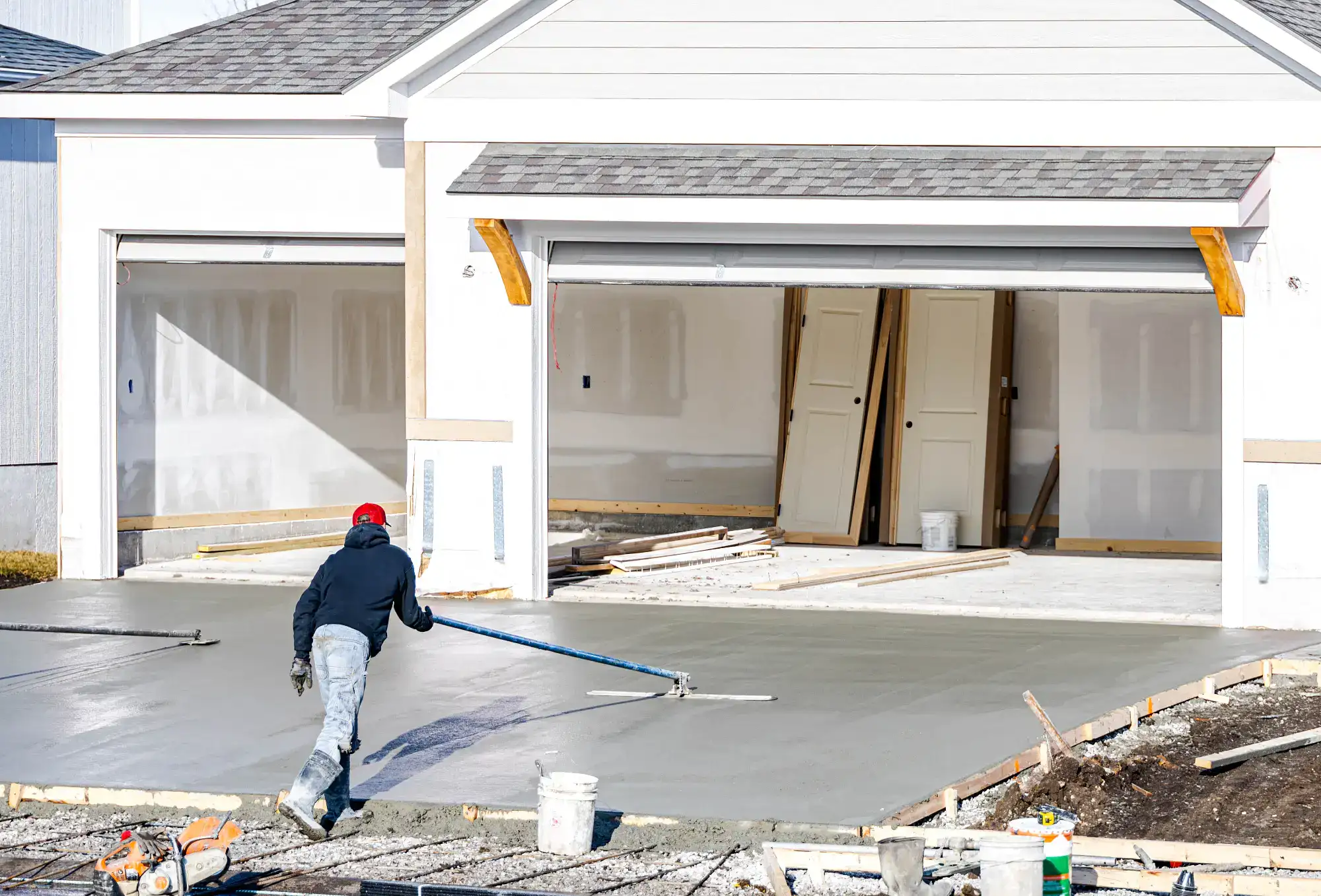
Summary:
You’ve been thinking about that patio for months. Maybe it’s the deck you sketched on a napkin last fall, or the driveway that’s been cracking worse each winter. Now the weather’s warming up, and you’re ready to move forward.
Here’s what most Suffolk County homeowners don’t realize: the difference between a project that finishes on time and one that drags into October often comes down to timing and planning, not just picking the right contractor. Summer offers real advantages for outdoor construction projects, but only if you understand how construction season actually works and what your property needs.
Let’s talk about which projects make sense for summer, when to start planning, and how to set yourself up for success instead of stress.
Summer isn’t just popular for outdoor construction because the weather feels nice. The season creates specific conditions that make exterior work faster, safer, and more reliable.
Longer daylight hours mean crews can work extended days when needed without rushing. Materials like concrete and pavers cure properly in warm, dry conditions. And perhaps most importantly, you can actually see progress happening consistently instead of watching your project stall every time it rains.
Suffolk County’s summer weather patterns—warm days, lower humidity than spring, and predictable conditions—create an environment where outdoor projects move forward steadily. That consistency matters more than you might think when you’re coordinating multiple phases of construction.
Not every outdoor project benefits equally from summer timing. Some absolutely need warm, dry weather. Others just happen to be more convenient when you can keep windows open and move freely between inside and outside.
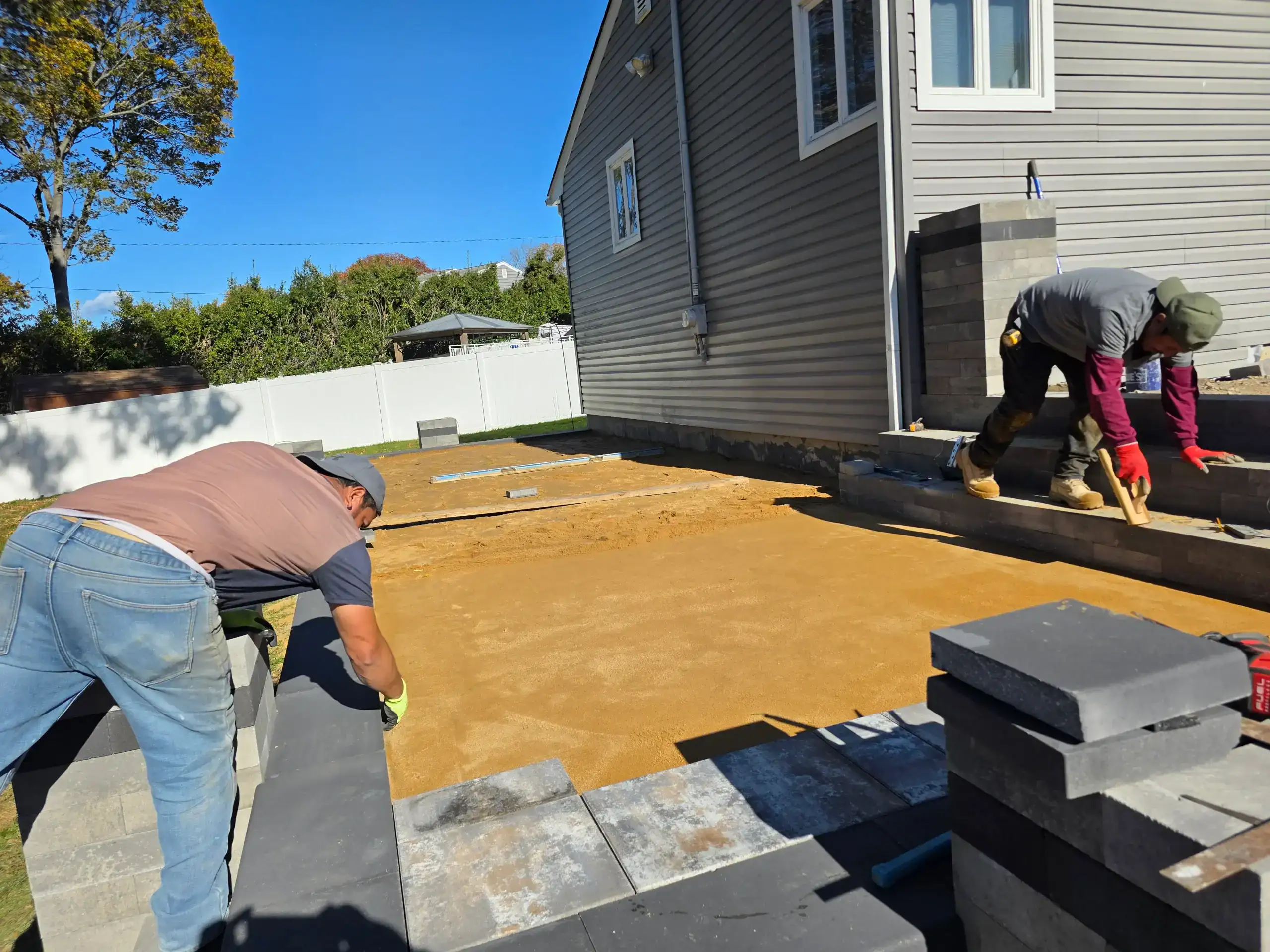
Patio and deck installations top the list for good reason. These projects require precise leveling, proper base preparation, and materials that need specific temperature ranges to set correctly. Suffolk County’s clay soil conditions demand careful drainage planning, and summer’s drier ground makes that work significantly easier than trying to excavate through spring mud or fall moisture.
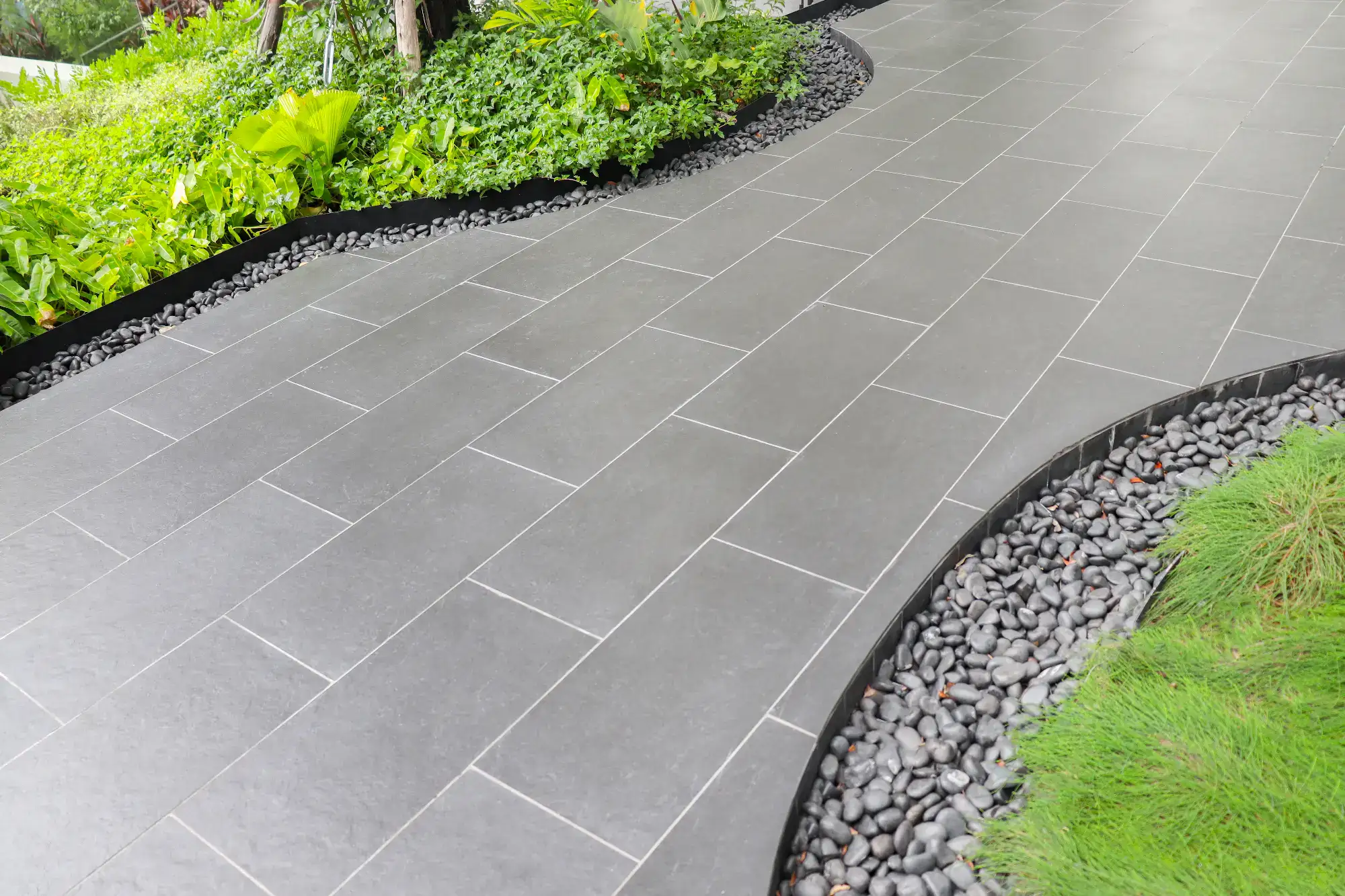
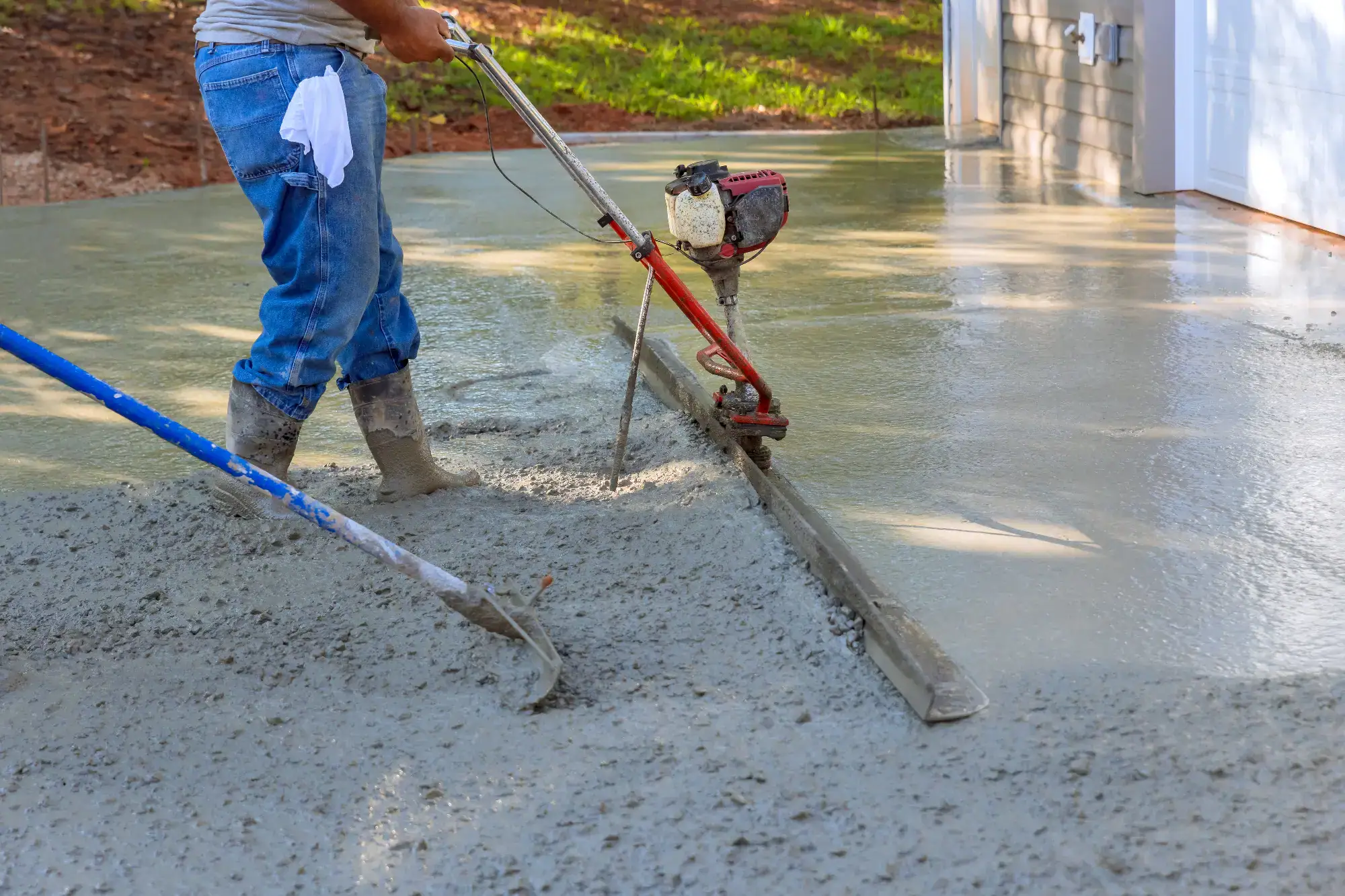
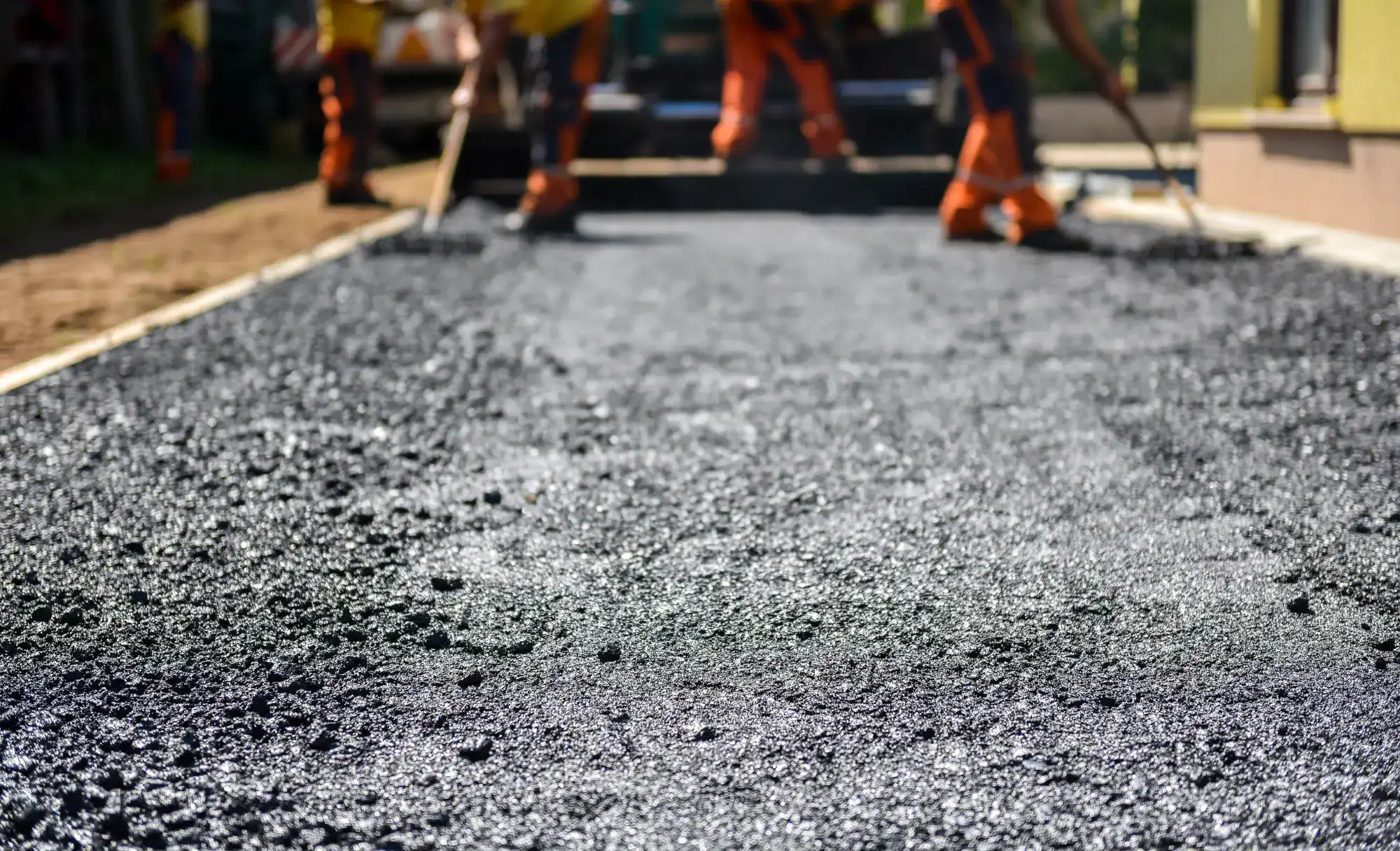
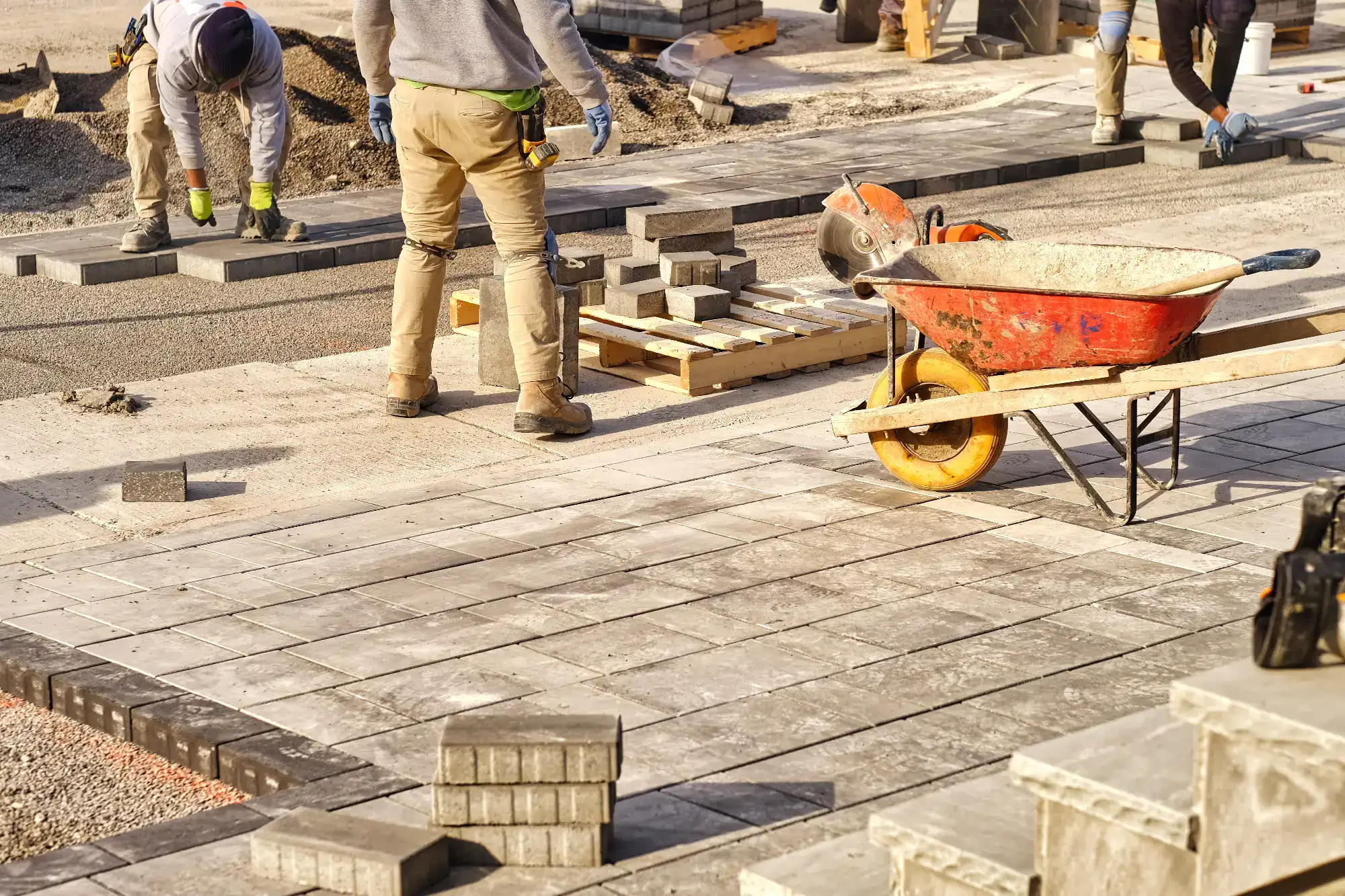
Driveway and walkway paving falls into the same category. Asphalt needs warm temperatures for proper compaction and curing. Concrete pours require controlled conditions without risk of overnight freezing. Paver installations benefit from stable ground conditions and extended working hours to complete sections before stopping.
Pool patios and outdoor kitchens represent bigger investments that deserve summer’s advantages. These projects often involve multiple trades—excavation, concrete work, masonry, plumbing, electrical, and finishing work. Coordinating all those elements works better when weather isn’t constantly disrupting the schedule. You’re not just building a structure; you’re creating an outdoor living space that needs to function properly from day one.
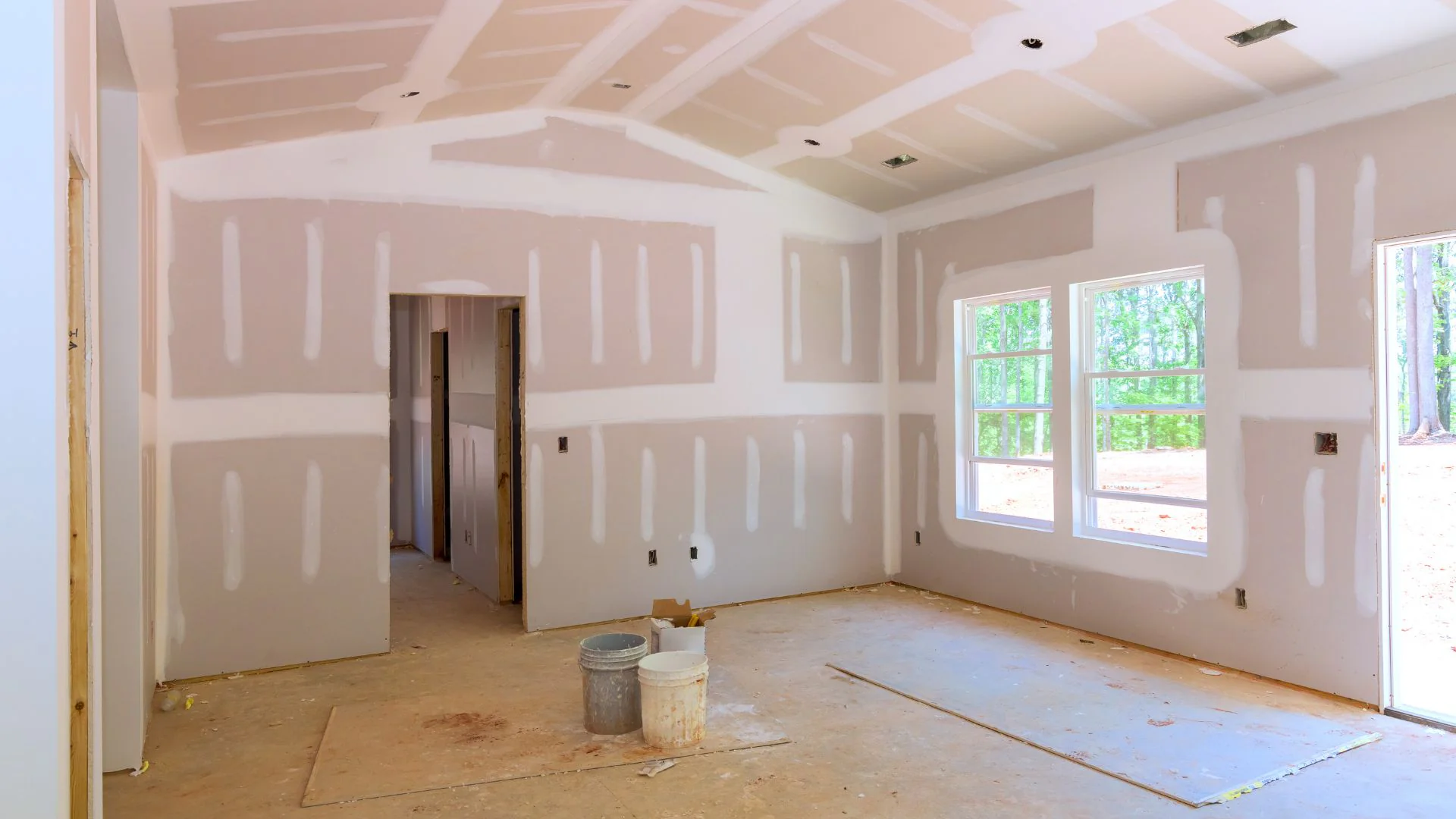
Exterior siding and painting projects also make sense during summer months. Paint needs specific temperature ranges and low humidity to cure properly. Siding installation goes faster when crews aren’t fighting wind, rain, or temperature swings. And let’s be honest—having your house wrapped in Tyvek during a nor’easter isn’t ideal for anyone.
The common thread? These projects either require specific weather conditions to be done correctly, or they benefit significantly from summer’s extended working hours and predictable schedules. You’re not just paying for convenience; you’re paying for conditions that let contractors do the work right the first time.
Here’s where timing gets interesting. Most homeowners think construction season starts when the weather gets nice. We know it starts months earlier, during winter planning.
The contractors with full summer schedules? They’re booking those projects in January and February, not May. By the time you’re ready to call someone in April because the weather finally broke, the good contractors are already scheduled through July.
This doesn’t mean you can’t start a project in summer. It means you need to understand how contractor availability actually works during peak season. Some contractors intentionally leave gaps in their schedules for smaller projects or quick turnarounds. Others focus exclusively on large projects booked months in advance.
Suffolk County adds another layer to this timing puzzle. Each town has its own permitting requirements and approval timelines. A patio project in Brookhaven might not need a permit. The same project in East Hampton might require multiple approvals. That permitting timeline affects when you can actually break ground, regardless of when you sign a contract.
Smart planning means working backward from when you want the project finished. Want to host Labor Day weekend on your new patio? You’re not calling contractors in August. You’re having conversations in early spring, finalizing plans by late spring, and breaking ground by early summer. That timeline accounts for design decisions, permitting, material ordering, and the actual construction work.
Weather also plays a role in when construction season really gets moving. Suffolk County’s spring can be unpredictable—warm one week, freezing the next, with random rainstorms thrown in for good measure. We know this. We’re hesitant to schedule major excavation or concrete work in April because we might spend half the month waiting for the ground to dry out.
By late May and into June, conditions stabilize. Ground temperatures are consistent. Rain becomes less frequent. We can commit to schedules with more confidence. That’s when construction season truly hits full speed, and it’s also when availability gets tightest.
Want live answers?
Connect with a Corsino Construction expert for fast, friendly support.
Planning outdoor construction projects isn’t just about picking materials and signing contracts. It’s about understanding what needs to happen before the first shovel hits dirt.
Start with your actual goals. What problem are you solving? A crumbling driveway is different from wanting more outdoor entertaining space. The first is about function and safety. The second is about lifestyle and enjoyment. Both are valid, but they require different planning approaches.
Budget comes next, and it needs to be realistic. Fixed pricing helps, but you also need to account for decisions you haven’t made yet. That patio might look perfect at one size, but once you see it laid out, you might want it bigger. Or you might discover drainage issues that need addressing before any paving happens. A contingency budget isn’t pessimistic—it’s practical.
Summer is when we’re busiest, and that affects how projects actually unfold. Understanding this reality helps you set appropriate expectations and work more effectively with your construction team.
Communication becomes more important when we’re managing multiple projects simultaneously. You’re not our only client, and our day doesn’t revolve around your patio. That’s not a bad thing—it means we’re successful and in demand. But it does mean you need clear, consistent communication about schedules, decisions, and any issues that come up.
Licensed in-house professionals versus subcontractors makes a real difference during busy season. When we use our own team, we control the schedule and quality directly. When contractors rely on subcontractors, they’re coordinating other people’s availability on top of their own. That extra layer of coordination creates more opportunities for delays and miscommunication.
Job site organization matters more during summer when you’re likely using your outdoor space. We maintain a clean, organized work area not just to be neat—we’re showing respect for your property and making it possible for you to live normally during construction. You shouldn’t have to navigate obstacle courses in your own yard.
Decision-making timelines compress during peak season. When we ask about paver color or drainage solutions, we need answers relatively quickly. We’ve got other trades scheduled, materials to order, and timelines to maintain. Slow decisions create gaps in schedules that are hard to fill during busy months.
The contractors who succeed during construction season are the ones who plan meticulously and communicate clearly. We’re not winging it or figuring things out as we go. We’ve thought through the sequence of work, ordered materials in advance, and scheduled our team to move efficiently from one phase to the next. That level of organization is what separates projects that finish on time from ones that drag on indefinitely.
Suffolk County’s specific requirements add complexity that experienced local contractors navigate routinely. We know which projects need permits, which towns have stricter requirements, and how long approvals typically take. That local knowledge prevents delays that catch out-of-area contractors by surprise.
Summer construction isn’t just about taking advantage of good weather. It also means managing heat safely for the people doing the work.
We take heat safety seriously because we understand the risks. Outdoor construction during July and August in Suffolk County means working in temperatures that regularly hit the 80s and 90s, often with high humidity. That combination creates real health hazards if not managed properly.
Water, shade, and rest aren’t luxuries during summer construction—they’re necessities. We schedule breaks, provide hydration, and adjust work hours to avoid the hottest parts of the day when possible. This isn’t just about being nice; it’s about maintaining productivity and preventing heat-related illness that can shut down a job site.
You might notice our crew starting earlier in the morning during peak summer heat. That’s intentional. Completing the most physically demanding work before midday heat peaks keeps workers safer and actually improves productivity. Nobody does their best work when they’re overheated and exhausted.
The quality of work suffers when crews are rushing through extreme heat. Concrete that’s poured too quickly in high temperatures can crack. Pavers that aren’t set carefully create uneven surfaces. Attention to detail decreases when workers are focused on just getting through the day. We understand this and plan accordingly.
Heat management also affects material performance. Some adhesives and sealants have temperature limits. Asphalt needs specific temperature ranges for proper compaction. Even something as simple as paint has optimal application temperatures. We know these requirements and schedule work to match material specifications, not just weather forecasts.
Suffolk County’s coastal location adds another variable—humidity. High humidity affects how materials cure and how quickly workers fatigue. It’s not just about the temperature reading; it’s about the actual working conditions that combine heat, humidity, and physical exertion.
We build these considerations into our planning. We’re not surprised when a heat wave hits in July. We’ve already thought through how to maintain progress safely and what adjustments might be needed. That preparation is part of what you’re paying for when you hire professionals instead of trying to save money with whoever’s cheapest.
Summer offers real advantages for outdoor construction projects in Suffolk County, but timing and planning determine whether you actually experience those advantages or just deal with peak-season headaches.
The projects that finish on schedule with quality results share common elements: realistic planning that starts early, clear communication throughout construction, and contractors who understand both the work itself and how to manage it during busy season. You can’t control the weather, but you can control how well you prepare.
Start planning earlier than feels necessary. Make decisions promptly when we need input. Understand that summer construction season is busy for good reasons, and work with that reality instead of against it. Your outdoor construction project doesn’t have to be stressful if you approach it with the right information and realistic expectations.
We’ve been helping Suffolk County homeowners navigate these decisions for over 25 years, combining local expertise with the kind of clear communication that makes construction projects actually enjoyable instead of just tolerable.
Article details:
Share:
Continue learning: