Before you hire anyone, understand exactly what an exterior remodeling contractor covers and what separates a good one from a costly mistake.
Share:

Summary:
You have a project in mind. It might be a new deck, a crumbling walkway, siding that has seen better days, or a patio that never quite got finished. You search “exterior remodeling contractor Suffolk County,” and suddenly you are looking at a list of companies that all say more or less the same thing. Quality work. Competitive prices. Years of experience.
So how do you tell them apart? And more importantly, what are you even hiring them to do?
That is what this page is for. We are going to break down what an exterior remodeling contractor covers, how the process works, and what the difference is between a contractor who does this right and one who leaves you with a headache.
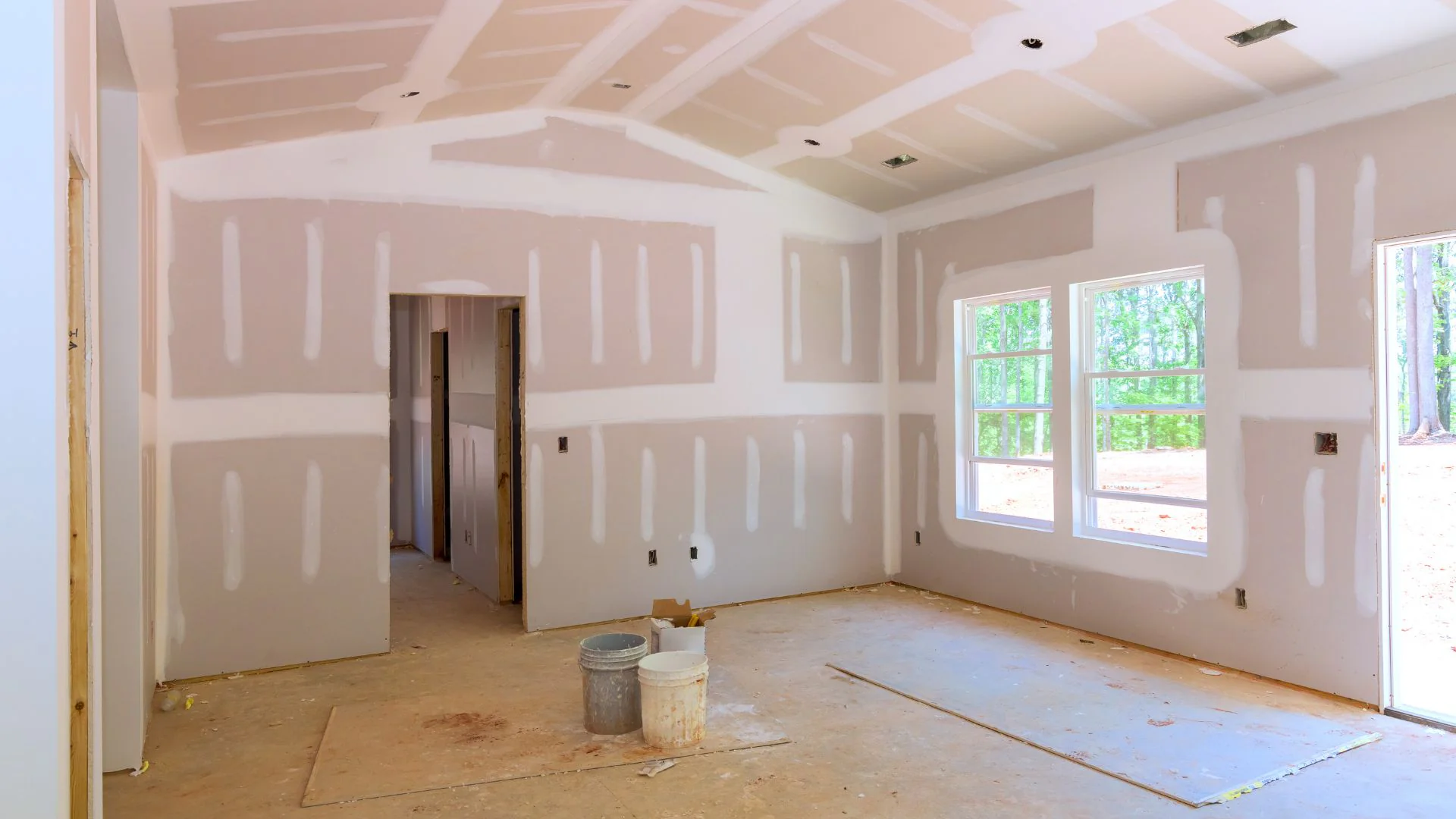
There is a common assumption that exterior remodeling is mostly siding and roofing. That is a piece of it, but only a piece. A full-service exterior remodeling contractor handles the entire outer envelope of your home and the outdoor spaces around it.
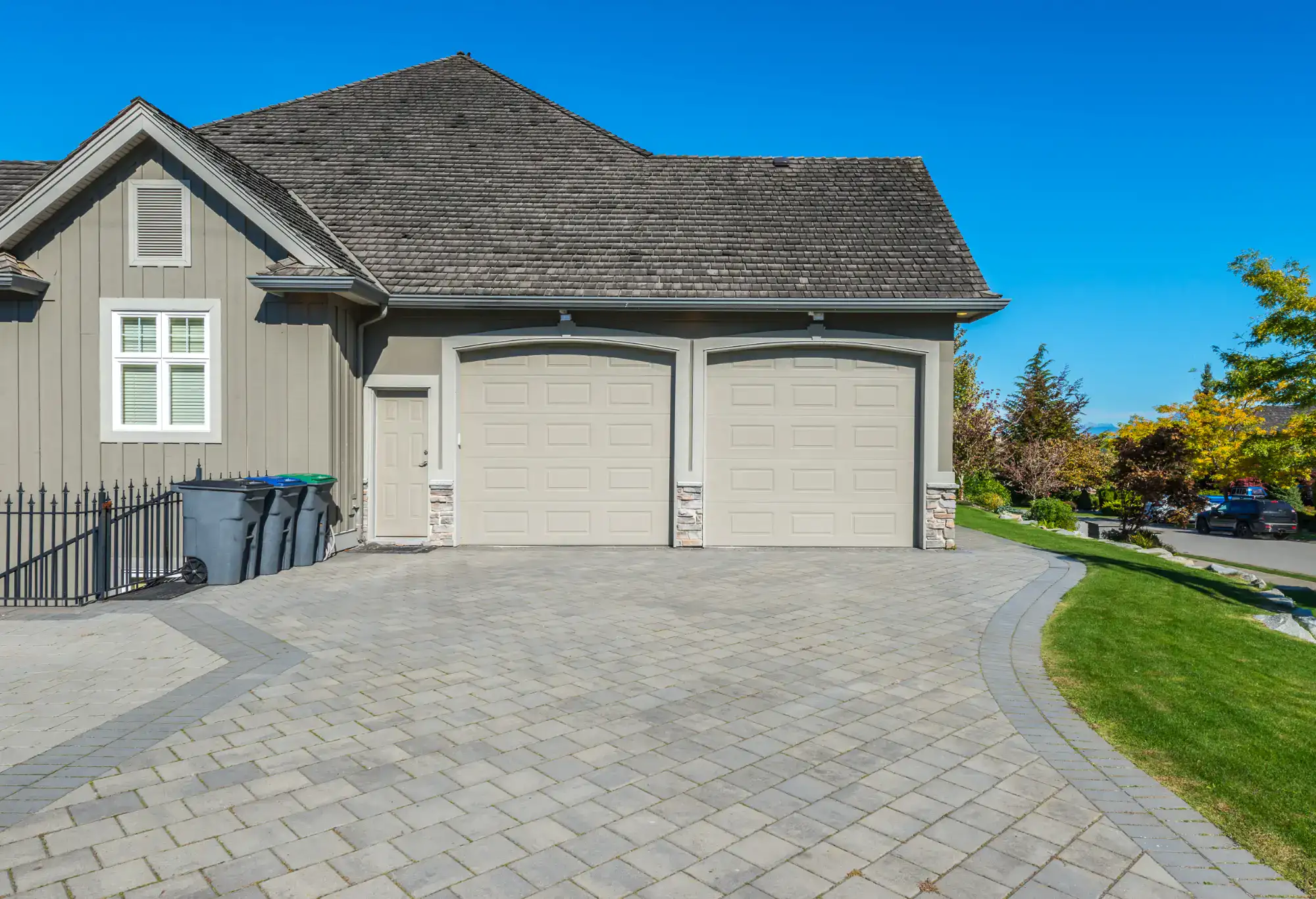
That means decks, patios, walkways, pool patios, driveways, siding, windows, doors, and drainage. It means the structures you use and the surfaces you walk on. For Suffolk County homeowners, it also means everything exposed to salt air, nor’easters, freeze-thaw cycles, and the kind of coastal weather that quietly destroys materials that work fine in other parts of the country.
When the scope is handled by one contractor, meaning one crew, one contract, and one point of contact, you avoid the coordination problems that come from hiring a deck builder, a paving company, and a siding contractor separately and hoping their schedules align.
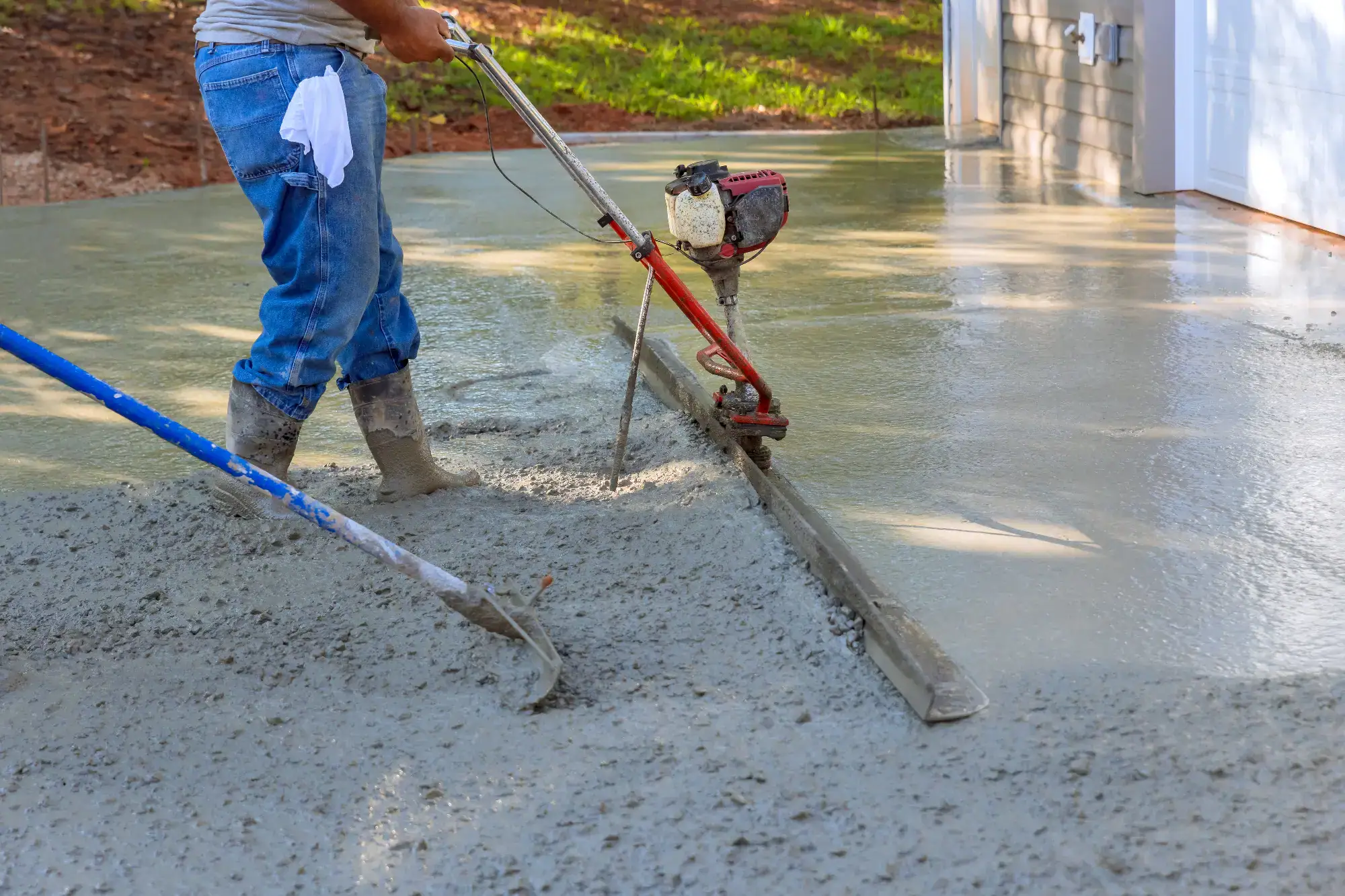
This matters more than most homeowners realize before they have lived through a bad project. Long Island’s coastal climate creates failure modes that a contractor without local experience simply won’t anticipate, and by the time those failures show up, the job is long done and the contractor is long gone.
Salt air is the obvious one. If you are within a few miles of the Atlantic on the South Shore or the Sound on the North Shore, the air itself is working against certain materials. The wrong siding finish, fasteners, and railing system will corrode and degrade faster than the manufacturer’s warranty would suggest. We specify materials with that reality in mind from the start.
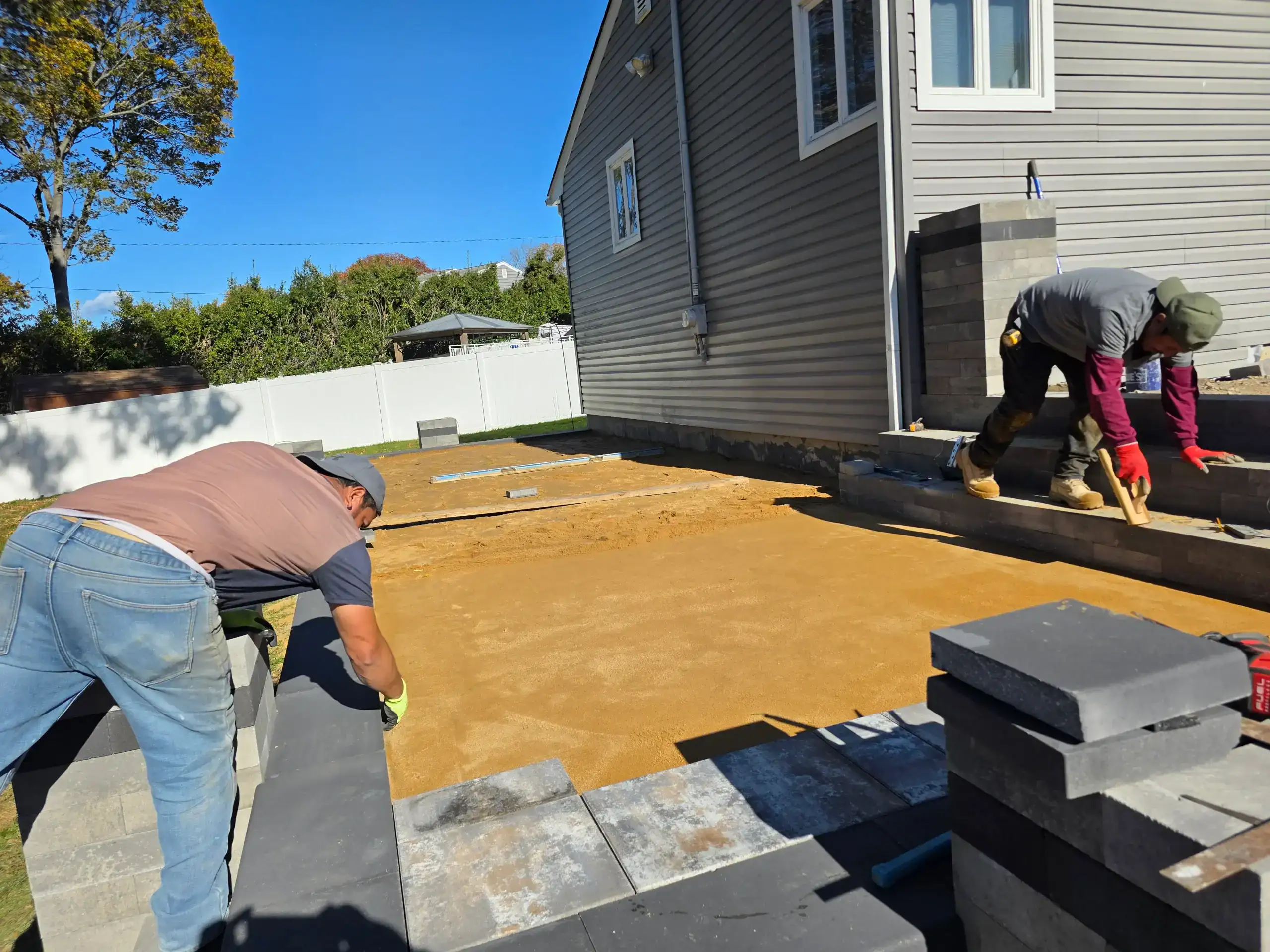
Freeze-thaw cycles are the less obvious one, and they are responsible for a lot of the cracked patios and heaving pavers you see around Suffolk County. When water gets into a paver base that wasn’t properly compacted or graded, it freezes, expands, and shifts the surface. Repeat that over a few winters and you have a patio that looks like it was installed by someone who had never seen a Long Island winter. Proper base preparation, which includes the right depth, aggregate, and drainage, is not glamorous work, but it is what separates a patio that holds for twenty years from one that needs to be torn out in five.
Then there is Long Island’s soil. The mix of sand and clay that runs through much of Suffolk County affects drainage and stability in ways that matter for every outdoor structure, from deck footings to paver installations. We have been building here since 2000 and know how to read a site and engineer accordingly.
We have worked in towns like Commack, Bay Shore, West Islip, Centerport, Cold Spring Harbor, Patchogue, Huntington, and Riverhead. We know the soil, we know the codes, and we know what holds up here.
Let’s get specific, because “exterior remodeling” is a broad term and it helps to understand what each major project entails.
A deck build isn’t just framing and decking boards. It starts with footings, which are concrete piers that go below the frost line so the structure doesn’t shift over winter. In Suffolk County, that depth matters. The framing needs to handle the wind loads that come with coastal exposure. The materials, ranging from pressure-treated lumber and composite decking to hardwood, need to be selected for humidity and salt air, not just aesthetics. And the whole thing needs to be permitted. Suffolk County requires permits for deck construction, and any contractor who suggests skipping that step is putting you at risk when it comes time to sell.
Patio installation follows a similar logic. The visible surface, including concrete, pavers, bluestone, or brick, is only as good as what lies underneath it. Excavation depth, base compaction, edge restraints, and drainage all determine if that surface looks the same in ten years as it does on day one. We design our drainage systems around Long Island’s specific soil conditions, not a generic standard that may or may not apply here.
Pool patios are a category unto themselves, and they are in high demand across Suffolk County for good reason. Long Island has one of the highest concentrations of in-ground pools in the country. The surface around a pool takes a lot of abuse from constant water exposure, foot traffic, pool chemicals, and the same freeze-thaw cycles as everything else. The material choices and drainage requirements are specific, and the installation needs to account for the pool’s existing structure.
Walkways tie everything together. A well-designed walkway from the street to your front door or from your deck to your pool area is both a functional improvement and a visual one. Done right, with proper grading and drainage, it handles Long Island winters without cracking. Done wrong, it becomes a tripping hazard by spring.
Want live answers?
Connect with a Corsino Construction expert for fast, friendly support.
Most homeowners get three quotes and pick based on price. That is understandable since exterior projects are a real investment, and the numbers matter. But price alone is a poor filter, and it is how a lot of Suffolk County homeowners end up with work that fails early, permits that were never pulled, or a contractor who disappears halfway through.
The questions that truly matter are about process, accountability, and local knowledge. Who is doing the work? How is the price structured? What happens if something goes wrong? Do they know Suffolk County’s permit requirements, or will you be the one figuring that out?
This is one of the most important distinctions in the remodeling industry, and it rarely comes up in the initial conversation unless you ask directly.
Many contractors, even well-established ones, use subcontractors for most or all of their work. They sell you the job, then hand it off to a rotating cast of crews they have hired for that project. The quality of your project depends entirely on whoever shows up that day. If something goes wrong between trades, the finger-pointing starts. The deck builder says it is the paving contractor’s problem. The paving contractor says it was the drainage. Nobody owns it.
We don’t work that way. Every project we take on is handled by our in-house crew, ensuring the same team, standards, and accountability from the first day of work to the final walkthrough. That is not a marketing line. It is how we have operated since we started in 2000, and it is why most of our new work comes from referrals from homeowners in the same neighborhoods where we have already built.
It also means you know who is on your property. When you hire us, you aren’t opening the door to whoever happened to be available that week. You are getting a crew that works for us, follows our standards, and is accountable to us, and ultimately to you.
Communication failures, rather than cost overruns, are the number one complaint homeowners have about remodeling contractors. When you are dealing with subcontractors and multiple points of contact, communication breaks down fast. Having one crew, one contract, and one point of contact fixes that problem before it starts.
Do I need a permit for a deck or patio in Suffolk County, NY?
For decks, yes, almost always. Suffolk County requires building permits for deck construction, and the inspection process is part of how the county ensures the structure is safe and code-compliant. Skipping the permit might seem like a way to save time or money upfront, but it creates real problems when you sell. Unpermitted work shows up in home inspections, and it can kill a sale or force you to tear out and rebuild at your expense. We handle all permit applications and coordinate inspections as part of every project so you don’t have to navigate that process yourself.
For patios, it depends on the scope. A standard ground-level paver patio typically doesn’t require a permit, but anything involving structural elements, drainage systems, or proximity to your pool may. We will tell you exactly what is required before work begins.
How long does exterior remodeling take?
It varies by scope, but most complete exterior renovation projects run two to four weeks. A standalone deck or patio is often faster. A project that combines decking, patio work, walkway paving, and siding can take longer, especially when permits are involved. We set realistic schedules upfront and keep you informed throughout.
What’s the ROI on exterior remodeling projects?
Better than most homeowners expect. Nine out of ten of the highest-ROI home improvement projects in the 2024 Cost vs. Value Report were exterior projects. Patios can recover up to 95% of their installation cost at resale. A new wood deck can recover up to 89%. These aren’t guarantees, but they reflect a consistent pattern: exterior improvements hold their value well, especially in an active real estate market like Suffolk County’s.
Why do quotes vary so much for the same project?
Because not all quotes are for the same project, even when they look like it on paper. One contractor is using the right base depth for Long Island’s freeze-thaw cycles. Another is skimping on it. One is pulling permits. Another isn’t. One is using materials rated for coastal exposure. Another is using whatever is cheapest at the supply house. The price difference reflects those choices, and you won’t see the results of those choices until a few winters later.
Here is the short version of everything above: exterior remodeling done right on Long Island requires local knowledge, in-house accountability, and a contractor who is honest about what things cost and how long they take. The work is literally too exposed to cut corners on materials, base preparation, or permits.
When it is done right, it holds. A properly built deck, a well-drained patio, and a walkway that handles twenty Long Island winters are not just improvements you enjoy now. They are investments that hold real value. If you are planning a project in Suffolk County, NY and want an honest conversation about the process, costs, and timeline, reach out to Corsino Construction Corp today to schedule your consultation.
Article details:
Share:
Continue learning: