A fast bathroom remodel doesn't mean rushed work. Learn what actually makes bathroom projects move faster and how Suffolk County homeowners get quality results without the wait.
Share:
Summary:
You want your bathroom updated. You don’t want to live in a construction zone for three months. That’s not unreasonable. The problem is, most homeowners hear “fast bathroom remodel” and assume it means cheap materials, corner-cutting, or surface-level fixes that won’t last. It doesn’t have to. Speed comes from planning, coordination, and experience—not from skipping steps. In Suffolk County, homeowners who understand what actually accelerates a project get better results in less time. Here’s what makes the difference between a quick remodel and a rushed one.
A realistic fast bathroom remodel takes anywhere from two to six weeks, depending on what you’re changing. That’s not marketing speak. That’s actual construction time when the project is managed correctly.
If you’re updating fixtures, flooring, and paint without moving plumbing, expect two to three weeks. If you’re gutting the space, relocating a shower, or adding custom tile, plan for four to six weeks. Full renovations with layout changes can push into eight weeks, especially if permits take longer than expected.
The difference between a fast remodel and a standard one isn’t the quality of work. It’s how well the project is planned before anyone picks up a sledgehammer. Contractors who start demolition with half the materials on backorder and no permit approval aren’t working fast—they’re working blind. That’s when two-week estimates turn into two-month nightmares.
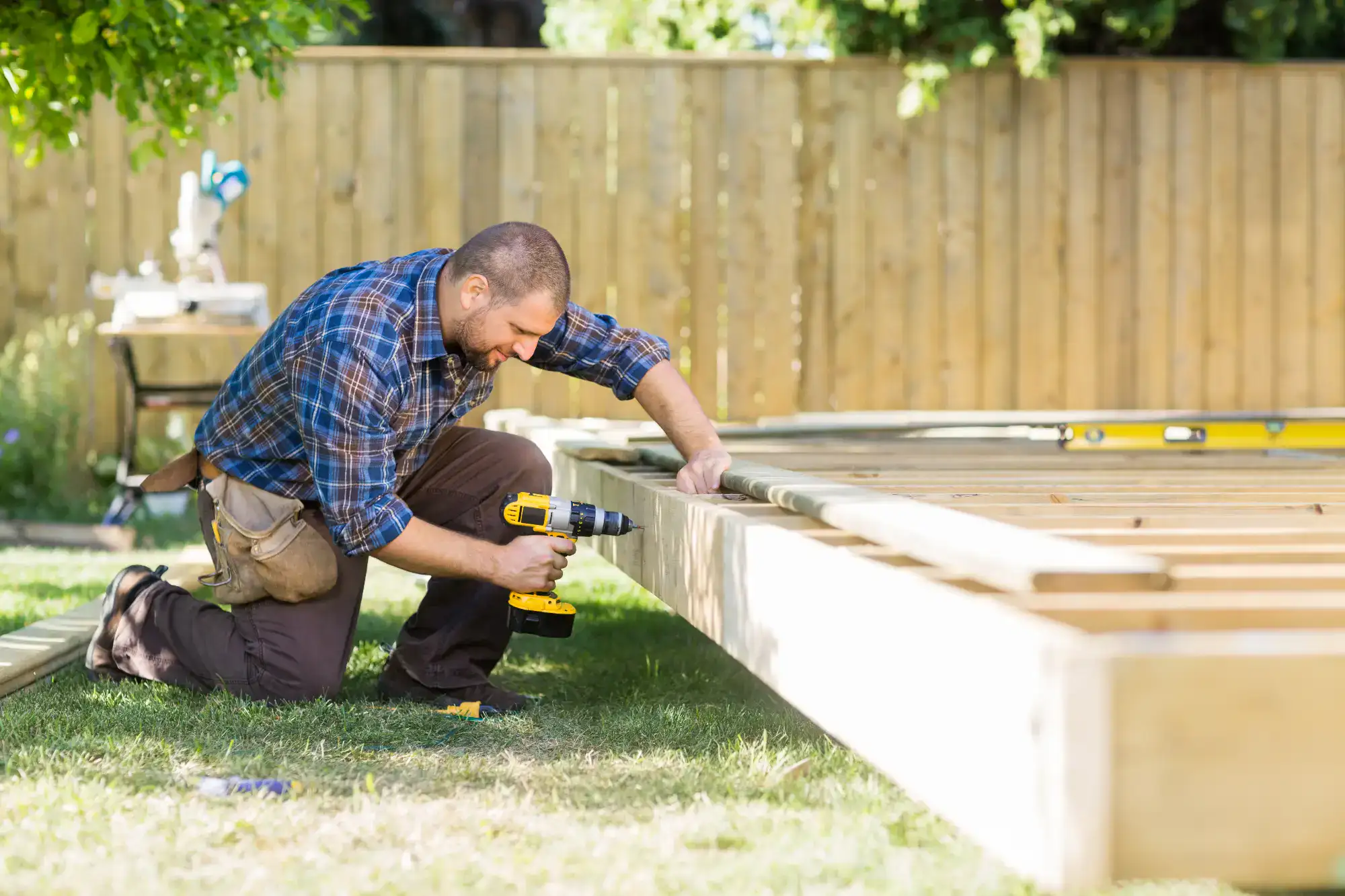
The fastest bathroom remodels share the same characteristics. Every material is selected, priced, and ordered before demolition starts. Permits are submitted early and approved before the first wall comes down. The contractor uses in-house teams instead of coordinating five different subcontractors with conflicting schedules.
When you hire a contractor who juggles multiple subcontractors, your timeline depends on their availability. The plumber finishes, but the electrician can’t come for another week. The tile installer shows up, but the shower pan hasn’t arrived yet. Each gap adds days, sometimes weeks.
In-house teams work differently. They’re dedicated to your project from start to finish. There’s no waiting for the next available slot on someone else’s calendar. The crew that does your demo is the same crew handling framing, plumbing rough-in, and finish work. They’re accountable to one company, not juggling three other jobs.
Material delays kill timelines. A backordered vanity or specialty tile can halt progress for weeks. Experienced contractors order materials early, confirm delivery windows, and have backup options ready. They know which suppliers are reliable and which ones overpromise. That knowledge saves time.
Change orders slow everything down. Deciding mid-project that you want different tile or a relocated toilet means reworking plans, reordering materials, and rescheduling inspections. Make your decisions before construction starts. Walk through the plan with your contractor. Ask questions. Get clear on what you want. Once demo begins, stick to the plan.
Understanding the construction timeline helps you see where delays typically happen and how good contractors avoid them. Demolition takes one to two days for a standard bathroom. It’s loud, dusty, and moves fast. Contractors remove old fixtures, tile, and flooring, then haul debris offsite.
Rough plumbing and electrical work follows. This is when pipes get relocated, new electrical lines run, and systems updated to code. It takes two to four days depending on how much is changing. If you’re keeping the same layout, it’s faster. If you’re moving the shower to the opposite wall, it takes longer.
Inspections happen after rough work. In Suffolk County, you’ll need permits for plumbing changes, electrical work, and structural modifications. Experienced contractors schedule inspections in advance so there’s no dead time waiting for the inspector to show up. They know what local building departments require and submit complete applications the first time.
Waterproofing and tile installation come next. This is where craftsmanship matters. Proper waterproofing prevents mold and water damage years down the road. Tile work takes time—rushing it shows. Expect three to five days for a standard shower surround and floor, longer for custom patterns or natural stone.
Fixture installation and finishing touches wrap up the project. Vanity, toilet, lighting, mirrors, and final paint go in. This usually takes two to three days. Then there’s a final walkthrough to confirm everything works and meets expectations.
The entire process, when managed well, flows without gaps. One phase finishes, the next begins. Materials arrive when needed. Inspections happen on schedule. That’s how a bathroom remodel stays on track.
Want live answers?
Connect with a Corsino Construction expert for fast, friendly support.
Living through a bathroom remodel is inconvenient. There’s no way around that. But the level of disruption depends on how the contractor manages the job site. Some contractors treat your home like a construction zone. Others understand you’re still living there.
Job site cleanliness makes a difference. Dust containment barriers, daily cleanup, and organized material storage keep chaos contained. You shouldn’t be tracking tile dust through your entire house or tripping over tools in the hallway.
Communication reduces stress. Knowing when crews will arrive, what’s happening that day, and when your bathroom will be offline helps you plan. Contractors who disappear for days without updates create anxiety. Clear communication doesn’t cost extra—it’s just professional.
If you’re remodeling your only bathroom, plan ahead. Some homeowners set up a makeshift bathroom in the basement with a utility sink and portable toilet. Others use a gym membership for showers. A few take a short vacation while the messiest work happens.
Most contractors can arrange the schedule so your bathroom is functional overnight, even if it’s not finished. They’ll reconnect the toilet at the end of each day so you’re not completely without facilities. It’s not ideal, but it’s manageable.
Establish clear work hours with your contractor. Most work 8 a.m. to 4 p.m. on weekdays. Demolition week is the loudest—expect noise levels comparable to a motorcycle. If you work from home, plan meetings around the schedule or find a quiet space elsewhere.
Protect your belongings. Remove everything from the bathroom before work starts. Cover nearby furniture and flooring in adjacent rooms. Ask your contractor about dust barriers and ventilation to keep particles from spreading through your HVAC system.
Set up temporary storage for bathroom essentials. Towels, toiletries, and daily necessities need a new home during construction. A plastic bin or dedicated closet space keeps everything organized and accessible.
The inconvenience is temporary. Keeping that perspective helps. A well-managed project minimizes disruption, but there will still be noise, dust, and limited access. Focus on the end result—a bathroom that functions better and looks the way you want.
Permit delays are one of the biggest timeline killers. In Suffolk County, different towns have different requirements. Brookhaven, Islip, Smithtown—each has its own building department with specific processes. Contractors who work locally know these systems. They submit complete applications, include required documentation, and schedule inspections at the right times.
Skipping permits is tempting when you want speed, but it’s a mistake. Unpermitted work can tank your home’s value when you sell. Insurance companies may deny claims if work wasn’t done to code. Inspections exist for safety—they catch problems before they become expensive disasters.
Material availability affects timelines more than most homeowners realize. Custom vanities, specialty tile, and imported fixtures can have lead times of six to eight weeks. Stock items ship faster. If speed matters, choose in-stock materials or order custom pieces well in advance.
Hidden issues surface during demolition. Water damage, mold, outdated wiring, rotted subfloors—these aren’t visible until walls come down. Experienced contractors inspect thoroughly before quoting and build buffer time into estimates. They’ve seen enough bathrooms to anticipate potential problems.
Contractor scheduling conflicts cause delays when companies overbook or use subcontractors. A contractor managing ten projects with rotating subs can’t guarantee your timeline. Companies with dedicated in-house teams control their schedule better. Your project doesn’t get bumped because someone else’s job ran long.
Poor communication between homeowner and contractor creates unnecessary delays. If your contractor can’t reach you for a material decision, work stops. Stay accessible. Respond to calls and texts promptly. The faster you make decisions, the faster the project moves.
A fast bathroom remodel doesn’t require sacrificing quality. It requires planning, experienced contractors, and realistic expectations. Speed comes from efficient project management, in-house teams, and materials ordered before demolition starts. It comes from contractors who know Suffolk County permit requirements and have relationships with local building departments.
The difference between a quick remodel and a rushed one is accountability. Contractors who use in-house licensed professionals deliver consistent quality because they control every aspect of the work. There’s no finger-pointing between subcontractors when something goes wrong. One team, one company, direct responsibility.
If you’re ready to move forward with a bathroom remodel that respects both your timeline and your standards, we’ve been serving Suffolk County homeowners for over 25 years at Corsino Construction Corp. We handle permits, manage materials, and use licensed in-house crews to keep projects on schedule without cutting corners.
Article details:
Share:
Continue learning: