Discover how to protect your Suffolk County home from harsh coastal weather through smart exterior renovations that enhance durability, value, and outdoor living.
Share:
Summary:
Your home takes a beating from Long Island weather. Salt air corrodes metal. Freeze-thaw cycles crack concrete. Nor’easters test every seam and fastener on your exterior.
If you’re in Farmingville or Coram, you already know that coastal conditions age homes faster than inland properties. The question isn’t whether you’ll need exterior work—it’s when, and how to do it right the first time.
This guide breaks down what actually works in Suffolk County. You’ll see which materials handle our climate, how outdoor renovations protect your investment, and why the contractor you choose matters more than you might think. Let’s start with understanding what your home’s exterior is up against.
Your location determines what works on your home’s exterior. Materials that last 25 years in Arizona might only give you 18 in Suffolk County.
The Atlantic coast creates conditions most contractors never encounter. Salt air accelerates corrosion on metal components. Humidity breeds mold and mildew. Temperature swings from winter lows to summer highs expand and contract materials hundreds of times per year.
Since 1930, 45 hurricanes have hit Suffolk County. Add in nor’easters, the August 2024 flooding that dumped over 9 inches of rain in 24 hours, and sustained coastal winds that exceed standard building assumptions. Your exterior needs to handle all of it.
Not all siding, decking, and paving materials respond the same way to coastal conditions. Understanding the differences saves you from replacing failed materials years before you should.
Vinyl siding seems affordable until salt air makes it brittle. What should last 20 years might crack after 10 in coastal areas. Wood looks beautiful but absorbs moisture in high humidity, leading to rot and mold that compromise your home’s structure. Standard pressure-treated lumber works inland but struggles near the ocean where salt exposure speeds deterioration.
Fiber cement siding outperforms vinyl in salt air environments. It doesn’t absorb moisture like wood, resists warping from temperature changes, and maintains its appearance longer in harsh conditions. For roofing, architectural shingles with proper underlayment handle coastal winds better than basic three-tab options. The heavier weight and enhanced wind resistance ratings matter when sustained gusts test your roof’s attachment points.
Composite decking materials last longer than traditional wood in humid coastal conditions. They don’t splinter, warp, or rot the way pressure-treated lumber does. For walkway paving and pool patios, choosing materials designed for freeze-thaw cycles prevents the cracking you see on driveways and paths that weren’t built for Long Island’s temperature swings.
The key difference comes down to how materials interact with moisture and salt. Wood absorbs and breaks down. Standard vinyl repels moisture but fades and becomes brittle. Quality fiber cement and composite materials resist both moisture and salt exposure completely. Your choice determines whether you’re replacing exterior components in 10 years or 25.
Windows need proper weatherstripping and flashing details to prevent water infiltration during storms. Doors require adequate seals against coastal weather. Even the fasteners and sealants matter—professional-grade products formulated for salt exposure last where standard hardware fails. These details separate contractors who understand coastal installations from those who don’t.
Suffolk County requires permits for most exterior work. Siding replacement, roofing, structural changes, and many deck installations need approval before work starts.
The permit process typically takes one to two weeks. Costs vary by project type, but experienced contractors include these fees in estimates so you’re not surprised. Building inspectors visit during construction to verify code compliance. This protects you—permitted work means the job meets safety standards and won’t cause problems during home sales or insurance claims.
Skipping permits creates bigger issues than the hassle of paperwork. When you sell your home, unpermitted work shows up in inspections. Buyers get nervous. Insurance companies question coverage. What seemed like a shortcut becomes a liability that costs more to fix than doing it right initially.
Local building codes exist for good reasons in coastal areas. Wind load requirements for roofing aren’t arbitrary—they’re based on the sustained winds Suffolk County actually experiences. Deck attachment specifications prevent catastrophic failures during storms. Proper flashing around windows stops water infiltration that leads to mold and structural damage.
Contractors familiar with Suffolk County know what documentation the building department requires. They understand which projects need engineered plans and which don’t. They maintain relationships with local inspectors, which keeps projects moving instead of getting hung up on technicalities.
The permit process also protects you from contractors cutting corners. Inspections verify that work meets code, materials match specifications, and installation follows best practices. When a contractor says they can skip permits to save time or money, that’s a warning sign. Professional companies handle permits as standard practice because they know their work will pass inspection.
If you’re planning exterior renovations, factor permit timing into your schedule. Spring and summer bring more permit applications, which can slow processing. Winter often means faster approvals but weather delays on actual construction. The best approach is working with contractors who manage the entire process and build permit timelines into realistic project schedules.
Want live answers?
Connect with a Corsino Construction expert for fast, friendly support.
Outdoor living spaces do more than look good. They extend your usable square footage and create areas where you actually want to spend time.
Decks and patios rank among the most popular home renovation projects for good reason. They offer solid return on investment—wood decks around 95%, composite 89%. More importantly, they transform how you use your property. Family barbecues, quiet morning coffee, entertaining guests—quality outdoor spaces make all of it better.
In Suffolk County’s climate, the materials and installation methods determine whether your deck lasts decades or needs replacement in years. Let’s look at what actually works.
The wood versus composite decision comes down to maintenance, longevity, and how each material handles coastal humidity.
Traditional pressure-treated wood costs less upfront. It’s familiar, readily available, and contractors know how to work with it. But in Farmingville and Coram’s humid coastal environment, wood faces constant challenges. It absorbs moisture, which leads to warping, splitting, and rot over time. Annual maintenance includes sealing or staining to protect against weather damage. Even with proper care, wood decks typically need significant repairs or replacement within 15 to 20 years near the coast.
Composite decking materials cost more initially but require almost no maintenance. They don’t absorb water, so they won’t rot, warp, or splinter. Salt air doesn’t affect them the way it degrades wood. Colors stay consistent without annual staining. Most manufacturers offer warranties of 25 years or more because the materials genuinely last that long in coastal conditions.
The math works out when you factor in maintenance time and replacement costs. A wood deck might cost $15,000 installed, but you’ll spend hundreds annually on maintenance and likely replace it in 15 years. A composite deck at $22,000 requires occasional cleaning but no sealing, staining, or major repairs for 25-plus years. Over the life of your home, composite often costs less while delivering better performance.
Installation quality matters regardless of material choice. Proper footings prevent settling and structural issues. Correct joist spacing ensures the deck doesn’t bounce or sag. Railings must meet current building codes for height and spacing. Flashing where the deck attaches to your house stops water from infiltrating walls—a common failure point that leads to expensive repairs.
Deck design should consider how you’ll actually use the space. Built-in seating maximizes usable area. Planning for future additions like pergolas or fire pits means building structural support now rather than retrofitting later. Stairs and access points need to work with your property’s layout and how people naturally move through outdoor spaces.
For pool patios, slip resistance becomes critical. Some composite materials offer textured surfaces that provide better traction when wet. Proper drainage prevents water pooling, which creates safety hazards and accelerates wear. The area around pools takes more abuse from chlorine, sunscreen, and constant foot traffic, so material selection matters even more than standard deck applications.
Concrete cracks. Asphalt deteriorates. If you’ve lived in Suffolk County for any length of time, you’ve seen it happen to driveways and walkways that weren’t built for our climate.
Freeze-thaw cycles create the problem. Water seeps into small cracks or porous materials. When temperatures drop, that water freezes and expands. The expansion creates larger cracks. More water gets in. The cycle repeats every winter, and within a few years, you’re looking at significant damage that requires replacement rather than repair.
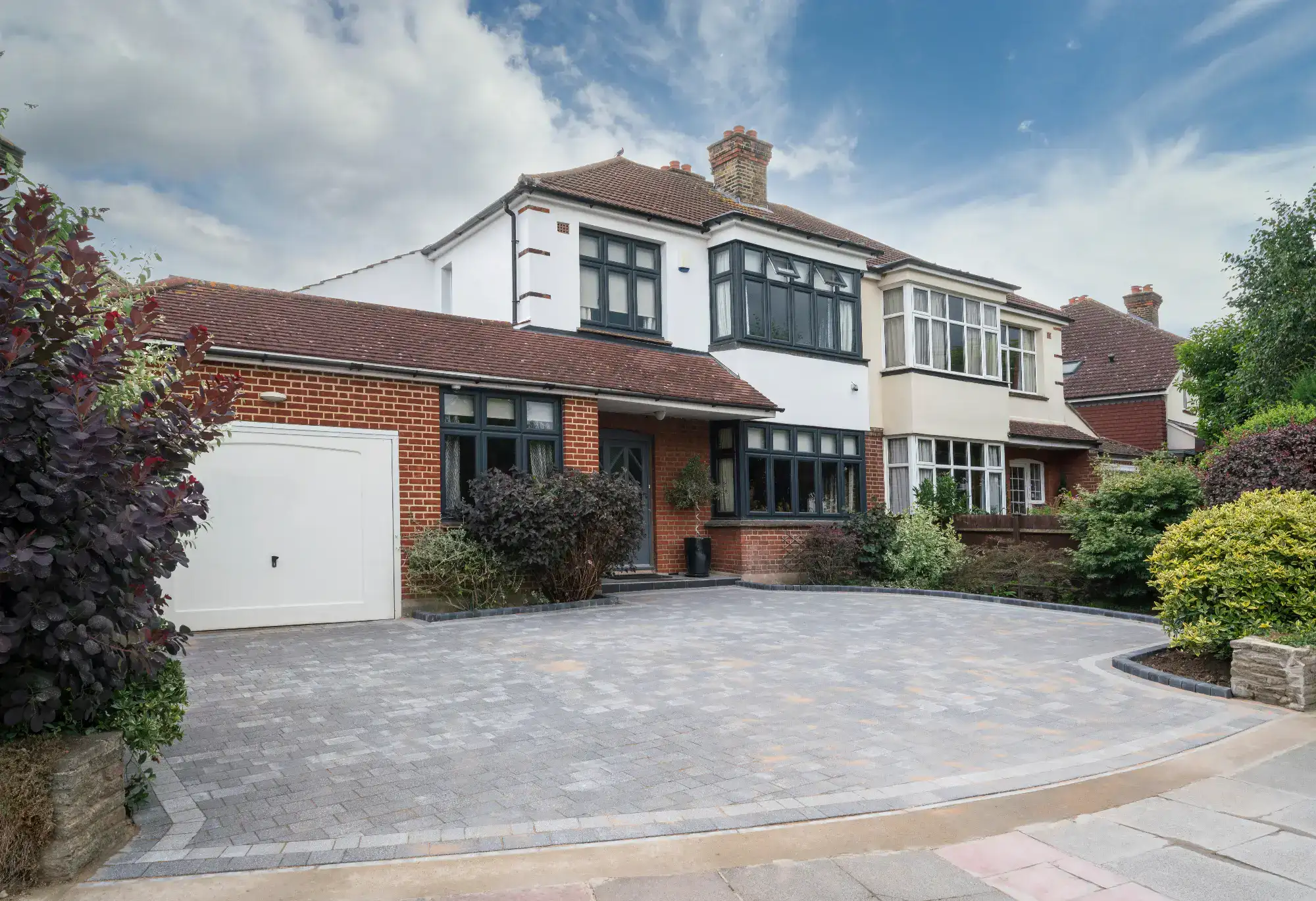
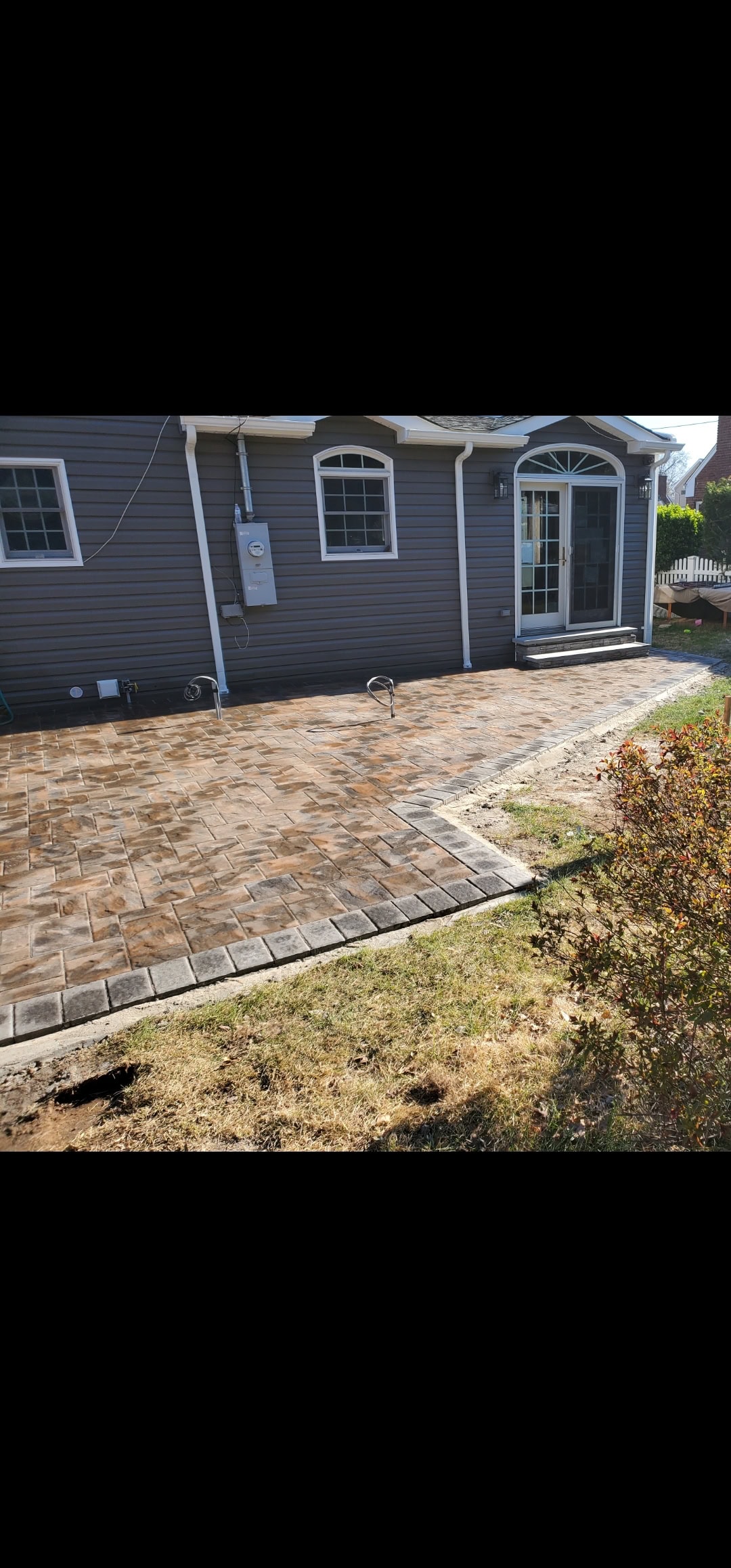
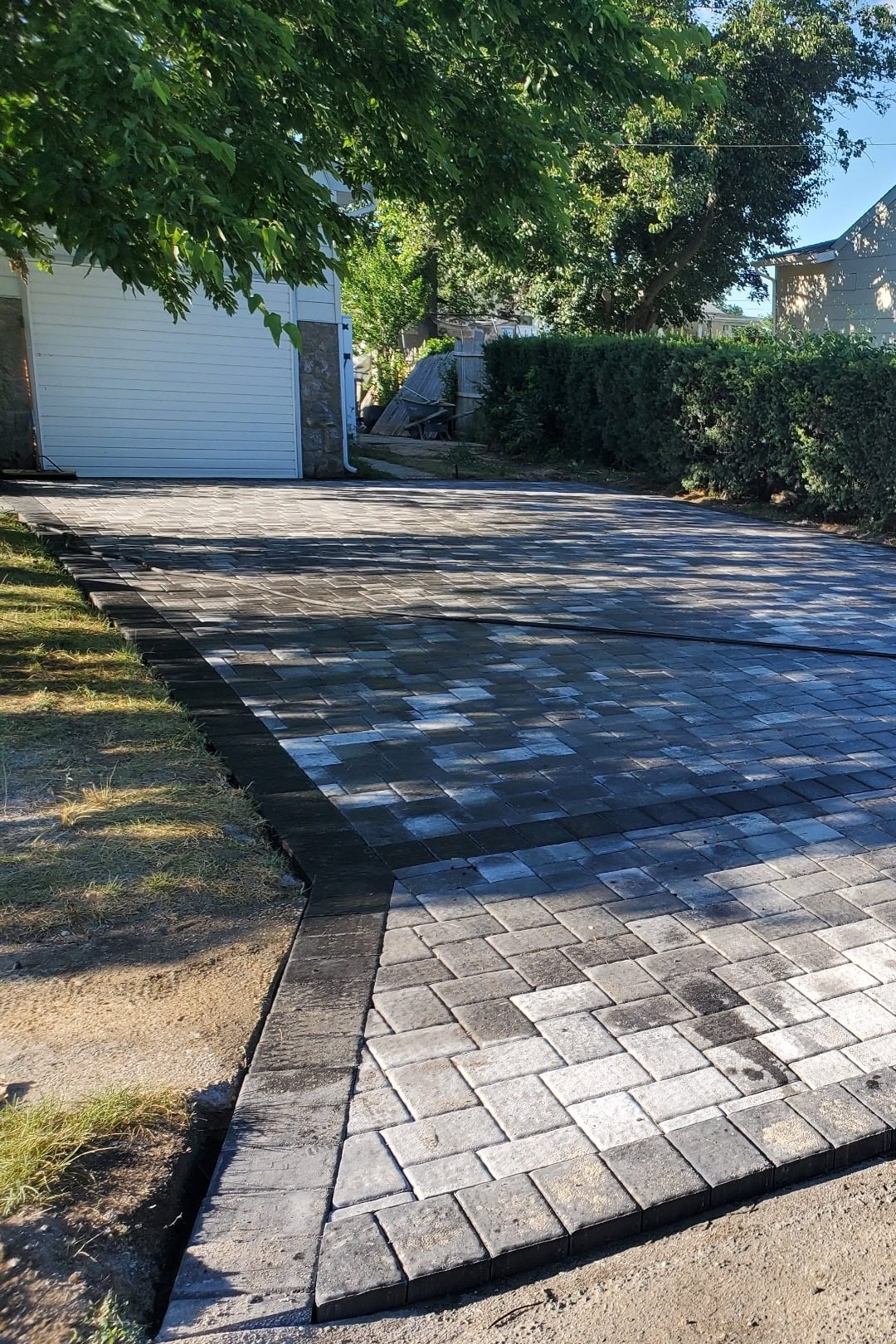
Paver systems handle freeze-thaw cycles better than poured concrete or asphalt. Individual pavers can shift slightly with ground movement without cracking. If one paver does crack or stain, you replace that single unit rather than cutting out and patching large sections. Properly installed paver systems include a compacted gravel base that provides drainage and prevents the heaving that destroys solid surfaces.
Cambridge and similar paver manufacturers design products specifically for northern climates. The concrete used in quality pavers withstands freeze-thaw cycles that would destroy standard concrete. Colors go through the entire paver rather than just a surface coating, so wear doesn’t create faded patches. Textures provide slip resistance that smooth concrete lacks, which matters for safety during wet or icy conditions.
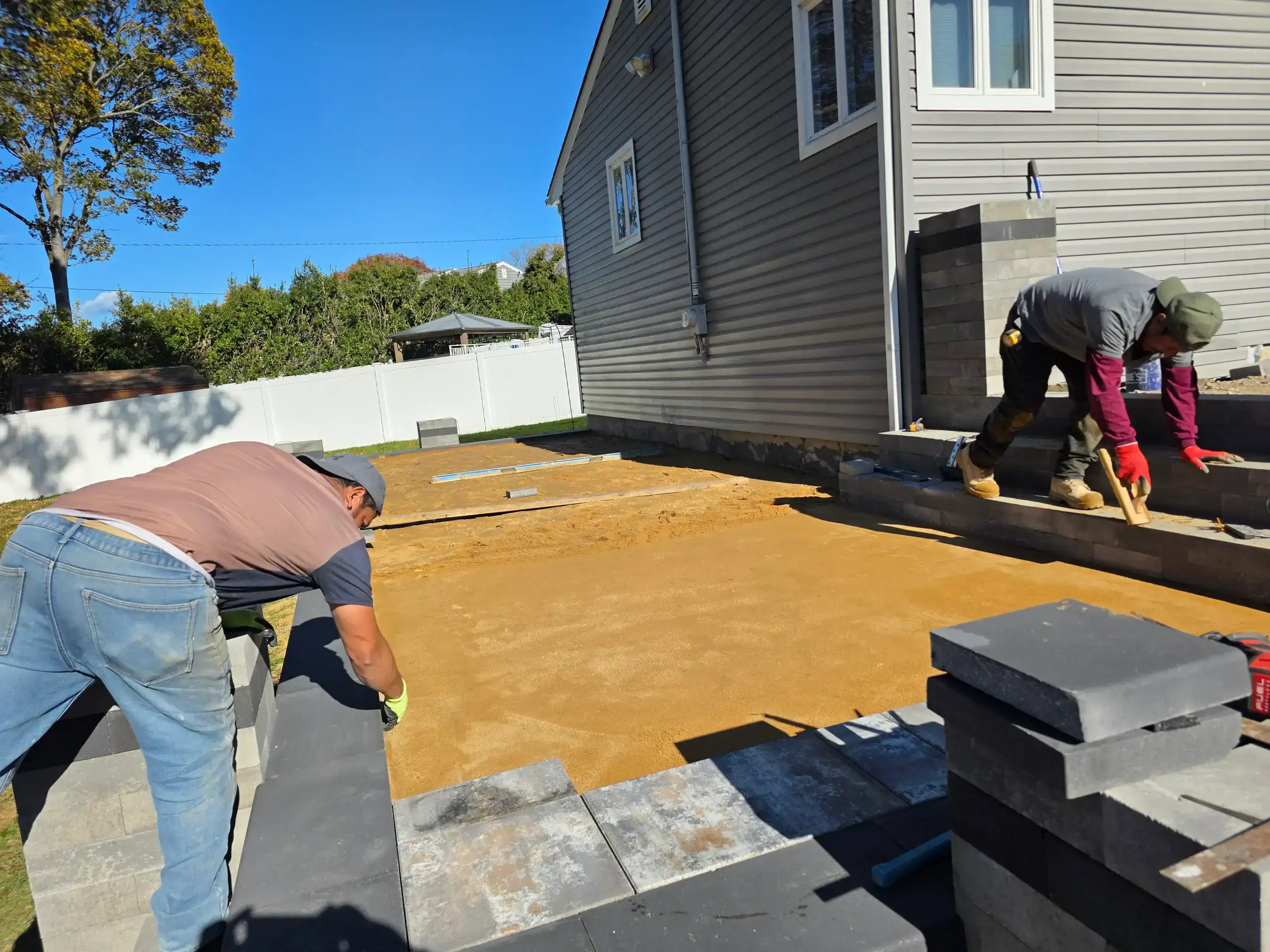
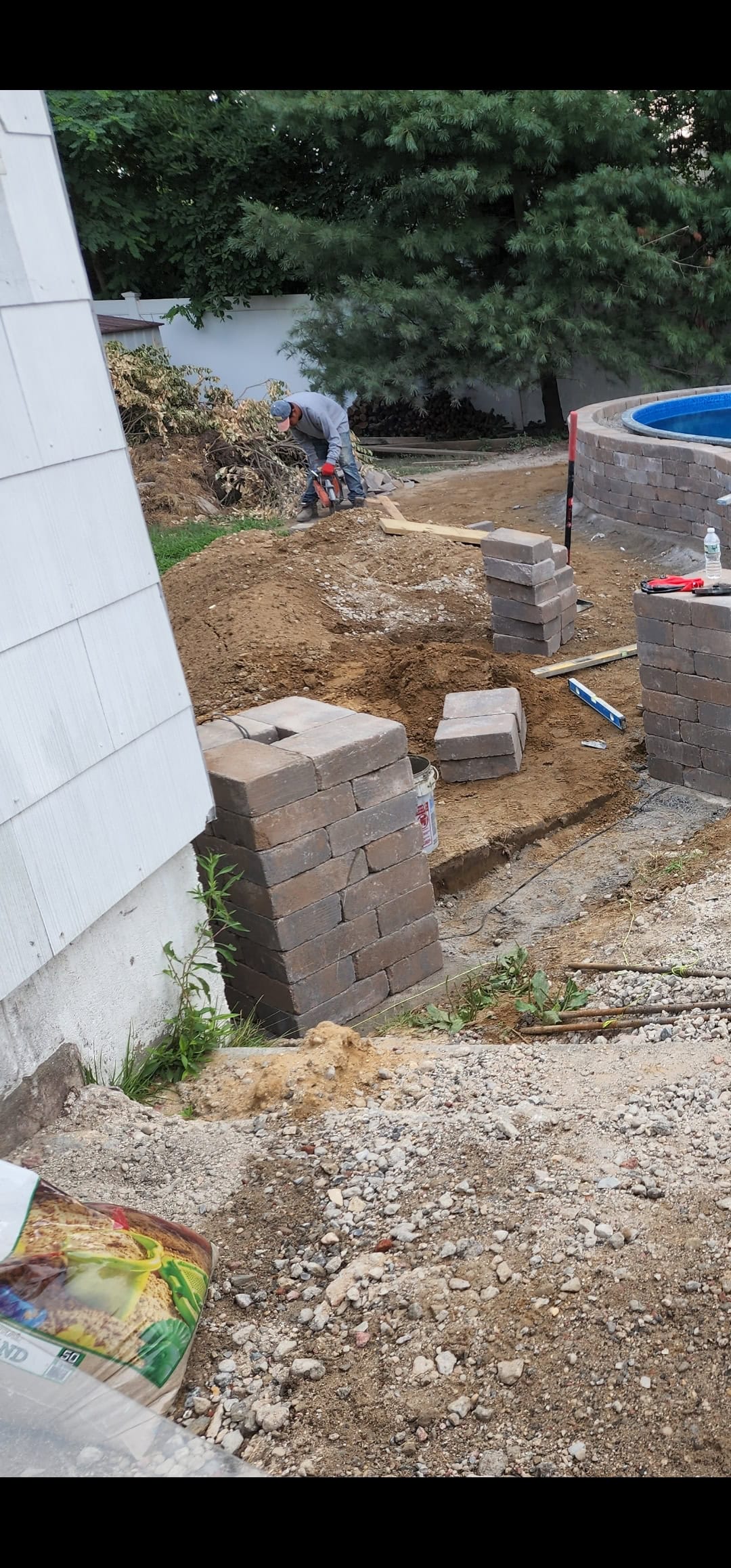
Installation determines whether pavers perform as designed or fail prematurely. The base must be properly compacted—typically six inches of gravel for walkways, more for driveways that support vehicle weight. Edge restraints prevent pavers from shifting outward over time. Sand between pavers allows for drainage while locking units together. Contractors who rush installation or skip steps create problems that show up within a year or two.
Walkway design should account for drainage patterns. Water needs somewhere to go, or it pools and creates ice patches in winter. Proper grading directs water away from your home’s foundation and toward appropriate drainage areas. This prevents the water infiltration that leads to basement moisture and foundation issues.
For pool patios, paver systems offer advantages beyond freeze-thaw resistance. The slight texture provides traction when wet. Individual pavers can be removed if you need to access underground utilities without destroying the entire patio. Color and pattern options let you create designs that complement your home’s exterior and landscaping.
Driveway paving requires heavier-duty materials and thicker bases than walkways. Vehicles create point loads that walking never generates. The base typically needs eight to twelve inches of compacted gravel. Pavers themselves should be thicker—60mm or 80mm rather than the 40mm used for pedestrian areas. Proper installation costs more but prevents the premature failure you see with driveways that weren’t built to handle the weight and stress.
Your home’s exterior does more than create curb appeal. It’s the barrier protecting your biggest investment from coastal weather that tests materials and installation every season.
The right approach combines weather-appropriate materials, proper installation that meets Suffolk County codes, and contractors who understand what actually works in our climate. Fiber cement siding instead of vinyl that becomes brittle. Composite decking instead of wood that rots. Paver systems instead of concrete that cracks.
These choices cost more upfront but deliver better performance and lower lifetime costs. They protect your home from moisture infiltration, structural damage, and the constant maintenance that comes with materials not designed for coastal conditions.
When you’re ready to move forward with exterior renovations, work with professionals who know Farmingville and Coram’s specific challenges. We’ve been handling these projects in Suffolk County since 2000, combining quality materials with installation methods that stand up to everything Long Island weather delivers.
Article details:
Share:
Continue learning: