Custom deck builders are transforming outdoor spaces with recycled materials and sustainable practices. Learn the top five eco-friendly approaches shaping deck construction this year.
Share:
Summary:
Composite decking made from recycled materials has become the go-to choice for homeowners who want durability without the environmental cost. These boards are engineered from reclaimed plastic film and wood fibers that would otherwise end up in landfills. Think milk jugs, grocery bags, and sawdust from lumber mills—all transformed into something that can handle decades of sun, rain, and foot traffic.
We have good reason to recommend these materials for Suffolk County projects. They perform better in coastal climates where moisture and salt air can wreak havoc on traditional wood. No warping, no splintering, and no need for annual staining or sealing. You get a deck that looks natural but behaves like it was built to outlast everything around it.
The manufacturing process behind recycled composite decking is surprisingly straightforward, but the results are anything but ordinary. Manufacturers collect post-consumer plastic waste—things like sandwich bags, dry cleaner film, and bottle wraps—and combine it with reclaimed wood fibers from sawmills. These materials are heated, blended, and extruded into dense, uniform boards that resist the issues wood can’t escape.
What makes this material stand out isn’t just what it’s made from. It’s how it’s engineered. Many composite boards now feature a protective cap layer that shields the core from UV damage, staining, and fading. That cap is often made from recycled polymers too, which means the entire product is built on sustainability from the inside out.
For Suffolk County homeowners, this translates to real-world benefits. Coastal humidity doesn’t cause swelling. Freeze-thaw cycles don’t crack the surface. And because the color runs through the entire board—not just a surface stain—scratches and scuffs are far less noticeable. You’re looking at a deck that can last 25 to 50 years depending on the product line, with almost zero maintenance beyond an occasional wash.
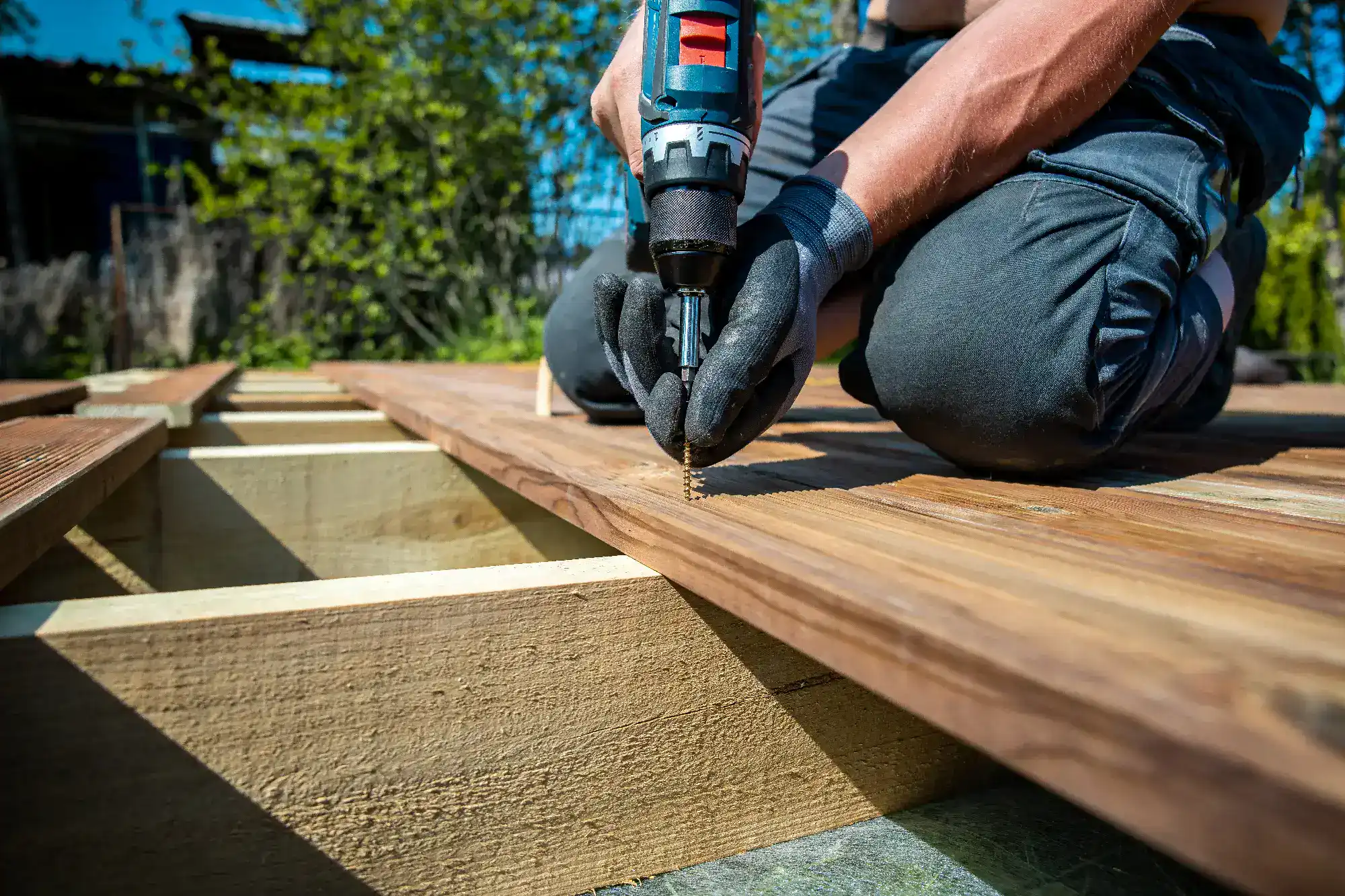
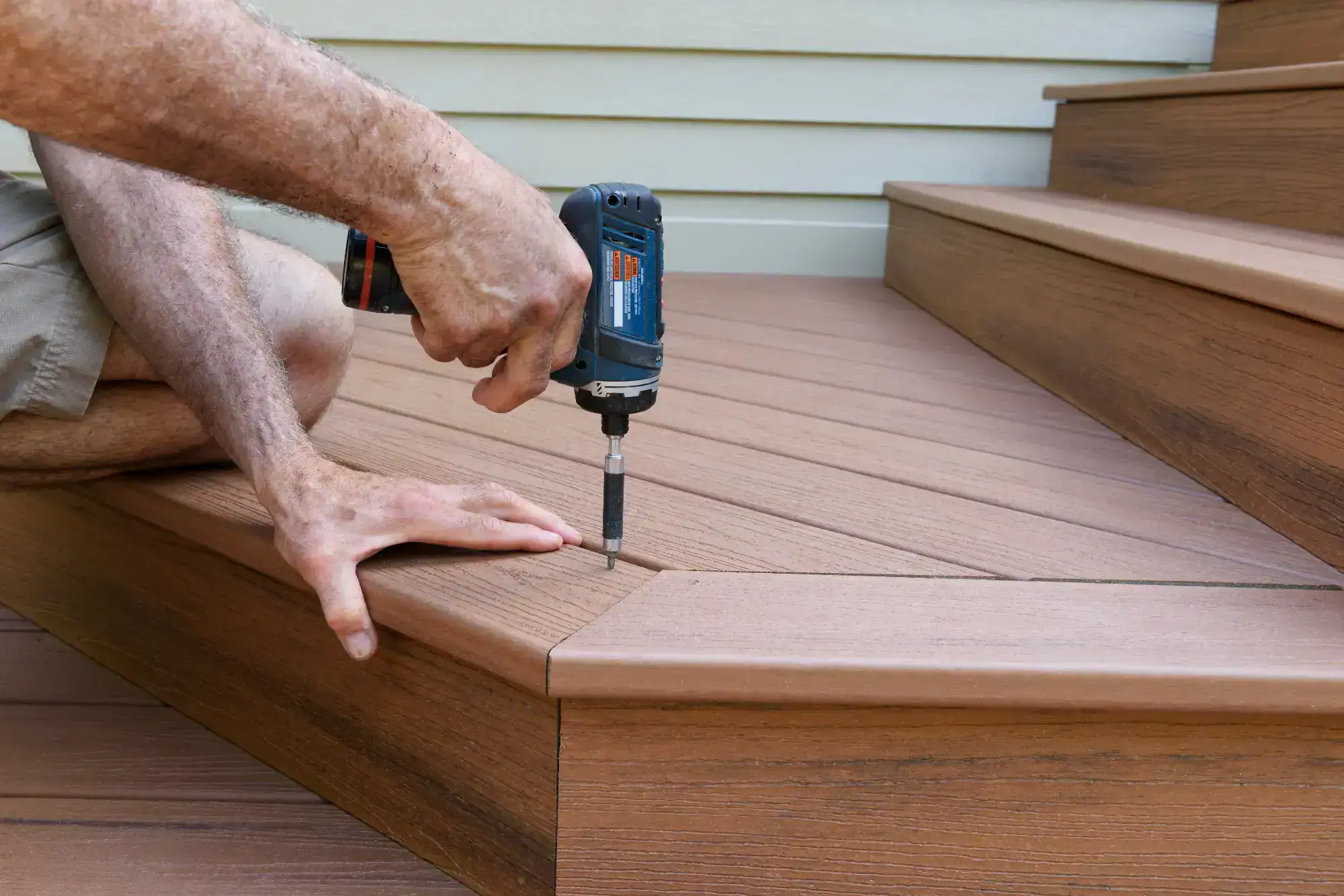
We also appreciate how these materials handle installation. Hidden fasteners work seamlessly with grooved composite boards, creating a clean surface without visible screws. That’s not just about aesthetics—it’s about safety too. No exposed screw heads means no snags, splinters, or sharp edges underfoot.
The environmental impact is hard to ignore. One major manufacturer diverts over a billion pounds of plastic and wood waste from landfills every year. That’s material that would have sat in the ground for centuries, now doing something useful instead. And when the deck eventually reaches the end of its life, many composite products can be recycled again, closing the loop entirely.
Not all composite decking performs the same, and that matters when you’re building in an area with Long Island’s specific weather patterns. You’re dealing with hot, humid summers, freezing winters, and the constant presence of moisture from coastal air. The right material needs to handle all of it without breaking down or losing its appearance.
Capped composite boards are the strongest option for this environment. The protective shell adds an extra layer of defense against moisture penetration, which is critical when you’re near the water. Uncapped composites can absorb water over time, leading to expansion, mold growth, and eventual structural issues. Capped versions prevent that from happening, keeping the core dry and stable no matter what the weather throws at it.
Color choice plays a bigger role than most people realize. Darker shades absorb more heat, which can make the deck uncomfortably hot during summer months. Lighter tones reflect sunlight and stay cooler underfoot, but they may show dirt and pollen more easily. We often recommend mid-range colors that balance heat retention with ease of maintenance, especially for families who use their decks regularly.
Texture is another consideration. Smooth finishes look sleek and modern, but they can become slippery when wet. Embossed or wood-grain textures provide better traction without sacrificing the natural appearance most homeowners want. If your deck will be near a pool or spa, that extra grip becomes even more important for safety.
Brand reputation matters too. Not every manufacturer uses the same percentage of recycled content, and not all warranties are created equal. Some offer 25-year coverage on fading and staining, while premium lines extend that to 50 years. After working with these products for years, we know which ones hold up and which ones fall short after a few seasons.
Installation quality is just as important as the material itself. Even the best composite boards can fail if they’re not installed correctly. Proper spacing, adequate ventilation underneath, and secure fastening all contribute to long-term performance. That’s why working with experienced builders who understand the specific demands of Suffolk County’s climate makes such a difference.
The cost is higher upfront compared to pressure-treated wood, but the math shifts when you factor in maintenance. No staining, no sealing, no sanding, and no replacing rotted boards. Over the life of the deck, you’re likely spending less while getting a product that looks better and lasts longer. That’s the kind of investment that makes sense.
Want live answers?
Connect with a Corsino Construction expert for fast, friendly support.
If you prefer the look and feel of real wood, you don’t have to sacrifice sustainability to get it. Sustainably harvested timber and FSC-certified wood give you the natural beauty of traditional decking without contributing to deforestation or irresponsible logging practices.
FSC certification means the wood comes from forests managed for long-term health, not short-term profit. Trees are replanted, ecosystems are protected, and workers are treated fairly. It’s a system that ensures the wood on your deck didn’t come at the expense of endangered forests or wildlife habitats. We prioritize green building practices and source these materials specifically because they meet higher standards.
The Forest Stewardship Council certification isn’t just a label—it’s a verification process that tracks wood from the forest to your backyard. When you choose FSC-certified lumber, you’re getting material that’s been harvested according to strict environmental and social standards. That includes protecting water quality, preserving biodiversity, and respecting the rights of indigenous communities.
For deck construction, this typically means cedar, redwood, or tropical hardwoods like ipe that come from responsibly managed sources. These woods have natural resistance to rot, insects, and decay, which makes them ideal for outdoor use. But without certification, there’s no way to know if that beautiful hardwood came from an endangered rainforest or a well-managed plantation.
We can source FSC-certified options through major retailers and specialty suppliers in Suffolk County. The availability has improved significantly over the past decade as demand for sustainable materials has grown. You’re no longer limited to a narrow selection or forced to compromise on quality.
The performance of FSC-certified wood matches or exceeds conventionally sourced lumber. Cedar and redwood, for example, contain natural oils that repel moisture and resist insect damage. They age gracefully, developing a silvery patina over time if left untreated, or they can be stained to maintain their original color. Either way, you’re working with a material that’s been proven over centuries.
Maintenance requirements are higher than composite, but that’s part of the trade-off. You’ll need to clean, seal, and occasionally refinish the wood to keep it looking its best. For some homeowners, that hands-on care is part of the appeal. It’s a way to stay connected to the space and ensure it continues to perform well season after season.
Cost varies depending on the species and grade. FSC-certified cedar is generally more affordable than exotic hardwoods like ipe, but both offer excellent durability. We can help you weigh the options based on your budget, aesthetic preferences, and willingness to handle ongoing maintenance.
One often-overlooked benefit of sustainably sourced wood is its lower carbon footprint compared to some synthetic materials. Trees absorb carbon dioxide as they grow, and that carbon remains stored in the wood even after it’s milled and installed. When you choose FSC-certified lumber, you’re supporting forests that continue to sequester carbon and provide habitat for wildlife.
Reclaimed wood takes sustainability a step further by repurposing timber that’s already served one purpose. Old barns, warehouses, and industrial buildings are carefully deconstructed, and the lumber is salvaged, cleaned, and remilled for use in new projects. The result is decking material with character, history, and zero impact on living forests.
The aesthetic appeal of reclaimed wood is hard to match. Each board carries marks from its previous life—nail holes, weathering, color variations—that give the deck a unique, rustic appearance. It’s a look that can’t be replicated with new lumber, and it adds a layer of storytelling to your outdoor space.
From a sustainability standpoint, reclaimed wood checks every box. No trees are cut. No energy is spent on logging, milling, or transporting fresh lumber long distances. You’re taking material that might have been burned or buried and giving it decades more useful life. That’s about as close to zero waste as you can get in construction.
When we work with reclaimed wood, we inspect each piece carefully. Not all salvaged lumber is suitable for decking. Structural integrity is critical, so boards are checked for rot, insect damage, and hidden metal like nails or screws that could interfere with cutting or fastening. The best pieces are selected and processed to meet building codes.
Availability can be a limiting factor. Reclaimed wood is sourced opportunistically, which means you can’t always find exactly what you need in the quantities required for a large deck. Some builders work with specialty suppliers who stockpile reclaimed materials, but even then, the selection may be narrower than what you’d find with new lumber.
The cost is often comparable to or higher than new FSC-certified wood, depending on the species and condition. But for homeowners who value sustainability and one-of-a-kind design, it’s worth the investment. You’re not just building a deck—you’re preserving a piece of history and keeping valuable material out of the waste stream.
Installation is similar to working with new wood, though extra care is needed to avoid hidden fasteners or irregularities in the boards. Our experience with reclaimed materials means we know how to handle these challenges without compromising the final result.
Maintenance follows the same guidelines as any natural wood deck. Regular cleaning, sealing, and occasional refinishing will keep the wood protected and looking its best. The patina that develops over time only adds to the character, making reclaimed wood decks more beautiful as they age.
The shift toward eco-friendly materials in deck construction isn’t a trend—it’s the new standard. We’re proving that sustainability and performance go hand in hand, whether you’re choosing recycled composite boards, sustainably harvested timber, or innovative fastening systems that reduce waste and improve longevity.
For Suffolk County homeowners, these options deliver real benefits: lower maintenance, better weather resistance, and the confidence that your outdoor space was built responsibly. You’re not sacrificing quality or aesthetics to make greener choices. You’re getting both, and that’s what makes this approach worth considering.
If you’re ready to explore what’s possible for your property, Corsino Construction Corp brings over 20 years of experience building high-quality decks that stand the test of time. We understand the local climate, the permitting process, and how to match materials to your specific needs and budget.
Article details:
Share:
Continue learning: