Winter is actually one of the smartest times to renovate in Suffolk County — here's what most homeowners don't realize until it's too late.
Share:

Summary:
There’s a version of this where you wait until spring, call a contractor in April, and find out the earliest available slot is July. It happens to a lot of Suffolk County homeowners every year. The outdoor project rush — driveways, decks, patios — fills up contractor schedules fast, and interior work gets pushed back further than anyone planned.
Winter is quieter. Schedules open up. Permits move faster. And if you’re renovating a kitchen or bathroom, the work is happening inside a heated home anyway. Here’s what the process actually looks like, and why the timing might work better than you’d expect.
A kitchen remodel in Suffolk County typically runs four to six weeks from the day work begins — not counting the planning phase that comes before it. That’s the part most homeowners underestimate. Before a single cabinet comes out, you’re making decisions about layout, materials, cabinetry, countertops, and appliances, and in most cases, pulling a permit through Suffolk County’s building department.
Starting that process in the fall means you’re not scrambling. You have time to make thoughtful choices, get your permit approved, and schedule your project for a January or February start — which means a finished kitchen well before spring. That’s a very different situation than rushing into a decision in March because you finally got a contractor on the phone.

The first step is understanding what you actually want versus what the space can support. Older Suffolk County homes — most of them built in the 1940s through 1970s — weren’t designed around modern kitchen layouts. Moving a sink means touching plumbing. Opening a wall to expand the space may involve electrical or structural work. These aren’t reasons to avoid the project; they’re reasons to work with someone who’s done it in homes like yours before.
Once scope is defined, the next step is a detailed estimate. Not a ballpark — a line-by-line breakdown of labor, materials, and timeline. Kitchen remodeling in Suffolk County typically ranges from $25,000 for basic updates to $60,000 or more for high-end renovations with custom cabinetry and premium appliances, depending on the size of the space and how much of the existing layout you’re keeping. That number should be locked in before work starts, not adjusted after the walls are open.
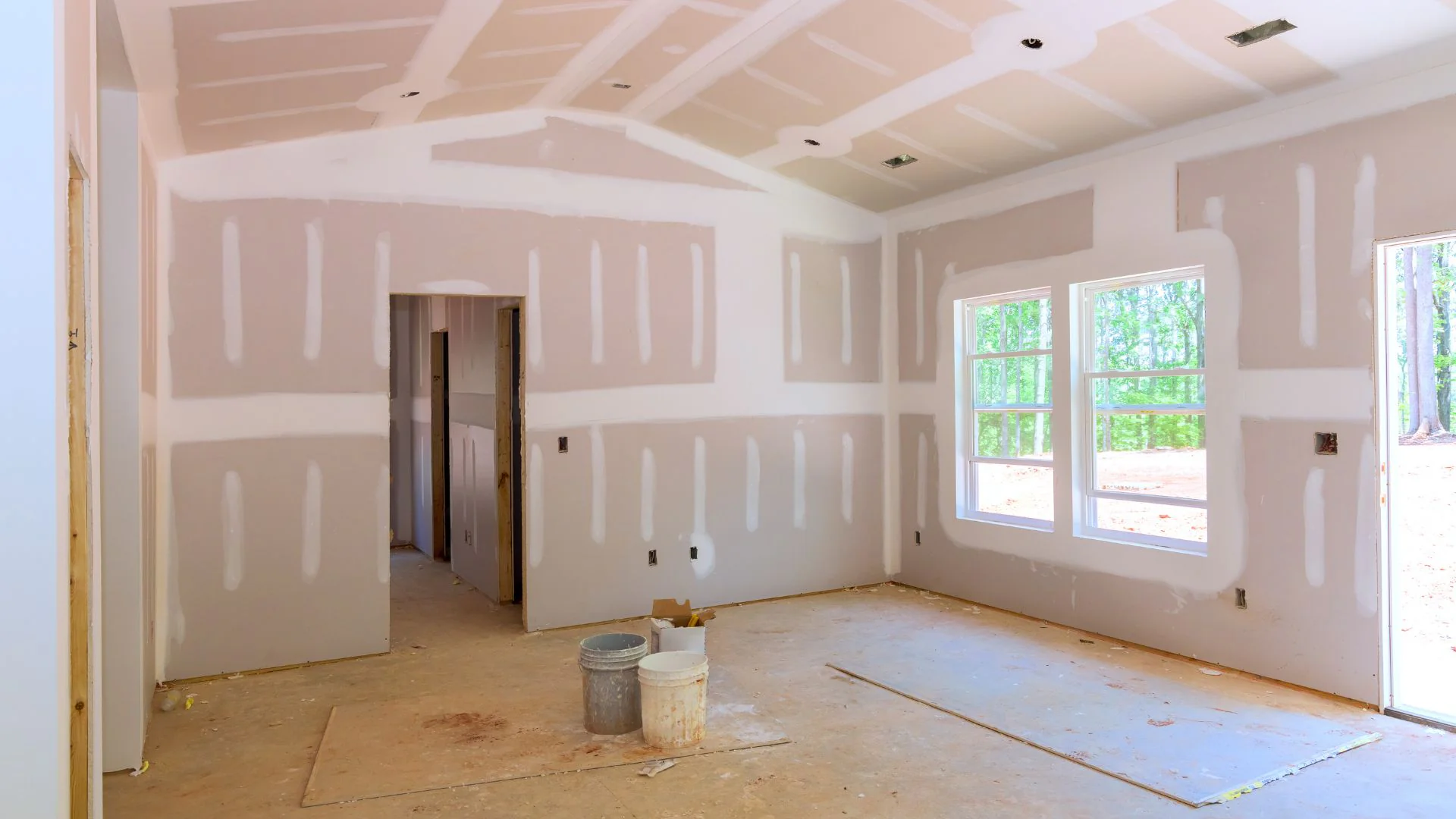
Permit applications for kitchen renovations involving plumbing or electrical work are required in Suffolk County. Winter is genuinely one of the better times to submit — municipal offices are less backed up, and approvals that might take weeks in the spring can come through in days. Once permits are in hand, the project follows a logical sequence: demolition, rough plumbing and electrical, inspections, drywall, cabinetry, countertops, fixtures, and final cleanup. Each phase depends on the one before it, which is why a realistic schedule and a crew that shows up consistently matters more than most homeowners realize until they’re mid-project.
One thing worth knowing: your kitchen doesn’t have to be completely out of commission the entire time. With the right approach to sequencing and job site organization, we can maintain basic functionality through much of the process. That’s not a given with every contractor — it depends on how the work is planned and how the site is managed day to day.
Suffolk County’s housing stock creates a specific set of considerations that don’t apply in newer construction markets. When you’re renovating a kitchen in a home that’s 50 or 60 years old, you’re often uncovering plumbing that hasn’t been touched since the 1950s, electrical systems that predate modern code, and cabinetry that was installed before dishwashers were standard. None of that is a dealbreaker — it’s just the reality of older Long Island homes.
The coastal environment adds another layer. Salt air and humidity accelerate wear on materials in ways that inland markets don’t experience at the same rate. Grout deteriorates faster. Cabinet finishes break down sooner. Fixtures corrode. A kitchen renovation in a Huntington or West Islip home isn’t just an aesthetic upgrade — it’s often overdue maintenance that the house has been signaling for years. Winter, when you’re spending more time indoors and the shortcomings of an aging kitchen are most visible, is actually when that signal is loudest.
From a practical standpoint, winter also means we have more bandwidth. Spring and summer in Suffolk County are dominated by outdoor project demand — paving, patios, decks, exterior work. Contractors who handle both interior and exterior work are stretched thin from April through October. In winter, interior projects get more attention, more consistent scheduling, and a crew that isn’t being pulled in five directions at once. That translates directly into a smoother project and a timeline that holds.
Want live answers?
Connect with a Corsino Construction expert for fast, friendly support.
A bathroom remodel moves faster than most homeowners expect. A single bathroom renovation typically takes two to three weeks, depending on the size of the space and whether you’re making structural or plumbing changes. That’s a short window of inconvenience for a result that improves how you start and end every single day.
The planning phase — choosing tile, fixtures, vanity, and layout — is where most of the time actually goes. Once those decisions are made and materials are ordered, the physical work moves quickly. Start in November and you could realistically have a finished bathroom before the holidays.
Bathroom renovations in older Suffolk County homes follow a familiar pattern. The tile that looked fine for years starts showing its age. The vanity that came with the house has never been right. The grout around the tub has been a losing battle for a decade. These aren’t cosmetic complaints — in a home exposed to Long Island’s coastal humidity, a bathroom that isn’t properly sealed and maintained can become a moisture problem that reaches into the walls.
Planning a bathroom renovation well means starting with a realistic budget and a clear scope. Bathroom remodels in Suffolk County generally run $15,000 to $35,000 depending on size and the extent of the work. That range covers a lot of ground — a straightforward fixture and tile update on the lower end, a full gut renovation with new plumbing rough-in on the higher end. Knowing where your project falls before you start talking to contractors saves a lot of time and avoids the frustration of falling in love with a design that doesn’t fit the budget.
Suffolk County requires permits for bathroom renovations that involve moving plumbing or making electrical changes. It’s not optional, and skipping it creates real problems — unpermitted work can complicate a home sale and may require costly corrections down the line. The permit process is straightforward when you have a contractor who handles it as a standard part of the job rather than an afterthought. Winter applications, again, tend to move faster than spring ones when the queue is shorter.
The other thing worth planning for is how you’ll use the space during construction. If you have a second bathroom, the timeline is manageable. If you’re working with a single bathroom, sequencing matters — a contractor who communicates the daily schedule clearly and works efficiently can minimize the days when the space is genuinely unusable.
This is the concern that stops more Suffolk County homeowners from moving forward than almost anything else. The image of living in a construction zone — dust on every surface, workers coming and going at unpredictable hours, no functional kitchen for weeks — is genuinely off-putting. In winter, when you’re already spending more time at home, it sounds even worse.
The reality depends entirely on how the contractor manages the job site. There’s a significant difference between a crew that treats your home as a work site and one that treats it as someone’s home that happens to have work happening in it. That means protecting furniture and flooring before work begins, containing dust and debris to the active work area, and cleaning up before leaving each evening. Not occasionally — every day. It means your kitchen stays as functional as possible during a kitchen renovation, and your bathroom remains usable during updates wherever the sequencing allows.
It also means a consistent schedule. One of the most common complaints homeowners have about renovation projects isn’t the cost or even the timeline — it’s not knowing what’s happening or when. A crew that shows up when they say they will, communicates when something changes, and doesn’t leave you guessing is a fundamentally different experience than the alternative. That consistency matters more in winter, when you’re home more and the disruption is more present in your daily life.
We’ve been doing this in Suffolk County since 2000. In that time, we’ve worked in homes from Commack to Southold, from West Babylon to the North Fork. We understand what older Long Island homes look like behind the walls, how the coastal environment affects materials and timelines, and what it takes to get through a renovation without making a homeowner regret starting. The work itself is one part of that. How we manage the process is the other.
If you’ve been thinking about a kitchen or bathroom renovation, the fall-to-winter window is genuinely one of the better times to move on it. Schedules are more open, permits move faster, and you’re not competing with every other homeowner who decided to start in April. A bathroom renovation that takes two to three weeks, or a kitchen remodel that runs four to six weeks, can be planned now and finished before winter is over.
The key is starting the conversation early enough to make thoughtful decisions — about scope, materials, budget, and timeline — rather than rushing into something because spring suddenly arrived and you’re behind.
If you’re ready to talk through what a winter renovation would look like for your home, Corsino Construction Corp is based right here in Suffolk County and has been since 2000. Reach out to start the conversation.
Article details:
Share:
Continue learning: