Basement finishing transforms unused space into valuable living areas while boosting your home's value and functionality.
Share:
Summary:
Basement finishing turns your largest unused space into functional living area. Most Suffolk County homes have basements that match their main floor square footage, which means you’re sitting on hundreds of square feet of potential.
This isn’t about creating another storage room. Proper basement finishing creates legitimate living space that serves real purposes. Home offices, entertainment rooms, guest suites, exercise areas, or kids’ playrooms all work well in finished basements.
The key difference between basement finishing and other home remodeling projects is that you’re working with existing space. No foundation work, no roof expansion, no major structural changes to your home’s footprint.
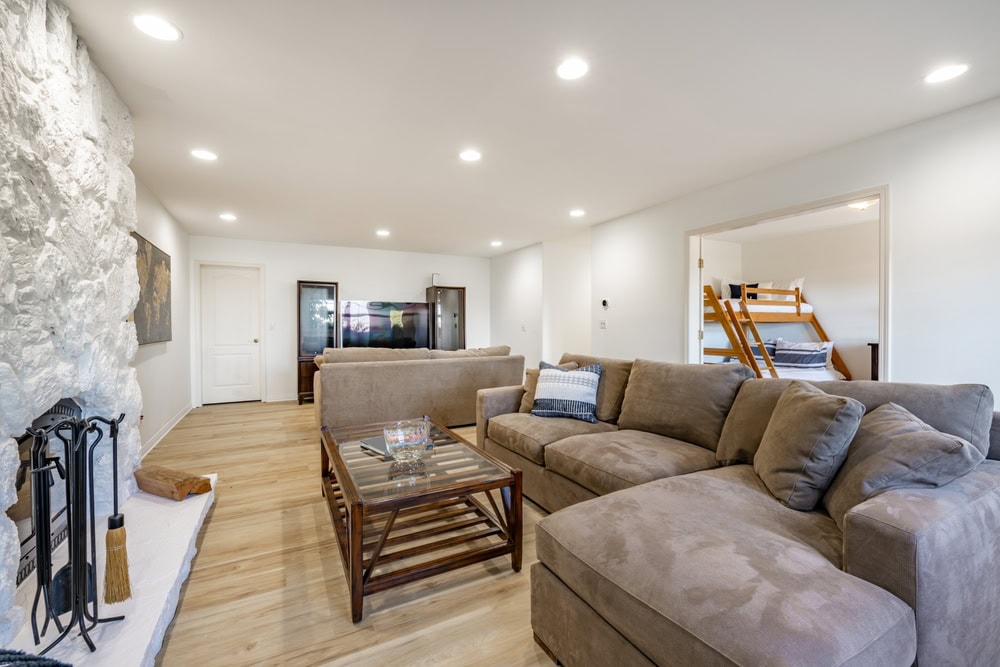
Basement finishing involves several critical steps that transform raw basement space into comfortable, livable areas. The process starts with moisture control, which is non-negotiable in Suffolk County’s climate. This includes proper waterproofing, vapor barriers, and humidity management systems.
Insulation comes next, both for comfort and energy efficiency. Proper insulation keeps your new space comfortable year-round while reducing heating and cooling costs for your entire home. Many homeowners don’t realize that an unfinished basement can be a major source of energy loss.
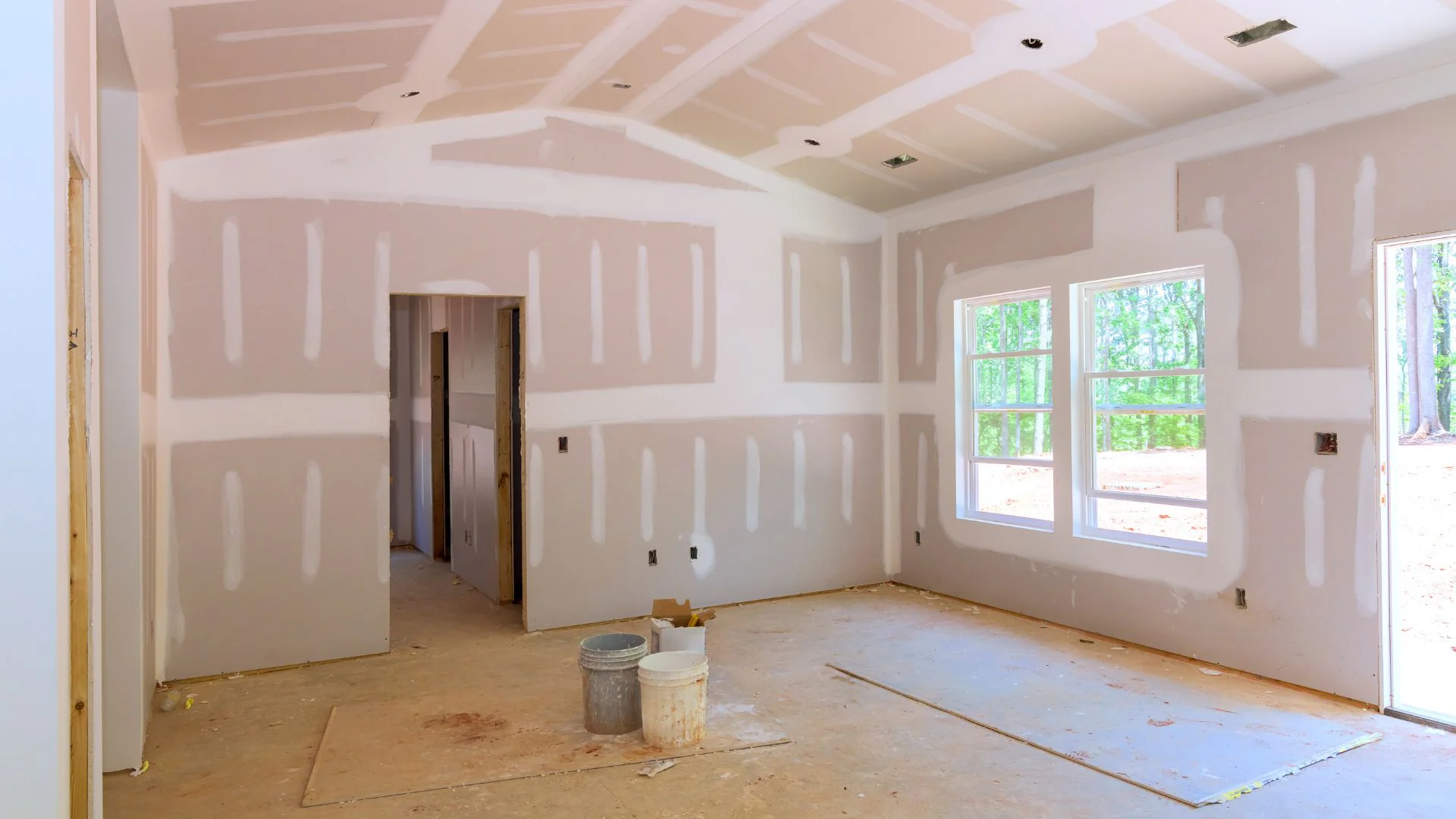
Framing and drywall create the actual rooms and define the space. This is where your basement starts looking like the rest of your home rather than a storage area. Electrical work adds proper lighting, outlets, and potentially separate climate controls for the space.
Flooring options have expanded significantly for basements. Modern moisture-resistant materials like luxury vinyl plank, polished concrete, or engineered hardwood can handle basement conditions while looking great. The days of carpet over concrete are mostly behind us.
Ceiling work addresses the biggest challenge in most basements: low clearance and exposed utilities. Drop ceilings, drywall installation, or creative solutions that work around existing mechanicals all depend on your specific basement layout and local building code requirements.
Basement finishing typically recovers 70-75% of your investment when you sell your home. That’s competitive with other major home remodeling projects like kitchen or bathroom renovations. The exact return depends on your local market, the quality of the work, and how well the finished space meets buyer expectations.
In Suffolk County’s competitive real estate market, finished basements often become deciding factors for buyers choosing between similar homes. Extra living space matters when lot sizes are limited and home additions are expensive or impossible due to setback requirements.
The financial benefit isn’t just about resale value. You’re also getting immediate use of the space, which has real value for your family’s daily life. If finishing your basement means you don’t need to move to a larger home, the financial benefits become even more significant.
Consider the cost per square foot compared to other ways of adding space. Home additions in Suffolk County can cost $150-300 per square foot when you factor in foundation work, roofing, siding, and all the structural requirements. Basement finishing typically runs $50-100 per square foot, depending on the level of finish and features you choose.
Keep in mind that not all basement finishing projects are created equal. High-quality work that addresses moisture control properly and meets local building codes will hold its value better than quick, cheap solutions that create problems down the road.
Want live answers?
Connect with a Corsino Construction expert for fast, friendly support.
Finished basements solve real problems that most families face. They create separation between different activities, reduce noise between floors, and give everyone more space to spread out. This becomes especially valuable when family members work from home or when kids need quiet spaces for homework.
The versatility of basement space is hard to match with other home remodeling projects. Today’s home office can become tomorrow’s guest room or future teenager hangout space. This adaptability makes basement finishing a smart long-term investment in your home’s functionality.
Climate control in finished basements also improves comfort throughout your entire home. Proper insulation and moisture control in the basement reduce drafts, eliminate musty odors, and can lower your overall heating and cooling costs.
Home offices have become one of the most popular uses for finished basements, especially after more people started working remotely. Basements naturally provide quiet, private workspace away from household distractions. With proper lighting and ventilation, they can be more comfortable than trying to work in bedrooms or kitchen nooks.
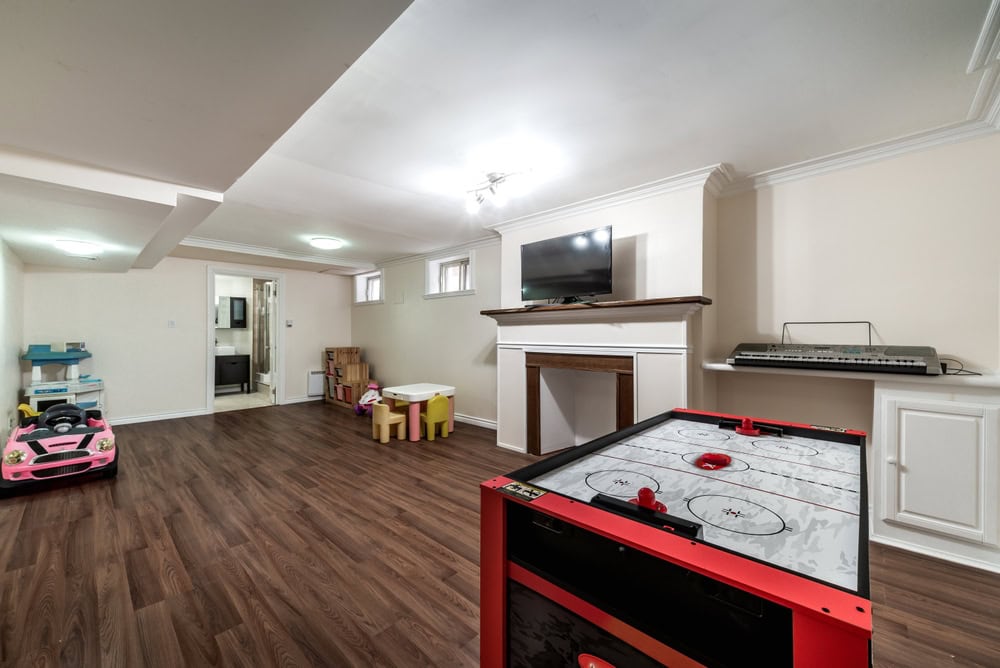
Entertainment spaces work well in basements because sound doesn’t carry as much to the rest of the house. Movie nights, game rooms, or spaces for teenagers to hang out with friends all benefit from the natural separation that basement location provides.
Guest suites require careful planning to meet building codes for habitable space, but they can be incredibly valuable for families who regularly host visitors. Proper egress windows and separate entrances can even create potential rental income opportunities, though you’ll need to research local zoning requirements.
Exercise rooms and hobby spaces take advantage of the basement’s typically open layout and concrete floors. Home gyms, workshops, craft rooms, or music practice spaces all work well in basement environments. The key is planning for proper ventilation and any special electrical or plumbing requirements these uses might need.
Multi-purpose spaces often make the most sense for families whose needs change over time. A playroom for young kids can easily transition to a study area for teenagers or eventually become adult entertainment space. Flexible design choices support these changing needs without requiring major renovations.
Moisture control is the foundation of any successful basement finishing project. Suffolk County’s climate and soil conditions mean that proper waterproofing and vapor barriers are essential, not optional. Cutting corners on moisture control leads to mold, mildew, and expensive repairs that can make your basement unusable.
Modern moisture control systems go beyond simple waterproofing. They include proper drainage, vapor barriers, humidity control, and ventilation systems that keep your finished basement comfortable and healthy. These systems also protect your investment by preventing the moisture-related problems that can destroy finished basement spaces.
Air quality in finished basements depends on proper ventilation and humidity control. Basements naturally tend to be more humid than upper floors, and without proper ventilation, this can lead to air quality problems. Modern HVAC systems can extend to basement spaces, or dedicated ventilation systems can handle the job.
Radon testing and mitigation should be part of any basement finishing project. Suffolk County has areas with elevated radon levels, and finishing a basement without addressing radon concerns can create health risks for your family. Professional radon testing is inexpensive and can identify whether mitigation systems are needed.
The good news is that these moisture and air quality challenges have well-established solutions. We know how to handle Suffolk County’s specific conditions and can design systems that keep your finished basement comfortable and healthy for years to come.
Basement finishing makes sense when you need more space, want to increase your home’s value, and have a basement that can be properly waterproofed and finished. The project works best when you have specific uses in mind and realistic expectations about costs and timelines.
The key is working with home remodeling contractors who understand basement-specific challenges and local building requirements. Proper planning and execution make the difference between a basement that adds real value to your home and one that creates ongoing problems.
If you’re considering basement finishing as part of your home remodeling plans, we can help you evaluate your space and discuss options that make sense for your family’s needs and budget.
Article details:
Share:
Continue learning: