Finding the right general contractor in Suffolk County requires knowing what questions to ask and red flags to avoid.
Share:
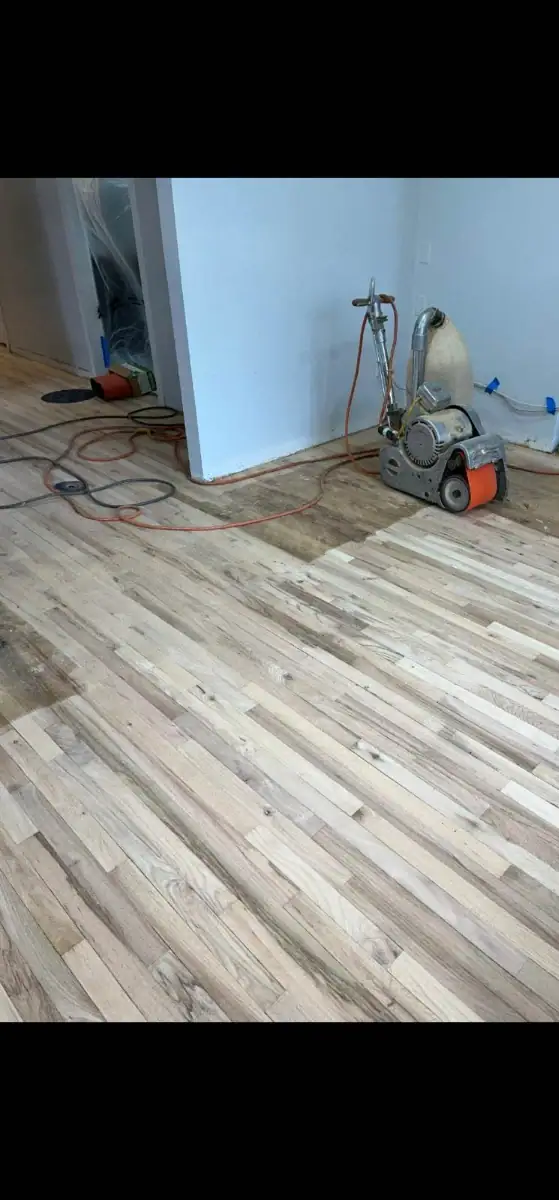
Summary:
Top-rated doesn’t just mean good reviews. Suffolk County requires home improvement contractors to be licensed, but that’s just the starting point. The best general contractors understand Long Island’s coastal challenges and have systems that protect your investment.
Materials must withstand salt air, storms, and temperature fluctuations, requiring contractors who understand coastal conditions rather than learning on your dime. Top-rated contractors specify the right materials upfront and handle Suffolk County’s permit processes efficiently.
We also maintain clear communication throughout your project. While you may be tempted to hire quickly, basic precautions protect you from costly mistakes.
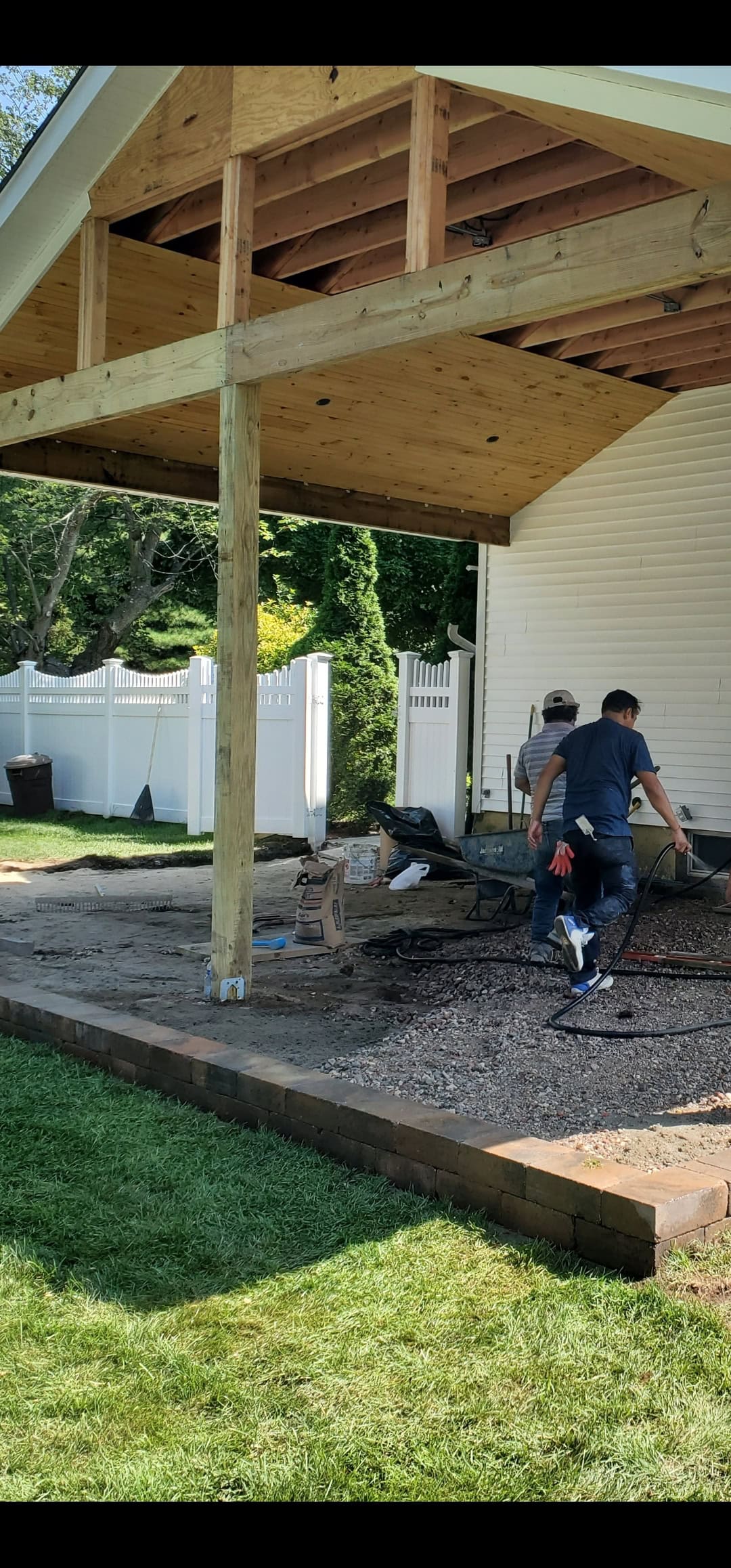
Home improvement contractors must be licensed in Suffolk County, but many homeowners skip verification. This isn’t bureaucratic paperwork – it’s your protection against contractors who disappear mid-project or lack proper training.
Always ask for references and follow up by checking with them. Ask the contractor for proof of insurance. One of the worst-case scenarios happens when there’s an accident and insurance isn’t in place, with countless horror stories of property owners being held responsible for injuries.
Licensed contractors also understand Suffolk County’s specific permit requirements. Ask your contractor if permits are needed for the work and verify with your local building and codes office before beginning. Proper permits protect your home’s value and prevent problems during future sales.
The licensing process requires contractors to demonstrate knowledge of local building codes, safety requirements, and proper insurance coverage. This includes understanding liability risks and the need for certificates of public liability, property damage insurance, and workers’ compensation coverage. Don’t assume every contractor operating in Suffolk County is properly licensed – verify before signing anything.
Suffolk County isn’t like other markets. Your home’s exterior takes a beating from coastal weather, salt air, and Long Island’s temperature swings. Contractors without local experience often learn these lessons on your project, leading to callbacks and warranty issues.
Fiber cement siding outperforms vinyl in salt air environments and resists warping from temperature changes. For roofing, architectural shingles with proper underlayment handle coastal winds better than basic three-tab shingles. Experienced contractors avoid materials that corrode quickly near the ocean.
Local contractors also understand Suffolk County’s permit timelines and inspection processes. The permit process typically takes 1-2 weeks, and contractors factor this into scheduling rather than being surprised by delays. We know which inspectors to expect and what documentation satisfies local requirements.
Your contractor should explain why certain materials work better here and how we’ve adapted our processes for coastal conditions. If we’re suggesting the same materials we use everywhere else, that’s a red flag. The best contractors specify materials based on Long Island’s unique challenges, not just what’s cheapest.
Want live answers?
Connect with a Corsino Construction expert for fast, friendly support.
Be wary of anyone who shows up at your door unsolicited and offers to do home repairs. Natural disasters and major weather events often attract scam artists who try to take advantage of consumers when they’re most vulnerable.
Professional contractors provide written estimates, maintain business addresses, and offer references without hesitation. Never sign documents without reading them carefully, never sign incomplete documents, and always get copies of what you sign.
Ask multiple contractors for price quotes to compare, but remember that dramatically low bids often indicate corners being cut or costs being hidden until later.
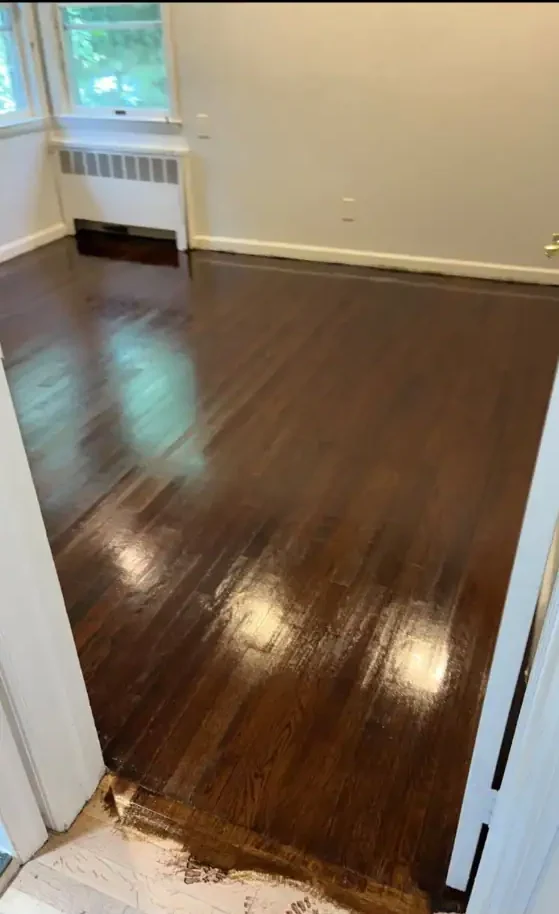
Top-rated general contractors maintain clear communication from estimate to completion. We should explain our process, provide realistic timelines, and keep you updated on progress without you having to chase us down.
New York State law requires written contracts for home improvement work exceeding $500, including contractor contact information, start and completion dates, work descriptions, materials specifications, and agreed-upon pricing. Professional contractors exceed these minimum requirements with detailed project schedules and change order procedures.
We also handle the administrative details that amateur contractors miss. Contractors are required to put deposits in escrow accounts and notify you within five days where funds are held or prove we have bond insurance. This protects your money if problems arise.
Quality contractors maintain clean, organized job sites and respect that you’re living in your home during construction. We coordinate deliveries, manage debris removal, and minimize disruption to your daily routine. Trained crews treat your home respectfully – this isn’t a construction site, it’s where you live.
Communication also extends to handling problems that arise. Every project encounters unexpected issues, but professional contractors explain what happened, present options, and get your approval before proceeding. We don’t just fix problems and bill you later.
Ask multiple contractors for price quotes to compare, but focus on value rather than just price. The lowest bid often means corners being cut or costs being hidden until later in the project.
Professional contractors provide detailed estimates breaking down labor, materials, and other costs. We explain what’s included and what might trigger additional charges. You should know exactly what your renovation costs upfront, with detailed contracts and no surprise charges.
New York State requires written contracts for work exceeding $500, but quality contractors provide comprehensive agreements regardless of project size. These should include specific materials brands and models, not just generic descriptions like “quality fixtures.”
Watch for contractors who demand large upfront payments or want full payment before starting work. Legitimate contractors put deposits in escrow accounts and provide documentation of where your money is held. We understand that payment should align with work completion.
The contract should also specify how changes will be handled. Most projects require some modifications, but these should go through a formal change order process with written approval before work proceeds. This protects both you and us from misunderstandings about scope and cost.
The most important part of any project is selecting the right contractor, with renovations requiring the same levels of professionalism, meticulous planning, and constant communication as new construction. Focus on contractors who demonstrate local expertise, maintain proper licensing and insurance, and communicate clearly throughout the selection process.
Hiring professionals ensures high-quality results tailored to your needs, with experienced contractors bringing technical skills and knowledge of local building codes that DIY projects often lack. The right general contractor becomes your partner in adding value to your Suffolk County home.
When you’re ready to move forward, choose contractors like us at Corsino Construction Corp who understand Suffolk County’s unique requirements and have built our reputation on quality workmanship and transparent communication.
Article details:
Share:
Continue learning: