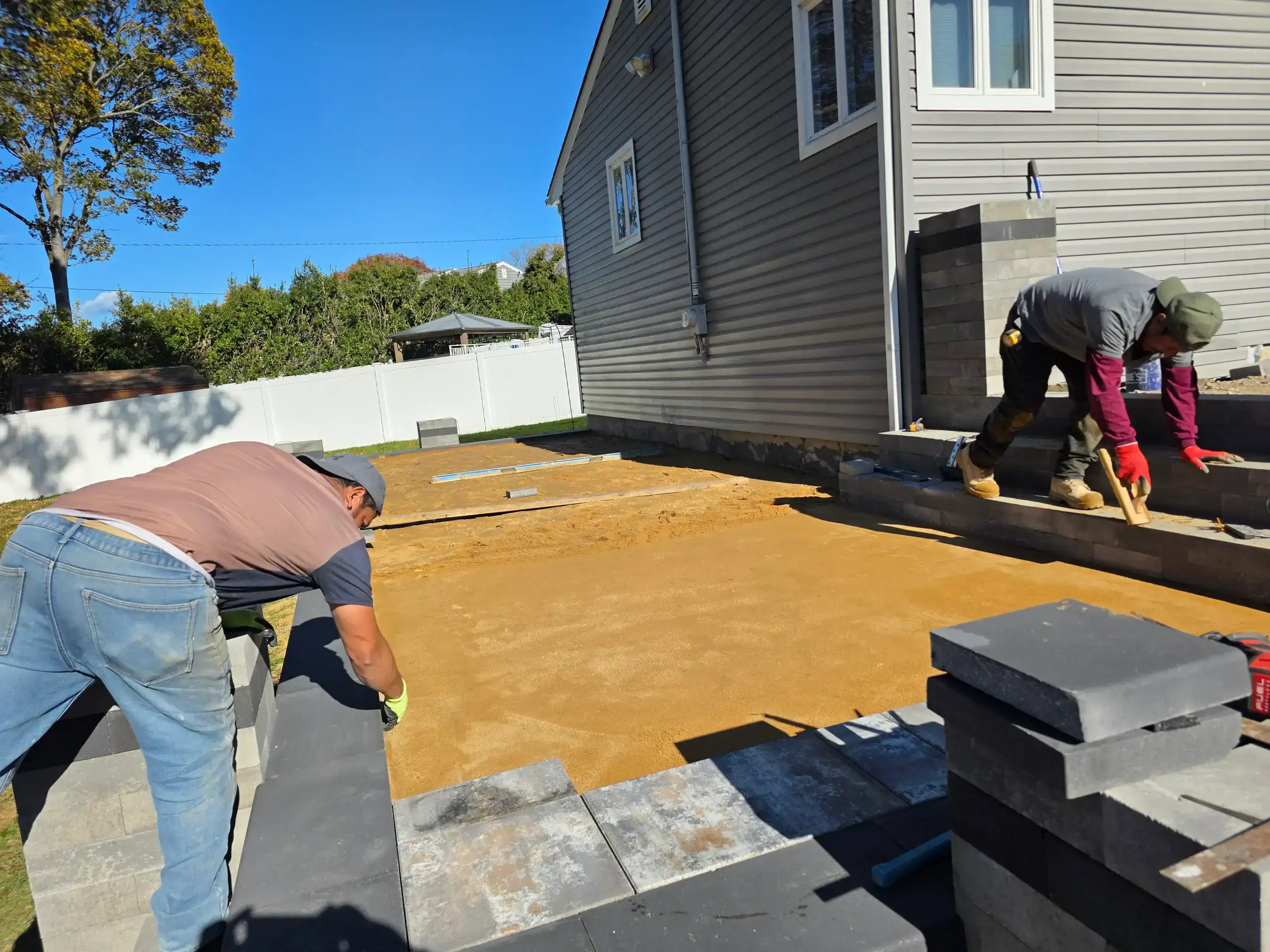
Not sure whether your Suffolk County home project needs a general contractor or a handyman? The answer depends on scope, permits, and licensing—and choosing wrong can cost you.
Share:

Summary:
A general contractor is a licensed professional who manages construction projects from start to finish. We coordinate everything: hiring subcontractors, pulling permits, ordering materials, scheduling inspections, and making sure the work meets local building codes. In Suffolk County, NY, that licensing isn’t optional—it’s required by law for most home improvement work.
General contractors handle the big stuff. Full kitchen renovations, bathroom overhauls, room additions, structural changes—these are the projects that need someone with the credentials and the team to pull it off. We’re not doing all the work ourselves. Instead, we’re managing electricians, plumbers, carpenters, and whoever else the job requires.
You’re not just paying for labor. You’re paying for accountability, insurance, and the expertise to keep a complex project on track without it turning into a disaster.

In Suffolk County, anyone doing home improvement work beyond basic repairs needs to be licensed. That means passing an exam, proving they understand local building codes, and maintaining proper insurance coverage. It’s not just bureaucracy. It’s protection for you.
A licensed general contractor in Suffolk County must carry at least $500,000 in general liability insurance. That coverage kicks in if something goes wrong—property damage, injuries on the job, or mistakes that cause problems down the line. Without it, you could be on the hook financially if an accident happens during your project.
Licensing also means the contractor can pull building permits, which are required for most renovation work. Permits aren’t just paperwork. They trigger inspections that ensure your project is safe, up to code, and won’t cause issues when you try to sell your home later. A handyman can’t pull those permits. A licensed contractor can.
Workers’ compensation is another requirement. If someone gets hurt on your property during the project, that insurance covers their medical bills and lost wages. Without it, you could face a lawsuit. Licensed contractors are required to have it or prove they’re exempt.
The bottom line: licensing and insurance aren’t extras. They’re the foundation of a legitimate, accountable contractor who won’t leave you exposed to risk.
A general contractor’s job starts before the first nail gets hammered. We review your plans, help you understand what’s realistic within your budget, and identify potential issues before they become expensive problems. We’re the ones who know that knocking out a wall might require a steel beam, or that adding a bathroom means dealing with plumbing vents and drainage codes.
Once the project starts, we manage the schedule. That means coordinating subcontractors so the electrician doesn’t show up before the framing is done, or the drywall crew isn’t waiting around because the plumber is running late. We order materials, handle deliveries, and make sure everything arrives when it’s needed—not two weeks early or three days late.
We also handle inspections. In Suffolk County, most renovation work requires inspections at various stages—rough framing, electrical, plumbing, final walkthrough. We schedule those, make sure the work passes, and fix anything that doesn’t. If something fails inspection, we’re the ones responsible for making it right.
Throughout the project, we’re your point of contact. You’re not chasing down five different subcontractors trying to figure out who’s responsible for what. You talk to us, and we handle the rest. That’s project management, and it’s a big part of what you’re paying for.
Quality control is another piece. A good contractor doesn’t just assume the work is being done right—we check. We walk the site regularly, review the work, and catch mistakes before they get buried behind drywall or tile. That attention to detail is what separates a smooth project from one that needs expensive fixes later.
Want live answers?
Connect with a Corsino Construction expert for fast, friendly support.
A handyman is someone who handles smaller repairs and maintenance tasks around your home. Think fixing a leaky faucet, patching drywall, replacing a door, or installing a ceiling fan. These are jobs that don’t require permits, don’t involve structural changes, and can usually be done in a few hours or a day.
Handymen are generalists. They know a little about a lot of trades, which makes them useful for the kind of work that doesn’t justify bringing in a licensed contractor. They’re typically less expensive, more flexible with scheduling, and a good fit for straightforward tasks that don’t require specialized expertise.
But there are limits. In New York, handymen aren’t licensed the same way contractors are, and they can’t pull permits or do work that requires one. If your project involves electrical work beyond swapping out a light fixture, plumbing beyond a faucet replacement, or anything structural, you’re outside handyman territory.

If you’ve got a list of small repairs piling up—a loose cabinet hinge, a door that sticks, a patch of peeling paint—a handyman is your best bet. These are jobs that don’t require permits, don’t involve major systems like electrical or plumbing, and don’t change the structure of your home.
Handymen are also a good option when you need something done quickly without the overhead of a full contracting team. They work alone or with one helper, so scheduling is usually easier. You’re not coordinating multiple trades or waiting weeks for an opening in a contractor’s schedule.
Cost is another factor. Handymen typically charge by the hour, often somewhere between $50 and $100 depending on the work and their experience. For small jobs, that’s a lot more affordable than bringing in a contractor who has higher overhead and a team to manage.
But here’s the key: the work has to be simple and permit-free. If you’re not sure whether your project needs a permit, check with your local building department. In Suffolk County, even some seemingly minor projects can trigger permit requirements, and if a permit is needed, a handyman can’t legally do the work.
Another thing to consider: insurance. Not all handymen carry liability insurance, and if something goes wrong—property damage, an injury, faulty work—you could be left dealing with the fallout. Before you hire anyone, ask about insurance and make sure they’re covered.
It’s tempting to save money by hiring a handyman for a project that really needs a contractor. Maybe you figure the work isn’t that complicated, or you trust the person to handle it even without a license. But that decision can backfire in ways that cost you a lot more than you saved.
First, there’s the permit issue. If your project requires a permit and you skip it, you’re violating local building codes. That can lead to fines, stop-work orders, or problems when you try to sell your home. Buyers’ inspectors will flag unpermitted work, and you’ll either have to fix it, get it permitted retroactively (which isn’t always possible), or negotiate a lower sale price.
Then there’s the insurance problem. If a handyman doesn’t have liability insurance and something goes wrong—say, a water line gets damaged and floods your basement—you’re paying for the repairs out of pocket. Same goes for injuries. If someone gets hurt on your property during the project and they’re not covered by workers’ comp, you could be facing a lawsuit.
Quality is another concern. Handymen aren’t licensed, which means they haven’t been tested on building codes, safety standards, or best practices. That doesn’t mean they’re all unqualified—plenty of handymen do solid work—but it does mean there’s no official vetting process. You’re relying entirely on their word, their reputation, and your own judgment.
Finally, there’s accountability. Licensed contractors are regulated by the state and can lose their license if they do shoddy work or violate codes. Handymen don’t have that same level of oversight. If the work isn’t done right, your options for recourse are limited.
If your project involves anything structural, anything that requires a permit, or anything that touches major systems like electrical or plumbing, don’t cut corners. Hire a licensed contractor.
The decision between a general contractor and a handyman comes down to scope, permits, and risk. Small repairs and maintenance tasks that don’t require permits? A handyman is a smart, cost-effective choice. Major renovations, structural changes, or anything that involves electrical, plumbing, or building permits? You need a licensed general contractor.
In Suffolk County, the licensing and permit requirements aren’t suggestions—they’re the law. Skipping them might save you money upfront, but it can lead to fines, failed inspections, insurance gaps, and headaches when you try to sell your home. A licensed contractor handles all of that for you, and our insurance protects you if something goes wrong.
If you’re planning a renovation and want to make sure it’s done right, we’ve been handling home improvement projects in Suffolk County since 2000. Licensed, insured, and experienced with everything from kitchens and bathrooms to patios and driveways, we manage projects with in-house professionals—no subcontractors—so you get consistent quality and direct accountability from start to finish.
Article details:
Share:
Continue learning: