Your driveway is the first thing people see. Learn how professional paving transforms curb appeal, increases property value, and why Suffolk County homeowners are investing in quality outdoor upgrades.
Share:
Summary:
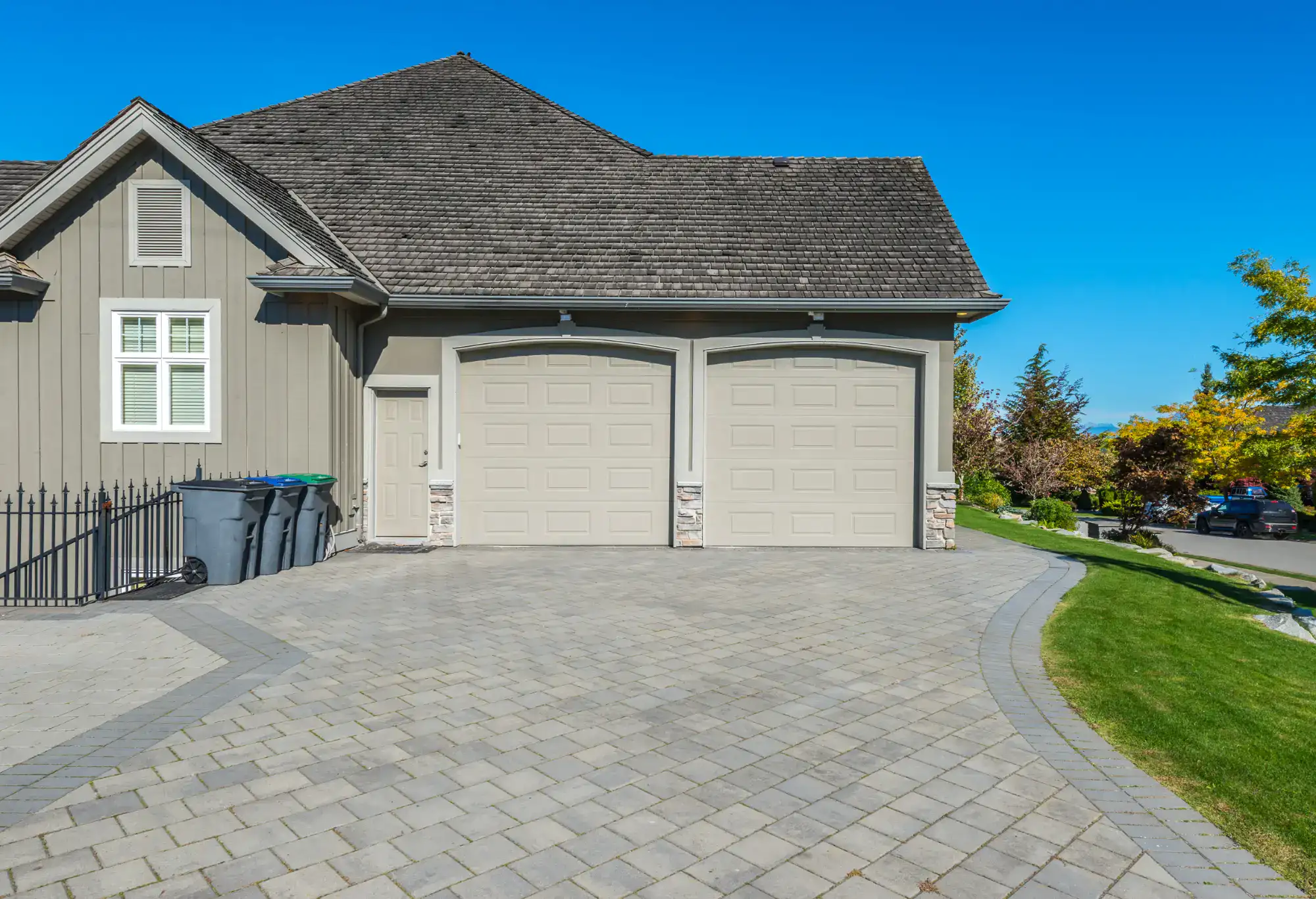
Your driveway handles more than just vehicle traffic. It’s the first impression, the welcome mat, the thing every visitor sees before they even knock on your door. And regardless of if you’re planning to sell next year or stay for decades, that impression matters more than most people realize.
Studies show curb appeal can add 5-10% to your home’s value. That’s not marketing speak—that’s what buyers actually pay when comparing similar homes in Suffolk County. A well-maintained driveway signals that the rest of the property received the same level of care. A cracked, weedy, sunken driveway? It raises questions about what else might be wrong.
But the impact goes beyond resale value. You live with this space every single day. There’s real value in pulling into a driveway that looks intentional, that doesn’t make you cringe, that you’d want to show people.
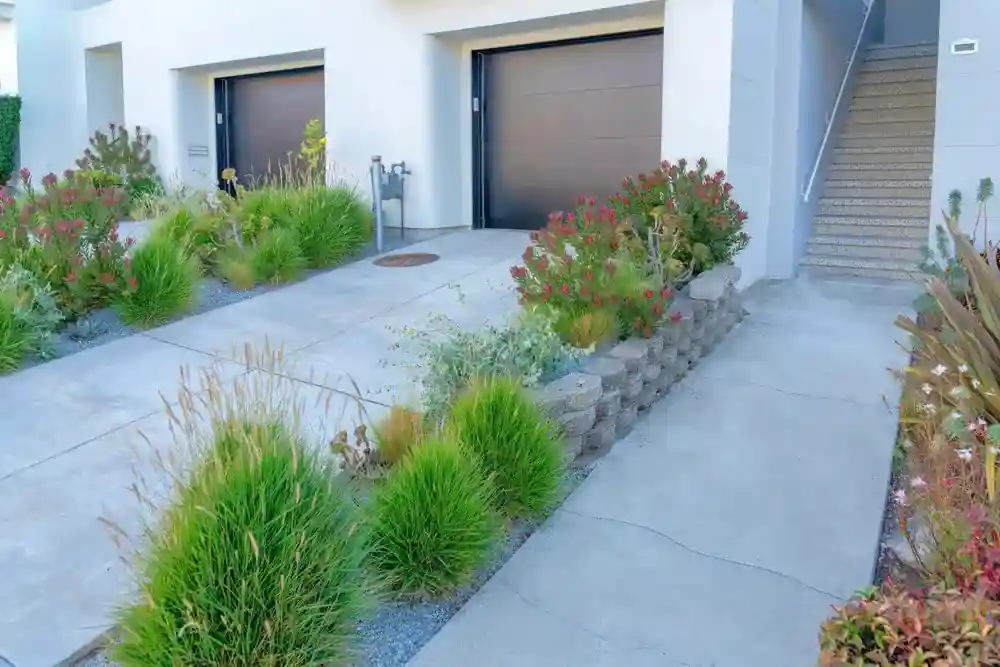
The numbers tell a clear story. Driveway improvements can boost home value by $5,000 to $20,000, with quality installations delivering a 50-75% return on investment at resale. That’s significantly higher than many interior renovations that homeowners prioritize first.
Here’s why the ROI stays strong. When buyers tour homes, they’re making snap judgments within seconds of arrival. A smooth, well-maintained driveway removes a negotiation point before they even step inside. Nobody’s asking for a $3,000 credit at closing to fix the driveway because there’s nothing to fix.
The inverse is equally true. Properties with neglected driveways sit on the market longer and sell for less. Buyers see deferred maintenance and adjust their offers accordingly. Even if your interior is immaculate, that cracked driveway plants doubt about how well the home was really cared for.
Location matters too. In Suffolk County neighborhoods where paved driveways are standard, not having one—or having one in poor condition—creates a noticeable gap. You’re not just competing with the house next door. You’re competing with every comparable listing in your area, and buyers notice which properties require immediate work.
The timing of your investment matters. Paving right before listing maximizes curb appeal when it counts most. But waiting until you’re ready to sell means you never got to enjoy the improvement yourself. There’s something to be said for making the investment now, living with the benefits, and still capturing most of that value when you eventually do sell.
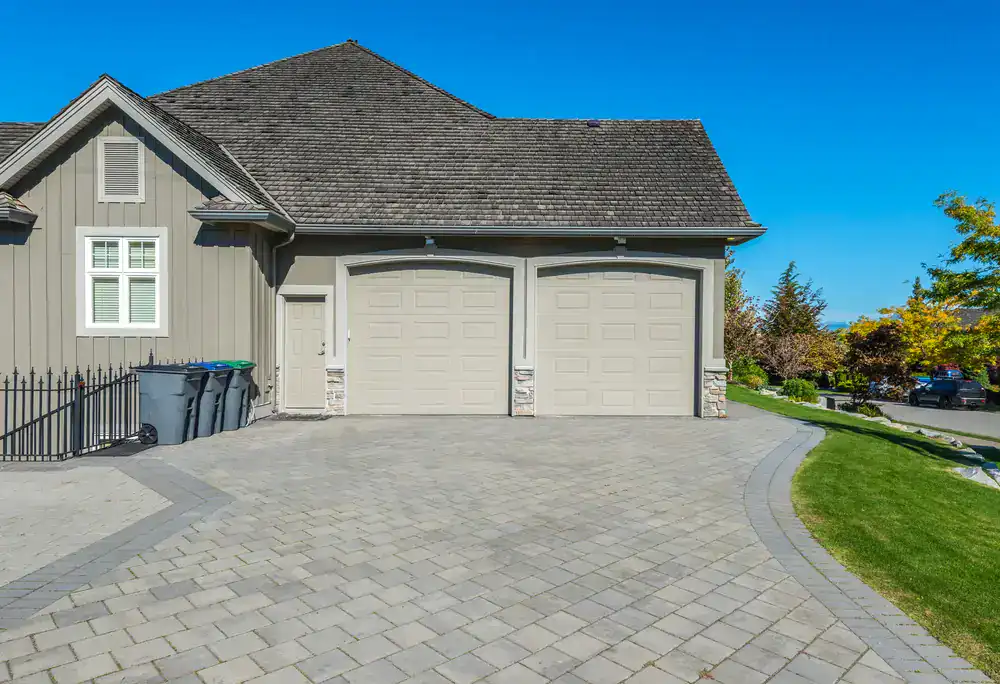
Material choices affect both cost and return. Asphalt remains popular in Suffolk County because it handles freeze-thaw cycles well and costs $5-8 per square foot installed. Concrete runs higher but lasts longer. Pavers offer the most design flexibility and can last 30-50 years with minimal maintenance. Each option serves different priorities around budget, aesthetics, and longevity.
The key is understanding that this isn’t just about the driveway itself. It’s about what the driveway represents—a well-maintained property, attention to detail, a home that’s been cared for properly. Buyers pay for that reassurance.
Not every crack means you need a complete replacement, but some warning signs indicate that patching won’t solve the underlying problem. Understanding the difference saves you from throwing money at temporary fixes that fail within a year.
Alligator cracking—those interconnected cracks that look like reptile skin—signals that the base has failed. Water has infiltrated beneath the surface, weakening the foundation. You can fill these cracks, but they’ll return because the structural issue remains. This pattern typically requires removing the damaged section and rebuilding with a proper base.
Drainage problems show up as persistent puddles that remain long after rain stops. If water pools in the same spots repeatedly, it’s eroding the base material and will eventually cause more extensive damage. Poor drainage doesn’t fix itself. It requires regrading or installing proper drainage solutions during repaving.
Edge deterioration happens when the sides of your driveway crumble or sink. This usually means the base wasn’t extended far enough during installation, or erosion has undermined the edges. Vehicles driving near the edges accelerate this damage. Proper repair involves extending and reinforcing the base, not just adding more asphalt to the edges.
Widespread fading and surface deterioration indicate the asphalt has oxidized beyond what sealcoating can address. The binders that keep asphalt flexible have broken down, leaving a brittle surface prone to cracking. At this stage, the material has reached the end of its useful life.
Settling and depression create low spots that collect water and ice. If sections of your driveway have sunk noticeably, the soil beneath has shifted or compacted unevenly. This often happens with poor initial compaction or clay soils that expand and contract with moisture changes. Surface patching won’t fix subsurface settling.
Tree root damage appears as heaving or cracking where roots push up from below. As roots grow and spread, they apply constant pressure that asphalt can’t withstand long-term. Addressing this requires dealing with the roots and rebuilding the affected section with proper barriers.
The age factor matters too. Asphalt driveways typically last 15-20 years with proper maintenance. If yours is approaching or past that age and showing multiple issues, replacement often makes more sense than repeated repairs. You’re not just fixing today’s problems—you’re preventing next year’s.
Pay attention to what’s happening beneath the surface. Cracks aren’t just cosmetic. They’re entry points for water, which causes the real damage through freeze-thaw cycles. Once water penetrates the base, deterioration accelerates rapidly. What looks like a minor crack in spring can become a pothole by winter.
Want live answers?
Connect with a Corsino Construction expert for fast, friendly support.
A quality driveway often serves as the foundation for larger outdoor improvements. Once you’re addressing the entrance, many Suffolk County homeowners realize it’s the right time to think about walkways, patios, and outdoor living spaces that connect everything together.
The logic makes sense. You’ve already got equipment on site, the ground is being prepared, and extending the project often costs less than doing separate jobs later. More importantly, planning these elements together guarantees they complement each other in material, color, and design rather than looking like disconnected additions from different decades.
Outdoor living spaces have become increasingly valuable in Suffolk County. Homeowners want functional areas for entertaining, relaxing, and extending their living space beyond four walls. A well-designed patio, deck, or pool area doesn’t just look good—it changes how you use your property.
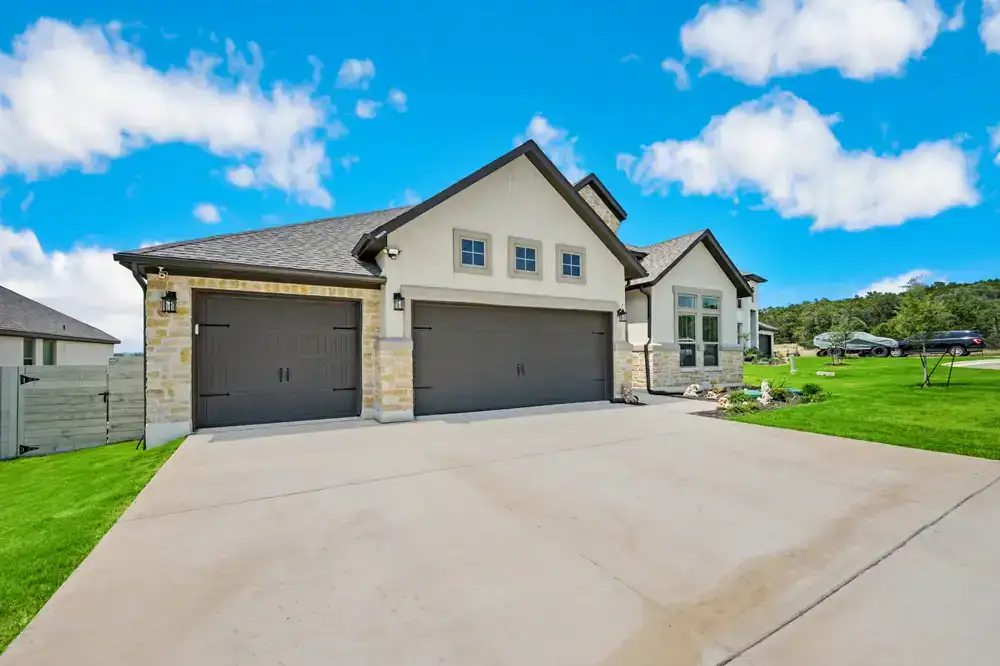
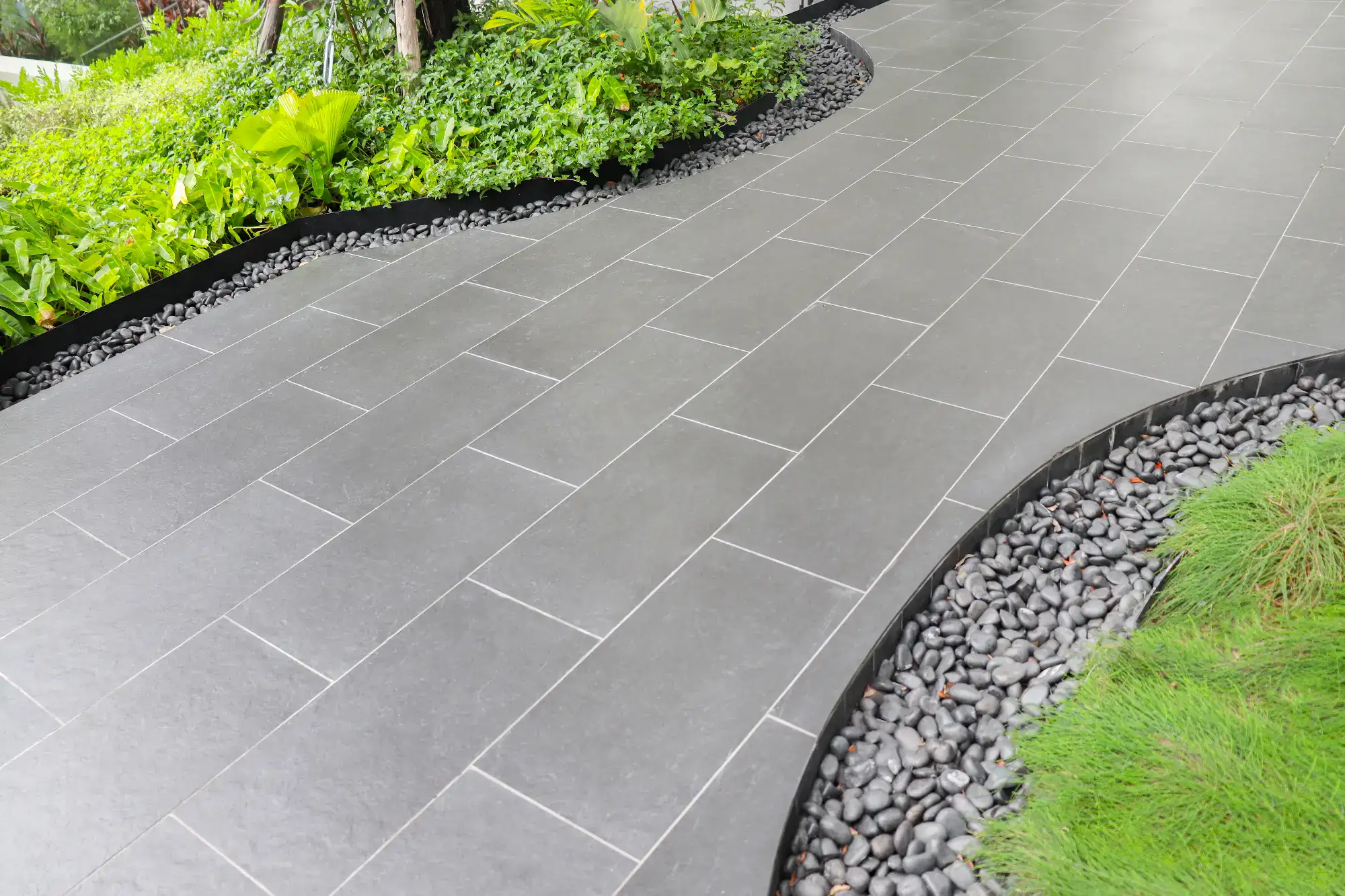
Walkways serve a practical purpose—getting from point A to point B without trekking through grass or mud. But they also create visual flow, guide visitors, and tie different areas of your property together. The best walkways accomplish both functions without looking like an afterthought.
Material consistency matters more than most people realize. If your driveway uses a particular paver or stone, carrying that same material into walkways creates cohesion. You can introduce accent borders or different patterns, but the base material should relate to what you’ve already established. This doesn’t mean everything matches exactly—it means everything belongs together.
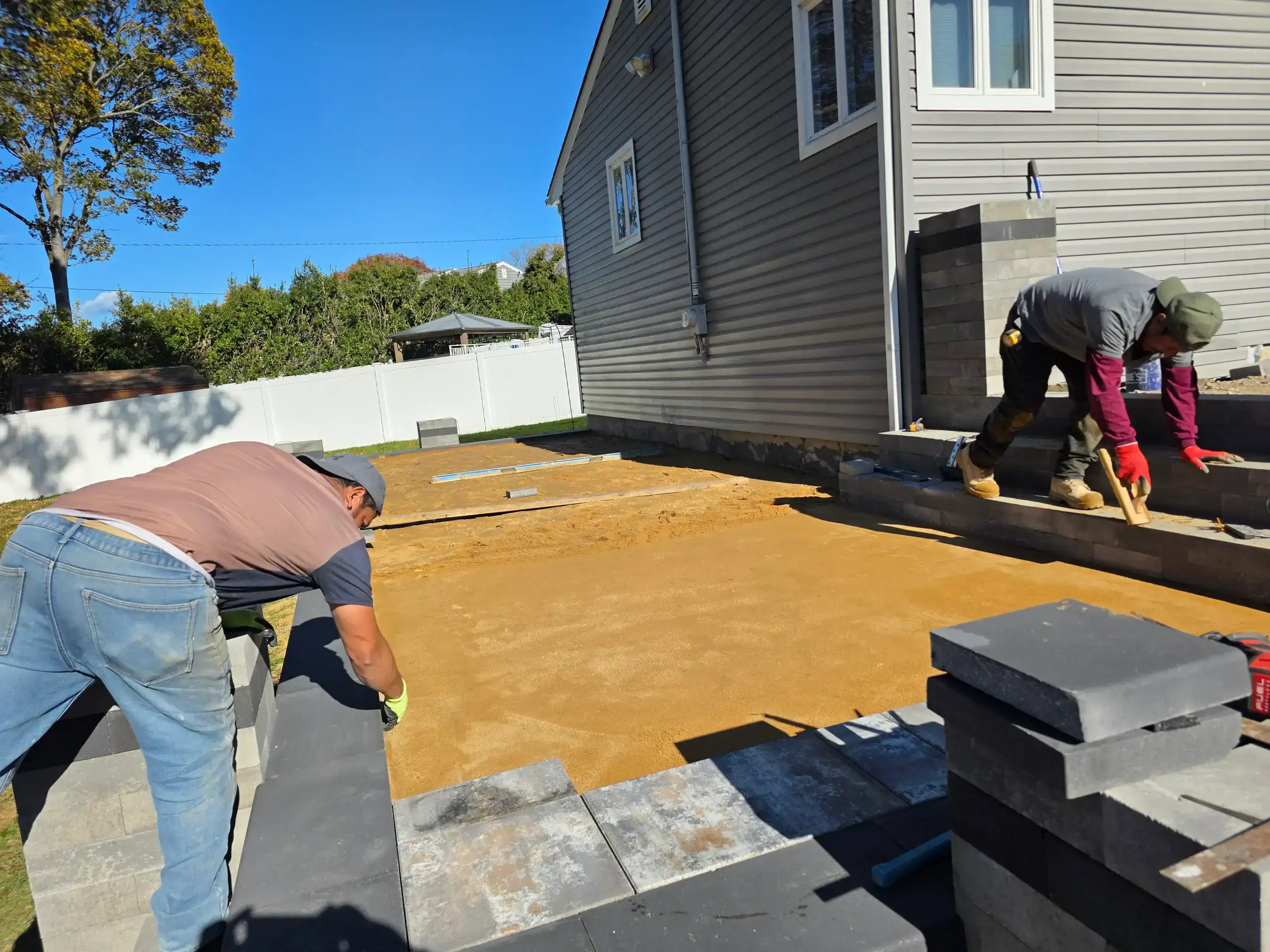
Proper installation determines whether your walkway lasts decades or starts settling within a few years. The base needs to be excavated to proper depth, filled with compacted gravel, and leveled correctly. Skipping these steps to save time or money guarantees future problems. Water needs somewhere to go, which means proper grading and possibly drainage solutions depending on your property’s slope.
Patio design has evolved significantly beyond basic concrete slabs. Today’s options include pavers in countless colors and patterns, natural stone, stamped concrete, and composite materials that mimic high-end looks at more accessible price points. The right choice depends on your budget, maintenance preferences, and how the space will be used.
Size and layout require honest assessment of how you live. A patio that’s too small feels cramped the moment you add furniture and a grill. One that’s too large can feel empty and incomplete. Think about if you’re hosting large gatherings or creating intimate spaces for family use. Consider sun exposure, privacy from neighbors, and access from your home.
Suffolk County’s weather demands materials that handle freeze-thaw cycles without cracking or shifting. Pavers excel here because individual pieces can move slightly without creating the structural cracks that plague solid concrete. Proper installation with polymeric sand between joints prevents weed growth and ant infiltration while allowing necessary drainage.
Pool patios present unique requirements. The surface needs to be slip-resistant when wet, comfortable for bare feet, and able to handle pool chemicals and constant moisture. Many homeowners discover too late that certain materials become uncomfortably hot in direct summer sun or that smooth surfaces become dangerously slick around water.
Connecting spaces thoughtfully makes your property feel intentional rather than pieced together. A walkway from your driveway to your front door is obvious. But what about from the driveway to the backyard? From the patio to the pool? These secondary paths often get overlooked during initial planning, then added later in materials that don’t quite match.
Decks extend your living space vertically, creating usable areas on properties with slopes or elevation changes that make ground-level patios impractical. They also offer design flexibility that ground installations can’t match—multiple levels, built-in seating, integrated lighting, and access directly from interior rooms.
Material choice significantly impacts both upfront cost and long-term maintenance. Traditional pressure-treated wood remains the most affordable option but requires regular staining and sealing to prevent rot and weathering. Cedar and redwood offer natural rot resistance and beautiful grain but command premium prices. Composite decking costs more initially but eliminates most maintenance while lasting 25-30 years without the fading and splintering that plague wood.
Suffolk County’s coastal climate affects material performance. Salt air accelerates corrosion of metal fasteners and hardware. Humidity and temperature swings cause wood to expand, contract, and eventually crack. Composite materials handle these conditions better, which explains their growing popularity despite higher initial costs. You’re trading upfront expense for decades of minimal maintenance.
Deck design should account for how you’ll use the space. A deck for quiet morning coffee requires different dimensions and features than one meant for hosting 20 people for barbecues. Built-in benches save space but limit furniture flexibility. Stairs placement affects traffic flow. Railing style impacts both safety and views.
Code compliance isn’t optional. Suffolk County has specific requirements for deck height, railing specifications, footing depth, and structural support. Permits are required for most deck construction. Working with licensed contractors ensures your deck meets all codes and passes inspections. DIY projects that skip permits create liability issues and problems when you eventually sell.
Integrating decks with other outdoor features creates cohesive outdoor living areas. A deck that connects to a ground-level patio via stairs expands your usable space and creates natural zones for different activities. Adding a pergola provides shade without fully enclosing the space. Lighting extends usability into evening hours and adds safety on stairs and transitions.
Outdoor kitchens have moved beyond basic grills to include refrigerators, sinks, pizza ovens, and full prep areas. If you’re building or expanding a deck, considering these additions during initial design is far easier than retrofitting later. Proper planning includes electrical and gas lines, weather protection for appliances, and adequate counter space for actual cooking and serving.
The return on investment for quality outdoor living spaces rivals or exceeds driveway improvements. Buyers increasingly expect these features, especially in Suffolk County’s price ranges where outdoor entertaining is part of the lifestyle. A well-executed deck or patio system doesn’t just add value—it can be the deciding factor when buyers compare similar homes.
The difference between a project you’re proud of and one that becomes a cautionary tale usually comes down to contractor selection. Suffolk County has plenty of options, but not all deliver the same level of quality, communication, or reliability. Understanding what separates professionals from pretenders protects your investment.
Look for contractors with deep local experience. Someone who’s worked in Suffolk County for 20+ years understands the soil conditions, weather patterns, permit requirements, and material performance in this specific environment. They’ve seen what works and what fails. That knowledge matters when you’re making decisions that need to last decades.
Licensed and insured isn’t negotiable. It’s the baseline. But dig deeper—are they using in-house crews or subcontractors? In-house teams mean consistent quality and direct accountability. When problems arise, you’re dealing with the same company that did the work, not playing phone tag with subcontractors who’ve moved on to other jobs.
Fixed pricing with detailed contracts eliminates the surprise costs that plague many home improvement projects. You should know exactly what’s included, what materials will be used, and what the timeline looks like before work begins. Vague estimates or contractors who won’t commit to written agreements are red flags.
Communication patterns during the estimate process predict how the actual project will go. Do they return calls quickly? Answer questions clearly? Show up when they say they will? If getting an estimate feels like pulling teeth, imagine trying to resolve issues during construction.
References and portfolio work tell you what a contractor actually delivers, not just what they promise. Ask to see completed projects similar to yours. Talk to past clients about their experience. Were timelines met? Did the crew maintain a clean worksite? How were unexpected issues handled? These conversations reveal patterns that marketing materials don’t.
At Corsino Construction Corp , we’ve been serving Suffolk County since 2000, building our reputation on consistent delivery over more than 20 years. Our approach—fixed pricing, licensed in-house teams, maintained job sites, clear communication—addresses the exact concerns that make homeowners hesitant about contractors. When you’re investing in improvements that affect both daily life and long-term property value, that level of reliability isn’t just nice to have. It’s essential.
Article details:
Share:
Continue learning: