Transform your Manorville home's entrance with professional paver walkway installation that lasts decades and enhances curb appeal.
Share:
Summary:
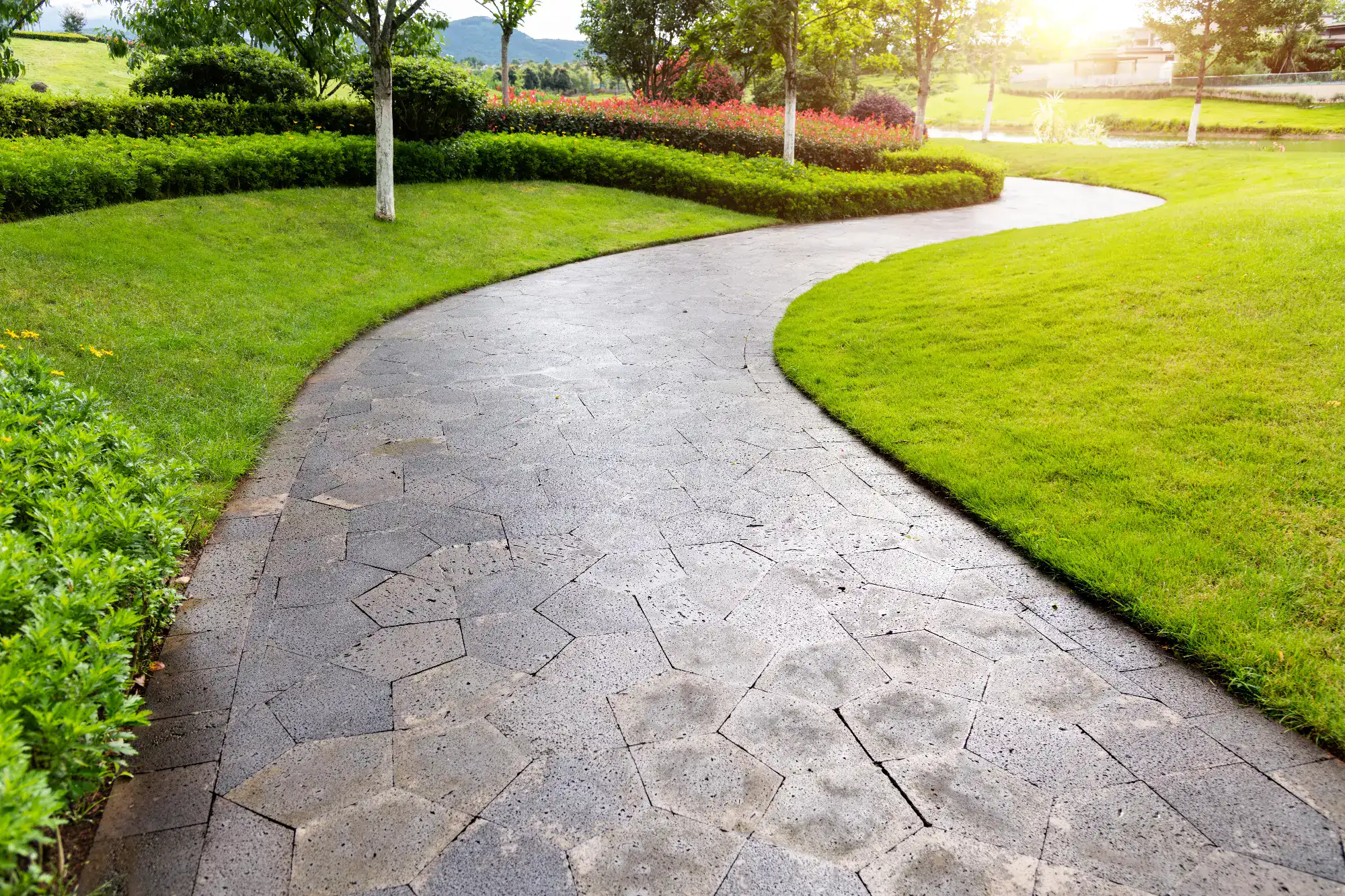
Concrete walkways in Suffolk County face constant freeze-thaw cycles that create cracks within a few years, leading to patching, sealing, and eventual replacement. That’s the reality of Long Island’s climate, and it’s why smart homeowners are making the switch to pavers.
Unlike concrete that cracks from ground movement and temperature changes, pavers flex with the soil and maintain their integrity. When Long Island’s clay soil shifts or frost pushes things around, individual pavers adjust without breaking. The joints between pavers also allow water to drain instead of pooling on the surface, providing better traction in wet conditions.
The upfront investment costs more than concrete, but you avoid the ongoing repair cycle that comes with traditional walkways in this climate.
Properly installed paver walkways last 25-30 years or more in Long Island’s climate. That’s not marketing speak—it’s what happens when you use the right materials and installation techniques for our specific conditions.
The key is correct base preparation and using pavers rated for freeze-thaw conditions. Individual pavers move slightly with freeze-thaw cycles without cracking, joint sand allows water to drain instead of pooling and freezing on the surface, and snow removal is easier because pavers provide better traction for shoveling.
Most installations require minimal maintenance beyond occasional joint sand replenishment every 3-5 years. If individual pavers get stained or damaged, they can be removed and replaced without affecting surrounding areas. Compare that to concrete where a single crack means patching work that never quite matches the original surface.
Cheap installation or wrong materials will fail quickly, but quality work lasts decades through Long Island winters. The difference comes down to proper excavation depth, base compaction, and using pavers designed for our climate rather than generic materials that look good in the store but fail when winter hits.
The base preparation makes all the difference between walkways that last and those that fail. DIY installations often fail because homeowners don’t excavate deep enough or properly compact the gravel base.
Professional installation requires specific equipment for excavation, compaction, and precise grading for drainage. We understand Suffolk County soil conditions and how to prepare foundations that won’t shift or settle.
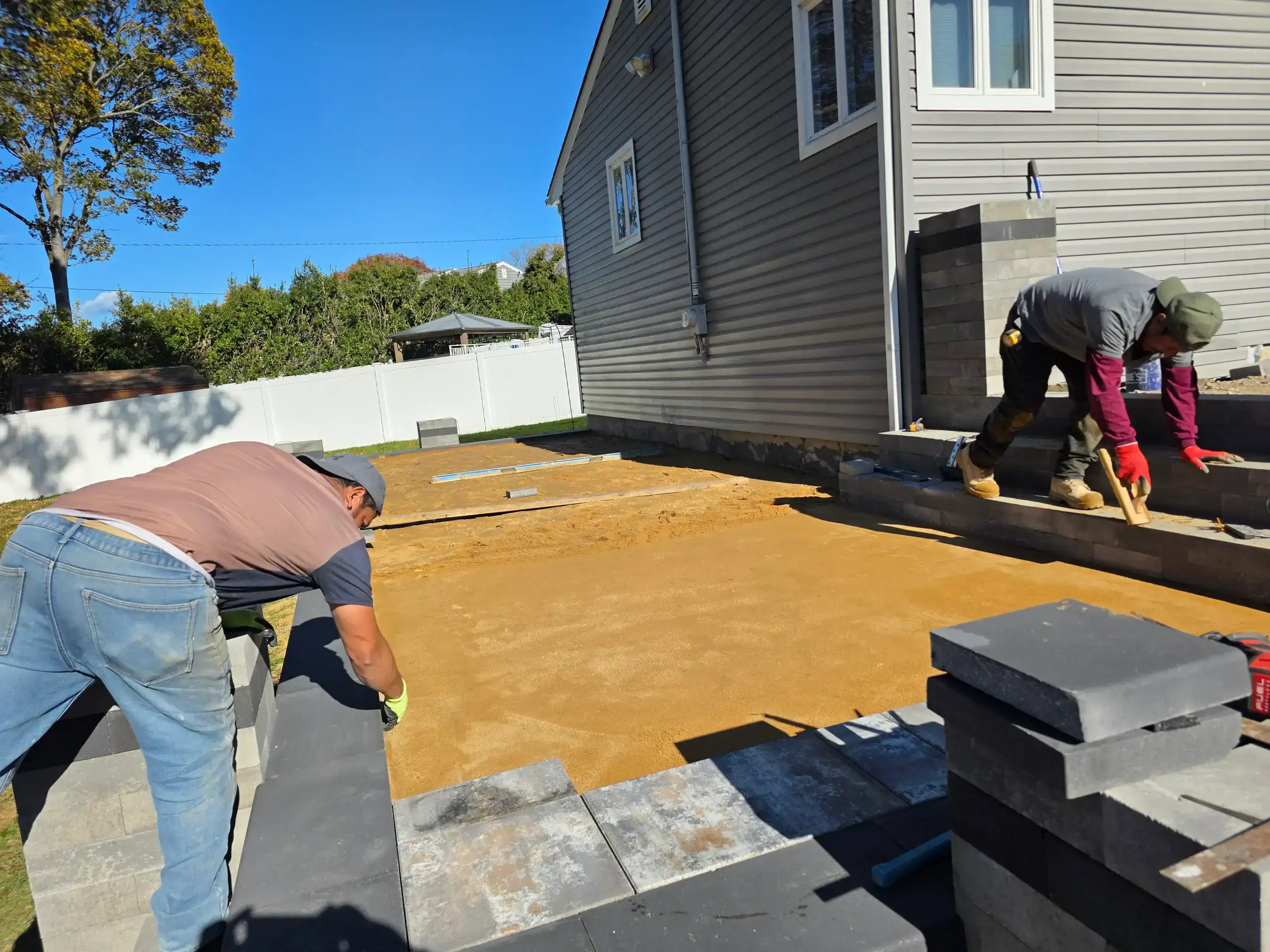
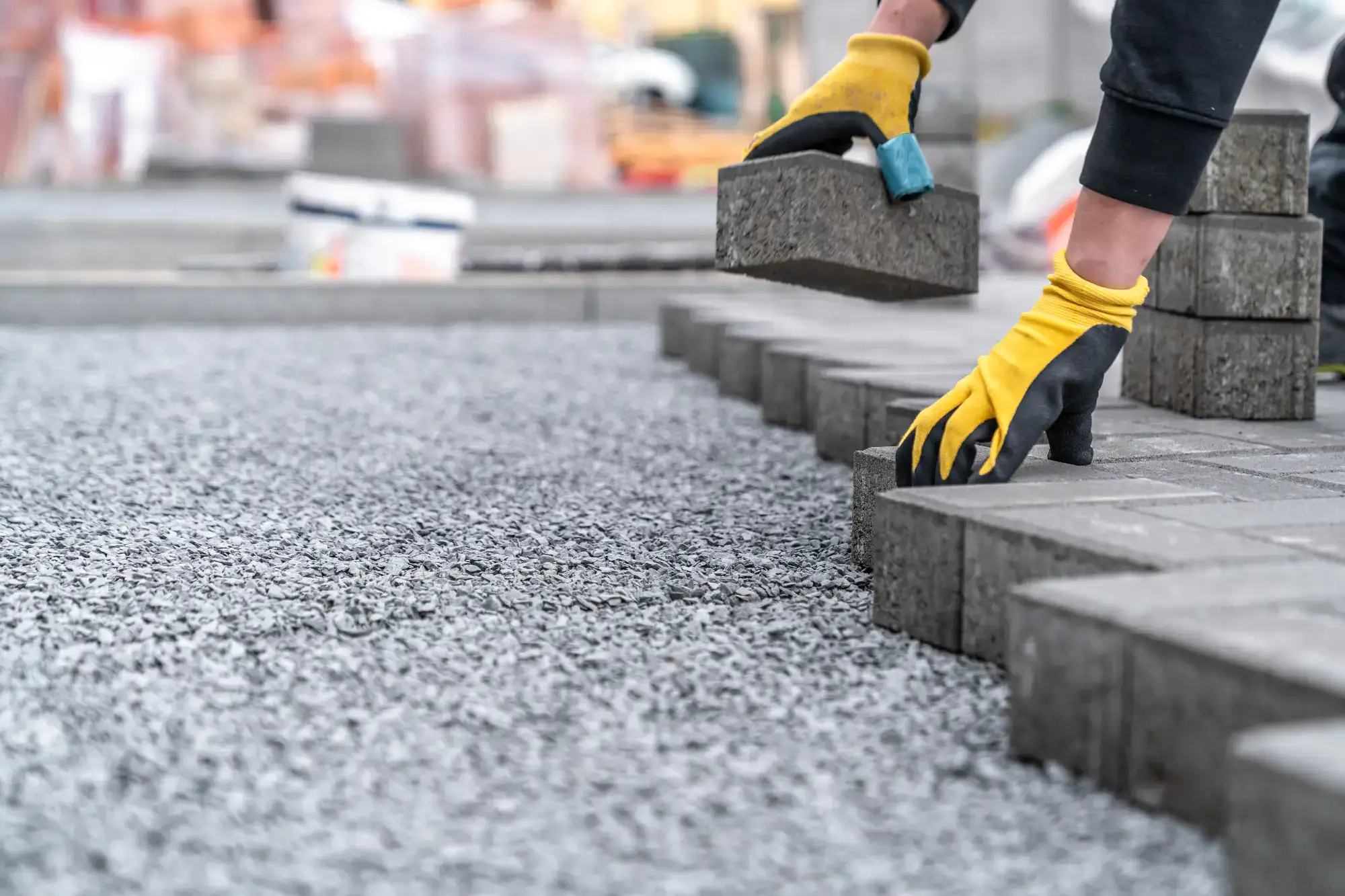
Here’s what proper installation looks like: Every walkway project starts with proper excavation to remove existing concrete or unstable soil, followed by a compacted gravel base with the right depth for Long Island conditions, then a sand leveling layer. Each paver gets set by hand with proper spacing and alignment, edge pieces are cut to fit perfectly, restraint edging keeps everything locked in place, and polymeric sand gets swept into all joints before compacting the entire surface.
Without sufficient expertise, you encounter problems including improper placement and leveling of sand or improperly compacted soil, leading to an uneven surface. The equipment alone—plate compactors, proper excavation tools, laser levels for grading—represents thousands of dollars that most homeowners don’t own and shouldn’t buy for a single project.
Want live answers?
Connect with a Corsino Construction expert for fast, friendly support.
Most paver walkway projects on Long Island fall between $3,000 and $4,500, with an average cost of $30 to $45 per square foot depending on layout, materials, and labor. You’ll stay closer to the low end with basic concrete pavers in a straight design, while premium materials like stone or curved walkway designs land on the higher end.
Labor costs typically fall between $5 and $12 per square foot, with curved layouts, tight access, and special designs like herringbone or basketweave increasing labor time. Base preparation usually costs $8 to $12 per square foot and plays a major role in how long your walkway lasts.
The investment makes sense when you consider property values in Manorville. With median property values at $546,600, a well-designed walkway represents a smart improvement that enhances both daily use and resale appeal.
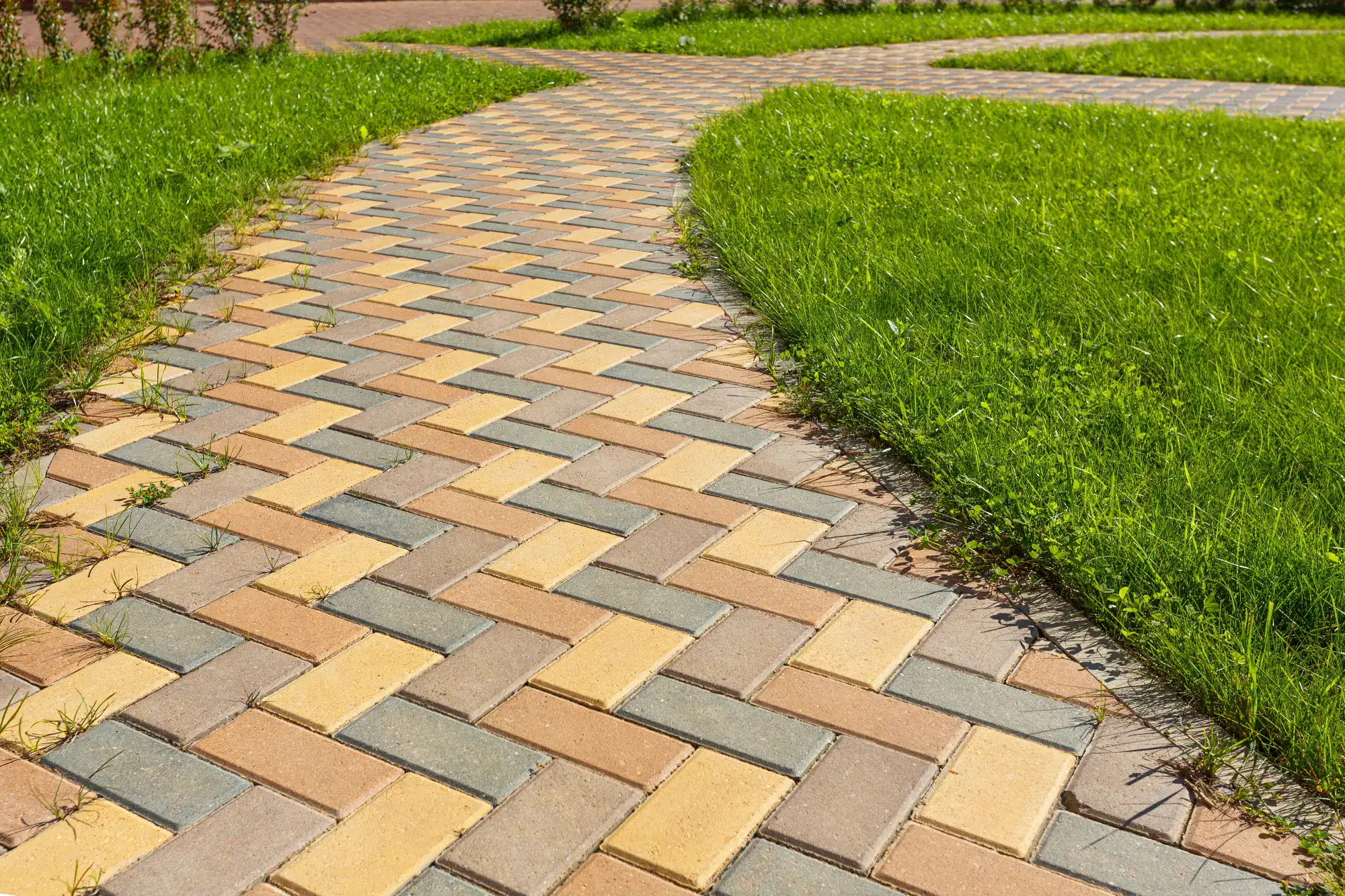
New Yorkers are leaning into natural earth tones and textured finishes that blend with gardens, brownstone architecture, and native landscaping—think terracotta hues, deep charcoal, sandy beiges, and mossy greens designed to complement surroundings.
The tactile trend is equally important, with pavers featuring brushed, chiseled, or dimpled finishes offering more than grip—they bring depth and character to the surface. Travertine-textured concrete pavers give a high-end Mediterranean look at a fraction of the cost, while textured stone-look pavers recreate hand-laid courtyard feelings without the maintenance.
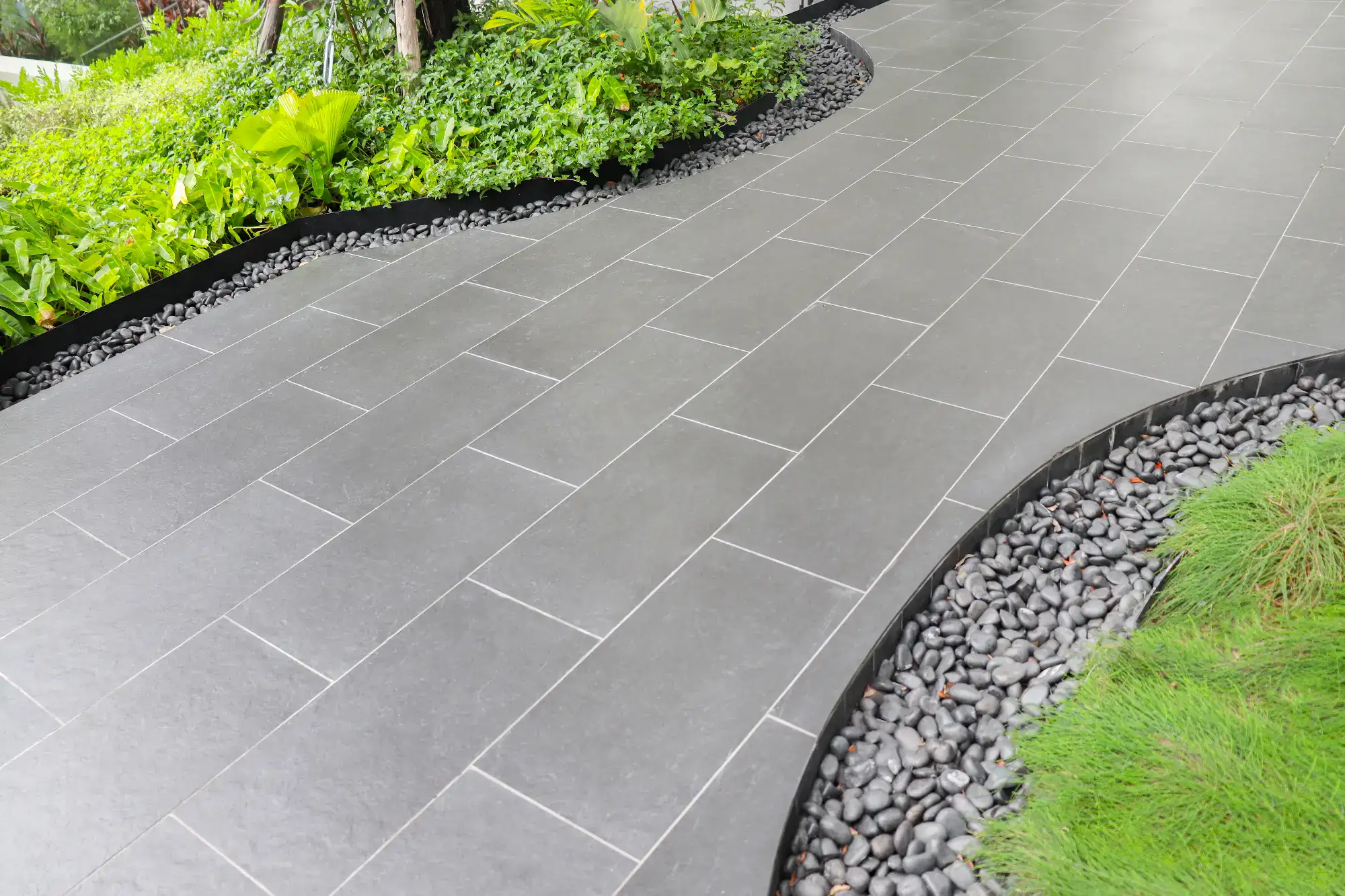
Large-format pavers (24×24 inches or larger) create a sense of openness, order, and visual flow for patios, terraces, and walkways. Clean lines, oversized shapes, and smooth finishes are ideal for creating contemporary outdoor spaces.
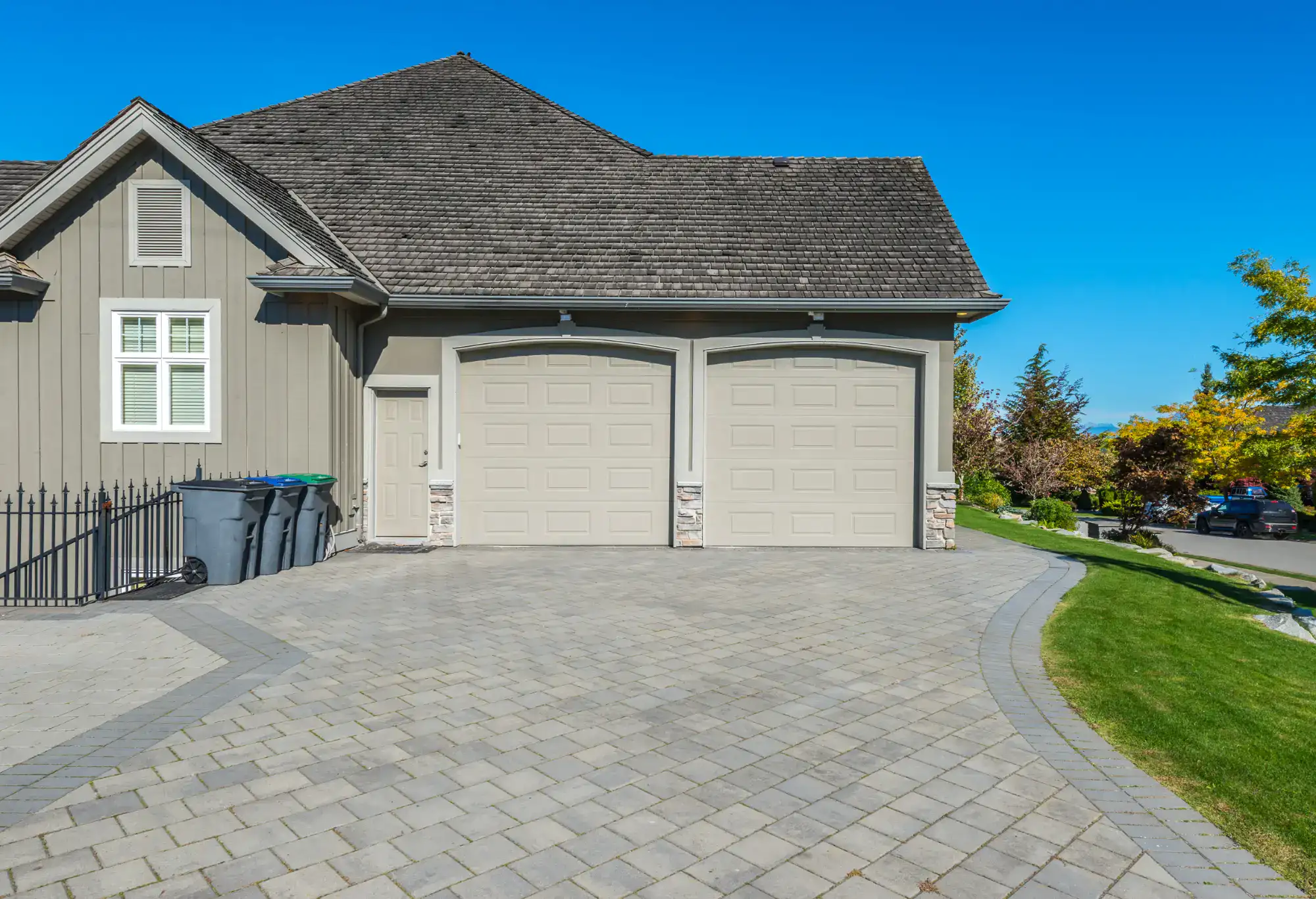
We work with multiple paver manufacturers offering dozens of colors, textures, and sizes, showing options that complement your home’s exterior, existing landscaping, and other hardscaping features during the design phase, with many homeowners choosing neutral tones that work with changing landscape colors while others prefer pavers matching their home’s stone or brick accents.
Eco-friendly pavers made from recycled concrete, rubber, or green composites are stylish and practical, used in patios, walkways, and driveways to create clean, modern spaces with low environmental impact—especially smart choices where stormwater issues are common.
Most residential walkway paving projects take 2-3 days from start to finish, depending on length and complexity, with day one involving removal and excavation, day two covering base preparation and paver installation, and day three handling finishing work, cleanup, and final compaction. Weather can extend timelines, but you’ll have a usable walkway each evening during installation, with coordination to minimize disruption to your daily routine.
Most residential walkway projects take 2-4 days depending on size and complexity, with day one involving excavation and base preparation, day two covering sand leveling and paver installation, and the final day including edging, joint sand, compaction, and cleanup. Weather can affect timing, especially during base preparation phases, with specific timelines provided during the estimate process and updates if conditions require schedule adjustments, as rush jobs often lead to shortcuts.
The process includes complete removal of existing walkway materials and proper disposal, all excavation, base preparation, and grading to ensure proper drainage away from your foundation, installation of quality pavers, base materials, joint sand, and edge restraints that keep everything in place, with complete cleanup when finished so you’re not dealing with construction debris.
We understand that your home life continues during installation. We coordinate with homeowners on timing to minimize disruption to daily routines, and complete cleanup when finished means no construction debris scattered around your property. Our work comes with material warranties and workmanship guarantees for peace of mind.
Professional paver walkway installation handles Long Island weather, eliminates safety hazards for good, eliminates tripping hazards, boosts curb appeal, and provides a maintenance-free entrance to your home. Paver walkways handle everything Long Island throws at them while looking better with age.
Stop patching concrete and start enjoying a walkway that actually improves your property value and daily life. The investment makes sense for Manorville homeowners who understand that quality improvements enhance both daily living and long-term property values.
When you’re ready to discuss upgrading your walkway, Corsino Construction Corp brings over 20 years of Suffolk County experience to every project. We understand local soil conditions, climate challenges, and what it takes to create walkways that last decades rather than years.
Article details:
Share:
Continue learning: