Not all driveway materials survive Long Island's harsh winters. Learn which paving options actually last in Sayville's climate and how to avoid costly mistakes.
Share:
Summary:
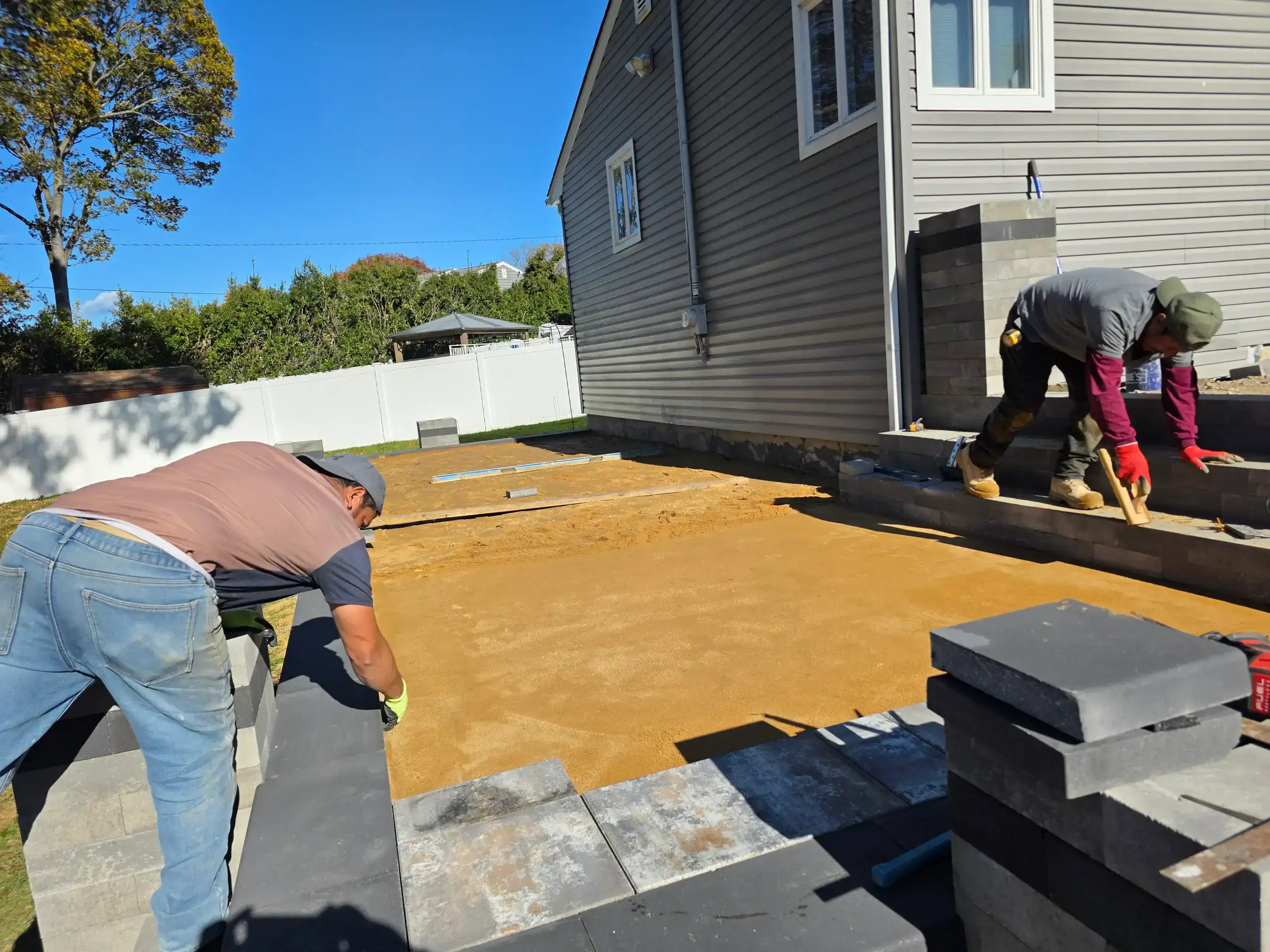
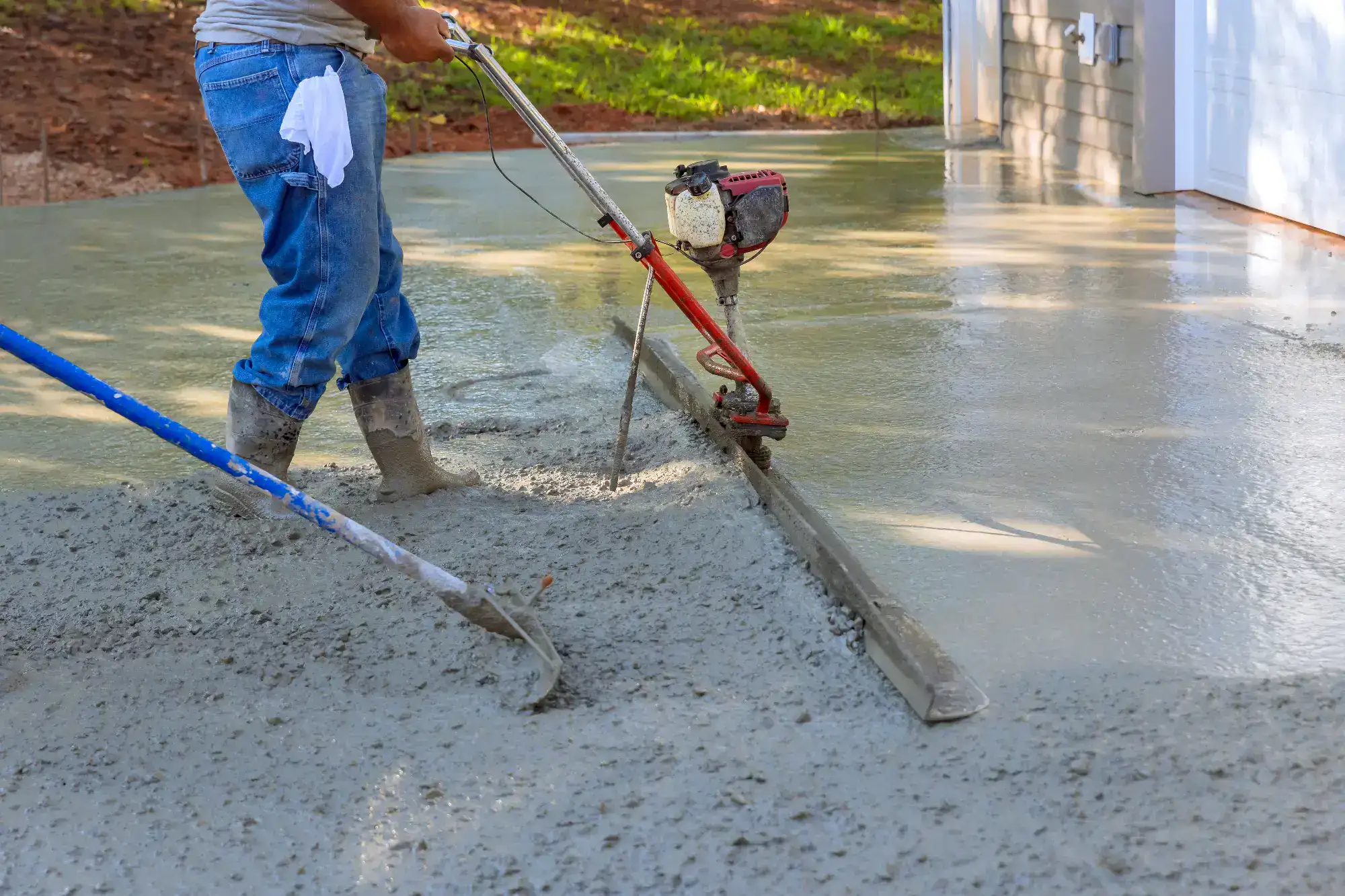
The base layer is the “unsung hero” of your driveway. You’ll never see it, but if your contractor skimps on it, you’ll definitely feel it when your car starts sinking into the earth. Sayville’s sandy soil is notoriously shifty; without a properly compacted gravel base of at least 8 to 10 inches, your beautiful new surface will start looking like a roller coaster in no time.
This is the part of the job where the “lowest bidder” usually hides their shortcuts. They might only dig down four inches or use cheap “filler” instead of real compacted stone. It saves them a day of work and saves you a few hundred bucks now, but it’ll cost you thousands when the whole thing fails prematurely. If your contractor doesn’t own a heavy-duty mechanical compactor, run!
Proper drainage planning also happens at this stage. You want the water running away from your house, not into your garage or your neighbor’s flower beds. A pro knows exactly how to “pitch” the base so that even the heaviest Nor’easter rain disappears like a magic trick. The base is the foundation of your investment—don’t let anyone convince you that “good enough” is good enough.
Asphalt remains the undisputed heavyweight champion of Suffolk County driveways for a reason: it’s flexible. Think of it as the “yoga instructor” of paving materials—it stretches and moves with the ground during those brutal freeze-thaw cycles rather than snapping under pressure. While rigid surfaces throw a fit when the earth moves, asphalt just rolls with the punches.
It’s also the budget-friendly favorite, typically running between five and eight dollars per square foot. If you maintain it properly—which means sealcoating it every few years and not treating it like a chemical testing ground—it’ll easily last 20 years. Plus, its dark color acts like a natural space heater, melting snow and ice faster so you can spend less time wielding a shovel and more time drinking cocoa.
The only real downside is that asphalt is a bit “high maintenance.” It needs that regular sealcoating to stay looking sharp and protected from UV rays that want to turn it gray and crumbly. However, repairs are generally easy and cheap; it’s the only material where “patching things up” actually works without requiring a bank loan.
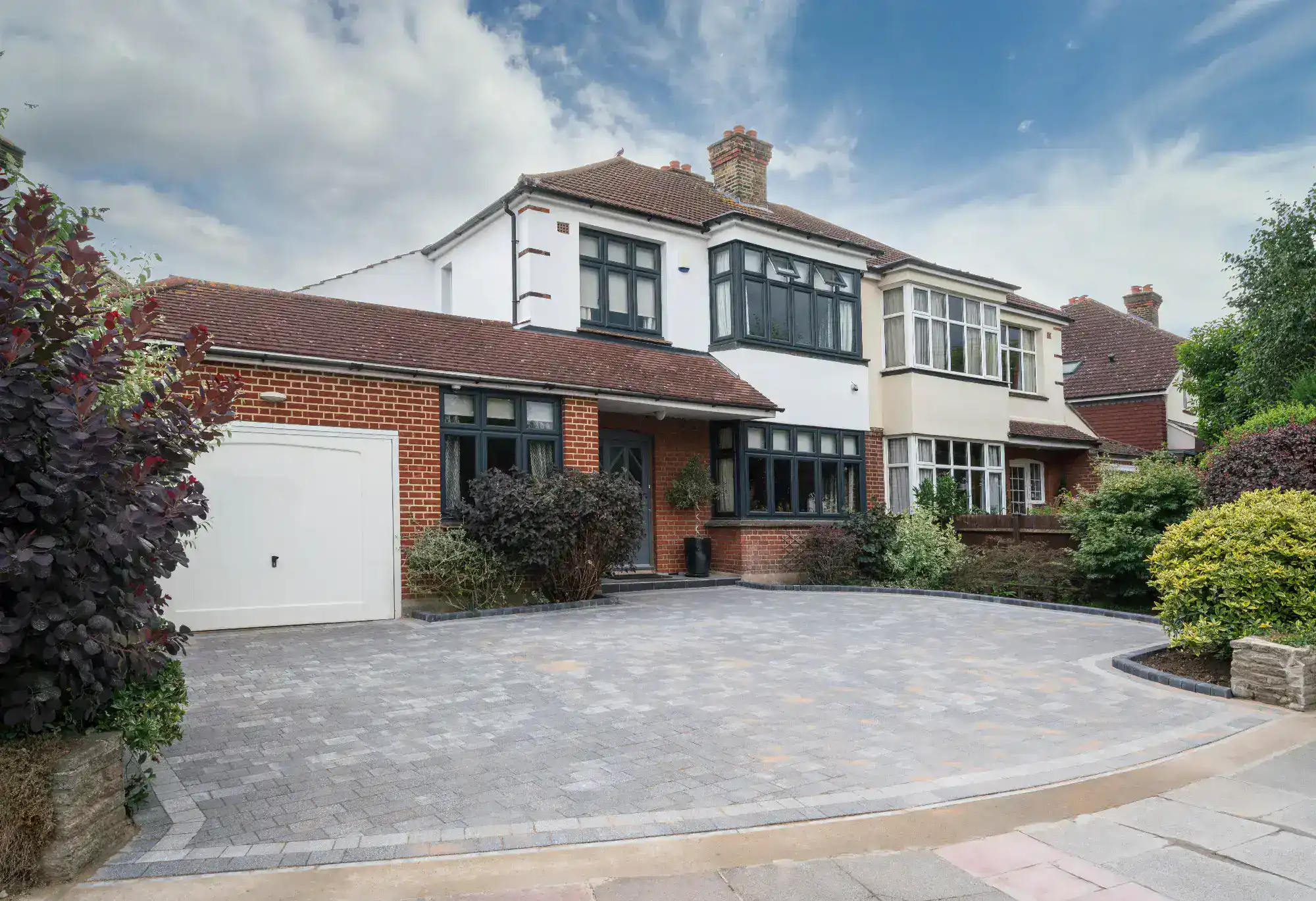
Concrete is the “sturdy grandparent” of driveways—it’s durable, can handle the weight of your heaviest SUV, and could probably survive an asteroid impact. A well-installed concrete slab can last up to 50 years, which is longer than most people keep their cars (or their hairstyles). It also stays significantly cooler in the summer, preventing your driveway from becoming a giant frying pan for your bare feet.
The catch? Concrete is as rigid as a drill sergeant. If the sandy Sayville soil shifts underneath it, concrete doesn’t flex—it cracks. And unlike a small crack in asphalt, a crack in concrete is a permanent scar that often requires replacing an entire section to fix properly. It’s a high-stakes game of “Don’t Crack the Sidewalk,” but on a much larger and more expensive scale.
You also have to be patient. While you can drive on asphalt almost immediately, concrete needs to “cure” for at least a week. That means seven days of parking on the street and hoping the neighbors don’t complain. It’s a premium look that demands a premium installation, specifically one with “air-entrainment” to help it survive the New York winter.
Want live answers?
Connect with a Corsino Construction expert for fast, friendly support.
Looking only at the initial quote is the easiest way to end up with “buyer’s remorse” three years down the line. You have to think about the “cost per year.” A $5,000 asphalt driveway that needs replacing in 15 years might actually be more expensive in the long run than a $15,000 paver driveway that outlasts your mortgage.
Asphalt is the low-cost entry, but don’t forget to factor in the “Sealcoat Tax” every few years. Concrete sits in the middle, offering a long life but potentially high repair costs if things go south. Pavers are the “Luxury Sedan” of the group—highest upfront cost, but they offer the best ROI because they are nearly indestructible and easy to fix if a single piece gets stained or cracked.
Value isn’t just about the check you write today; it’s about the curb appeal you have tomorrow. A beautiful driveway can add 5-10% to your home’s value, which is great news if you ever plan on selling. If you plan on staying forever, the value is simply not having to look at a driveway that resembles a dried-out riverbed every time you pull in.
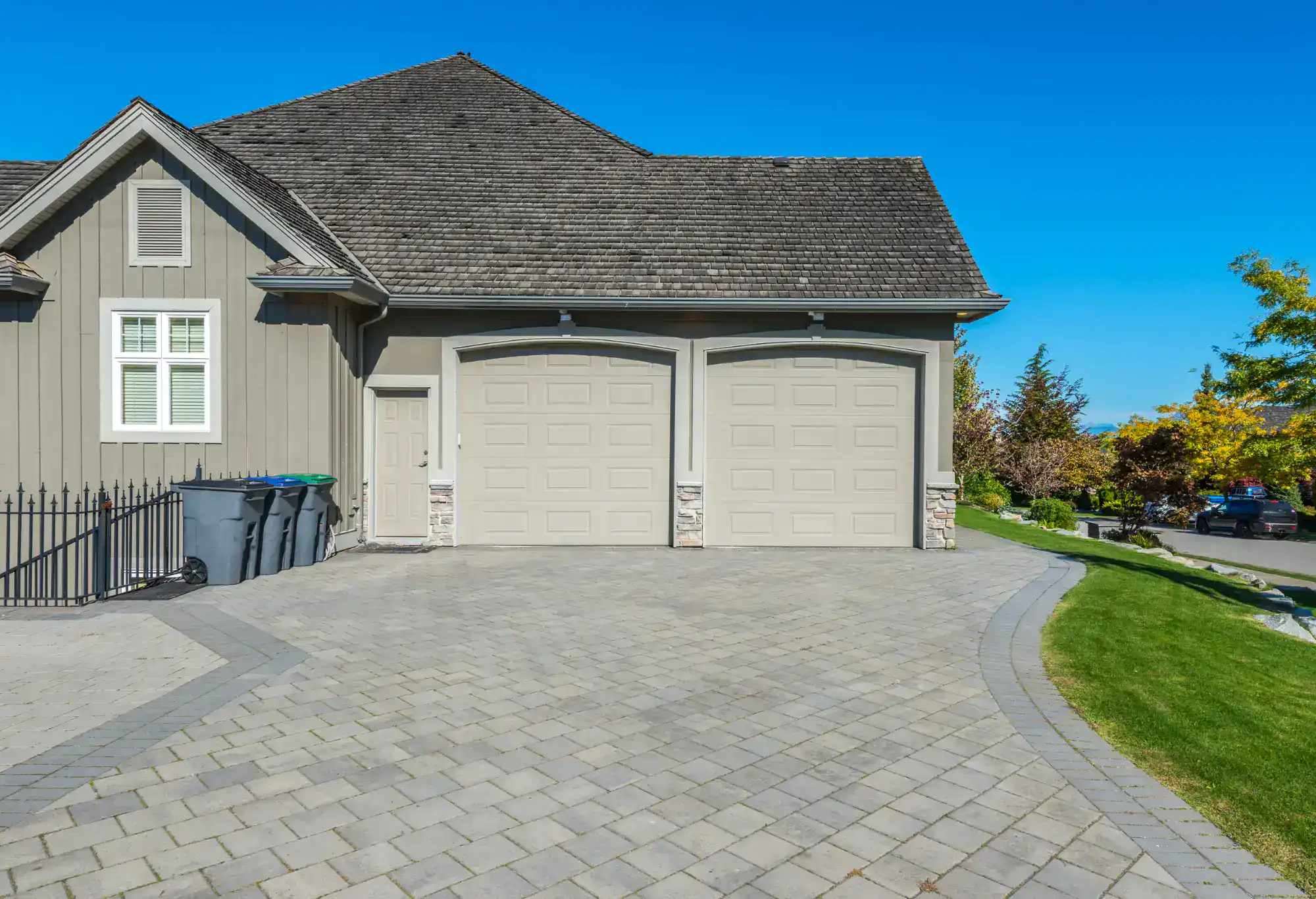
Pavers are essentially the “Lego” system of the paving world, and that modular design is their secret weapon. Because they are individual units, they can move, heave, and sigh with the ground without cracking the entire surface. If one paver gets a nasty oil stain or is cracked by a dropped anvil (it happens!), you just pop that one out and put a new one in. Try doing that with a concrete slab!
They are also the kings of drainage. The joints between pavers allow water to seep through rather than pooling on top like a mini-Lake Ronkonkoma. This is a huge win in coastal Sayville, where moisture is a constant houseguest. Pavers don’t just look fancy; they are engineered to be the ultimate “breathable” surface for the Long Island climate.
Installation is where the magic happens, but it’s definitely not a DIY project for a sunny Saturday. It requires a deep excavation and a base layer so solid it would make a pharaoh jealous. But once it’s done, you have a driveway that looks like a million bucks and handles the North Atlantic weather like a total pro.
The base layer is the “unsung hero” of your driveway. You’ll never see it, but if your contractor skimps on it, you’ll definitely feel it when your car starts sinking into the earth. Sayville’s sandy soil is notoriously shifty; without a properly compacted gravel base of at least 8 to 10 inches, your beautiful new surface will start looking like a roller coaster in no time.
This is the part of the job where the “lowest bidder” usually hides their shortcuts. They might only dig down four inches or use cheap “filler” instead of real compacted stone. It saves them a day of work and saves you a few hundred bucks now, but it’ll cost you thousands when the whole thing fails prematurely. If your contractor doesn’t own a heavy-duty mechanical compactor, run!
Proper drainage planning also happens at this stage. You want the water running away from your house, not into your garage or your neighbor’s flower beds. A pro knows exactly how to “pitch” the base so that even the heaviest Nor’easter rain disappears like a magic trick. The base is the foundation of your investment—don’t let anyone convince you that “good enough” is good enough.
At the end of the day, picking a driveway material is like picking a spouse: you want something that looks good, can handle some pressure, and isn’t going to fall apart when things get cold. Regardless of if you go with the flexibility of asphalt, the sturdiness of concrete, or the high-end resilience of pavers, the real secret is the quality of the installation.
Sayville’s coastal charm comes with some “pavement-sized” challenges, but you don’t have to navigate them alone. By focusing on base preparation and climate-ready materials, you can make sure your home’s “handshake” stays firm and beautiful for decades to come. Don’t settle for a surface that’s going to retire before you do!
We’ve been the “paving pros” of Suffolk County for over 20 years, and we know exactly how to handle Long Island’s sandy secrets. We offer transparent, fixed pricing—so the only surprise you’ll get is how much you actually enjoy pulling into your driveway.
Article details:
Share:
Continue learning: