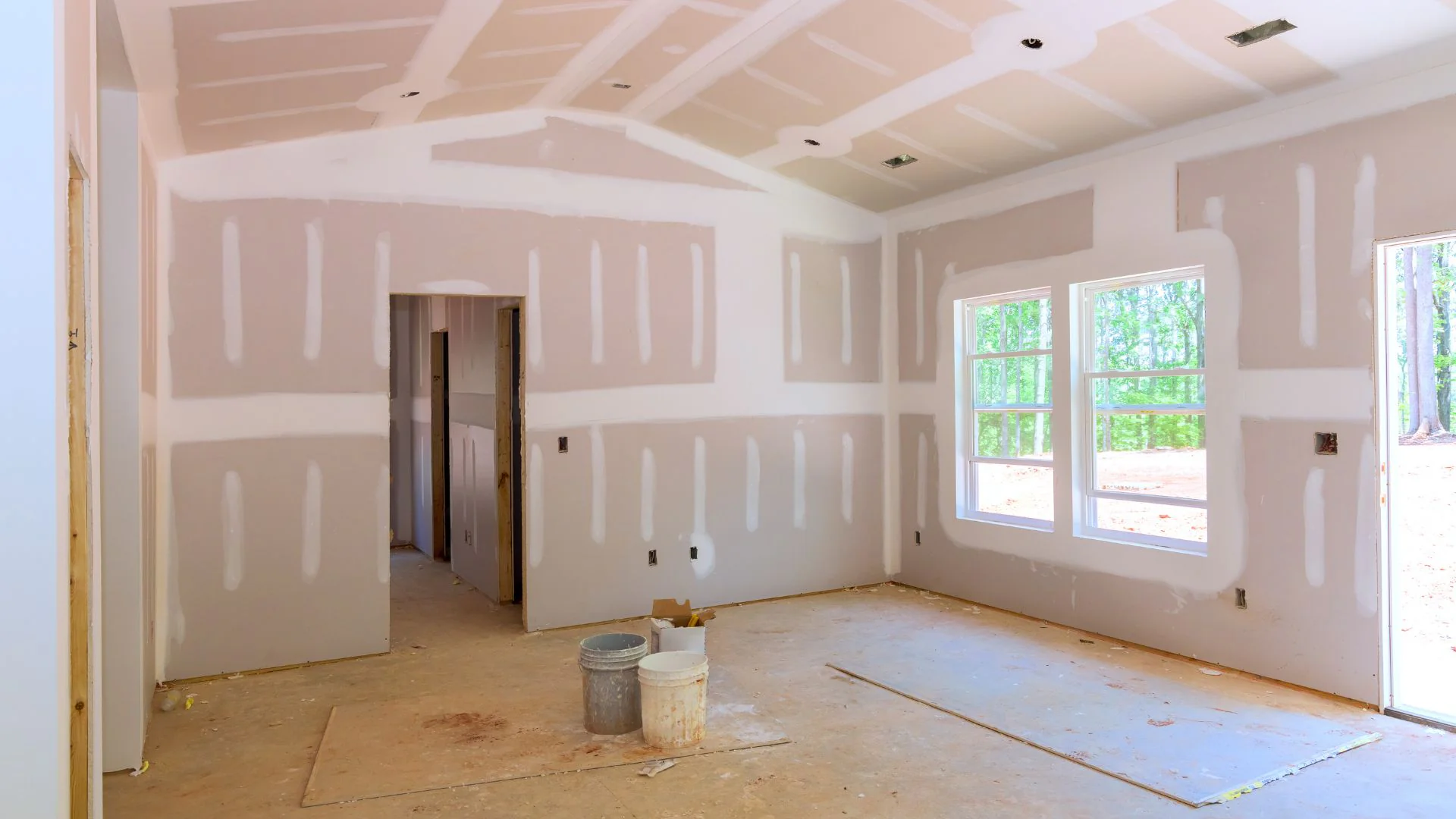
Three estimates. Three completely different numbers. Here's what's actually going on inside those documents — and what to watch out for before you sign anything.
Share:

Summary:
You asked three contractors to estimate the same kitchen remodel. One came back at $28,000. One at $41,000. One at $55,000. Now you’re staring at three documents that look completely different, and you have no idea which one to trust — or whether any of them actually mean what they say.
This is one of the most common and frustrating moments in any home renovation. And it’s not because you’re missing something obvious. It’s because contractor estimates are genuinely confusing, and most of the industry has little incentive to make them clearer. Here’s what’s actually going on inside those numbers.
Most people assume a contractor estimate is a price. It’s not — at least not always. An estimate is technically a forecasted approximation of what a project might cost, usually stated as a range. A bid or quote, on the other hand, is a commitment to deliver specific work at a fixed dollar amount. The problem is that contractors use these terms interchangeably, which means the document labeled “estimate” in your inbox might be a firm price — or it might be an educated guess with room to grow.
Before you compare numbers or make any decisions, ask the contractor directly: is this a fixed price, or can it change? That single question will tell you more about what you’re actually holding than anything else on the page.

When three estimates come back at dramatically different numbers, the instinct is to assume one contractor is overcharging and another is giving you a deal. In reality, the difference almost always comes down to scope — what each contractor actually included in their price.
One contractor might include permit fees. Another might not. One might specify mid-grade cabinetry in a kitchen remodel; another might use a placeholder called a “material allowance” — a budgeted figure for materials that haven’t been selected yet. If that allowance is $6,000 and you end up choosing cabinets that cost $9,000, the difference gets added to your final bill through something called a change order. That $28,000 estimate suddenly isn’t $28,000 anymore.
This is one of the most common reasons homeowners go over budget. Research consistently shows that more than three in four homeowners exceed their renovation budget, with nearly half going over by at least $5,000. It’s not usually because the project got more expensive — it’s because the original estimate didn’t actually cover everything.
Scope divergence is the technical term for when two bids aren’t covering the same work. If one contractor is pricing a bathroom remodel that includes new plumbing rough-in and another is pricing the same room but assuming the existing plumbing stays put, you’re not comparing apples to apples. You’re comparing two entirely different projects that happen to share a bathroom.
The fix is straightforward but requires some effort: before you compare totals, compare the scope of work sections. What’s explicitly included? What’s listed as an allowance? What’s not mentioned at all? The answers will tell you far more than the bottom-line number.
A well-written estimate isn’t just a number — it’s a document that protects you. At minimum, it should break down costs by category, separating labor from materials, and listing each major component of the project individually rather than rolling everything into a single lump sum. Lump-sum estimates make it nearly impossible to understand where the money is going, which makes it equally impossible to evaluate whether the pricing is reasonable.
In New York, any home improvement contract valued at $500 or more must be in writing under Article 36-A of the General Business Law. That written contract needs to include a description of the work, a payment schedule, the contractor’s license number, and the expected start and completion dates. This isn’t optional — it’s the law — and a contractor who resists putting things in writing is a contractor worth walking away from.
Beyond the legal baseline, look for a few specific things. Permit costs should be addressed somewhere in the document, not left as a surprise line item after you’ve signed. In Suffolk County, NY, permits are required for most renovation work — kitchen and bathroom remodels, structural changes, electrical updates, and plumbing modifications all typically require them — and the fees run from $250 for projects up to $50,000 to $500 for projects up to $100,000. That cost belongs in your estimate, not in a follow-up conversation.
Material allowances should be flagged clearly and labeled as estimates, not guarantees. If an allowance is included for tile, fixtures, or cabinetry, ask what happens if your selections cost more than the allowance covers. The answer — and whether it comes with a change order process or a vague “we’ll figure it out” — will tell you a lot about how the contractor manages money on the job.
Want live answers?
Connect with a Corsino Construction expert for fast, friendly support.
It feels counterintuitive, but the contractor who submits the lowest estimate is often the one who ends up costing you the most. A lean initial bid wins the job. Once work starts, every item that wasn’t included in the original scope becomes a change order — and each change order typically carries a markup on top of the actual cost.
This isn’t always bad faith. Sometimes hidden conditions genuinely appear behind walls — old wiring, moisture damage, plumbing that doesn’t meet current code. Research suggests hidden conditions drive cost overruns in nearly half of major renovation projects, with the average overrun landing around 22% above the original estimate. But there’s a meaningful difference between a legitimate change order triggered by something genuinely unforeseen and a change order that covers work any experienced contractor should have anticipated from the start.

There are two basic contract structures in residential renovation: fixed-price and cost-plus. Understanding the difference matters more than most homeowners realize before they sign.
A fixed-price contract sets a single dollar figure covering all labor, materials, permits, and overhead for the defined scope of work. If material prices rise after you sign, that’s the contractor’s problem, not yours. The risk is on their side, which is why fixed-price bids typically include a buffer — commonly 10% to 20% above estimated direct costs — to account for that possibility. What you gain is certainty. The number you agree to is the number you pay, provided the scope doesn’t change.
A cost-plus contract works differently. The contractor charges you for their actual costs — labor, materials, subcontractors — plus an agreed-upon markup percentage for their services. In theory, this sounds transparent. In practice, it shifts all the financial risk onto you. If material costs rise, you absorb it. If the project takes longer than expected, you absorb that too. And because every change triggers a new cost calculation, cost-plus projects have a way of expanding in ways that are hard to predict or control.
For most Suffolk County, NY homeowners doing a defined renovation — a kitchen remodel, a bathroom gut, a room addition — a fixed-price contract is the structure that gives you the most protection. It requires more detailed planning upfront, because the contractor needs to know exactly what they’re pricing. But that upfront clarity is exactly what prevents the surprises that derail budgets mid-project.
Here’s something that rarely comes up when homeowners are comparing estimates, but absolutely should: not every contractor submitting a bid is legally permitted to do the work they’re pricing.
Suffolk County, NY requires home improvement contractors to hold a valid license issued by the Department of Consumer Affairs. That license isn’t just a formality — it confirms the contractor has passed a written examination, carries at least $500,000 in liability insurance, and maintains workers’ compensation coverage. Performing work without a valid license doesn’t just create risk for you as the homeowner; it voids the contractor’s legal right to collect payment. If something goes wrong on an unlicensed job, your protections are significantly weaker.
It gets more specific than that. A Suffolk County home improvement license doesn’t automatically cover every corner of the county. East Hampton, Southampton, and Shelter Island each require separate municipal licenses, even from contractors who already hold a county credential. If you’re renovating a home in one of those towns and your contractor only has the county license, they may not be operating legally.
The practical implication for estimates: a contractor who is properly licensed, insured, and compliant with Suffolk County’s requirements has real overhead costs. They’re paying for insurance, they’re carrying workers’ comp, they’re pulling permits through the right channels. An estimate that comes in dramatically below the others may be reflecting the absence of those costs — which means you’re the one absorbing the risk if something goes wrong.
When you request an estimate from any contractor, ask for their Suffolk County HIC license number and proof of insurance before you schedule a site visit. Any legitimate contractor will provide both without hesitation.
A reliable contractor estimate isn’t the lowest number in your inbox — it’s the most complete one. It covers the full scope of work, addresses permit costs upfront, labels allowances clearly, and gives you a fixed price you can actually plan around. Those documents exist. They’re just not universal.
When you’re comparing estimates, compare the scope before you compare the totals. Ask whether the price is fixed or subject to change. Ask how the contractor handles change orders. Ask to see their Suffolk County license and insurance documentation. The answers to those questions will do more to protect your budget than any amount of price negotiation.
We’ve been doing this work in Suffolk County, NY since 2000, and the calls we get most often aren’t from people who couldn’t find a contractor — they’re from people who hired the wrong one and are now trying to figure out what went wrong. If you’re at the estimate stage and something doesn’t feel right, reach out to Corsino Construction Corp. We’ll walk you through what a complete, fixed-price estimate looks like and give you a straight answer on what your project actually involves.
Article details:
Share:
Continue learning: