Fall presents ideal conditions for interior renovation projects in Suffolk County. Better contractor availability, comfortable working temperatures, and completion before the holidays make autumn the strategic choice for bathroom and kitchen remodels.
Share:
Summary:
You’ve been thinking about that bathroom remodel for months. Maybe years. The outdated tile, the cramped layout, the fixtures that stopped working properly sometime during the last administration. You know it needs to happen. The question isn’t whether to renovate—it’s when.
Here’s what most Suffolk County homeowners don’t realize: the season you choose affects everything. Contractor availability. Project timelines. How smoothly the work progresses. Even whether you’ll actually enjoy your new space when it matters most.
Fall offers advantages for interior renovation projects that other seasons simply can’t match. Let’s talk about why autumn might be the smartest time to finally tackle that project you’ve been postponing.
Summer wraps up and something shifts in the construction industry. Contractor schedules begin to open up after the busy season, meaning you’re more likely to secure your preferred contractor and timeline. That matters more than you might think.
Since fall is a slower time for contractors, we’re generally more available and can start your project sooner without having to wait weeks or months for a spot in our schedule. You get more attention. Better communication. Less rushing between jobs.
The weather cooperates too. Interior renovations thrive in the fall thanks to balanced temperatures and the post-summer lull in construction demand. Our crew isn’t juggling outdoor projects that get delayed by rain or extreme heat. We can focus on your kitchen or bathroom without weather-related interruptions throwing everything off schedule.

Planning makes the difference between a smooth renovation and one that drags on for months. For major projects, you should start planning 3-6 months ahead to allow time for design, budgeting, and securing a spot on a contractor’s schedule during your preferred season. That timeline isn’t arbitrary—it’s what actually works.
Think about what you want to accomplish. A bathroom remodel? Kitchen update? Both? Get specific about the scope before you start calling contractors. Vague ideas lead to vague timelines and budgets that spiral.
In Suffolk County, each town has its own permitting process, requirements, and approval timelines based on the scope of work. We know these systems inside and out. We know which permits you’ll need, how long approvals typically take, and how to keep your project moving forward instead of stuck in bureaucratic limbo.
Material selection happens during planning too. One of the most common mistakes homeowners make is planning for a season only when it arrives—by then, the best contractors are already booked and material lead times are longer. Order your tile, fixtures, and cabinetry early. Custom items can take weeks or even months to arrive.
Budget honestly. Not what you hope to spend—what you can actually spend. Include a buffer for unexpected issues because they happen. When walls are opened up, you might discover outdated plumbing, unexpected structural issues, or hidden water damage that needs addressing, which is why it’s smart to build a buffer of at least 15-20% into your timeline.
Communication with your contractor starts now, not after demo begins. Discuss expectations. Ask about our process for managing dust, protecting your belongings, and maintaining site cleanliness. Find out how we handle the inevitable questions and decisions that come up mid-project. The contractors who take time to explain their process upfront are usually the ones who deliver the smoothest renovations.
Let’s talk real numbers. Not the optimistic timeline you see on home improvement shows, but what actually happens when professionals remodel your bathroom or kitchen in Suffolk County.
Most bathroom remodels typically take between 3 to 8 weeks to complete depending on complexity and scope, with the construction phase of the average full main bathroom renovation taking between 5-7 weeks from demo to completion. That’s working days, not calendar days. Weekends, permit delays, and material delivery gaps extend that timeline.
Kitchen projects take longer. Construction usually lasts 8-12 weeks, with planning taking another 1-3 months. If you’re changing the layout, moving plumbing, or doing structural work, add more time. Custom cabinetry? Add even more.
Here’s what that timeline actually includes. Demo happens fast—usually a few days to a week depending on project size. Then comes the work you don’t see: plumbing rough-ins, electrical updates, structural modifications if needed. Utilities will need to be approved by a local building inspector before moving on to the next step, which will most likely take one week.
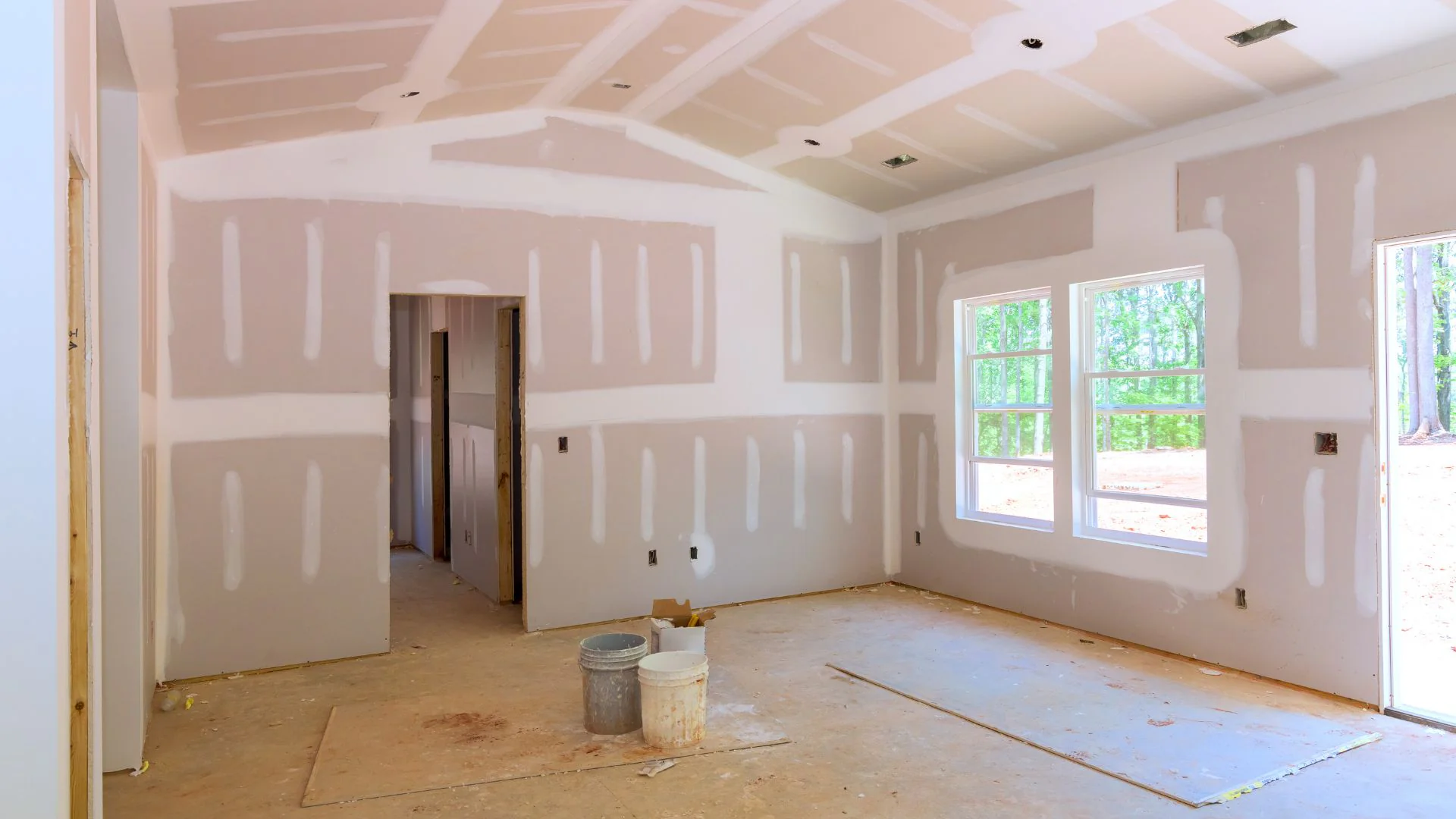
After inspections pass, the transformation begins. New drywall goes up. Tile gets installed—and that takes time because it can’t be rushed. Shower and wall tile installation often takes about a week to finish, as it requires precision and attention to detail. Cabinets get installed, then countertops get templated and fabricated. Fabricating countertops is a lengthy process that can’t begin until cabinets are complete, so this stage often represents the bulk of a kitchen renovation timeline.
Finishing work—painting, trim, final fixtures—happens last. Then there’s the punch list: all those little details that need addressing before the project is truly complete. Although this phase may only take a few days, it can add extra time to the overall remodel timeline, but completing the punch list carefully ensures the finished bathroom is fully functional, safe, and meets your expectations.
Starting your fall renovation project in September or early October? You could be enjoying your new space just in time for Thanksgiving and the holidays, welcoming family into a freshly designed kitchen or entertaining in a more spacious, functional living area. Wait until late October or November and you’re pushing into holiday season territory, which creates its own complications.
Want live answers?
Connect with a Corsino Construction expert for fast, friendly support.
Here’s what nobody tells you about living through a renovation: it’s harder than you think. When you’re actually living through a remodel, it can be tough to keep your head on straight when trying to make selections for tile and lighting fixtures that suit your budget while simultaneously worrying about whether the project will end on time.
But moving out isn’t always necessary or practical. Most interior renovation projects allow you to stay in your home if you plan properly. The key word there is “properly.” Winging it leads to misery for everyone—you, your family, and your contractor.
Many homeowners stay in the home during projects, and it’s important to choose a building team that is used to this scenario and can help you and your family plan accordingly. We make it as comfortable for homeowners as possible. That’s not just marketing speak. It’s the difference between a tolerable renovation and one that strains relationships and sanity.

Maintaining open communication with your remodeling team is crucial—discuss expectations, timelines, and safety measures before work begins to avoid misunderstandings and allow you to plan around noisy or disruptive workdays. Get a detailed schedule. Not just “we’ll start next week,” but which trades will be working when, what each phase involves, and when you can expect temporary disruptions to utilities or access.
The most recommended tip is to keep some areas nice—renovations can drag on longer than you think, and it really pays to invest time, energy, and money in keeping one to two rooms cozy and comfortable. If your bathroom is being gutted, make sure the other bathroom stays functional and pleasant. Kitchen remodel? Set up a temporary kitchen space with essentials—microwave, coffee maker, small refrigerator, even a hot plate if you’re serious about maintaining some normalcy.
Dust happens. Accept it now. Renovations can create dust so fine a human eye can’t see it, and that dust can also pass through a typical vacuum cleaner filter. Professional contractors use dust barriers, air scrubbers, and proper containment systems. Ask about this before signing any contract. It’s not an extra—it’s essential if you’re living in the space.
Determining where and when work takes place throughout your home allows you to isolate noisy and dusty areas, redistribute essentials, and keep your loved ones out of harm’s way, with proactive bathroom, kitchen, and outdoor strategies making life easier from day one. Seal off the work area as much as possible. Plastic sheeting, temporary walls, whatever it takes to contain the chaos to one zone.
Schedule flexibility helps too. Designate quiet times during the day when construction noise is minimized, allowing for family activities or relaxation. If you work from home, plan to be elsewhere during the loudest phases. Coffee shops, libraries, a friend’s place—anywhere but in the middle of tile cutting and demolition.
Kids and pets need special consideration. Most pets will need to be relocated during renovation for their safety, even if they’re usually well-behaved, as construction zones can be unpredictable with loud noises, open spaces, and unfamiliar people coming and going. Young children need clear boundaries about which areas are off-limits and constant supervision near work zones.
Losing your kitchen or bathroom for weeks sounds dramatic until it actually happens. Then it feels impossible. But thousands of homeowners do it successfully every year by planning ahead and adjusting expectations.
Living through a kitchen remodel can be a major interruption to your daily routine—the kitchen is referred to as the heart of the home for a reason, and while your new kitchen space will totally be worth the wait, regular cooking will be a challenge at best and impossible at worst, making a strategy for meal planning, take-out options, and temporary kitchen setup your lifeline.
Set up your temporary kitchen thoughtfully. You’ll use it longer than you expect. Designate a space—garage, basement, even a corner of your dining room—and equip it with basics. Microwave, toaster oven, electric kettle, slow cooker. A shelving unit with a mini fridge, slow cooker, toaster oven, coffee maker, and microwave creates functionality, though without sink or dishwasher access, disposable plates and cutlery become necessary.
Embrace simplified meal planning. This isn’t the time for elaborate home cooking. Grilling outdoors works great in early fall. Meal prep services, strategic takeout, and one-pot meals in your slow cooker become your rotation. Lower your standards temporarily. It’s not forever.
Bathroom renovations create different challenges. If possible, renovate only one bathroom at a time to keep at least another one available, then create a daily schedule where everyone is given specific times to prevent traffic jams. If you only have one bathroom and it’s being completely gutted, you need a backup plan. Family nearby? Gym membership for shower access? Whatever works, but figure it out before demo day.
The reality is this: if you live elsewhere during a renovation, builders can work on all areas of the property, but if you live on site, we’ll work around the areas being used as temporary living spaces, meaning the timeframe from start to completion may be slightly longer—however, by staying put, you’ll save money on renting elsewhere or paying two mortgages. Most Suffolk County homeowners choose to stay. The money saved on temporary housing often outweighs the inconvenience.
Communication remains critical throughout. Regardless of whether you’re doing the work yourself or hiring it out, a home remodel is still a lot of work and effort that requires your attention, so clearing your schedule of as many extras as possible before beginning is recommended. Be available for questions. Make decisions promptly. Delays often happen because homeowners can’t be reached when contractors need answers.
Fall renovation projects succeed when timing, planning, and execution align. Fall offers the best balance of good weather, contractor availability, and reasonable pricing for most projects. The window is there—you just have to use it strategically.
Start planning now if you want work completed before the holidays. Interview contractors. Finalize your design. Order materials. The homeowners who enjoy newly renovated spaces in November are the ones who started the process months earlier, not the ones who called contractors in October hoping for a miracle.
Choose professionals who understand what living through a renovation actually requires. Not just skilled tradespeople, but contractors who communicate clearly, maintain clean job sites, and treat your occupied home with the respect it deserves. For over 25 years, we’ve helped Suffolk County homeowners navigate interior renovations with licensed in-house professionals, transparent fixed pricing, and a commitment to making the process as smooth as possible—even when you’re living in the middle of it all.
Article details:
Share:
Continue learning: