Discover how fixed price construction contracts provide budget certainty and protect homeowners from the cost overruns that derail 31% of remodeling projects.
Share:
Summary:
You’ve planned your remodeling project. You know what you want. You’ve talked to contractors and received estimates. But here’s the question that keeps you up at night: what will this actually cost when it’s done?
If you’re like most homeowners planning a renovation in Suffolk County, NY, budget certainty matters more than almost anything else. You need to know the number won’t double halfway through. You need to protect yourself from surprise invoices and endless change orders.
That protection starts with understanding how construction pricing models work—and why a fixed price construction contract might be the smartest decision you make.
A fixed price construction contract sets a specific, predetermined cost for your entire project before any work begins. You and your contractor agree on the scope, materials, timeline, and total price. That number doesn’t change unless you request modifications through a formal change order.
This pricing model goes by several names. You might hear it called a lump sum contract, stipulated price contract, or fixed fee agreement. They all mean the same thing: one price for the defined scope of work.
The contractor takes responsibility for accurately estimating all costs—materials, labor, equipment, overhead, and profit. If the project costs more than expected, the contractor absorbs that difference. If it costs less, the contractor keeps the savings as additional profit.
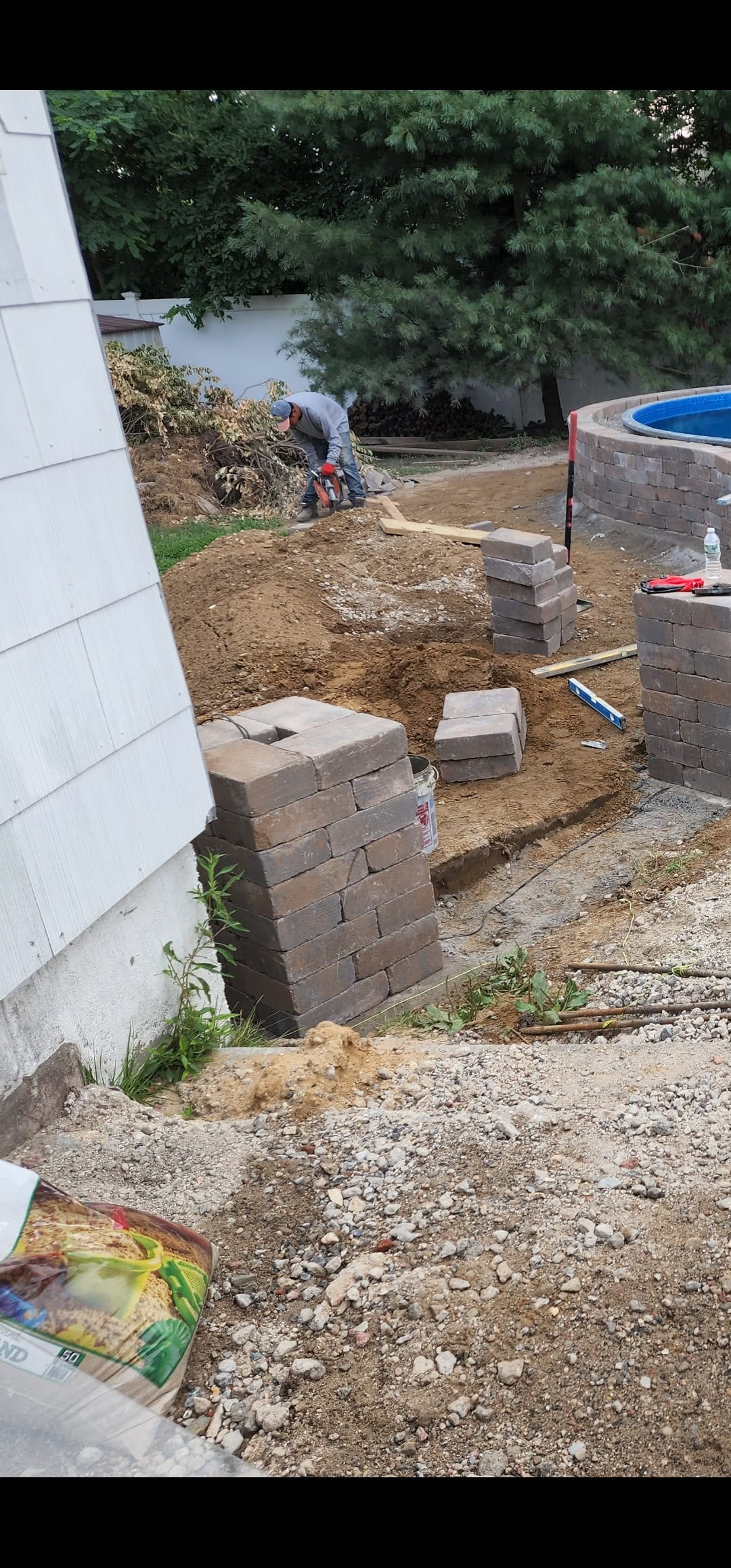
Budget protection is the primary reason homeowners choose fixed price construction contracts. When you sign the agreement, you know exactly what you’ll pay. You can secure the right construction loan amount, plan your finances accurately, and avoid the panic of scrambling for additional funds mid-project.
Consider what happens without this protection. Across the country, 31% of homeowners exceed their remodeling budgets. Only 36% finish on budget. Some face overruns of $50,000 to $100,000 on major renovations. In Suffolk County, where bathroom remodels average $16,500 to $36,000 and kitchen renovations run $30,000 to $75,000 or more, even a 20% overrun can devastate your finances.
Fixed pricing eliminates that uncertainty. Your contractor must plan thoroughly before providing a price. They need to account for materials, labor, potential challenges, and contingencies. This upfront work benefits you directly.
The contractor is motivated to work efficiently and find cost-effective solutions when unexpected issues arise. They can’t simply pass every problem to you as an additional charge. This creates accountability that protects your investment.
Suffolk County’s strict contractor regulations add another layer of protection. Licensed contractors understand local building codes, permit requirements, and payment protection laws that require deposits in escrow accounts. When you work with a reputable contractor offering fixed pricing, you’re getting both regulatory compliance and budget certainty.
There’s also psychological relief. You’re not opening bills each month wondering what the damage will be. You’re not recalculating your budget every week. You can focus on the excitement of your renovation rather than the anxiety of escalating costs.
Fixed price contracts work best when your project scope is clearly defined. You’ve made your selections. You know what materials you want. The contractor has inspected your space and understands the work involved. This clarity allows for accurate pricing.
Not every project suits fixed price construction contracts, but many do. Understanding when this pricing model works best helps you make informed decisions.
Fixed pricing excels for projects with predictable scope. Bathroom remodels where you’ve selected all fixtures, finishes, and layouts. Kitchen renovations with finalized cabinet designs, appliance choices, and material selections. These projects have clear parameters that allow contractors to estimate accurately.
Experienced contractors who’ve completed similar work many times can price these projects confidently. They know how long installation takes. They understand material costs in the current market. They’ve encountered common challenges in Suffolk County homes—older plumbing systems, outdated electrical work, structural quirks—and know how to address them.
Your contractor’s experience matters enormously here. A contractor who’s remodeled dozens of bathrooms in Suffolk County knows what to expect. They’ve worked with local building codes and permit timelines. They’ve navigated the specific challenges of homes built in different decades across different towns.
This experience translates directly to accurate pricing. The contractor can build realistic contingencies into their bid without inflating costs unnecessarily. They protect themselves while still offering you competitive pricing.
Fixed pricing also makes sense when you need budget certainty for financing. Construction loans require specific amounts. You can’t simply request more money halfway through because your contractor’s “estimate” was too low. Fixed pricing ensures your loan covers the actual cost.
The timing works in your favor too. When you’ve done the upfront planning work—finalizing designs, making selections, understanding your goals—you’re ready for fixed pricing. The contractor can give you an accurate number because all the variables are known.
Projects that don’t suit fixed pricing include those with undefined scope, incomplete designs, or significant unknowns. Major renovations where you’re still deciding on layouts. Projects where you want flexibility to make changes as work progresses. Situations where discovering hidden issues is extremely likely and you want to address them as they’re found rather than through formal change orders.
Want live answers?
Connect with a Corsino Construction expert for fast, friendly support.
Understanding different construction pricing models helps you choose the right protection for your project. Each model allocates risk differently between you and your contractor.
Beyond fixed price contracts, two other models dominate residential remodeling: cost plus construction contracts and time and materials pricing. Each has specific situations where it works well and others where it creates problems.
The fundamental difference comes down to risk. Who absorbs unexpected costs? Who benefits from efficiencies? Who carries the burden when challenges arise? These questions determine which pricing model protects your interests.
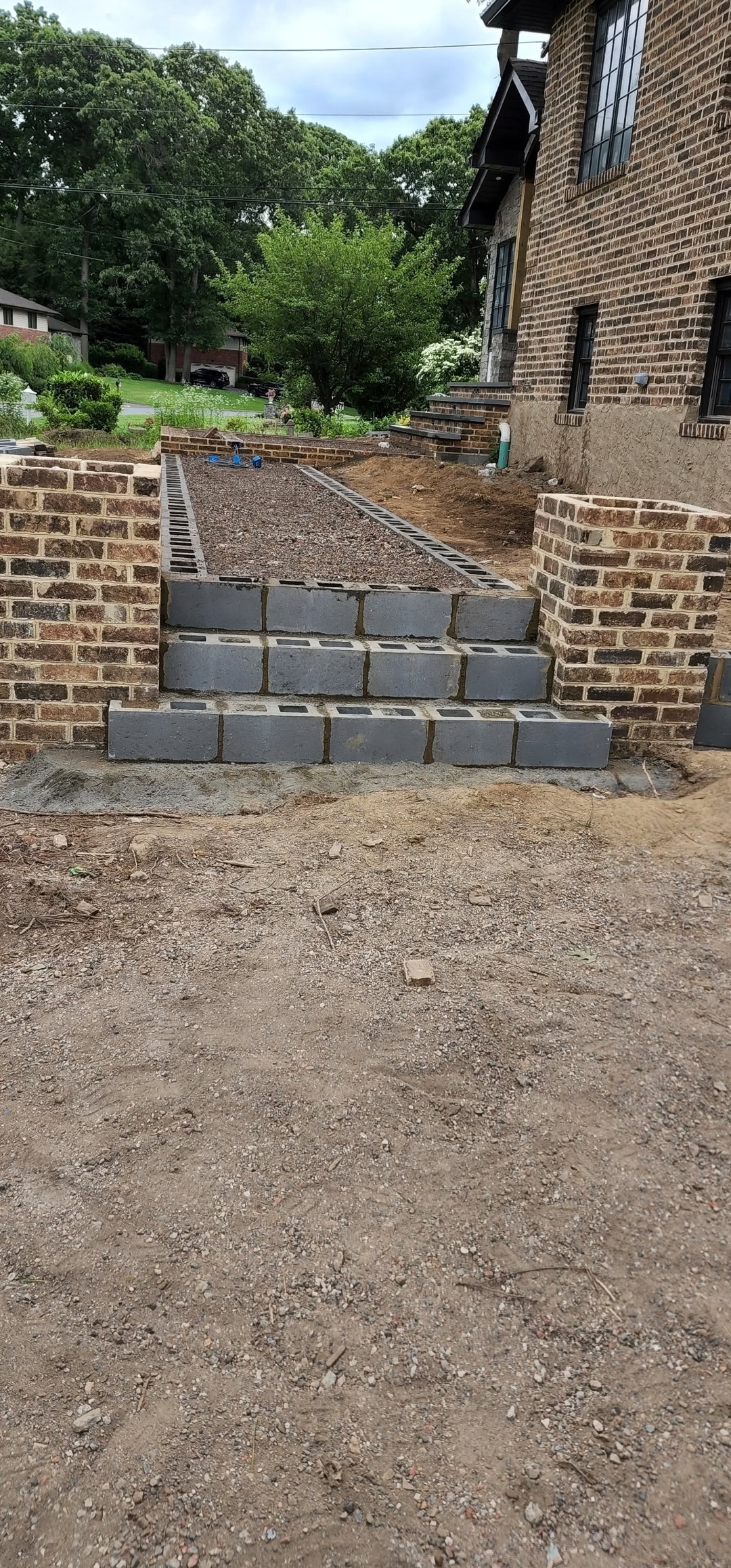
A cost plus construction contract requires you to pay the actual costs of construction plus a predetermined fee or percentage for the contractor’s profit and overhead. You’re essentially reimbursing every expense and adding the contractor’s markup.
This model offers transparency. You see every invoice. You know what materials cost. You understand labor charges. The contractor isn’t hiding markup in their pricing because everything is visible.
The “plus” portion can be structured different ways. Some contracts use a fixed fee—you pay all costs plus $15,000, for example. Others use a percentage—you pay all costs plus 15% or 20%. Some include a guaranteed maximum price to cap your exposure, though you’re still tracking expenses up to that ceiling.
Cost plus contracts work well when scope is genuinely unclear. Major renovations where you’re discovering issues as walls open. Projects where design is evolving during construction. Situations where flexibility matters more than budget certainty.
The challenge is that you carry most of the financial risk. If the project takes longer than expected, you pay for those extra labor hours. If material prices increase, you absorb that cost. If the contractor isn’t efficient, you’re still paying for their time.
This creates a different dynamic than fixed pricing. The contractor has less financial incentive to work quickly or find cost savings. They’re getting paid for their time and costs regardless. While good contractors maintain efficiency and integrity, the structure doesn’t reward it the same way fixed pricing does.
You also need more involvement. You’re approving expenses regularly. You’re tracking spending against estimates. You’re making sure costs align with expectations. This takes time and creates stress that fixed pricing eliminates.
For Suffolk County homeowners, cost plus contracts can work for complex projects with experienced contractors you trust deeply. But for typical bathroom or kitchen remodels with defined scope, fixed pricing usually provides better protection. When you know you want quartz countertops, specific tile, and particular fixtures, there’s no reason to leave pricing open-ended.
The transparency of cost plus contracts can be valuable, but it comes with tradeoffs. You’re trading budget certainty for visibility into costs. You’re accepting financial risk in exchange for flexibility. Make sure that trade makes sense for your situation.
Different construction contract types allocate risk in ways that directly impact your budget protection. Understanding these risk factors helps you choose the right contract for your remodeling project.
Time and materials contracts bill you for actual hours worked plus materials used. The contractor tracks labor time and material costs, then invoices you with their markup. This model offers even less budget protection than cost plus contracts because there’s no defined project fee or cost estimate to anchor expectations.
These contracts work for small repairs or emergency work where scope truly can’t be defined upfront. But for planned remodeling projects, they create significant risk. You have no idea what the final cost will be until work is complete and the final invoice arrives.
Guaranteed maximum price contracts try to blend cost plus transparency with fixed price protection. You pay actual costs plus contractor fee, but there’s a ceiling. If costs exceed the maximum, the contractor absorbs the difference. If costs come in under, you might share savings depending on how the contract is written.
This sounds appealing but creates complexity. You’re still tracking expenses and approving costs like a cost plus contract. You’re still involved in the financial details throughout the project. You just have a safety net if things go very wrong.
Unit price contracts set a price per unit of work—per square foot of flooring, per linear foot of countertop, per fixture installed. These work well for repetitive tasks where quantities might vary but unit costs are predictable. They’re less common in residential remodeling but occasionally used for specific project components like flooring or tile work.
The risk factor you need to understand is simple: who pays when things cost more than expected? In fixed price contracts, the contractor pays. In cost plus and time and materials contracts, you pay. In guaranteed maximum price contracts, it depends on whether you’ve hit the ceiling.
For most Suffolk County homeowners planning bathroom or kitchen remodels, fixed price contracts offer the best risk allocation. You’re hiring licensed professionals who should be able to estimate accurately. You’re defining scope clearly before work begins. You’re making selections upfront. All the conditions exist for accurate pricing.
The contractor’s risk motivates them to plan thoroughly, work efficiently, and manage costs effectively. Your protection comes from knowing the price won’t change unless you request changes. That’s the kind of certainty that lets you sleep at night while your home is under construction.
Change orders represent the main exception. If you decide mid-project that you want different tile, upgraded fixtures, or layout modifications, expect to pay for those changes. But those are your choices, not surprise costs the contractor is passing along because they underestimated the job.
Understanding these contract types and their risk factors puts you in control. You can ask informed questions when interviewing contractors. You can evaluate proposals accurately. You can choose the protection that makes sense for your specific project and budget.
Your remodeling budget deserves protection. With 31% of projects exceeding budget and only 36% finishing on target, choosing the right construction pricing model isn’t optional—it’s essential.
Fixed price construction contracts offer the clearest path to budget certainty for most residential remodeling projects. When you’ve defined your scope, made your selections, and chosen an experienced contractor, fixed pricing protects your investment while motivating quality work.
Understanding construction pricing models, cost plus construction contracts, and the various construction contract types available helps you make informed decisions. You’re not just hiring a contractor—you’re entering a financial partnership that needs the right structure to succeed.
For Suffolk County homeowners planning bathroom remodels, kitchen renovations, or other home improvements, working with licensed professionals who offer transparent, fixed pricing provides both regulatory compliance and budget protection. We’ve served the Suffolk County community for over 25 years with this exact approach—clear pricing, no hidden fees, and the kind of accountability that comes from putting everything in writing before work begins.
Article details:
Share:
Continue learning: