Not all remodeling contractors work the same way. Learn how in-house teams differ from subcontractor models and why it matters for your Suffolk County home renovation project.
Share:

Summary:
You’ve seen the estimates. You’ve checked the reviews. But here’s a question most homeowners don’t think to ask: who’s actually doing the work?
Not all contractors operate the same way. Some employ their own licensed teams. Others hire subcontractors on a project-by-project basis. And that difference changes everything—from who’s accountable when something goes wrong to how consistently your project gets managed.
If you’re planning a kitchen remodel, bathroom renovation, or any major project in Suffolk County, understanding the general contractor vs subcontractor model isn’t just helpful. It’s essential. Let’s break down what these terms actually mean and why it matters for your home.
A general contractor oversees your entire project. They’re your main point of contact, responsible for scheduling, budgeting, permits, and making sure everything gets done right. When you sign a contract, you’re hiring them to deliver the finished result.
A subcontractor is a specialist hired by the general contractor to handle specific tasks—plumbing, electrical work, drywall, painting. They don’t work for you directly. They work for the contractor, often on a job-by-job basis.
Here’s where it gets important: some general contractors employ their own in-house teams of licensed professionals. These workers are employees—trained, managed, and accountable to the company. Other contractors rely heavily on subcontractors, coordinating multiple independent workers who may be juggling several jobs at once.
The model a contractor uses determines how your project runs, who you can hold accountable, and how much control the contractor actually has over quality and timing.
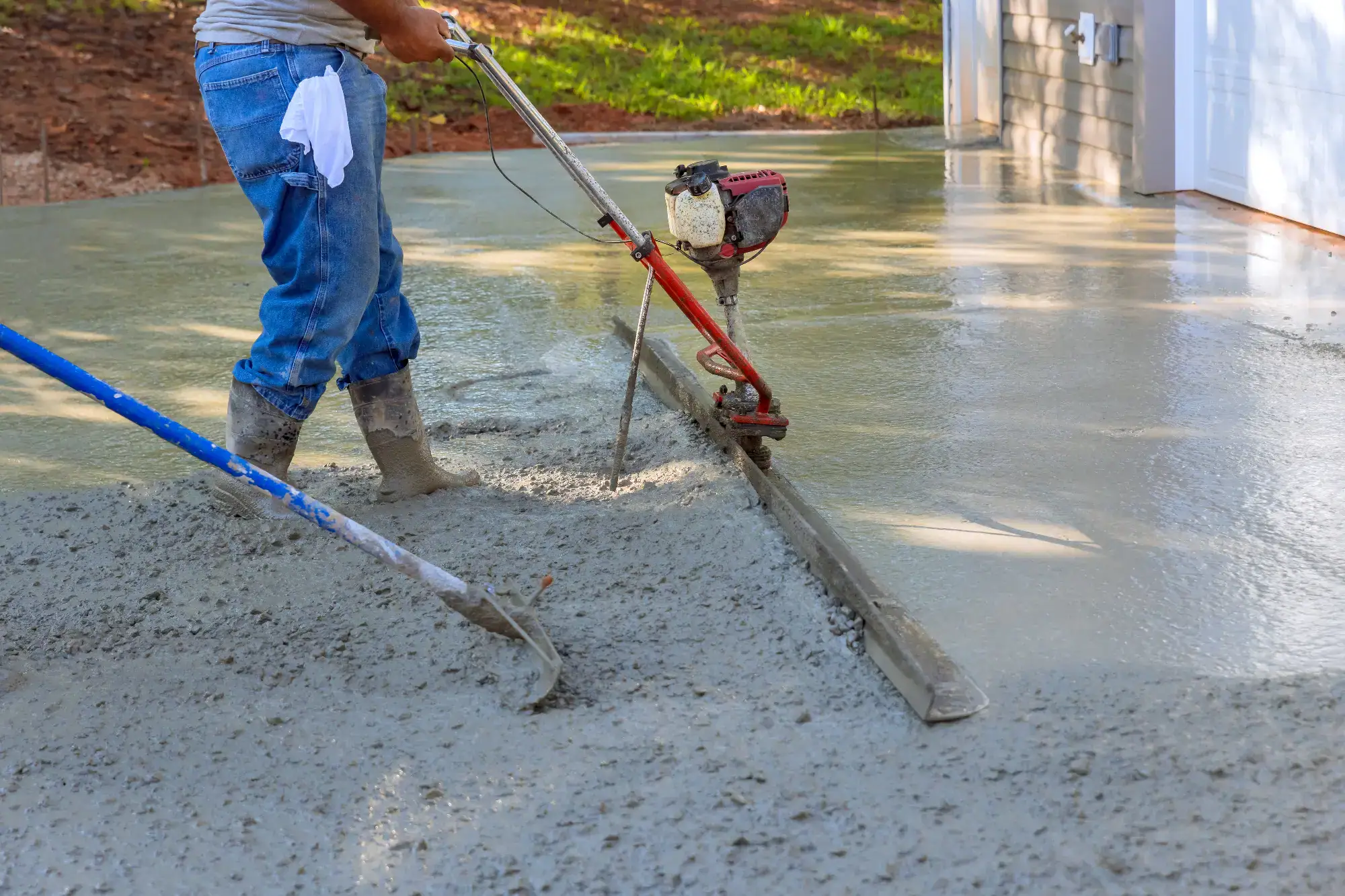
An in-house team means the people working on your home are directly employed by the contractor. They’re not independent. They’re not splitting time between your job and someone else’s. They show up, do the work, and answer to one boss—the contractor you hired.
This model creates a clear chain of command. If something needs to change, the contractor can make it happen immediately. No waiting for a subcontractor to finish another job or return your call.
In-house teams also tend to be more consistent. The same crew that starts your kitchen remodel is often the same crew that finishes it. They know the project, they know the plan, and they’re trained to follow the company’s quality standards. That consistency reduces mistakes, speeds up timelines, and keeps communication straightforward.
You also get better oversight. The contractor isn’t coordinating five different companies with five different schedules. They’re managing their own people, which means tighter control over quality, faster problem-solving, and fewer gaps in accountability.
For homeowners in Suffolk County, where projects often involve local building codes, site-specific challenges, and tight timelines, that level of control makes a real difference. When the contractor has direct authority over the team, your project doesn’t get stuck waiting on someone else’s availability.
Licensed in-house professionals also bring another advantage: they’re invested in the company’s reputation. Their work reflects directly on the contractor, which creates a built-in incentive to do the job right the first time.
In a subcontractor-based model, the general contractor acts more like a project coordinator. They hire independent specialists for each phase of the work—one company for framing, another for plumbing, another for electrical, and so on.
Subcontractors are skilled in their trades, but they’re not employees of the contractor. They’re running their own businesses, managing their own schedules, and working on multiple projects simultaneously. That independence can create challenges.
Communication becomes more complicated. Instead of one team working together, you have multiple parties who may never have collaborated before. The electrician doesn’t necessarily know what the plumber is doing, and the drywall crew might not be aware of changes the framers made last week.
Scheduling can also become unpredictable. Subcontractors often juggle several jobs at once, which means your project might get delayed if they’re finishing up work elsewhere. The general contractor can push for faster timelines, but they don’t have the same level of control they would over their own employees.
Accountability gets murkier too. If something goes wrong, the general contractor might point to the subcontractor. The subcontractor might say they were following the plans. And you’re left in the middle, trying to figure out who’s responsible and how to get it fixed.
That’s not to say all subcontractors do poor work—many are excellent at what they do. But the model itself introduces more variables, more potential for miscommunication, and more layers between you and the people actually doing the work.
For homeowners who value direct communication, consistent quality, and clear accountability, the subcontractor model can feel like a gamble. You’re not just trusting one company. You’re trusting the contractor’s ability to coordinate multiple independent parties who may or may not share the same standards.
Want live answers?
Connect with a Corsino Construction expert for fast, friendly support.
Accountability sounds simple until something goes wrong. A tile job doesn’t match the sample. The paint color is off. The timeline slips by two weeks. Now what?
With an in-house team, the answer is straightforward. The contractor is responsible. Their employees did the work, so they fix it. No finger-pointing, no waiting for a subcontractor to come back, no debate about who’s liable.
With a subcontractor model, accountability gets divided. The general contractor might say the issue is the subcontractor’s fault. The subcontractor might say they followed the plans. Meanwhile, you’re stuck waiting for someone to take ownership and make it right.
That difference matters more than most homeowners realize. When problems arise—and they do on almost every project—the speed and clarity of the resolution depends on how accountability is structured.

Project management is where the in-house vs subcontractor difference becomes most visible. Managing a remodeling project isn’t just about scheduling—it’s about coordinating dozens of moving parts, making real-time decisions, and keeping everything aligned with the original plan.
When a contractor employs their own team, project management is direct. The project manager can walk onto the job site, talk to the crew, adjust the plan if needed, and make sure everyone stays on the same page. There’s no middleman. No waiting for callbacks. No coordinating between multiple companies.
In a subcontractor model, the general contractor is managing relationships, not people. They can’t tell a subcontractor’s crew to stay late or shift priorities. They have to negotiate, coordinate schedules, and work around the availability of multiple independent parties.
That creates delays. It creates communication gaps. And it creates situations where the left hand doesn’t know what the right hand is doing.
For Suffolk County homeowners, where projects often involve structural work, local permitting, and site-specific challenges, strong project management isn’t optional. You need someone who can make decisions quickly, adjust to unexpected issues, and keep the project moving without waiting on external parties.
In-house teams also allow for better quality checks throughout the process. The project manager can inspect work as it’s happening, catch issues early, and make corrections before they become expensive problems. With subcontractors, inspections often happen after the work is done, which means rework, delays, and added costs if something doesn’t meet standards.
Homeowners also benefit from clearer communication. Instead of fielding calls from multiple subcontractors, you have one point of contact who can answer questions, provide updates, and address concerns. That simplicity reduces stress and keeps you informed without overwhelming you with details.
Quality control is where the in-house model really separates itself. When a contractor trains, manages, and directly oversees their own team, they can enforce consistent standards across every project.
In-house teams follow the same processes, use the same materials, and work to the same quality benchmarks. That consistency means fewer surprises, fewer mistakes, and a finished product that matches what you were promised.
Subcontractors, on the other hand, bring their own standards, methods, and materials. One might do excellent work. Another might cut corners. The general contractor can set expectations, but they can’t control how each subcontractor operates day-to-day.
Quality control also depends on accountability. In-house teams know that their work will be inspected by their employer, not just by the homeowner. That creates a built-in incentive to meet company standards. Subcontractors are accountable to the general contractor only to the extent that they want future work—but if they’re busy enough, that incentive weakens.
For homeowners investing in a kitchen remodel, bathroom renovation, or any major project, quality isn’t negotiable. You’re spending tens of thousands of dollars. You’re disrupting your home. You deserve work that’s done right the first time.
In-house teams also reduce rework. When the same crew handles multiple phases of the project, they understand how their work affects the next step. The framer knows what the electrician will need. The plumber knows where the tile will go. That coordination prevents mistakes that would otherwise require expensive fixes later.
In Suffolk County, where home values are high and expectations are higher, quality control isn’t just about craftsmanship. It’s about protecting your investment, maintaining your home’s value, and ensuring that the finished project meets the standards you expect.
The general contractor vs subcontractor question isn’t about which model is “better” in every situation. It’s about which model gives you the accountability, quality control, and communication you need for your specific project.
If you value direct oversight, consistent workmanship, and a single point of contact, an in-house team offers clear advantages. If you’re comfortable navigating multiple parties and want access to a broader range of specialists, a subcontractor model might work for you.
For most Suffolk County homeowners, though, the choice comes down to peace of mind. When you hire a contractor with licensed in-house professionals, you know exactly who’s responsible, who’s doing the work, and who you can call if something needs attention.
If you’re planning a renovation and want a team that handles everything from start to finish, we bring over 25 years of experience, licensed in-house professionals, and a commitment to transparent pricing and clear communication. Your project deserves a team that’s accountable, reliable, and focused on delivering results you’ll be proud of for years to come.
Article details:
Share:
Continue learning: