Suffolk County basements are becoming multi-functional living spaces. Explore modern home renovation trends that add real value to Selden and Centereach properties.
Share:
Summary:
You’ve got a basement that’s collecting storage boxes and maybe some old paint cans. Meanwhile, you’re running out of space upstairs, the kids need a play area that doesn’t take over the living room, and you’ve been working from the kitchen table for two years.
Your basement represents real square footage that could actually solve these problems. But basement renovations in Suffolk County come with specific considerations that don’t apply everywhere else. Long Island’s freeze-thaw cycles, moisture challenges, and local building codes all factor into what works and what doesn’t.
This isn’t about following every trend that shows up on design blogs. It’s about understanding which modern home renovation approaches make sense for homes in Selden, Centereach, and surrounding Suffolk County areas, and how to execute them properly so they last.
Adding square footage to your home usually means building an addition, which involves excavation, new foundation work, roofing, and exterior finishing. You’re looking at costs that run two to three times higher per square foot than basement finishing.
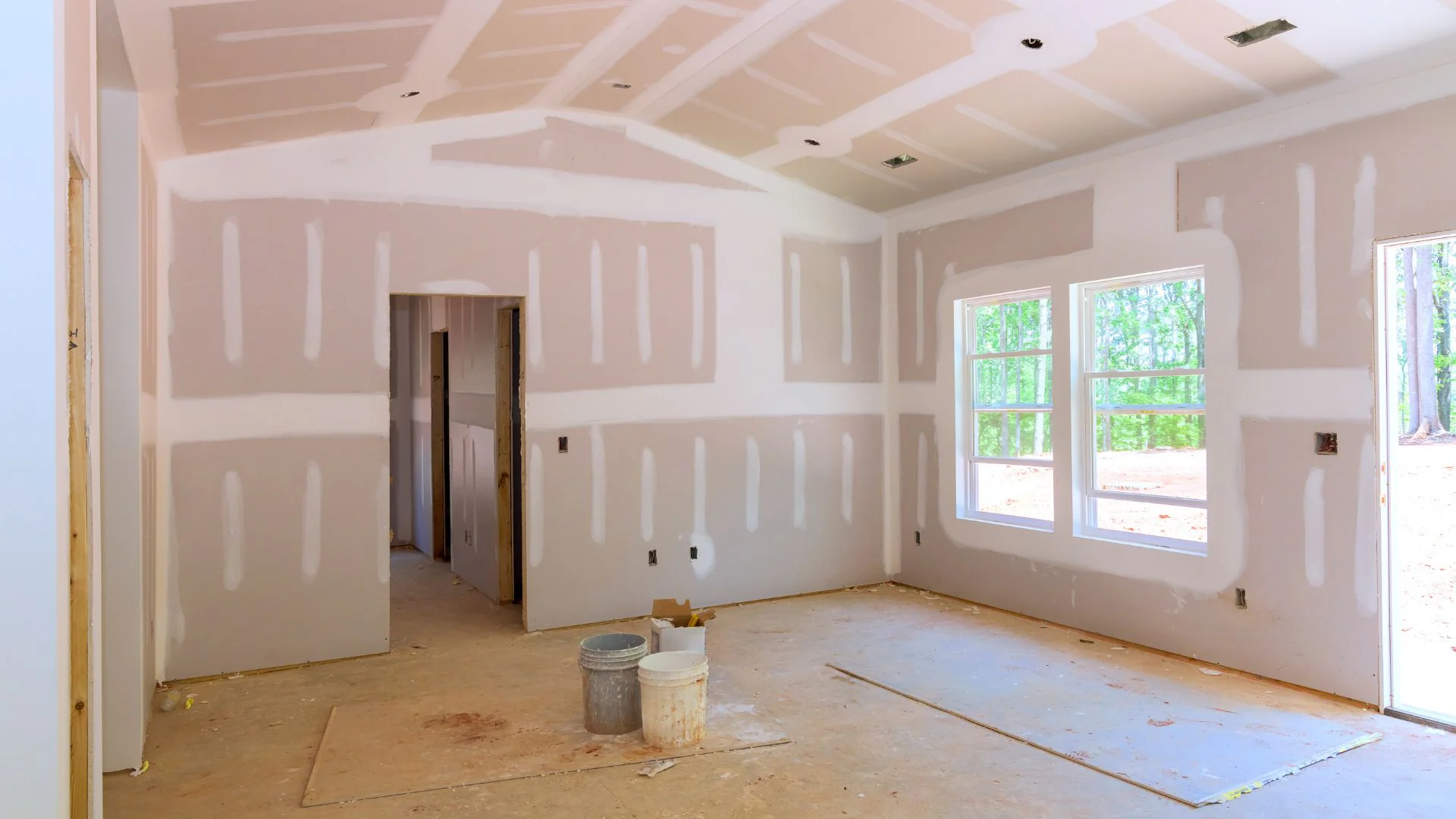
Your basement already has the structure in place. The floor exists. The ceiling exists. The walls are there. You’re working with space that’s already part of your home’s footprint, which makes basement home renovation one of the most cost-effective ways to gain usable living area.
The return on investment backs this up. Basement remodels in 2026 are recouping between 65% and 75% of their cost at resale, according to current remodeling studies. That puts basement finishing among the top home improvement projects for ROI. But the real value shows up in how the space improves your daily life while you’re still living there.

The most successful basement home renovation projects in Selden and Centereach aren’t single-purpose rooms anymore. Families need spaces that can shift function depending on the day or time.
A basement home office during work hours becomes a media room in the evening. A workout area along one wall shares space with a kids’ play zone that’s separated by smart furniture placement rather than permanent walls. A guest suite with a bathroom serves visiting family but doubles as a quiet retreat when no one’s staying over.
This flexibility matters because how you use your home changes. Kids grow up. Work situations evolve. Hobbies shift. A basement designed around one rigid purpose feels limiting within a few years.
The key is thinking in zones rather than dedicated rooms. Area rugs, lighting levels, and furniture arrangement can create distinct spaces without building walls that lock you into a single layout. You maintain the open feel that makes basements comfortable while still defining different functional areas.
Centereach homeowners are incorporating built-in storage and custom shelving that keeps these multi-use spaces organized. When one area serves multiple purposes, clutter becomes the enemy of functionality. Smart storage solutions built into the renovation keep everything accessible but out of sight when you need the space to shift from one use to another.
The basement bar or beverage station has evolved too. Instead of elaborate wet bars that require extensive plumbing work, many Suffolk County renovations now include floating shelving with a mini-fridge below. It provides the entertaining function without the construction complexity, and it can adapt if your needs change down the road.
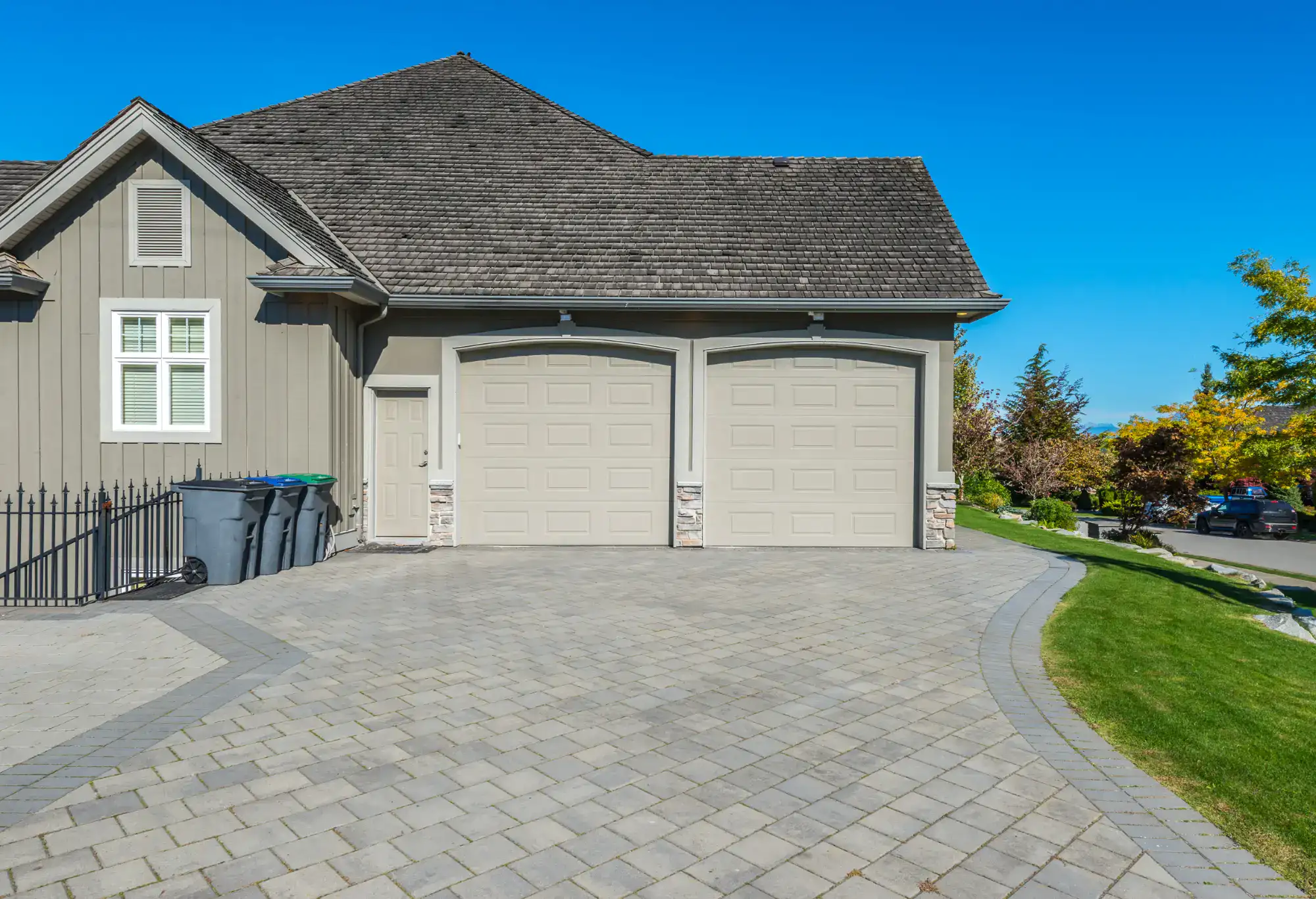
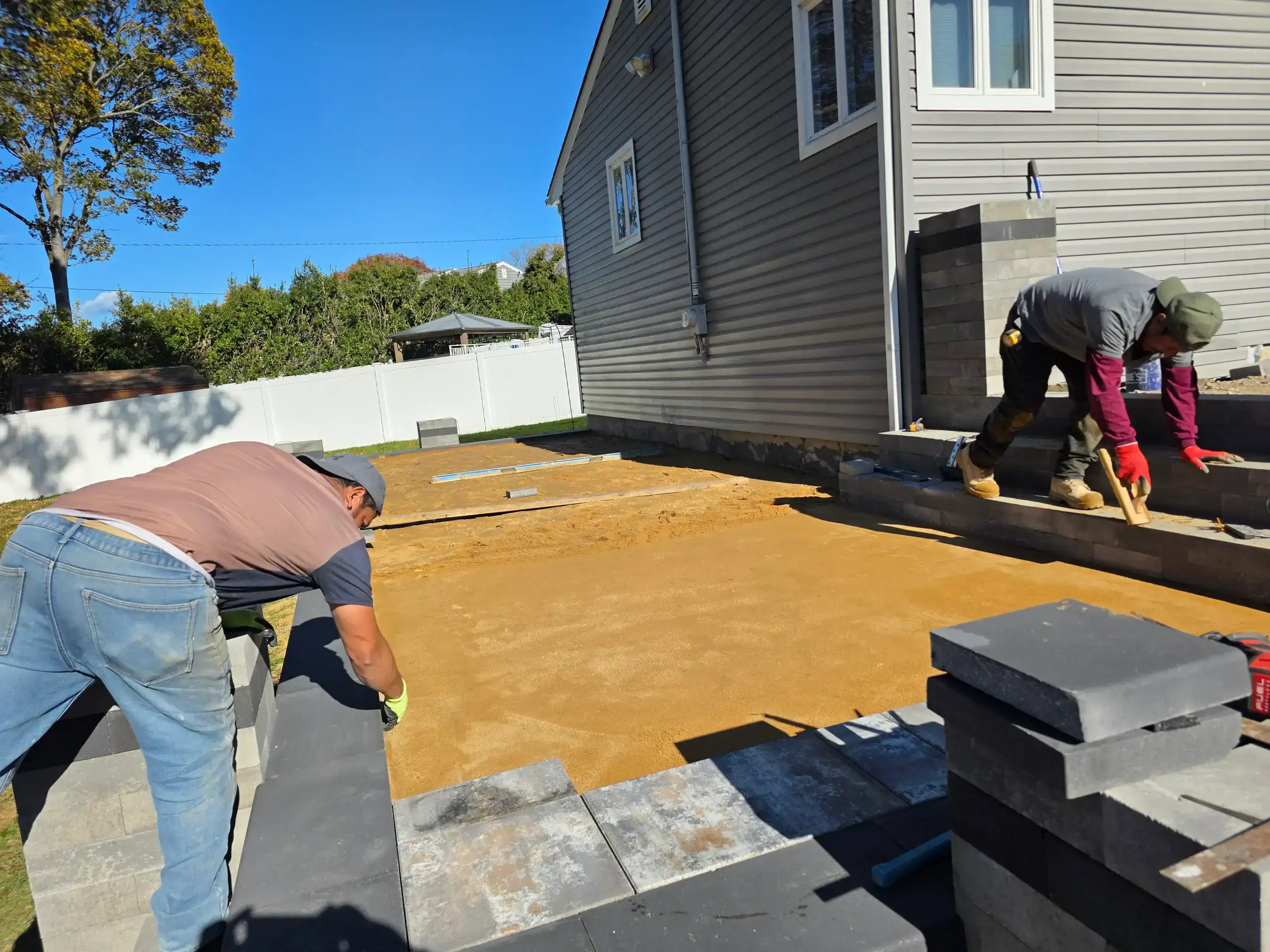
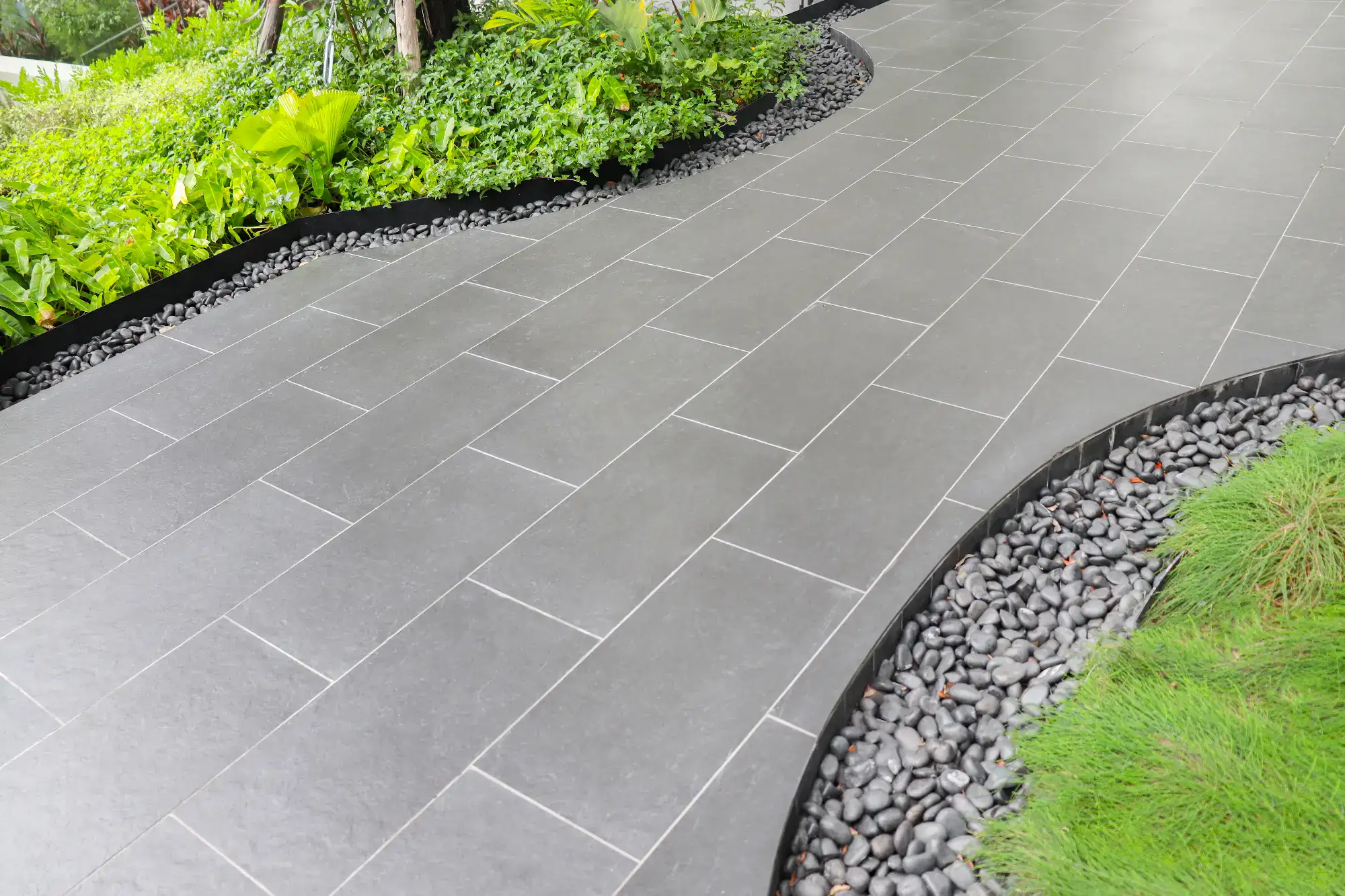
Some homeowners are even connecting their basement renovations to outdoor living upgrades. A finished basement with walkout access to a new patio or deck creates seamless indoor-outdoor flow that’s perfect for entertaining. We can often coordinate exterior improvements like patio installation or walkway paving to create a cohesive home renovation plan.
Long Island’s freeze-thaw cycles and coastal humidity create specific challenges that don’t exist in drier climates. You can install the most beautiful finishes in the world, but if moisture control isn’t handled correctly from the start, you’ll be dealing with mold, mildew, and structural problems within a few years.
Proper basement waterproofing in Suffolk County typically involves multiple layers of protection. This includes sealed walls and floors, professional drainage systems that direct water away from the foundation, and sump pumps where needed. It’s not the glamorous part of basement home renovation, but it’s the foundation that protects everything else.
Insulation matters more than most homeowners realize. Basements in Selden and Centereach need insulation that creates a comfortable temperature year-round while also managing moisture. The wrong insulation type or improper installation can actually trap moisture against your foundation walls, creating exactly the problems you’re trying to prevent.
Ventilation works hand-in-hand with moisture control. Basements need proper air circulation to prevent humidity buildup, especially in Long Island’s humid summers. This might involve extending your HVAC system, adding dedicated dehumidification, or incorporating ventilation systems designed specifically for below-grade spaces.
The materials you choose for flooring, walls, and finishes need to account for basement conditions. Luxury vinyl plank flooring has become popular in Suffolk County basement renovations because it handles moisture better than traditional hardwood while still providing an attractive finish. Carpet can work in certain basement areas, but it requires proper moisture barriers and climate control to prevent mold growth.
These aren’t optional considerations you can skip to save money. They’re the difference between a basement renovation that lasts decades and one that needs major repairs within five years. The same attention to drainage and moisture management that goes into quality pool patio installations or walkway paving projects applies to basement work. Water management is critical for any home renovation project in Suffolk County’s climate.
We understand these local requirements and build them into the project from the planning stage. We know which materials perform well in Long Island conditions and which ones will cause problems despite looking good initially.
Want live answers?
Connect with a Corsino Construction expert for fast, friendly support.
Basement design in 2026 has moved away from trying to hide the fact that you’re in a basement. Instead, current home renovation trends embrace the space while making it feel warm, inviting, and integrated with the rest of your home.
Lighting plays a huge role in this shift. Recessed lighting, layered lighting at different levels, and strategic use of warmer light temperatures make basements feel less like underground spaces and more like natural extensions of your main floor. Some Selden homeowners are even incorporating egress windows that bring in natural light while meeting building code requirements for basement living spaces.
The color palette has shifted too. Dark, heavy colors that used to dominate basement spaces are giving way to lighter, warmer tones that make the area feel more open and welcoming. This doesn’t mean everything needs to be white, but the trend is toward colors that reflect light and create a sense of space rather than closing it in.
Remote work changed how people think about home layout, and basements have become prime real estate for dedicated office space. The separation from main living areas provides the quiet and focus that’s hard to achieve when you’re working from a bedroom or kitchen table.
A properly designed basement home office in Centereach includes more than just a desk and chair. You need adequate lighting that reduces eye strain during long work days. You need climate control that keeps the space comfortable year-round. You need soundproofing or acoustic treatments that minimize noise from upstairs activities, especially if you’re on video calls regularly.
Built-in desks and custom storage make the space more functional than portable furniture ever could. When the office is designed into the renovation rather than added afterward, you can incorporate cable management, proper electrical outlets positioned where you actually need them, and storage that keeps work materials organized without cluttering the space.
Internet connectivity matters too. Basements can have Wi-Fi dead zones, so planning for network infrastructure during the renovation prevents connectivity headaches later. This might mean running ethernet cables, positioning mesh network nodes, or upgrading your overall home network to handle the additional space.
The basement office trend also includes convertible spaces that can shift function when needed. A Murphy bed or sleeper sofa allows the office to become guest quarters when family visits. Flexible furniture arrangements let the space serve as a quiet study area for kids during homework time while still functioning as your primary workspace during business hours.
Suffolk County building codes have specific requirements for basement spaces used as living areas, including egress windows and ceiling height minimums. Working with contractors who understand these regulations ensures your basement office meets all requirements, which matters both for safety and for maintaining your home’s value.
Some homeowners are extending their home renovation projects beyond just the basement. The same planning that goes into creating a functional basement office can apply to outdoor work areas. We can create covered outdoor workspace that complements your interior renovation, giving you options for where you work depending on weather and preference.
Entertainment-focused basements have evolved beyond the basic rec room concept. Modern basement entertainment spaces in Selden and Centereach are designed around how families actually spend time together, with features that support everything from movie nights to game tournaments to casual hangout space.
Home theaters remain popular, but the approach has shifted toward more flexible media rooms rather than dedicated single-purpose theaters. Comfortable seating, quality sound systems, and smart lighting that can be adjusted for different activities create spaces that work for movie watching, gaming, or just relaxing with the family.
Game rooms are incorporating multiple activity zones. A pool table or foosball table might occupy the center of the space, while wall-mounted TVs and gaming consoles create a separate area for video games. Built-in storage keeps games, controllers, and equipment organized and accessible without cluttering the space.
The basement bar concept has become more casual and adaptable. Instead of elaborate setups with full plumbing and extensive cabinetry, many Suffolk County homeowners are opting for beverage stations with mini-fridges, open shelving, and countertop space for serving. This provides the entertaining function without the construction complexity and cost of wet bar installation.
Acoustic considerations matter in entertainment spaces. You want good sound quality for movies and games, but you also don’t want every noise from the basement carrying throughout the house. Sound insulation in walls and ceilings, along with acoustic treatments like area rugs and soft furnishings, help contain sound where you want it.
Basement entertainment areas also benefit from durable, easy-to-clean finishes. Spills happen. Kids track in dirt. Guests move around with food and drinks. Materials that can handle regular use without showing wear keep the space looking good with minimal maintenance. Luxury vinyl flooring, sealed concrete, and stain-resistant fabrics all make sense in high-traffic basement entertainment areas.
The trend toward multi-functional entertainment spaces means thinking about how different activities might overlap or transition. A media area that can quickly shift to accommodate a kids’ birthday party, or a game space that converts to a comfortable hangout area for adult gatherings, provides more value than rigidly defined single-purpose rooms.
Many homeowners are thinking about their entire property when planning renovations. A finished basement entertainment area pairs well with outdoor entertaining spaces. We can create an outdoor kitchen or seating area, or add a pool patio for summer gatherings, creating multiple entertainment zones that work together. The same attention to detail and quality materials that goes into basement work extends to exterior projects.
Basement home renovation projects in Selden and Centereach work best when they’re planned around how you actually live rather than chasing every design trend that appears online. Multi-purpose layouts, proper moisture control, and materials selected for Long Island’s climate create spaces that function well and last.
The ROI on basement finishing makes it one of the smarter home improvement investments you can make, but that value depends on doing the work correctly from the start. Proper permits, licensed contractors who understand Suffolk County building codes, and attention to the details that prevent moisture problems all factor into whether your basement renovation delivers the results you’re looking for.
If you’re considering a basement renovation or any home improvement project in Suffolk County, we bring over 20 years of experience to interior and exterior renovations throughout the area. From initial planning through final completion, working with experienced professionals who understand local requirements makes the home renovation process smoother and the results more reliable.
Article details:
Share:
Continue learning: