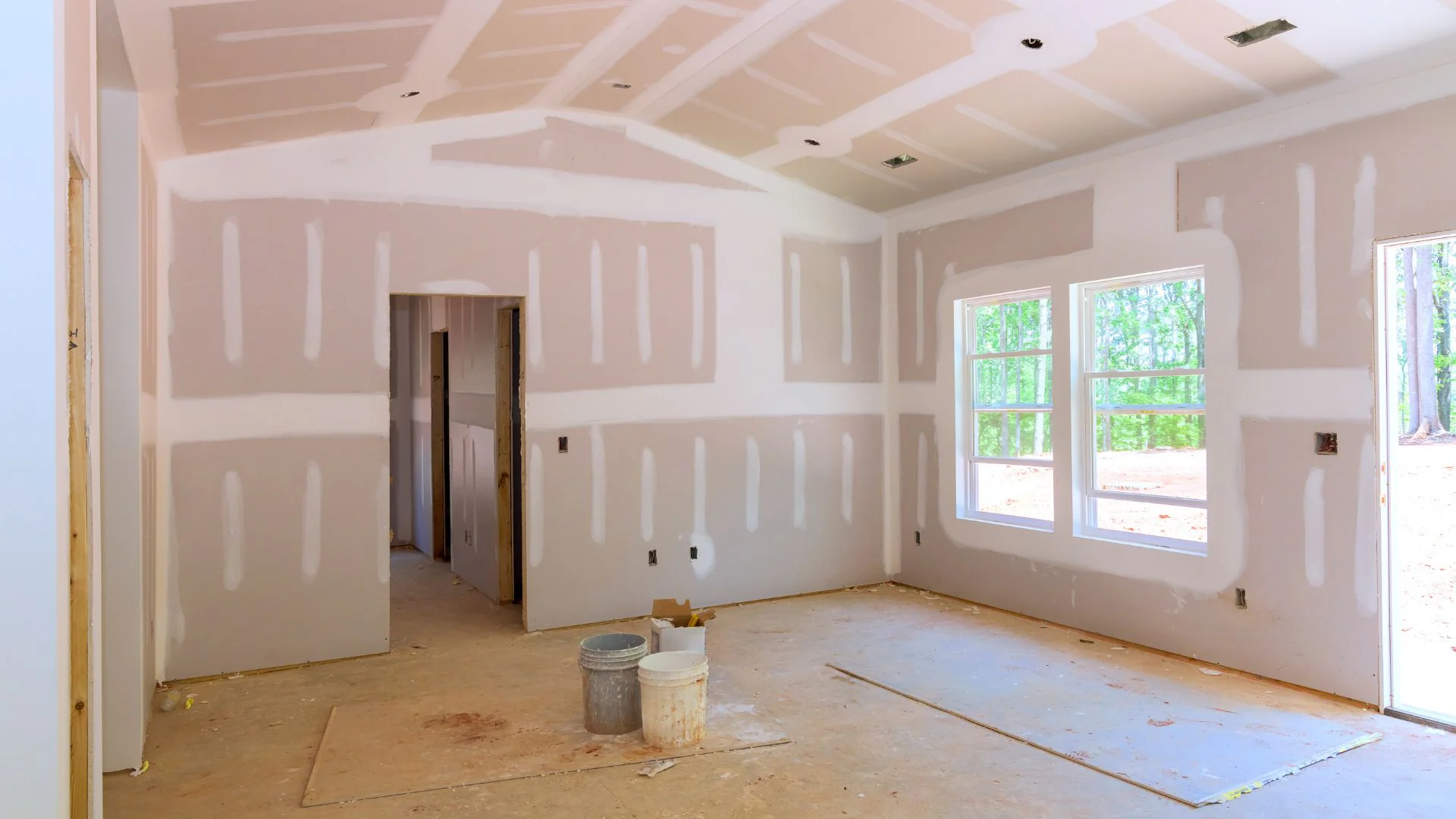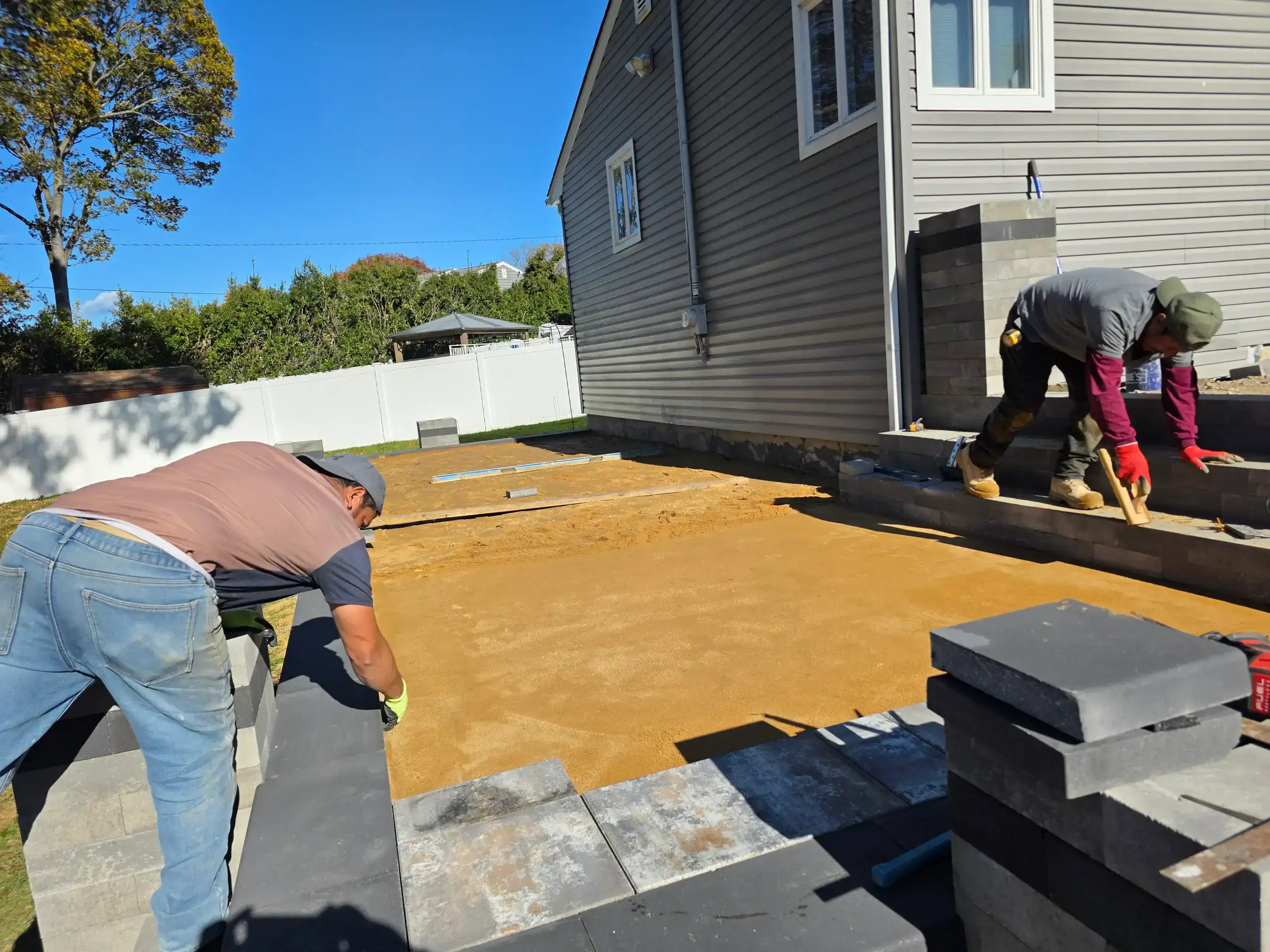
Home renovations in Medford and Middle Island generate more debris than most homeowners expect. Learn how to manage waste efficiently and keep your project on track.
Share:
Summary:
You’ve planned the design. You’ve hired the contractor. You know exactly what your renovated kitchen or new deck will look like. But here’s what catches most Suffolk County homeowners off guard: the sheer amount of debris a renovation creates. Old cabinets don’t just disappear. Torn-out drywall piles up. Flooring, fixtures, and demo waste fill your driveway faster than you expected. And your regular trash service? Not designed for this. Without a plan for managing that debris, your project stalls, your workspace becomes a hazard, and you’re making weekend runs to the landfill when you should be making decisions about tile patterns. Let’s talk about what actually works.
Most homeowners guess wrong. A typical kitchen remodel produces around 60 pounds of waste per square foot. That’s not a typo. Your 150-square-foot kitchen renovation generates roughly 9,000 pounds of debris—cabinets, countertops, drywall, flooring, old appliances, and everything else that comes out before the new stuff goes in.
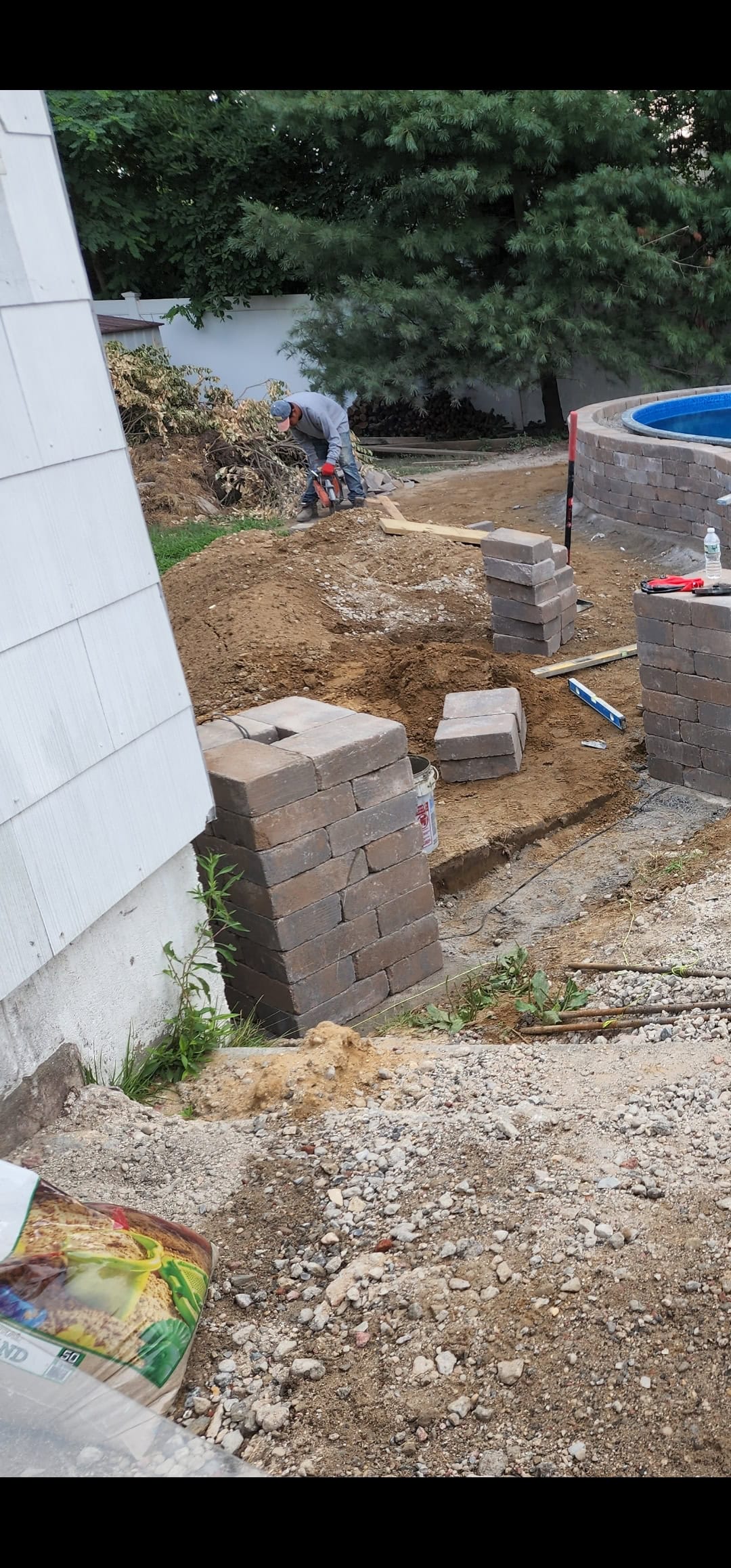
Bathroom projects aren’t much lighter. Deck installations create piles of old lumber, railings, and site prep waste. Even a straightforward patio or walkway paving job in Medford or Middle Island means excavated soil, broken concrete, and construction materials that need to go somewhere.
The problem isn’t just volume. It’s timing. Demo happens fast. One day your contractor’s crew tears out your old kitchen, and suddenly your driveway looks like a construction zone. If you don’t have a dumpster on-site before that first sledgehammer swings, you’re already behind.
Size matters, and guessing wrong costs you time and money. Too small means your bin fills up mid-project, debris starts piling in your yard, and you’re scrambling for emergency pickup. Too large and you’re paying for capacity you don’t use.
For most kitchen remodels and bathroom renovations in Suffolk County, a 20-yard dumpster handles the job. That’s the sweet spot for projects involving cabinet removal, countertop demolition, flooring replacement, and standard fixture updates. Think of it as holding about six pickup truck loads of debris.
Smaller projects—like a single bathroom refresh or minor deck repairs—might work with a 10-yard container. Larger undertakings, such as whole-home renovations, major deck builds, or extensive patio installations, typically need a 30 or 40-yard dumpster to handle the volume.
Here’s what most people miss: it’s not just about the physical size. Weight limits matter too. A 20-yard dumpster filled with concrete and tile weighs more than the same container filled with drywall and lumber. If you’re doing driveway paving or walkway work that involves heavy materials, you need to account for weight restrictions, not just cubic yards.
Talk to your contractor before ordering. We’ve seen how much waste similar projects generate in homes like yours. We know whether you’re dealing with one dumpster for the duration or if you’ll need a swap halfway through. And since we handle everything from deck building to pool patios at Corsino Construction Corp, we can give you realistic estimates based on your specific scope.
The biggest mistake? Undersizing to save money. Your bin fills up during demo, but work doesn’t stop. Debris keeps coming. Now it’s stacking up anywhere there’s space, your contractor’s wasting time moving the same materials three times, and you’re paying rush fees for emergency pickup. Spend the extra $100 upfront for the right size and avoid the headache.
Timing separates smooth projects from chaotic ones. The right answer isn’t “whenever it’s convenient.” It’s the day before demolition starts—or the morning of, at the latest.
Why? Because demo creates debris immediately. Your contractor’s crew shows up Monday morning ready to tear out your old kitchen. If the dumpster isn’t already sitting in your driveway, that waste has nowhere to go. It piles up against your house, in your garage, across your workspace. Your crew spends the first hour moving garbage around just to access the areas they need to work in. You’re getting billed hourly for waste management theater.
This happens on renovation after renovation in Medford, Middle Island, and across Suffolk County. Homeowners plan every detail—materials, finishes, timelines—then treat waste like an afterthought. They figure they’ll “deal with it when the time comes.” That’s backwards.
Schedule delivery before you create waste, not after you’re drowning in it. Most dumpster rentals run 7 to 10 days, which covers the heavy debris phase for typical kitchen or bathroom projects. If your renovation timeline extends longer, you can usually arrange extensions for a daily fee.
For larger projects—full home renovations, major deck installations, or multiple-room remodels—you might need the dumpster for several weeks. Plan that upfront. Know your contractor’s schedule. Understand when the bulk of the debris gets generated versus when you’re in the finishing phase that produces minimal waste.
And here’s something nobody tells you: coordinate pickup timing with your project phases. If 90% of your debris comes from the first week of demo, don’t keep paying for an empty dumpster to sit in your driveway for another three weeks while your contractor does finish work. Schedule pickup once the heavy debris is cleared, then arrange a second delivery if needed for final cleanup.
The goal isn’t just having a dumpster. It’s having the right dumpster at the right time so your project keeps moving forward instead of getting bogged down in waste management logistics you should have handled before work started.
Want live answers?
Connect with a Corsino Construction expert for fast, friendly support.
Not everything goes in the bin, and finding out mid-project creates problems. Most construction debris is fine—drywall, lumber, flooring, tile, cabinets, fixtures, and general demolition waste from your kitchen remodel, bathroom renovation, or deck installation.
But certain materials require special handling. Hazardous waste like paint, solvents, asbestos, and chemicals can’t go in a standard dumpster. Neither can electronics, appliances with refrigerants, or tires. If your Medford or Middle Island home was built before 1980, you might encounter lead paint or asbestos during demo, which need certified disposal.
Suffolk County has specific regulations about what can and can’t hit the landfill. Your dumpster rental company should explain restrictions upfront, but it’s your responsibility to know what you’re tossing. Violating disposal rules creates delays, fines, and headaches you don’t need during an already stressful renovation.

The first mistake is waiting too long to book. Dumpster companies in Suffolk County stay busy, especially during peak renovation season in spring and summer. If you call the week your project starts, you might wait days for delivery. Book early—ideally when you’re finalizing your contractor agreement.
The second mistake is poor placement. Your dumpster needs to sit somewhere accessible for both the delivery truck and your contractor’s crew. It can’t block your driveway entrance if you need to get cars in and out. It shouldn’t obstruct the work area or create safety hazards. And it needs to be on a surface that can handle the weight—grass won’t cut it for a fully loaded 20-yard container.
Before the dumpster arrives, clear the area. Move cars, outdoor furniture, and anything else in the way. Make sure there’s overhead clearance—delivery trucks need about 18 feet of vertical space to drop off and pick up the container. Low-hanging branches or power lines create problems.
The third mistake is overfilling. Dumpsters have fill lines for a reason. Nothing should extend above the top rim. Overfilled containers can’t be legally transported, and you’ll face additional charges or refused pickup until you remove the excess. Break down large items, distribute weight evenly, and load heavy materials on the bottom with lighter stuff on top.
The fourth mistake is mixing prohibited materials with acceptable debris. If your dumpster contains hazardous waste, the entire load might get rejected at the landfill. Now you’re dealing with sorting, reloading, and disposal fees that could have been avoided by planning ahead.
And the biggest mistake? Not communicating with your contractor about the dumpster. They need to know where it is, when it’s arriving, when it’s getting picked up, and what can go in it. If you’re working with us at Corsino Construction Corp and we’re managing your deck build, patio installation , and walkway paving, we make sure everyone on site understands the waste disposal plan.
These aren’t complicated problems. They’re just details that turn into expensive headaches when ignored. Handle them upfront and your renovation runs smoother.
It depends on where the dumpster sits. If it’s entirely on your private property—your driveway, your yard—you typically don’t need a permit in most Suffolk County towns, including Medford, Middle Island, Coram, Selden, and the surrounding areas.
But if the dumpster needs to go on public property—the street, the sidewalk, any right-of-way—you’ll likely need a permit from your town or county. Requirements vary by municipality. Some towns require permits for any dumpster placement, regardless of location. Others only care if you’re using public space.
The permit process isn’t complicated, but it takes time. You’ll need to apply through your local building department, pay a fee, and wait for approval. This can take days or weeks depending on your town’s processing speed. If you’re already behind schedule because you didn’t plan for this, it creates delays.
Your dumpster rental company should know local requirements and can often help with the permit process. Some include permit fees in their pricing. Others expect you to handle it yourself. Ask upfront so there are no surprises.
And here’s something worth knowing: if you’re already getting permits for your renovation work—which you should be for most kitchen remodels, bathroom renovations, deck installations, and structural projects in Suffolk County—we can often coordinate dumpster permits at the same time. At Corsino Construction Corp, we handle permits regularly and understand the process, so we can often streamline it for you.
Don’t skip this step. Placing a dumpster without a required permit can result in fines, forced removal, and project delays. It’s not worth the risk when a simple phone call to your town’s building department gives you the answer.
Debris management isn’t glamorous. It doesn’t show up in your finished kitchen photos or get mentioned when neighbors compliment your new deck. But it’s the difference between a renovation that flows smoothly and one that turns into a stressful mess of piled-up waste, multiple landfill trips, and timeline delays you didn’t plan for.
Get the right-sized dumpster. Schedule delivery before demo starts. Understand what you can and can’t toss. Communicate with your contractor. Handle permits if needed. These decisions take minimal time upfront but prevent weeks of headaches once work begins.
If you’re planning a home renovation in Medford, Middle Island, or anywhere in Suffolk County, we handle the details that keep projects moving forward at Corsino Construction Corp —including coordinating waste management so you don’t have to think about it. Reach out when you’re ready to talk about your deck, patio, kitchen, or bathroom project, and we’ll make sure the debris plan is as solid as the construction plan.
Article details:
Share:
Continue learning: