Suffolk County homeowners are embracing sustainable interior remodeling that cuts energy costs, improves air quality, and increases home value with eco-conscious materials and smart design choices.
Share:
Summary:
Sustainable interior remodeling has moved far beyond bamboo floors and countertops made of recycled junk mail. Today, it’s about making choices that reduce your environmental footprint while improving your home’s performance—basically, it’s about making your house a high-performing athlete instead of a couch potato.
The shift is driven by real concerns: energy costs are climbing faster than a squirrel on a bird feeder, and indoor air quality is finally getting the attention it deserves. Homeowners want renovations that add real value, not just a fresh coat of paint that hides a drafty window.
In Suffolk County, where coastal weather and aging infrastructure create a “perfect storm” for home wear and tear, sustainable remodeling addresses problems at their source. That means better insulation to handle our moody temperature swings and moisture-resistant materials that won’t give up the ghost when the humidity hits 90%. The result is a home that costs less to run and doesn’t smell like an old basement.
The materials you choose for your kitchen and bathroom have a lasting impact on both your health and your home’s “street cred.” Recycled glass countertops are the current MVP—they offer unique beauty with crushed glass suspended in eco-friendly resin. They’re non-porous, stain-resistant, and won’t freak out if you accidentally spill a glass of red wine during a Friday night kitchen dance-off.
Reclaimed wood vanities and cabinets are also making a huge splash, bringing history into your space while preventing perfectly good lumber from becoming landfill fodder. Each piece has a “previous life” and a patina that new materials just can’t fake. For homeowners in Bohemia and Selden looking to create a space with soul, reclaimed wood is the way to go.
And let’s talk about “smell.” Low-VOC paints and finishes are now the standard, eliminating that “new paint headache” caused by toxic off-gassing. Modern formulations match the durability of traditional paints, so you aren’t sacrificing quality—you’re just sacrificing the lightheadedness. You get the color you love without the chemical cocktail.
The most cost-effective sustainable upgrade for Suffolk County homes usually happens in the places you never show your guests—like the attic and inside the walls. Proper air sealing and insulation can cut your heating and cooling costs by up to 50%. It’s the unglamorous secret to a comfortable house; it’s like giving your home a high-quality winter parka instead of a t-shirt.
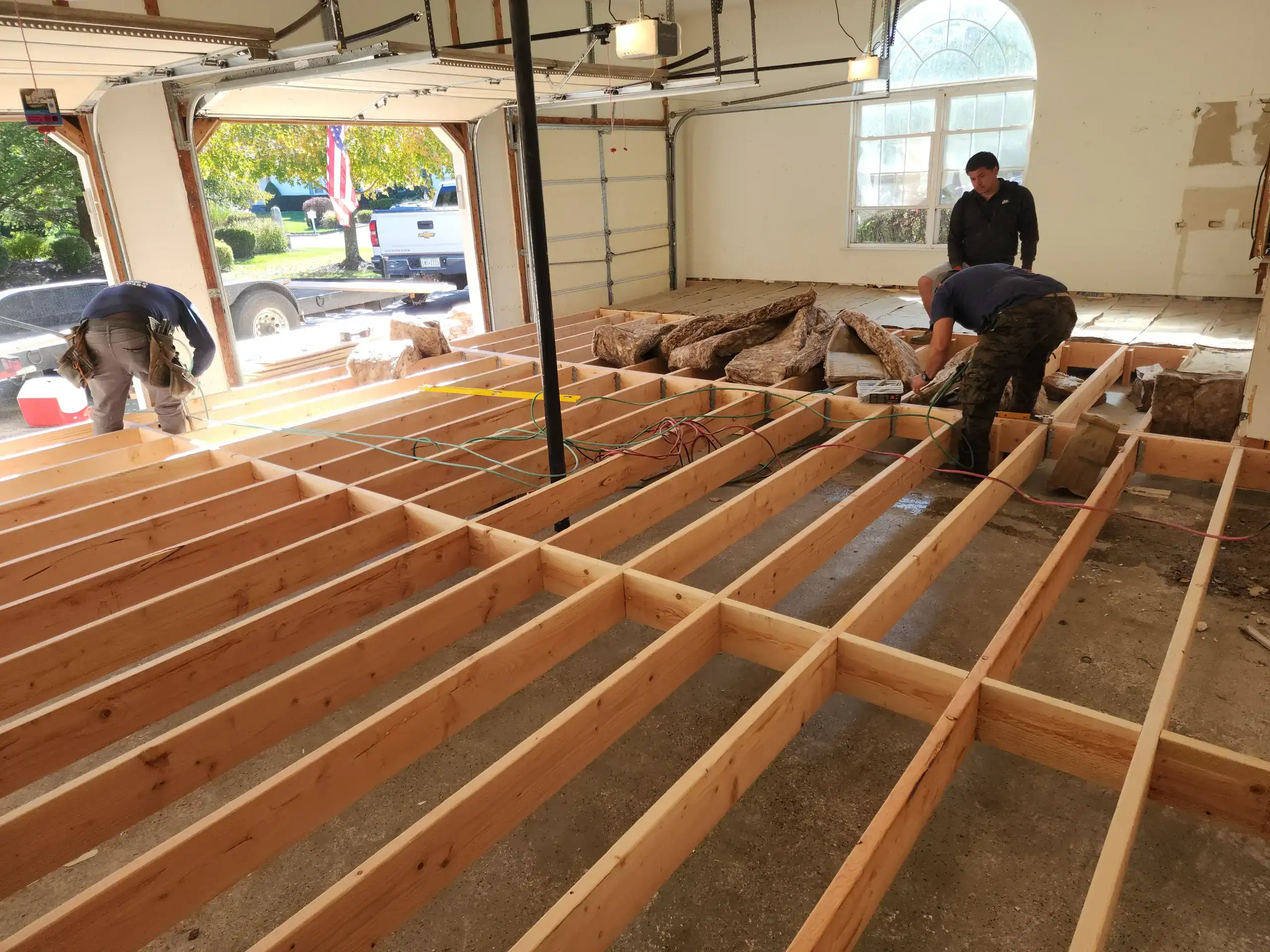
Spray foam insulation is the “gold standard” here, creating an airtight seal that stops conditioned air from escaping like a teenager sneaking out at night. While the upfront cost is higher, the energy savings usually pay for the project in 5-7 years. For Selden homeowners tired of feeling every gust of wind from the hallway, this is the ultimate “sanity-saver.”
Don’t forget the fixtures! Modern sustainable kitchen remodeling focuses on Energy Star appliances that use significantly less power. Combine that with LED lighting—which uses 90% less energy than the bulbs your parents used—and you’ve got a home that’s practically a power plant. Plus, you’ll spend way less time on a ladder changing lightbulbs, which is a victory for everyone involved.
Want live answers?
Connect with a Corsino Construction expert for fast, friendly support.
Sustainable interior remodeling in 2026 isn’t about sterile, white boxes that look like a dentist’s office. The current trends embrace warmth, personality, and materials that actually look like they came from nature. We’re seeing a massive move toward “earthy vibrancy”—rich clay, olive greens, and terracotta tones that make a room feel alive rather than just “decorated.”
The era of cold grays is officially over (and none of us are crying about it). Homeowners are opting for deeper, richer wood tones like walnut to bring a sense of history and “weight” to their interiors. These materials don’t just look good; they age beautifully, developing a patina that tells the story of your home instead of just looking scratched and worn out.
Warm-tone metals like brushed brass and copper are also replacing the cold, industrial chrome of yesteryear. These metals feel more human and less “factory-made.” When you pair these with layered textures and natural fabrics, you get a home that feels like a retreat rather than a showroom. It’s about creating a space where you want to kick off your shoes.
Indoor air quality is the “silent partner” in your remodel. If you use cheap, formaldehyde-laden cabinetry, you’re basically inviting a slow-release chemical cloud into your kitchen. Sustainable remodeling prioritizes formaldehyde-free materials and solid wood construction. It’s a bit more of an investment, but not breathing in adhesive fumes for the next ten years seems like a pretty good trade-off.
Ventilation is the other piece of the puzzle. As we make our homes more airtight and efficient, we have to make sure the “stale” air has a way out. Heat recovery ventilators (HRVs) are the secret weapon here—they bring in fresh air while “stealing” the heat from the outgoing air. It’s the ultimate way to have fresh air in the middle of a Long Island winter without letting the furnace heat escape.
Finally, let’s talk about moisture—the mortal enemy of every Suffolk County home. Proper sustainable design in bathrooms includes high-performance ventilation and moisture-resistant materials that prevent mold before it even thinks about starting. Mold isn’t just a design flaw; it’s a health hazard. Doing it right the first time keeps your air clean and your walls solid.
Smart home tech has finally graduated from “cool gadgets for nerds” to “essential tools for adults.” For interior remodeling in Bohemia and Selden, a smart thermostat is a no-brainer. It learns your schedule and stops heating the house when you’re out running errands, saving you about 15% on your bills. It’s like having a very diligent, very tiny butler who lives in your wall and obsesses over the electric bill.
Smart lighting is another game-changer. You can schedule your LED lights to dim as the sun goes down or turn off automatically when the kids inevitably leave them on. Integrating these systems during a remodel is much cleaner than trying to “bolt them on” later. You get all the control without the messy cable-spaghetti or five different apps just to turn on the kitchen light.
We’re also seeing more “leak detection” tech built into plumbing updates. These smart monitors can shut off your water main the second they detect an unusual drip, preventing a “surprise indoor pool” while you’re at work. It’s the ultimate peace of mind for homeowners who have survived a Long Island basement flood and never want to do it again.
Sustainable interior remodeling is the smartest way to future-proof your home. For Bohemia and Selden residents, it’s about more than just a “green” label; it’s about durability, efficiency, and a house that doesn’t feel like a money pit. You get the style you want with the performance you need to survive the next twenty New York winters.
The key is working with a team that knows the difference between a “green-washed” marketing pitch and actual sustainable building practices. You want a contractor who understands the specific challenges of Suffolk County homes and can guide you toward materials that hold up in our climate. Don’t settle for a “standard” remodel when you can have a “sustainable” one for a better long-term ROI.
At Corsino Construction Corp , we’ve been helping Long Islanders transform their houses into high-performance homes for over two decades. We believe in transparent pricing, licensed expertise, and renovations that stand the test of time.
Article details:
Share:
Continue learning: