Not all driveway materials handle Suffolk County's freeze-thaw cycles the same way. Learn which options deliver lasting value without constant repairs.
Share:
Summary:
Three materials dominate driveway paving in Suffolk County, NY, and each one handles our climate differently. Asphalt offers flexibility that moves with ground shifts instead of cracking. Concrete provides a clean, durable surface when installed correctly for freeze-thaw conditions. Pavers deliver premium aesthetics with the unique advantage of individual piece replacement.
Your choice isn’t just about upfront paving costs. It’s about how that surface performs fifteen years from now when your neighbor’s driveway is crumbling and yours still looks solid. The material matters, but so does understanding what you’re actually getting for your money.
Most homeowners focus on price per square foot without considering the real equation. A cheaper driveway installation that fails in five years costs more than a quality job that lasts twenty. That’s not a sales pitch. That’s math.
Asphalt remains the most popular choice for driveway paving in Suffolk County, NY for good reason. It flexes with temperature changes instead of fighting them, which matters when you’re dealing with winters that freeze and thaw repeatedly. That flexibility prevents the catastrophic cracking that destroys rigid materials in our climate.
The cost runs between $5 and $15 per square foot installed, making it the most budget-friendly solid surface option. For a standard two-car driveway of 600 square feet, you’re looking at $3,000 to $9,000 depending on site conditions and preparation needs. You can typically drive on it within 3-5 days, which beats the week-plus wait time for concrete. The dark surface also absorbs heat, helping snow melt faster during Long Island winters.
But asphalt isn’t maintenance-free. You’ll need to seal it every 3-5 years to protect against water infiltration and UV damage. Skip that maintenance, and you’re looking at premature deterioration. Factor in roughly $500-$1,000 per sealing into your long-term cost calculations.
With proper care, expect 15-20 years of service life in Suffolk County, NY climate. Some installations last longer, but that depends heavily on the quality of the base preparation. Most driveway failures happen because someone skipped proper excavation and drainage work, not because the surface material failed. In our sandy soil conditions, that foundation work is critical.
The appearance is straightforward. You get a smooth, dark surface that looks clean and professional. It’s not flashy, but it complements most home styles without competing for attention. Some homeowners see that as boring. Others appreciate the classic look that never goes out of style and adds solid curb appeal.
Water drainage becomes critical with asphalt driveway installation. The material itself isn’t permeable, so you need proper grading and drainage systems. In Suffolk County, NY sandy soil with high water tables, that’s not optional. Poor drainage leads to base erosion, which leads to settling, which leads to expensive repairs.
Concrete delivers the longest driveway longevity of the three main options, lasting 25-30 years or more with proper maintenance. It’s incredibly strong, handles heavy loads without issue, and offers customization options that asphalt can’t match. You can stamp it, stain it, or add decorative elements that boost your home’s curb appeal significantly.
The cost ranges from $6 to $18 per square foot for driveway paving, depending on thickness, finish, and any decorative work. For that same 600 square foot driveway, expect $3,600 to $10,800. Plain concrete sits at the lower end. Stamped or colored versions push toward the higher range. You’re paying more upfront, but you’re also getting decades of service with minimal maintenance requirements.
Here’s what matters in Suffolk County, NY specifically. Concrete can crack in freeze-thaw cycles if not properly installed. That’s not a maybe. It’s physics. Water gets into microscopic cracks, freezes, expands, and creates bigger cracks. The solution is proper driveway installation with adequate thickness, reinforcement, and expansion joints designed for our climate.
The wait time is longer than asphalt. You’ll need 7-10 days before driving on new concrete. That’s not negotiable. Rush it, and you risk damaging the surface before it fully cures. Plan accordingly if you need continuous driveway access during installation.
Maintenance is straightforward. Pressure wash occasionally to remove dirt and stains. Reseal every 2-3 years to protect against moisture and staining. That’s significantly less intensive than asphalt’s maintenance schedule, which factors into the long-term paving costs comparison.
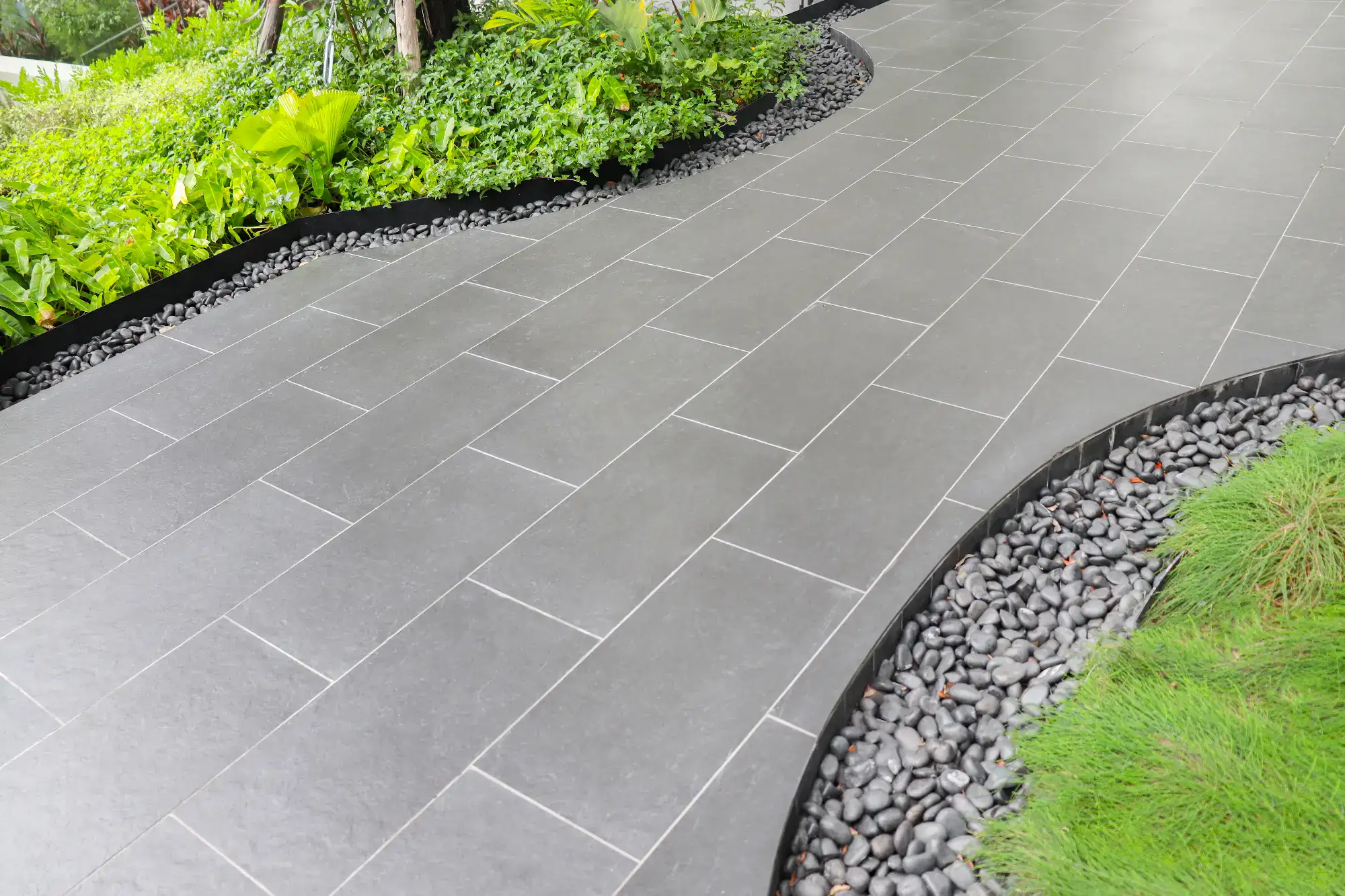
The aesthetic flexibility is concrete’s biggest advantage over asphalt for curb appeal. You can create patterns that mimic expensive materials like cobblestone or slate. You can integrate colors that complement your home’s exterior. You can even add exposed aggregate for texture and visual interest that makes your property stand out.
But repairs are tougher. When concrete cracks, you can’t just patch it invisibly like you can with asphalt. The repair shows. You’re either living with visible fixes or replacing entire sections, which gets expensive fast. That’s the trade-off for the longer driveway longevity and lower maintenance.
Want live answers?
Connect with a Corsino Construction expert for fast, friendly support.
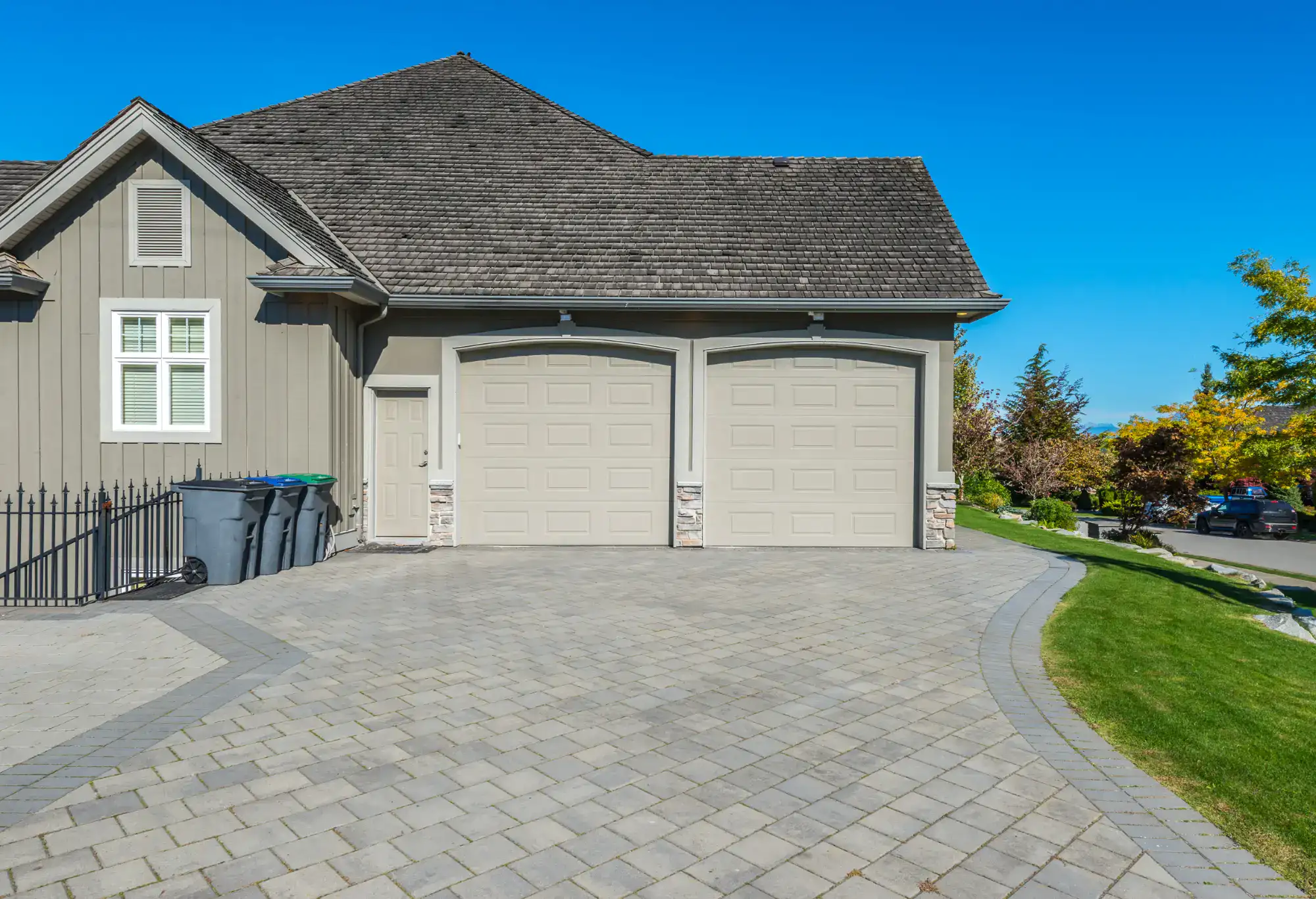
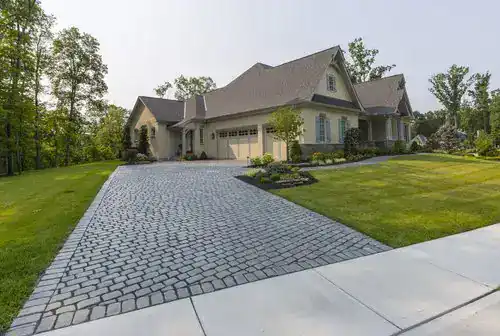
Permeable pavers represent the premium end of driveway paving, both in cost and performance. These interlocking units allow water to drain through the surface instead of running off, which matters increasingly as stormwater management becomes a bigger concern in Suffolk County, NY.
The paving costs run $10 to $50 per square foot depending on material choice and pattern complexity. For a 600 square foot driveway, that’s $6,000 to $30,000. That’s significantly more than asphalt or concrete. You’re paying for the labor-intensive installation, the materials themselves, and the sophisticated drainage benefits that come with the system.
What you get for that investment is a driveway that can last 20-50 years, handles freeze-thaw cycles better than solid surfaces, and offers repair options that don’t exist with asphalt or concrete. Individual pavers can be replaced if damaged without disturbing the surrounding area. Try doing that with a concrete slab.
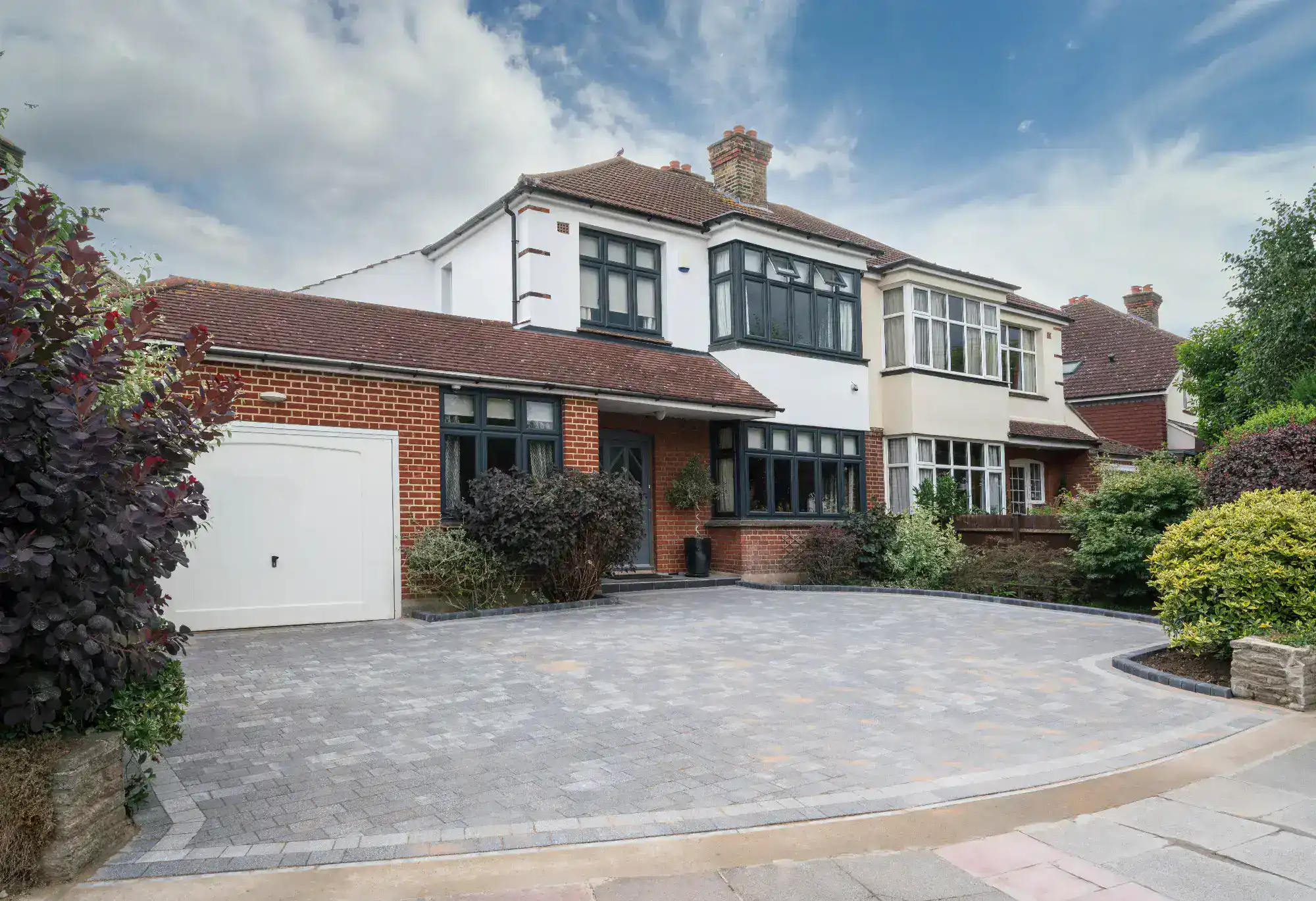
Permeable pavers solve problems that traditional driveway materials can’t address. Water passes through the gaps between pavers and into a gravel base below, where it slowly infiltrates back into the ground. That reduces stormwater runoff, prevents pooling, and helps recharge groundwater supplies.
In Suffolk County, NY coastal environment, that drainage capability matters. Heavy rainstorms dump water faster than traditional drainage systems can handle. Permeable systems absorb that water right where it falls, reducing the strain on municipal storm sewers and preventing the flooding issues that plague some neighborhoods during severe weather events.
The environmental benefits extend beyond drainage. These systems filter pollutants out of stormwater before it reaches groundwater. They reduce the urban heat island effect because they don’t absorb and radiate heat like dark asphalt surfaces. Some municipalities even offer rebates or incentives for installing permeable paving, which can offset some of the higher upfront costs.
Aesthetically, pavers offer design flexibility that solid surfaces can’t match for curb appeal. You can create patterns, mix colors, define borders, and integrate the driveway into your overall landscape design. The visual interest adds significant property value—studies show quality driveways can add $5,000 to $20,000 to home values, with pavers typically commanding the premium end of that range.
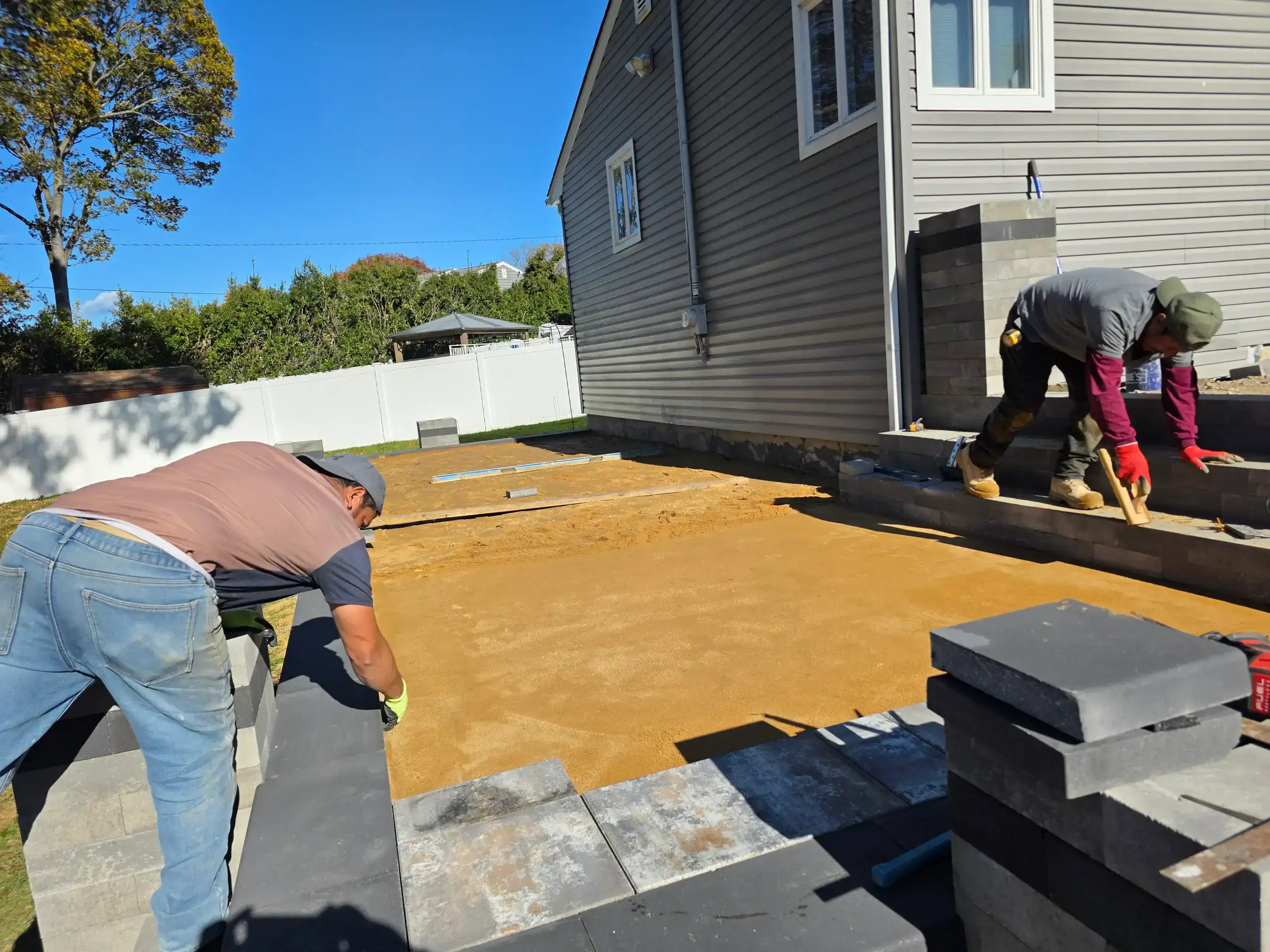
The installation requires expertise. You need proper excavation depth (typically 8-10 inches in Suffolk County, NY sandy soil), the right base materials, correct paver selection, and skilled installation to ensure the system functions as designed. This isn’t a DIY project. It’s specialized work that demands experienced contractors who understand permeable paving systems.
Maintenance is different than traditional driveways. You’ll need to sweep or vacuum the surface periodically to prevent the gaps from clogging with dirt and debris. That’s typically every few months. You might need to refill joint material occasionally. But you won’t need the sealing that asphalt demands or worry about the cracking that plagues concrete in freeze-thaw conditions.
Your decision comes down to balancing budget, performance needs, aesthetic preferences, and long-term plans. If you’re planning to sell within five years, spending premium money on pavers might not make sense. If you’re staying for decades, that investment pays dividends through lower maintenance, better driveway longevity, and higher property values.
Climate compatibility matters more than most people realize. Suffolk County, NY freeze-thaw cycles destroy improperly installed materials regardless of what you paid. Asphalt’s flexibility makes it naturally suited to our conditions. Concrete needs expert installation to survive. Pavers handle the movement better than solid surfaces because individual units can shift slightly without catastrophic failure.
Your property’s specific conditions affect material choice for driveway paving. Heavy clay soils behave differently than sandy soils. Properties with drainage challenges need different solutions than well-draining lots. Steep slopes require different approaches than flat driveways. A quality contractor evaluates these factors before recommending materials.
Budget considerations extend beyond installation costs. Factor in maintenance requirements, expected driveway longevity, and repair costs over the life of the driveway. Asphalt costs less upfront but requires regular sealing at $500-$1,000 every few years. Concrete costs more initially but needs less maintenance. Pavers cost the most but offer the longest lifespan with the easiest repairs.
The curb appeal factor is real and measurable. Studies show homes with appealing exteriors sell for 7% more on average than comparable homes with rundown appearances. Your driveway is the first thing people see when they visit or drive past your property. A quality installation in the right material makes a statement about how you maintain your home.
Don’t underestimate the importance of proper driveway installation. The best material in the world fails if installed incorrectly. Proper excavation, adequate base depth, correct grading for drainage, and quality workmanship matter more than the surface material choice. That’s why contractor selection is as important as material selection when you’re investing in driveway paving.
Your driveway choice affects your property value, your maintenance schedule, and your daily experience for the next 15-30 years. That’s worth getting right the first time. Understand the real paving costs, not just the installation price. Know what each material demands in terms of maintenance and driveway longevity. Choose based on Suffolk County, NY specific climate challenges, not what works elsewhere.
The material matters, but installation quality matters more. Proper base preparation, adequate drainage, and expert workmanship separate driveways that last from expensive mistakes. Work with contractors who understand Long Island’s soil conditions, climate challenges, and building codes.
If you’re ready to move forward with driveway paving that handles everything Suffolk County, NY throws at it, we bring over 20 years of local experience to every installation. We offer fixed pricing, in-house crews, and quality materials designed for our climate at Corsino Construction Corporation.
Article details:
Share:
Continue learning: