Most driveways fail in 10 years. Yours doesn't have to. Learn the seven contractor-level techniques we use to extend asphalt lifespan to 20-30 years in Suffolk County's harsh climate.
Share:
Summary:
The foundation beneath your driveway matters more than the asphalt on top. Most driveways that fail early have foundation issues, not surface problems.
Think of subgrade preparation as the invisible architecture that either supports your investment or guarantees its failure. When contractors skip proper compaction or use inadequate base materials, you won’t know until cracks appear a year or two later. By then, the crew is long gone and you’re facing repair costs that exceed what proper installation would have cost in the first place.
We understand that coastal soil conditions and freeze-thaw cycles in Suffolk County demand specific preparation techniques. The subgrade must be compacted to at least 95 percent of maximum density in the top six inches. Anything less leaves your driveway vulnerable to settling, which creates the low spots where water collects and damage accelerates.
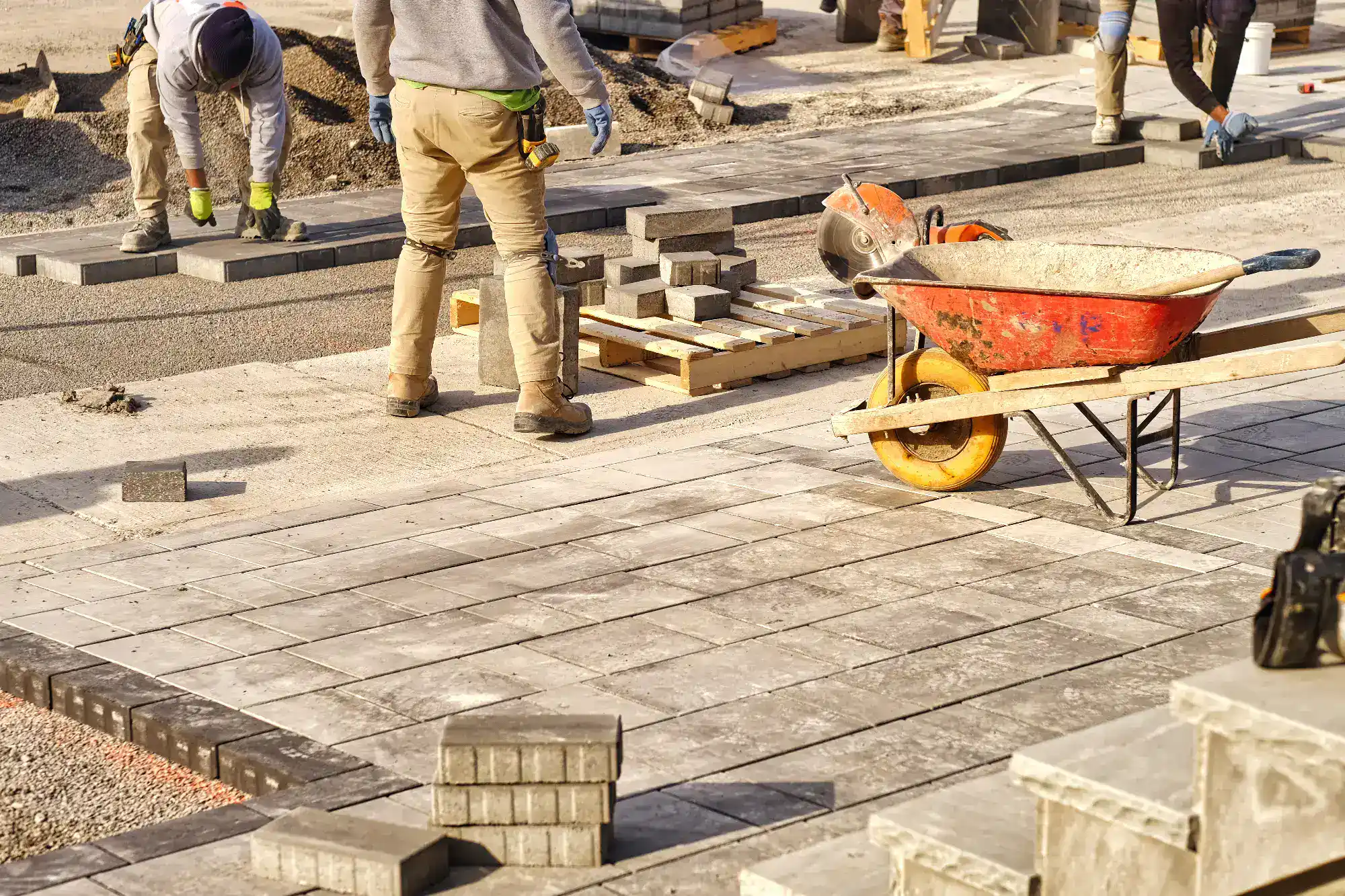
Professional subgrade preparation starts with complete removal of topsoil and organic material. These substances compress over time, creating voids beneath your pavement that lead to cracking and settling.
The excavation depth depends on your soil type and expected load. Residential driveways typically require removing 12-18 inches of material. In areas with poor soil conditions, we may need to dig deeper and add geotextile fabric to separate the subgrade from the base material, preventing soft spots from compromising the structure above.
Once excavation is complete, the exposed soil gets compacted using heavy equipment. This isn’t a quick pass with a hand tamper. Proper compaction requires multiple passes with a vibratory roller, checking density levels to ensure the soil can support the loads it will carry for decades.
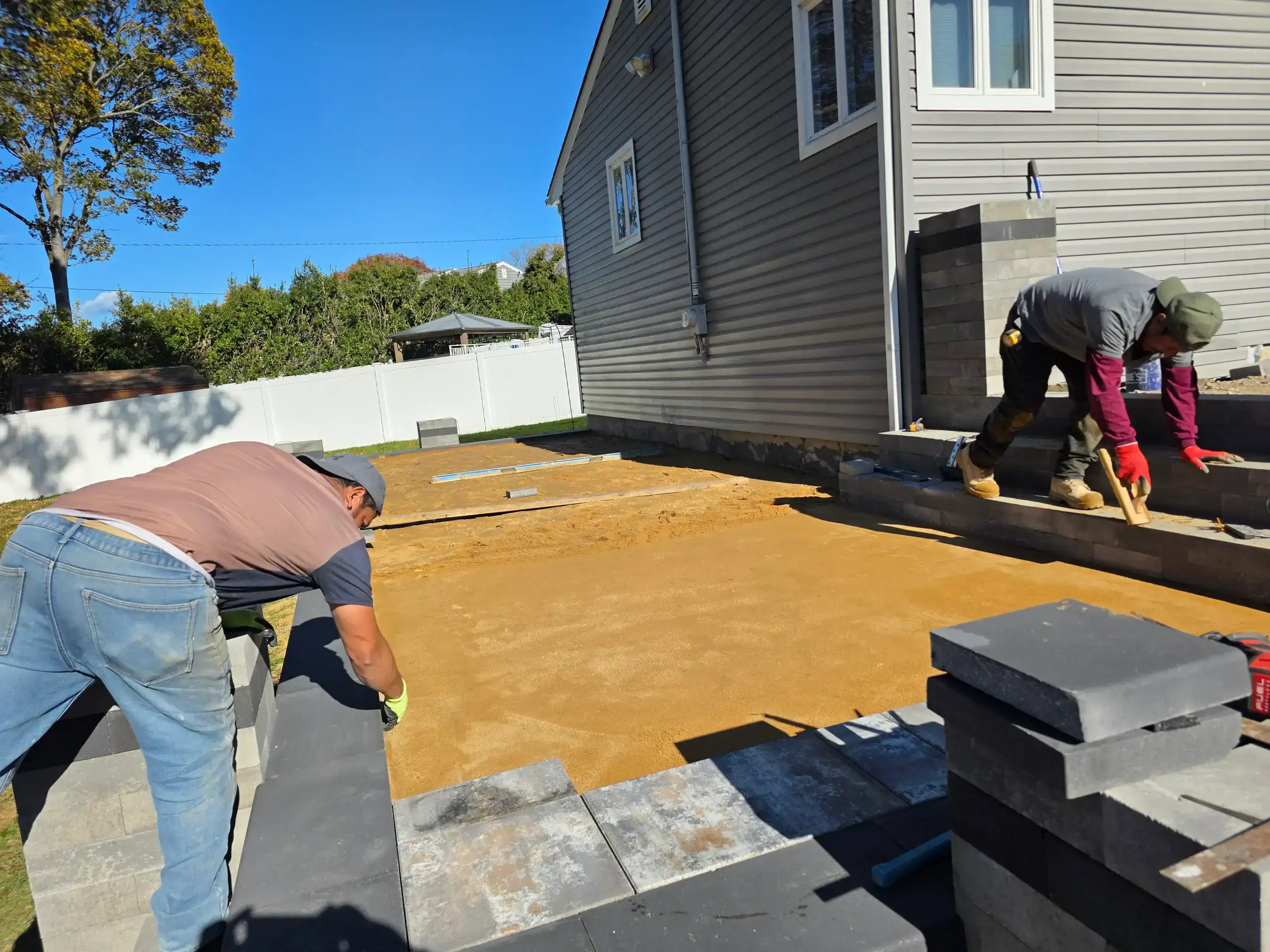
The base layer comes next—typically 4-6 inches of crushed stone or gravel. This material must be angular, not rounded. Angular stones lock together when compacted, creating a stable platform that distributes weight and facilitates drainage. Rounded gravel shifts under pressure, leading to rutting and surface failure.
Each layer of base material gets compacted separately before the next layer goes down. Contractors who dump the entire base depth at once and compact it all together are taking a shortcut that compromises asphalt durability. The base needs to be as hard as pavement before any asphalt gets laid.
Proper grading happens during base preparation, not after. The surface must slope away from structures at approximately 1.5 inches per 10 feet. This grade ensures water moves off your driveway instead of pooling or flowing toward your foundation. Getting this slope right during base prep is critical because correcting it later requires tearing everything out and starting over.
Quality Contractors verify compaction levels using testing equipment, not just eyeballing the surface. We understand that cutting corners on base preparation saves time and money while guaranteeing you’ll have problems within a few years. The work you can’t see determines whether your driveway lasts a decade or three.
Suffolk County’s clay soil holds water, creating challenges that contractors familiar with other regions might not anticipate. Clay expands when wet and contracts when dry, creating movement that can crack rigid pavement structures.
Coastal moisture adds another layer of complexity. Properties near the water experience higher humidity levels and more frequent precipitation, meaning the soil beneath your driveway stays wetter longer. This moisture doesn’t just threaten the asphalt surface—it weakens the subgrade itself if drainage isn’t properly addressed.
Freeze-thaw cycles hit Suffolk County hard. Water trapped in poorly compacted soil expands by approximately 9 percent when it freezes, creating tremendous upward pressure. This frost heave pushes pavement up during winter, then allows it to settle back down during thaw. After enough cycles, cracks appear and widen into the kind of damage that requires complete replacement.
We account for these conditions during base preparation. We may add extra depth to the base layer in areas with poor drainage. We might incorporate drainage pipes or French drains along driveway edges where water naturally collects. We understand that what works in other climates fails here without proper adaptation.
The base material selection matters too. Some contractors use recycled asphalt or inferior aggregates to cut costs. These materials don’t provide the same load-bearing capacity or drainage properties as quality crushed stone. The savings disappear quickly when your driveway fails years ahead of schedule.
Soil testing before installation reveals what you’re working with. Sandy soils drain well but may lack stability. Clay soils provide good support when properly compacted but create drainage challenges. Mixed soils require careful evaluation to determine the right preparation approach. Contractors who skip this step are guessing, and you’re the one who pays when they guess wrong.
Seasonal timing affects base preparation success. Installing during wet conditions or when the ground is frozen compromises compaction quality. The soil needs to be at or near optimum moisture content for compaction equipment to achieve required density levels. Contractors pushing to finish jobs during poor weather conditions are prioritizing their schedule over your driveway’s longevity.
Want live answers?
Connect with a Corsino Construction expert for fast, friendly support.
Water is your driveway’s biggest enemy, especially in Suffolk County winters. When moisture seeps into cracks or poorly sealed joints, it expands as it freezes, creating pressure that can split even thick asphalt surfaces.
Poor drainage doesn’t just damage your paving—it threatens your home’s foundation. Water that pools on your driveway or flows toward your house creates hydrostatic pressure against foundation walls, leading to basement leaks, foundation settling, and landscape erosion that costs thousands to repair.
We focus on drainage from day one, not as an afterthought when problems appear. The right drainage strategy depends on your property’s topography, soil type, and how water naturally flows across your lot during heavy rain.
Channel drains capture surface water exactly where it flows, redirecting it to designated drainage areas before it can pool or cause erosion. These long rectangular drains sit flush with your driveway surface, making them ideal for sloped driveways that send all runoff toward one area.
Installation requires cutting into the driveway and setting the channel on a stable base. The drain must maintain consistent slope to ensure water keeps moving instead of sitting in the channel. Grates cover the opening, allowing water in while keeping debris out. Regular cleaning prevents clogs that compromise performance.
French drains handle subsurface water, collecting moisture that would otherwise saturate the soil beneath your driveway. A French drain consists of a perforated pipe surrounded by gravel, installed in a trench along problem areas. Water seeps into the pipe and gets carried away from your property.
These drains work particularly well in Suffolk County’s clay soil, where surface water doesn’t percolate down quickly. By providing a path for water to escape, French drains reduce the hydrostatic pressure that causes heaving and settling. The key is proper installation—the pipe must slope continuously toward the outlet, and the gravel must allow water flow while filtering out sediment that could clog the perforations.
Catch basins collect water at low points where it naturally pools. A grate at the surface allows water to flow into an underground basin, which then connects to pipes that carry water away. Catch basins make sense when you have a specific area where water consistently collects, such as at the bottom of a sloped driveway or where runoff from multiple surfaces converges.
The basin needs to be large enough to handle heavy rainfall without overflowing. It also requires periodic cleaning to remove sediment and debris that accumulate over time. Contractors who install undersized catch basins or fail to provide adequate outlet capacity create systems that fail during the storms when you need them most.
Proper slope remains the foundation of any drainage strategy. Your driveway surface must direct water away from structures and toward designated drainage areas. This typically means a minimum slope of 1.5 inches per 10 feet, though steeper grades work better in areas with heavy rainfall.
Creating this slope during base preparation is critical. Some contractors try to achieve grade using only the asphalt layer, but this approach limits how much slope you can create and makes it harder to maintain consistent thickness across the entire surface. The base layer should establish the primary grade, with the asphalt layer maintaining it.
Sealcoating benefits go beyond just making your driveway look darker and newer. This protective layer shields asphalt from UV rays, prevents water infiltration, and blocks oil and chemical damage that breaks down the binder holding everything together.
The timing matters more than most homeowners realize. New driveways need to cure for at least 90 days before the first sealcoat application. Sealing too early traps volatile compounds that need to escape, while waiting too long leaves the surface exposed to damage during those critical early months.
After that initial application, sealcoating every 2-3 years extends asphalt durability significantly. The protective barrier fills small surface voids and prevents minor cracks from widening into major problems. Think of it as sunscreen for your driveway—regular application prevents damage that’s expensive to repair later.
Driveway maintenance goes beyond just sealcoating. Crack filling catches small issues before they turn into potholes. Even hairline cracks allow water penetration that accelerates deterioration through freeze-thaw cycles. Filling these cracks as soon as they appear stops the damage progression.
Cleaning your driveway regularly removes debris and prevents organic material from breaking down the asphalt surface. Oil stains need immediate attention because petroleum products dissolve the same compounds your driveway is made from. The longer oil sits on asphalt, the more damage it causes.
Edge maintenance prevents the most common failure point on residential driveways. The edges experience the most stress and have the least support. Keeping vegetation trimmed back and ensuring proper edge drainage protects these vulnerable areas from premature failure.
Winter care in Suffolk County requires specific attention. Using plastic shovels instead of metal prevents surface gouging. Avoiding excessive salt application protects the asphalt from chemical damage while still providing traction. Some homeowners switch to sand or alternative deicers that don’t attack the pavement.
The sealcoating benefits multiply when combined with proper ongoing driveway maintenance. A well-maintained driveway that gets regular sealcoating can last 25-30 years in Suffolk County’s demanding climate. The same driveway neglected might need replacement in 10-15 years. The maintenance costs are a fraction of replacement expenses.
Professional application matters for sealcoating. DIY products from big box stores don’t provide the same protection as commercial-grade sealers applied by experienced contractors. The surface preparation, application technique, and product quality all affect how long the protection lasts and how well it performs.
The difference between a driveway that fails in five years and one that serves your family for decades comes down to decisions made before the first truck arrives. Proper subgrade preparation, adequate drainage, quality materials, and consistent driveway maintenance cost more upfront but save thousands in repairs and replacement.
Suffolk County’s freeze-thaw cycles, coastal moisture, and clay soil create conditions that punish shortcuts and reward quality work. We understand these challenges and build accordingly to deliver driveways that handle whatever Long Island weather throws at them. The sealcoating benefits and ongoing care protect that initial investment for 20-30 years instead of just a decade.
When you’re ready to invest in paving that lasts, work with professionals who’ve spent decades mastering these techniques in your specific climate. We’ve been serving Suffolk County homeowners since 2000, building driveways that protect homes and stand the test of time.
Article details:
Share:
Continue learning: