Your bathroom should feel like a personal retreat. Discover how Suffolk County homeowners create spa-day experiences at home with expert remodeling guidance from local professionals.
Share:
Summary:
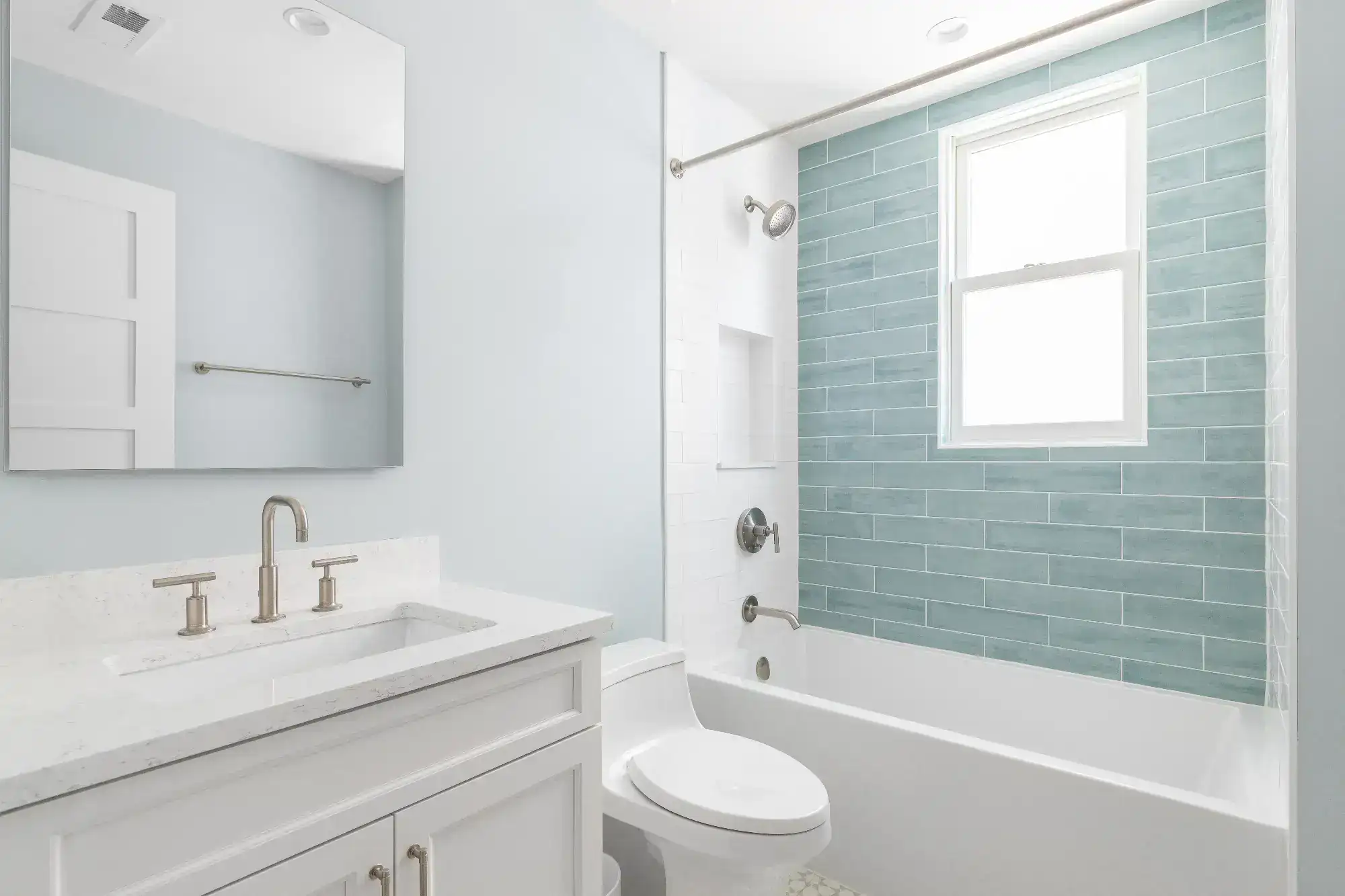
The difference between a regular bathroom and one that feels like a spa isn’t just expensive fixtures. It’s creating an environment that helps you relax and recharge every single day. That means thinking beyond aesthetics to consider how the space functions when you’re using it.
Temperature matters more than most people realize. Heated floors eliminate that jarring shock of cold tile on winter mornings in Suffolk County. Walk-in showers with multiple spray settings let you customize your experience. Proper ventilation prevents that muggy, uncomfortable feeling lingering after hot showers.
Lighting plays a huge role too. Harsh overhead lights don’t exactly scream relaxation. Layered lighting with dimmers gives you control—bright and functional when getting ready for work, soft and calming when unwinding after a long day. Natural light from windows or skylights brings in that outdoor connection high-end spas understand instinctively.
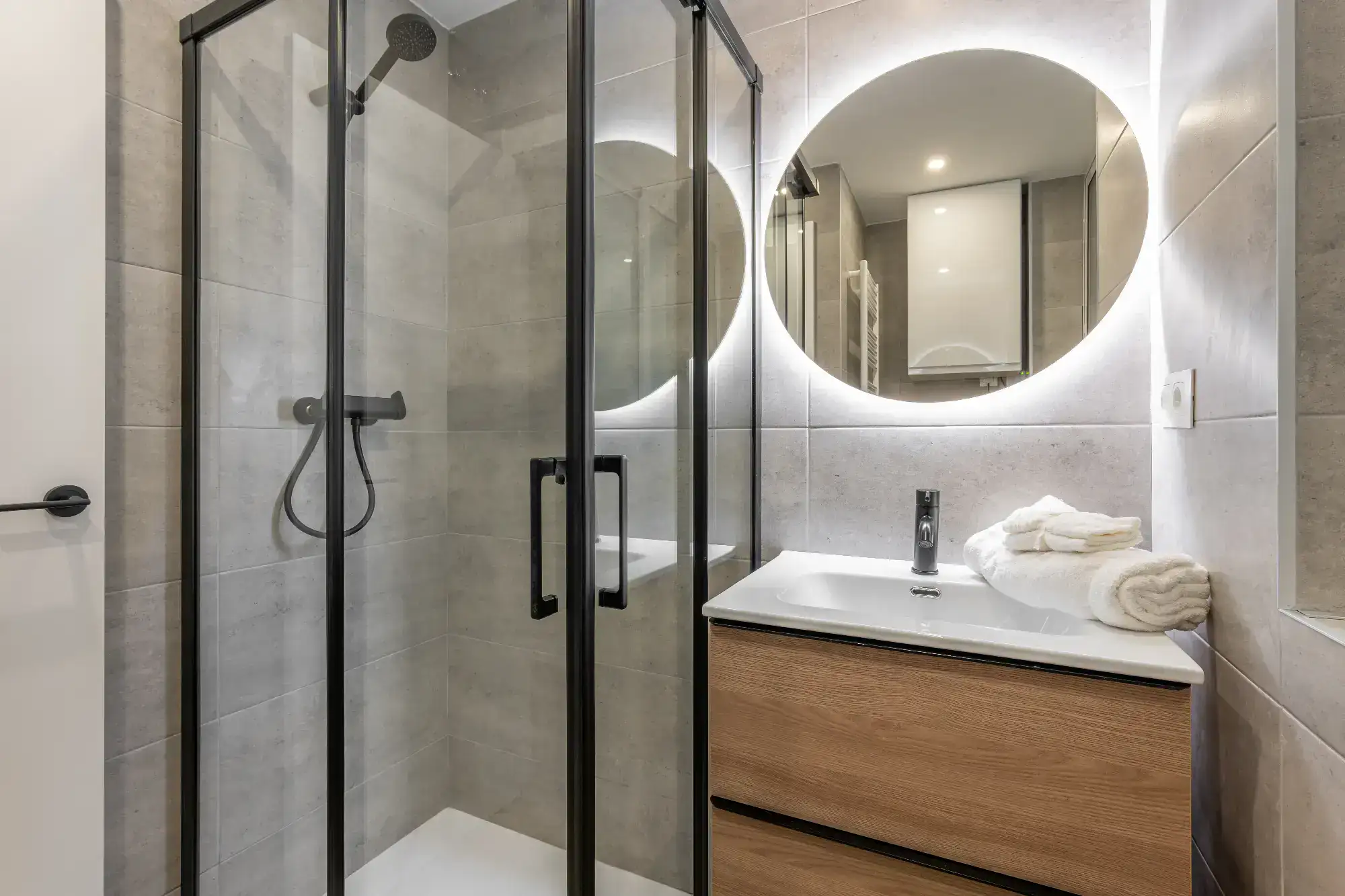
This question comes up constantly with bathroom remodeling projects: should you keep the tub or convert to a walk-in shower? There’s no universal right answer, but there are practical considerations specific to Long Island homes.
Walk-in showers have become the preference for most homeowners upgrading primary bathrooms. They’re easier to access, simpler to clean, and make spaces feel larger. Modern shower systems with rainfall heads, body sprays, and bench seating deliver that spa experience without the maintenance problems of jetted tubs. For Suffolk County’s humid climate, they also dry faster and resist mold better than tub surrounds.
Soaking tubs look stunning in design magazines, but be honest about actual usage. If you genuinely take baths regularly, a freestanding tub can be worth the investment and space. If you’re like most people who think they’ll use it but realistically won’t, you’re better off putting that budget toward a shower you’ll enjoy daily.
Here’s a practical compromise many Suffolk County homeowners choose: keep at least one bathtub somewhere in the house for resale value, especially if you have kids or might sell to families. But for your primary bathroom? A spacious walk-in shower with premium features often delivers more daily value than a tub collecting dust.
Installation matters as much as the choice itself. Suffolk County building codes require proper waterproofing and ventilation. Long Island’s freeze-thaw cycles mean materials and installation methods need to account for movement and temperature changes. This applies to all home remodeling projects—no matter if we’re renovating bathrooms, upgrading kitchens, or working on paving projects for driveways and patios. Cutting corners leads to leaks, mold, and expensive repairs.
Quality materials designed for wet environments last decades when installed correctly. Large-format tiles minimize grout lines, meaning less maintenance and fewer places for mold. Frameless glass enclosures create that open, spa-like feel while being easier to keep clean than framed alternatives. These aren’t just aesthetic choices—they’re practical decisions affecting how much time you spend maintaining versus enjoying your bathroom.
If there’s one upgrade that consistently surprises homeowners with how much they love it, heated floors top the list. Not because it’s flashy or impressive to guests, but because it solves a problem you experience literally every time you step out of the shower on cold mornings.
Radiant floor heating works by running electric heating elements or hydronic tubes under bathroom flooring. Heat rises evenly, warming tile or stone from below. No more dancing around on freezing floors while you dry off. No more bath mats staying perpetually damp because floors underneath never warm up.
For Suffolk County homes, this isn’t just luxury—it’s a practical solution to a real problem. Long Island winters mean months of cold bathroom floors. Even well-insulated homes struggle because tile and stone naturally conduct temperature. Heated floors eliminate that issue entirely while adding minimal cost to electric bills when used with programmable thermostats.
Installation needs to happen during remodeling, not after. Heating elements go down before your final flooring, which means this is a decision you make during planning. The good news? It adds less to your project cost than most people expect, especially when you’re already replacing flooring as part of bathroom renovation.
Programmable thermostats let you set schedules so floors warm up before you wake and turn off when you’re not home. Some systems integrate with smart home controls, though basic programmable versions work perfectly fine for most homeowners. The key is having it warm when needed without wasting energy heating empty rooms.
Beyond heated floors, proper ventilation affects comfort more than most realize. Suffolk County’s humidity means bathrooms need ventilation systems that actually move air, not just make noise. Quality ventilation fans remove moisture quickly, prevent mold growth, and keep mirrors from fogging. It’s not exciting, but it’s the difference between bathrooms that feel fresh and ones that always seem damp and musty.
Temperature and humidity control might not photograph well for social media, but they’re what make bathrooms genuinely comfortable to use every single day. That’s the real spa experience—not just looking good, but feeling good when you’re in the space.
Want live answers?
Connect with a Corsino Construction expert for fast, friendly support.
Let’s talk numbers, because this matters when making decisions affecting both daily life and home value. Bathroom remodels in Suffolk County typically range from about $15,000 for basic refreshes to $50,000+ for complete luxury renovations. Most homeowners doing solid mid-range remodels land somewhere between $25,000 and $35,000.
What drives costs? Labor makes up the largest chunk—plumbing, electrical, tile work, and installation all require licensed professionals who understand Suffolk County building codes. Materials come next, and this is where choices significantly impact final numbers. Fixtures, tile, countertops, and cabinetry range from builder-grade to luxury, with quality and durability often correlating to price.
The good news? Bathroom remodels consistently deliver strong returns on investment. Mid-range bathroom renovations typically recoup 70-80% of costs when selling homes. That’s one of the better ROIs in home improvement, especially in Suffolk County’s competitive real estate market where updated bathrooms are expected, not optional.
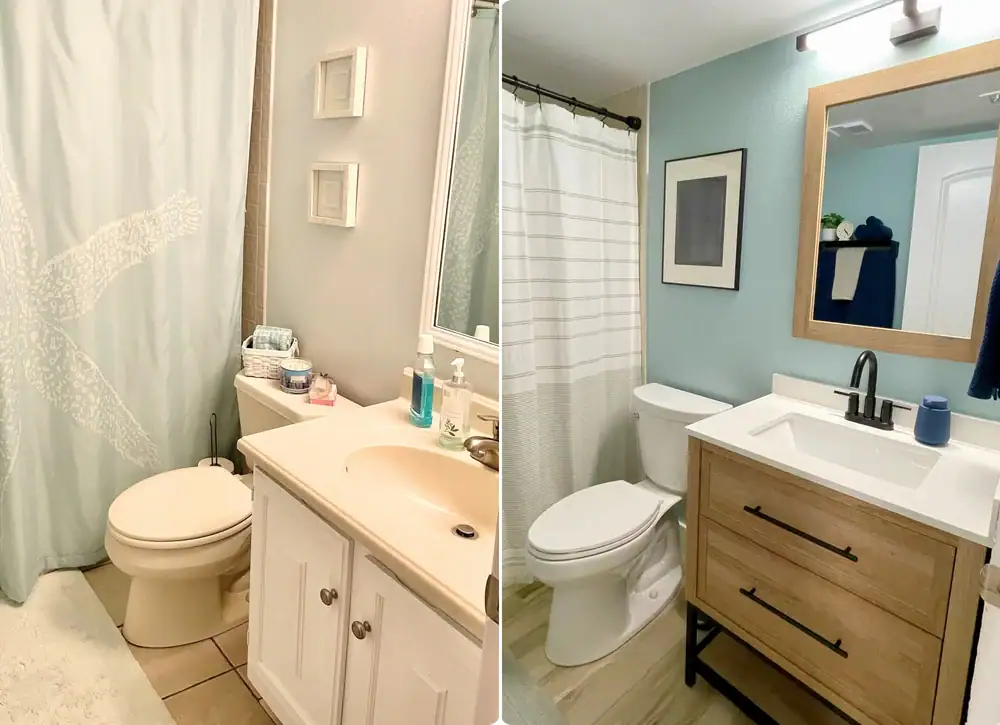
The difference between a $20,000 bathroom and a $40,000 bathroom usually comes down to a few key factors. Understanding these helps you make informed decisions about where to invest and where you can save without compromising quality.
Layout changes cost more than cosmetic updates. If you’re keeping everything in the same location—toilet stays put, shower doesn’t move, sink remains in place—you avoid expense of relocating plumbing and electrical. Moving a toilet across the room might add $3,000-$5,000 just in plumbing work. Relocating showers? Even more, especially if drainage modifications are needed.
Material selection makes huge differences. Ceramic tile costs significantly less than natural stone, but quality ceramic can look just as good and often performs better in Suffolk County’s climate. Quartz countertops offer durability and low maintenance at lower price points than marble. Prefab vanities cost less than custom cabinetry but can still look high-end with smart choices.
Fixture quality ranges dramatically. You can find toilets for $200 or $2,000, shower systems from $300 or $3,000. The question isn’t always “which is better” but “which makes sense for your budget and how you’ll use the space.” A $1,500 shower system with multiple spray patterns and quality construction often delivers better long-term value than $3,000 systems with features you’ll never use.
Suffolk County-specific costs include permits, typically running a few hundred dollars depending on work scope. Any project involving plumbing, electrical, or structural changes requires permits—just like deck building, kitchen remodeling, or paving projects for driveways and walkways. We handle permits properly and include these costs in our estimates. If someone quotes suspiciously low prices, ask about permits—cutting this corner causes serious problems later.
Hidden issues discovered during demolition can affect budgets. Water damage behind old tile, outdated wiring not meeting current code, or structural issues needing addressing before proceeding. This is why working with experienced home remodelers matters—we can often spot potential problems during initial assessments and help you plan accordingly.
The smartest approach? Get detailed, written estimates breaking down costs by category. This lets you see exactly where money goes and makes adjusting easier if budget trimming becomes necessary. Fixed pricing with no hidden fees protects you from surprise costs blowing budgets mid-project.
How long will your bathroom be out of commission? It’s one of the first questions homeowners ask, and for good reason—you’re planning daily life around this disruption. For most bathroom remodels in Suffolk County, expect 2-4 weeks from demolition to completion.
Straightforward renovations keeping the same layout typically take 2-3 weeks. Demo happens in a day or two. Plumbing and electrical rough-in takes a few days. Tile work requires several days plus drying time. Then comes fixture installation, painting, and final details. Each step happens in sequence, which is why even “simple” bathrooms take a couple weeks minimum.
More complex projects involving layout changes, custom tile work, or multiple tradespeople coordinating schedules can extend to 4-5 weeks. Moving plumbing adds time. Custom cabinetry has lead times. Intricate tile patterns take longer to install correctly. These aren’t delays—they’re realistic timelines for doing work properly.
Suffolk County permit approval can add time to project front ends. Most permits process within a week or two, but this happens before construction starts. Inspections during projects need scheduling and passing before work continues. We build this into our timelines and handle coordination for you—regardless of if it’s bathroom renovations, kitchen remodels, or patio contractor work.
Weather rarely affects bathroom remodels since it’s interior work, but material delivery delays can happen. Supply chain issues have improved from pandemic levels but haven’t disappeared. Ordering materials early and having backup options helps keep projects on schedule.
Living without your primary bathroom for a few weeks requires planning. If you have a second bathroom, that’s manageable. If not, consider timing—maybe schedule projects when you can stay elsewhere for a week or two, or set up temporary solutions working for your household.
Contractors who give honest timelines upfront, communicate regularly during projects, and actually finish when promised? Those are the ones worth working with. Projects dragging on for months usually indicate poor planning, scheduling conflicts, or contractors juggling too many jobs simultaneously. Your bathroom renovation shouldn’t be one of five projects barely being managed—no matter if it’s home remodeling, driveway paving, pool patio installation, or deck building.
Clear communication throughout the process makes timelines feel manageable even when dealing with disruption. Daily updates, heads up before loud work starts, explanations when anything changes—this separates contractors who respect your home and time from those treating you like just another job on their schedule.
Creating bathrooms that feel like spas isn’t about copying magazine photos or installing every trendy feature. It’s about understanding what makes spaces comfortable, functional, and genuinely enjoyable to use every single day. Heated floors eliminating cold mornings. Walk-in showers with proper drainage and ventilation. Materials handling Suffolk County’s climate without constant maintenance.
Homeowners who end up happiest with bathroom remodels are those balancing wish lists with practical considerations—budget, timeline, how they use spaces, and what makes sense for Long Island’s specific conditions. They work with contractors giving honest answers, handling permits properly, and finishing projects on schedule without surprise costs appearing mid-construction.
Your bathroom should be a space improving your daily routine, not just something looking good in photos. If you’re ready to explore what’s possible for your Suffolk County home, we bring over 20 years of local experience creating bathrooms delivering both immediate comfort and long-term value. Fixed pricing, licensed in-house crews, and a straightforward approach respecting your time and home—regardless of if you need bathroom remodeling, kitchen renovation, paving contractor services for driveways and walkways, deck builder expertise, patio contractor work, pool patio installations, or comprehensive home remodeling throughout Suffolk County, NY.
Article details:
Share:
Continue learning: