Transform your Smithtown pool area with professional patio installation designed for Long Island's unique climate and safety requirements.
Share:
Summary:
Long Island’s freeze-thaw cycles destroy poorly installed pool patios within a few seasons. You’ve probably seen the results: cracked concrete that collects water, uneven surfaces that become slip hazards, and drainage problems that create bigger issues around your foundation.
The key is understanding Smithtown’s specific soil conditions and climate challenges. Clay soil, coastal weather, and temperature swings require materials and installation techniques that many contractors simply don’t use.
Professional installation means proper base preparation, drainage systems that actually work, and materials rated for our local conditions. It’s the difference between a patio that lasts decades and one that needs major repairs after the first winter.
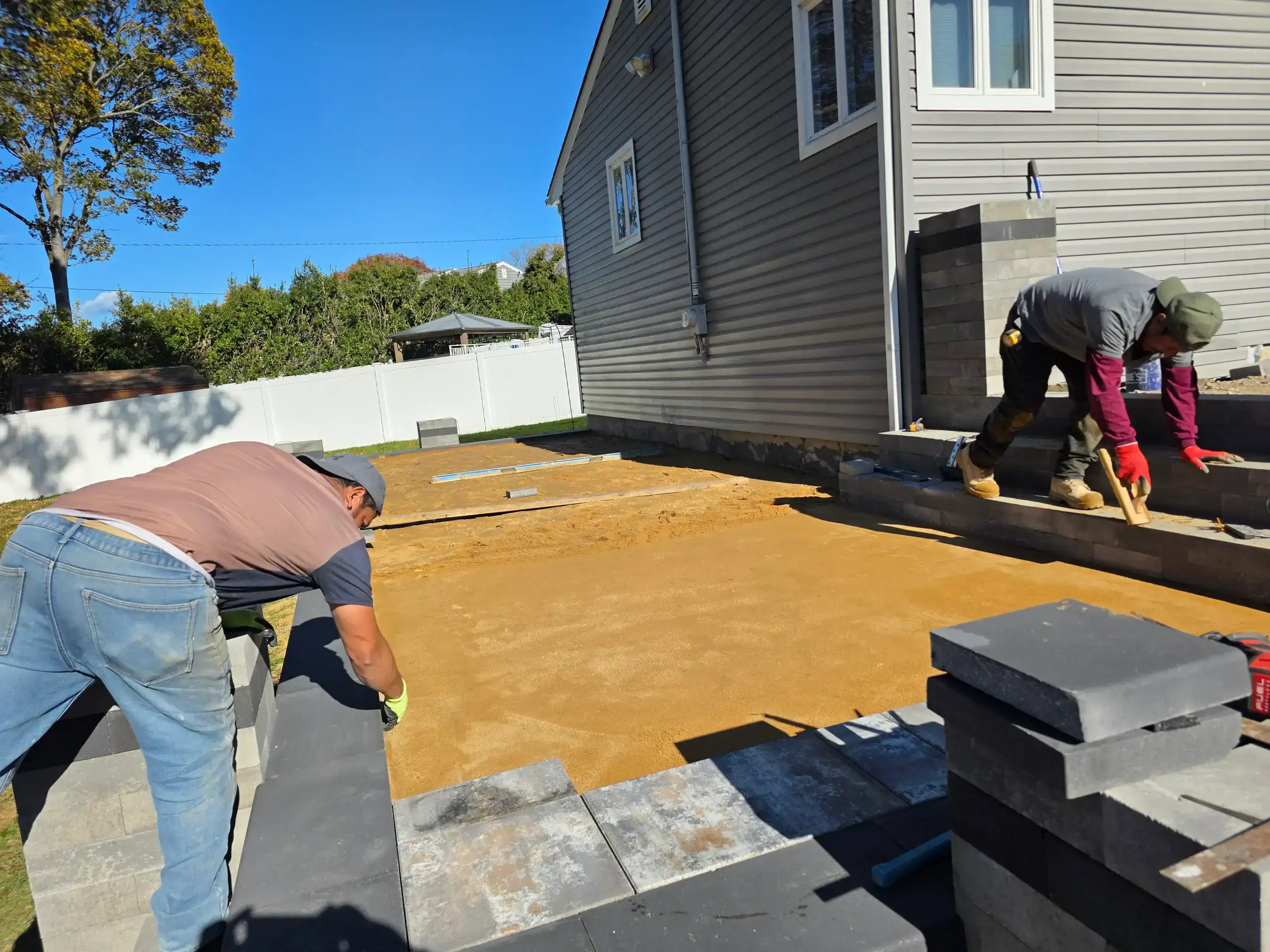
The biggest mistake contractors make is rushing the foundation work. They want to get to the visible parts—laying pavers or pouring concrete—without spending time on proper excavation and base preparation.
Here’s what actually needs to happen: complete soil evaluation, removal of unstable materials, proper drainage installation, and base materials that won’t shift over time. This foundation work determines whether your patio performs well for decades or starts showing problems within a few seasons.
In Smithtown’s clay soil conditions, this prep work is even more critical. Clay expands and contracts with moisture changes, which means your patio base needs to account for this movement. Contractors who don’t understand local soil conditions often skip steps that prevent future settling and cracking.
The drainage component is equally important. Water needs to flow away from both your pool and your home’s foundation. Poor drainage doesn’t just create puddles—it can cause foundation problems and turn your patio into a safety hazard when surfaces become slippery.
We take the time to do this foundation work correctly because we know it’s what determines long-term performance. It’s not the exciting part of the project, but it’s what separates professional installation from work that creates problems later.
Not all patio materials are created equal when it comes to Long Island weather. Basic concrete slabs crack under freeze-thaw stress. Cheap pavers shift and settle. Materials that aren’t rated for coastal conditions deteriorate quickly from salt air and temperature changes.
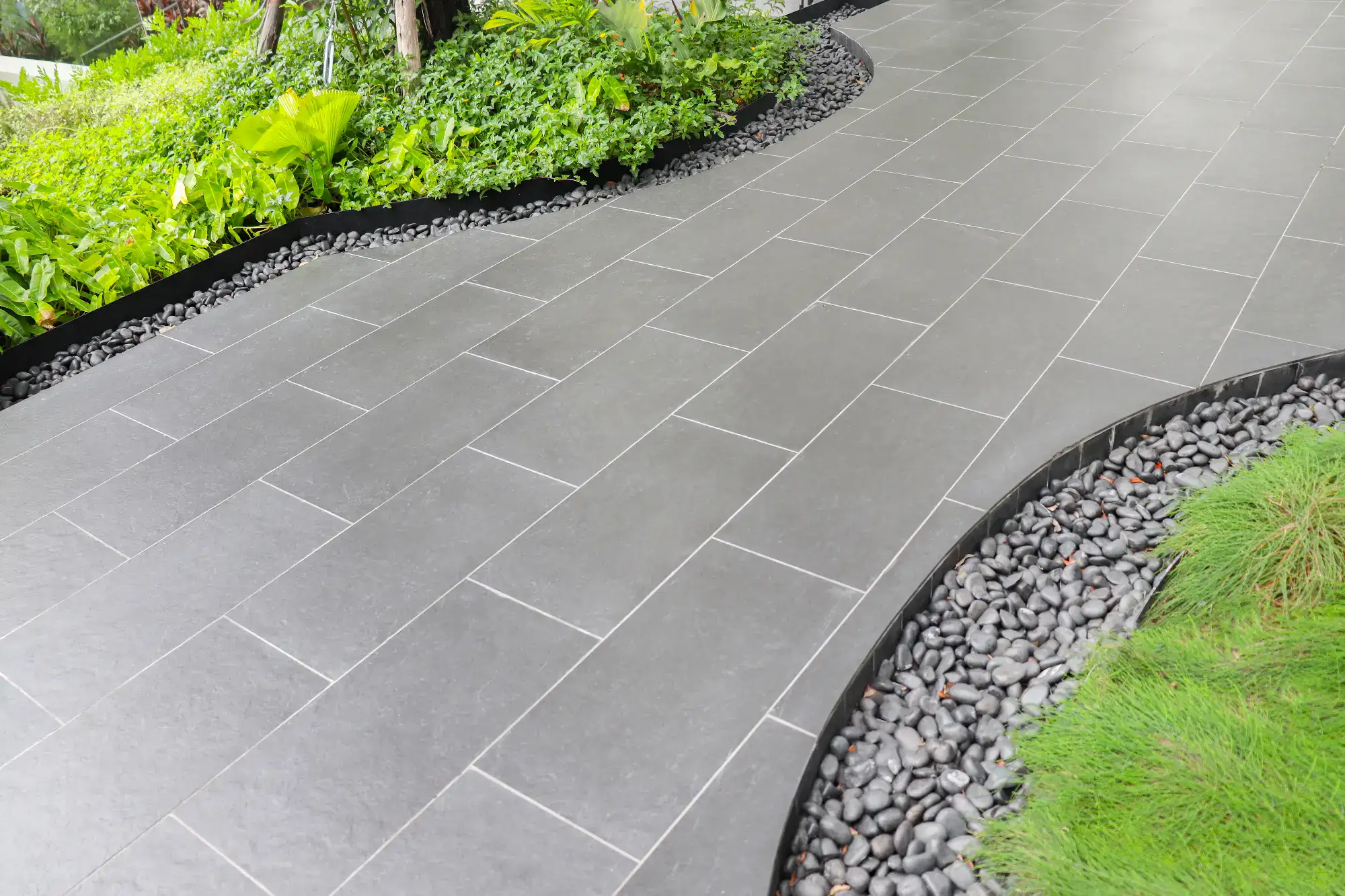
Bluestone and travertine are popular choices because they stay cooler underfoot and handle temperature changes without cracking. These natural stones expand and contract gradually, which prevents the sudden cracking you see with lower-grade materials.
Properly reinforced concrete with expansion joints also performs well when installed correctly. The key is using the right mix design and placing joints in locations that accommodate natural movement. Stamped concrete can look great initially, but without proper reinforcement, it often develops cracks within a few years.
Pavers offer flexibility and easier repairs if individual pieces do get damaged. But they require proper base preparation and edge restraints to prevent shifting. The polymeric sand between joints needs to be the right type for our climate, not just whatever’s cheapest.
We help you choose materials based on your specific situation—budget, maintenance preferences, and how you use your pool area. The goal is matching the right materials to your needs while ensuring they’ll perform well in Smithtown’s climate conditions.
Want live answers?
Connect with a Corsino Construction expert for fast, friendly support.
Pool safety goes beyond just having a fence. The patio surface itself plays a crucial role in preventing accidents, especially when people are moving around wet areas in bare feet.
Slip-resistant surfaces aren’t just about texture—they’re about choosing materials and finishes that provide grip even when wet. This means avoiding smooth concrete, polished stone, or any surface that becomes slippery when it gets pool water on it.
Proper lighting placement is another safety consideration that should be planned during installation, not added later. You need adequate illumination for evening use without creating glare that makes it hard to see the pool edge or changes in surface level.
Good drainage isn’t just about preventing water damage—it’s about preventing slip hazards and maintaining safe walking surfaces around your pool. Water that pools on your patio creates obvious slip risks, but poor drainage also leads to other safety problems.
Standing water promotes algae growth, which makes surfaces even more slippery. It also creates breeding areas for mosquitoes and other pests that make your pool area less enjoyable to use. In winter, poor drainage means ice formation in areas where people walk.
The proper slope for pool patios is typically 1/4 inch per foot, directing water away from both the pool and your home’s foundation. This slope needs to be consistent and planned during the design phase—you can’t fix drainage problems by adding a drain or two after installation.
We also plan for overflow situations. Heavy rains or pool equipment malfunctions can create more water than normal drainage can handle. Proper installation includes backup drainage solutions and grading that directs excess water to safe areas.
French drains or catch basins may be necessary in areas with poor natural drainage. These systems collect water that would otherwise pool on the surface and direct it to appropriate drainage areas. The investment in proper drainage systems prevents much more expensive problems later.
Most pool patio projects involve working around existing equipment, utilities, and landscaping that you want to preserve. This requires careful planning and coordination that many contractors don’t handle well.
Pool pumps, heaters, and electrical components need to remain accessible for maintenance while being integrated into the new patio design. We locate and mark all underground utilities before starting excavation to prevent damage and service interruptions.
Mature landscaping often represents significant investment that homeowners want to preserve. We can design patios that incorporate existing features like established trees, garden beds, or decorative elements you want to keep.
The key is planning these integrations from the beginning rather than treating them as obstacles to work around. When done correctly, your new patio enhances existing features rather than competing with them.
We also coordinate with pool service companies if you have ongoing maintenance contracts. Construction doesn’t have to mean disrupting your pool care routine if the project is planned and communicated properly.
Electrical and plumbing considerations are critical when working around pools. Any modifications need to meet current codes, and we handle the permits and inspections required for this type of work.
The right pool patio transforms your entire outdoor space from a maintenance headache into something your family actually wants to use. It provides safe surfaces that handle wet conditions, drainage that protects your property, and materials that look good for years.
Professional installation means understanding local soil conditions, weather patterns, and building codes that affect your project. It means taking time for proper foundation work and using materials rated for Long Island’s climate.
When you’re ready to discuss your pool patio project, we can provide the expertise and quality installation that makes the difference between a project that works and one that creates problems. We handle everything from permits to final cleanup, ensuring your new patio meets both your needs and local requirements.
Article details:
Share:
Continue learning: