Discover why Suffolk County homeowners choose Corsino Construction for reliable paving installation that withstands Long Island's demanding weather conditions.
Share:
Summary:
Suffolk County’s coastal location creates unique challenges that most paving contractors don’t fully understand. Your property faces salt air corrosion, freeze-thaw cycles that can destroy improperly installed surfaces, and clay soil conditions that hold water longer than other areas.
Professional paving installation starts with understanding these local factors. The difference between a driveway that lasts 20 years and one that cracks within five often comes down to foundation preparation and drainage planning—not just the surface material you choose.
Most contractors focus on what you can see. Smart contractors focus on what you can’t see: the base preparation, drainage systems, and material selection that determine long-term performance in Suffolk County’s demanding climate.
Water is your paving’s biggest enemy, especially during Suffolk County winters. When moisture seeps into cracks or poorly sealed joints, it expands as it freezes—creating pressure that can split even thick concrete or asphalt surfaces.
This process repeats dozens of times each winter. Small cracks become large ones. Large cracks become potholes. Potholes become expensive replacement projects that could have been avoided with proper initial installation.
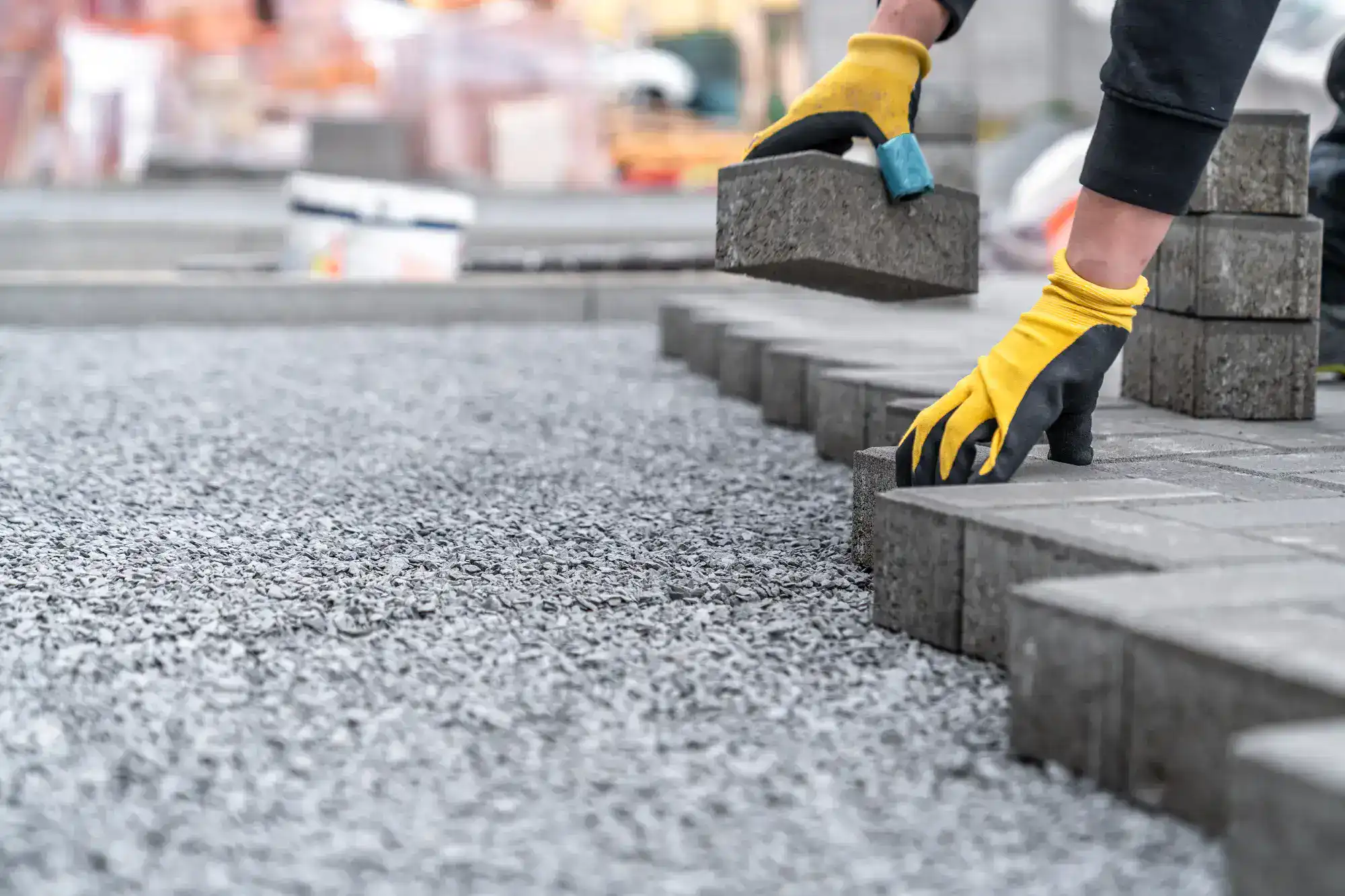
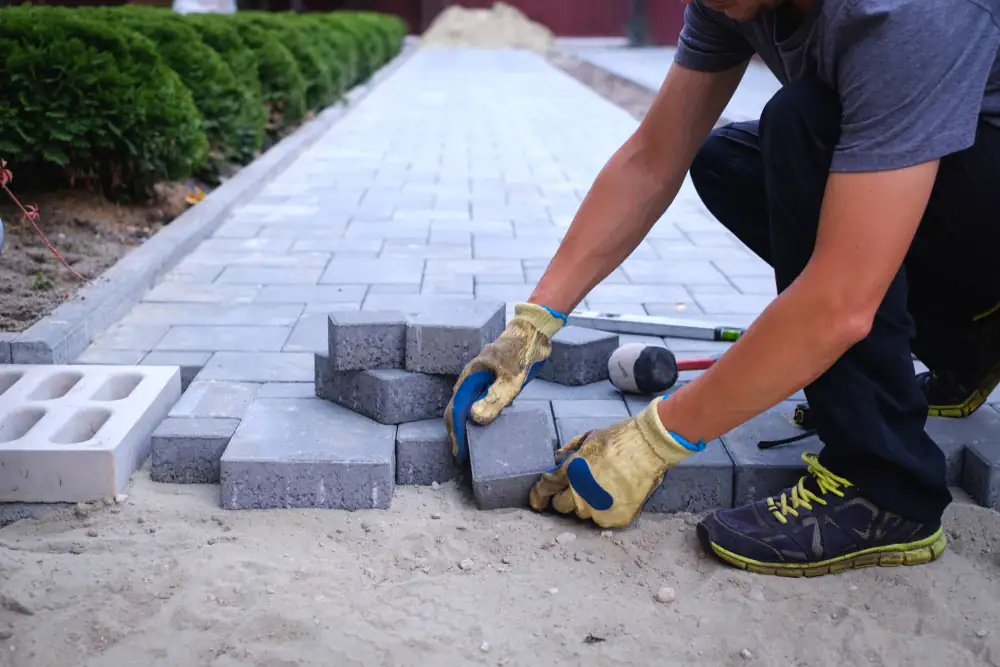
The key is preventing water infiltration from day one. This means proper base compaction, correct drainage slopes, and using materials rated for freeze-thaw resistance. Quality paver installation includes edge restraints that prevent shifting and joint sand that allows drainage while maintaining stability.
We understand that your paving project isn’t just about today—it’s about performance over the next two decades. We select materials based on local weather patterns, not just initial cost. We grade surfaces to direct water away from your foundation, not just create a level appearance.
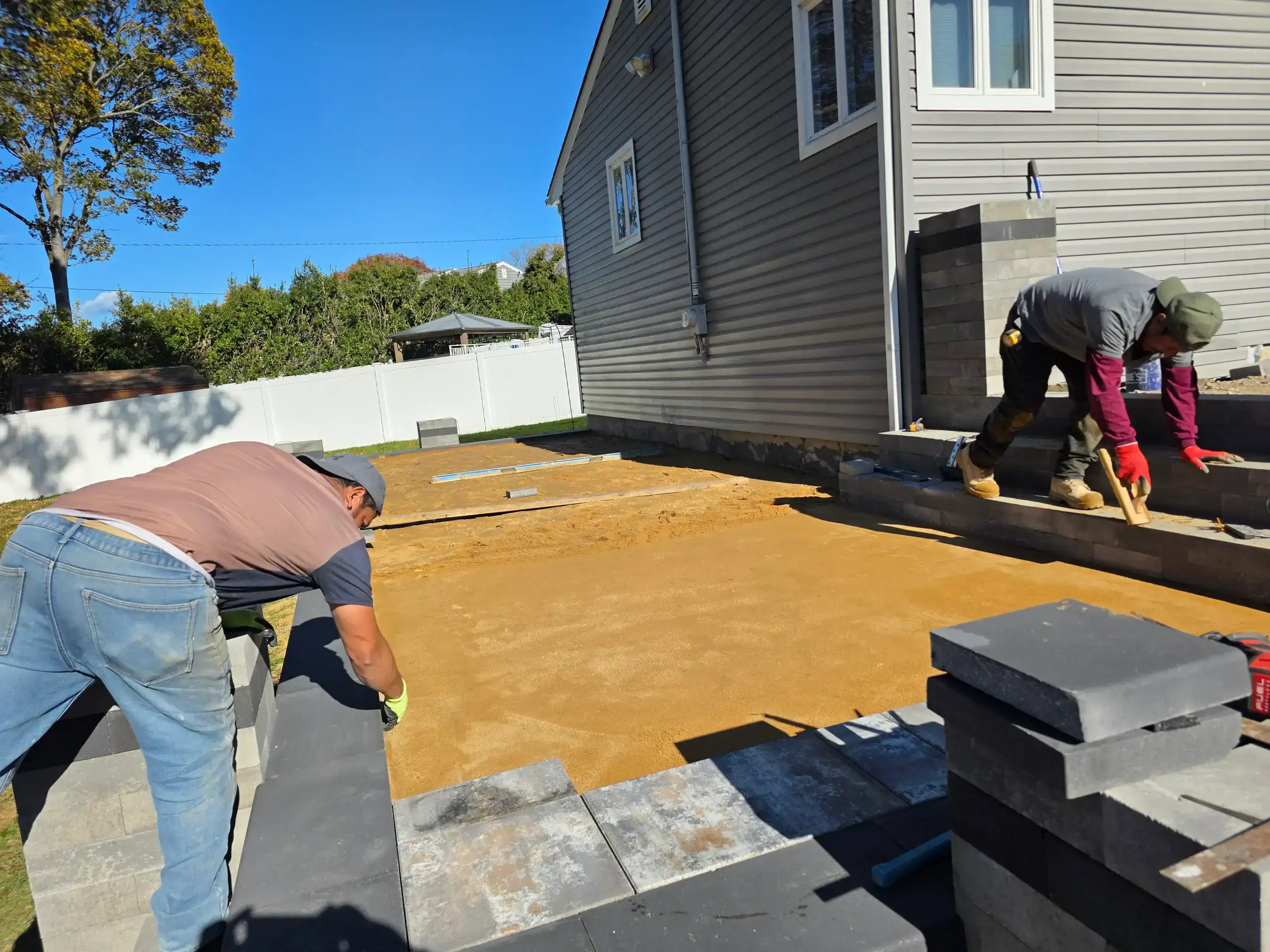
Most importantly, we prepare the base correctly. A properly excavated and compacted base prevents the settling and shifting that causes premature failure. This foundation work isn’t visible once the project is complete, but it determines whether you’re happy with your investment five years from now.
Poor drainage doesn’t just damage your paving—it threatens your home’s foundation. Suffolk County’s clay soil holds water, creating hydrostatic pressure that can cause basement leaks, foundation settling, and landscape erosion.
We evaluate your entire property’s drainage patterns before breaking ground. We consider how new paved surfaces will affect water flow, where runoff will collect, and whether existing drainage systems can handle increased volume.
Proper paving installation includes creating the right slope—typically 1.5 inches per 10 feet—to direct water away from structures. This slope needs to be consistent across the entire surface, not just eyeballed during installation. We use laser levels and string lines to ensure accuracy.
Edge drainage becomes critical in areas where water naturally collects. This might include French drains along driveway edges, catch basins in low spots, or permeable paver sections that allow water infiltration in controlled areas.
The goal isn’t just moving water off your paved surface—it’s managing water in ways that protect your entire property. This requires understanding local soil conditions, seasonal water table changes, and how Suffolk County’s coastal environment affects drainage over time.
Smart drainage planning during paving installation prevents expensive problems later. It’s much easier to install proper drainage systems during initial construction than to retrofit them after water damage appears.
Want live answers?
Connect with a Corsino Construction expert for fast, friendly support.
Not all paving materials perform equally in Suffolk County’s coastal climate. Salt air accelerates corrosion of metal components. Temperature swings cause expansion and contraction that can crack rigid materials. High humidity and seasonal storms test every aspect of your paving installation.
The best material for your project depends on your specific use case, budget, and long-term maintenance preferences. Asphalt offers flexibility that handles freeze-thaw cycles well but requires regular sealing. Concrete provides durability but can crack if not properly reinforced for local conditions.
Paver systems offer the best of both worlds—individual units that can move slightly without cracking, plus the ability to replace damaged sections without redoing entire areas. Quality pavers rated for freeze-thaw resistance provide excellent long-term value in Suffolk County’s climate.
Asphalt paving offers excellent value for driveways and parking areas. Its flexibility allows it to handle ground movement without cracking, making it ideal for Suffolk County’s freeze-thaw conditions. Properly installed asphalt typically lasts 15-20 years with regular maintenance.
The key with asphalt is proper base preparation and regular sealing every 3-5 years. Quality asphalt installation includes using materials designed for Northeast weather conditions, not generic mixes that work fine in warmer climates but fail here.
Concrete paving provides superior durability and can last 25-30 years with proper maintenance. However, concrete is more susceptible to freeze-thaw damage if water infiltration occurs. This makes proper drainage and joint sealing critical for long-term performance.
Concrete works best for applications where durability outweighs flexibility concerns. Pool patios, walkways, and areas with heavy foot traffic benefit from concrete’s hard surface and low maintenance requirements once properly installed.
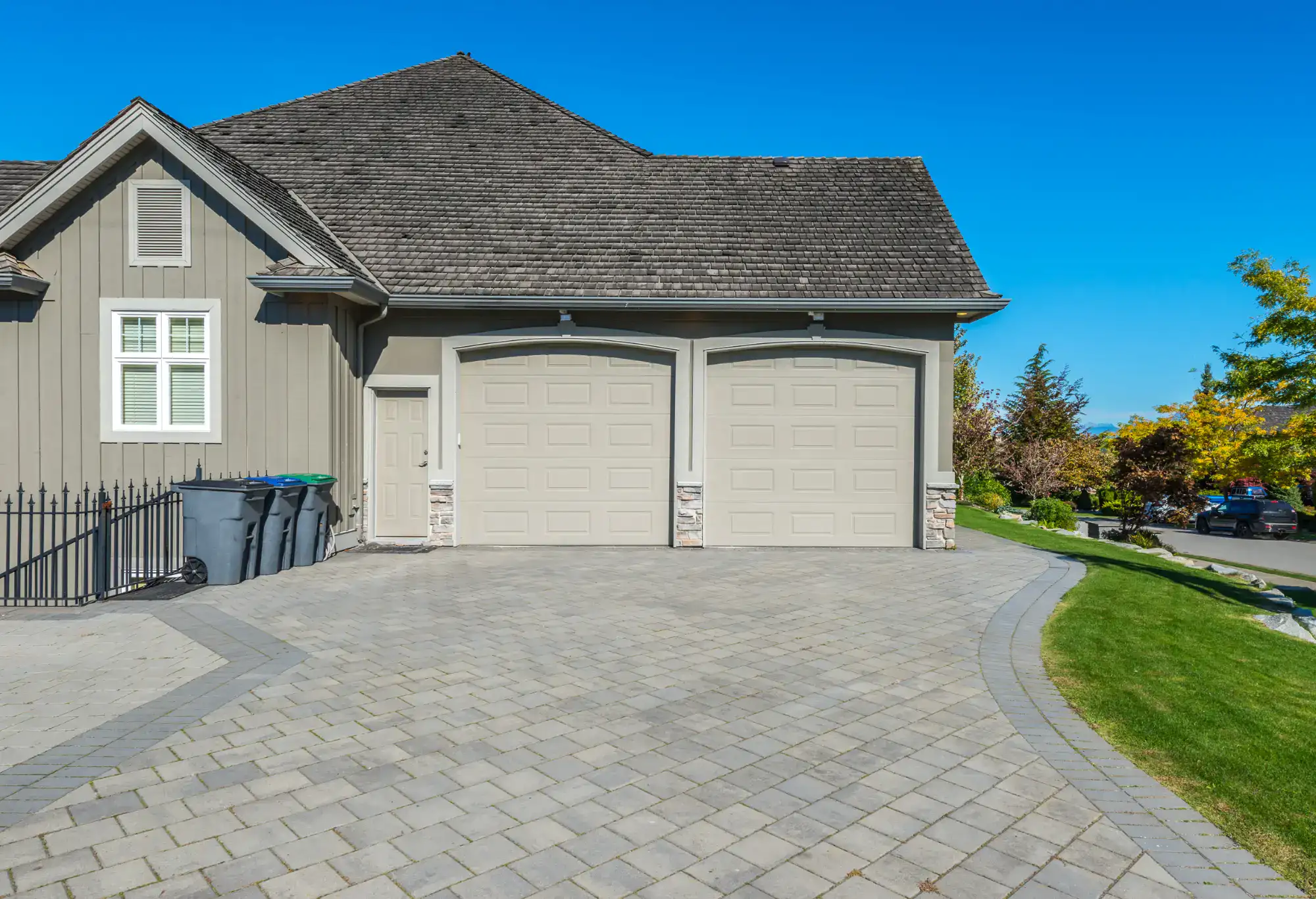
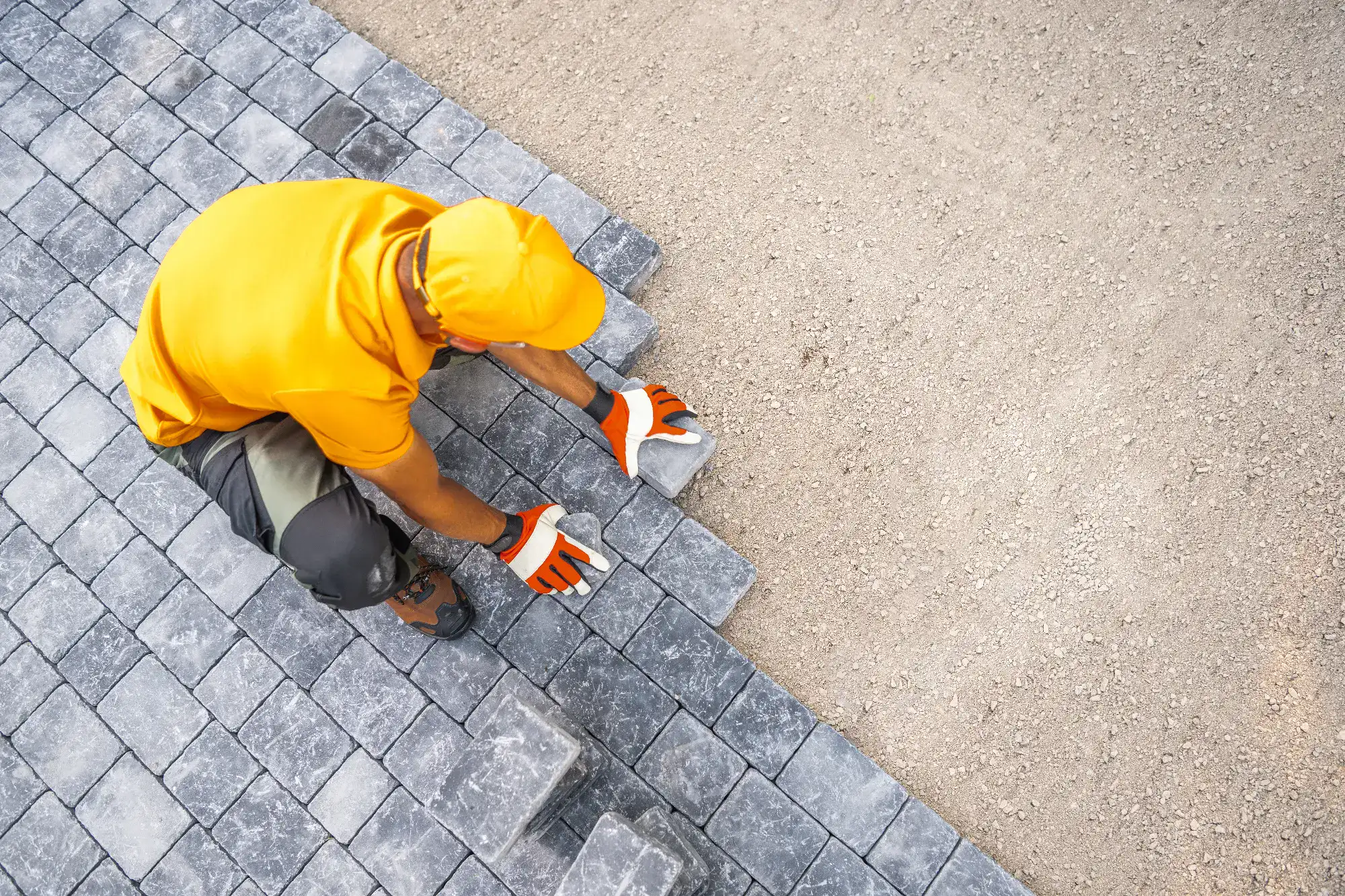
Paver installation offers the most design flexibility and longest lifespan potential. Individual pavers can accommodate ground movement without cracking, and damaged units can be replaced without affecting surrounding areas. Quality pavers often come with 25+ year manufacturer warranties.
The investment in paver patios or driveways pays off through reduced maintenance and superior performance in Suffolk County’s demanding climate. Permeable paver options also help with stormwater management—an increasingly important consideration for local building codes.
Your lifestyle and property characteristics should drive material selection, not just initial cost comparisons. A family with teenagers who play basketball needs different paving solutions than retirees who prioritize low maintenance.
High-traffic areas like main driveways benefit from materials that handle heavy loads without rutting or cracking. This typically means thicker asphalt installations, reinforced concrete, or commercial-grade pavers designed for vehicular traffic.
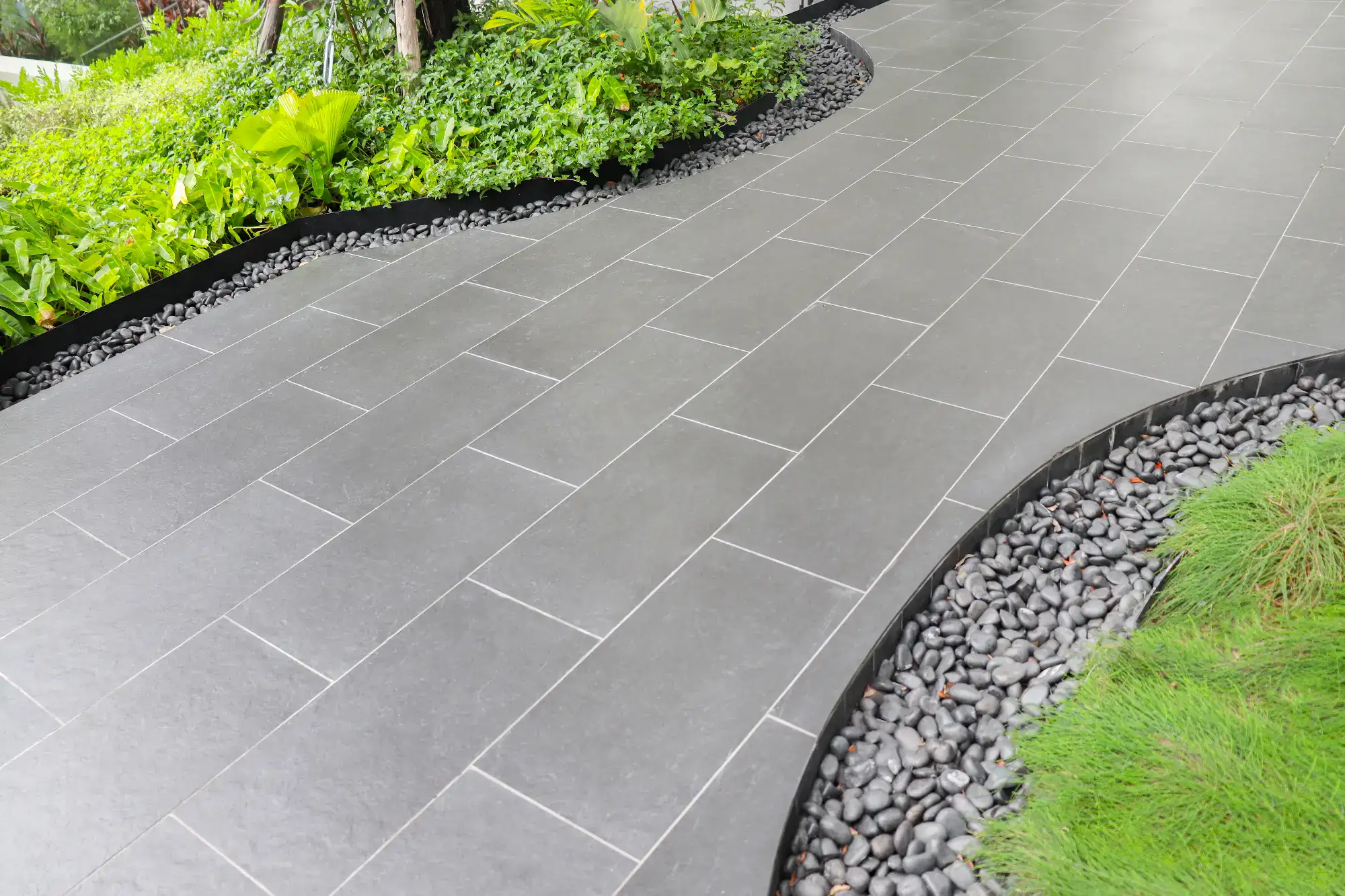
Decorative areas like patios and walkways allow more material flexibility. Here, appearance and slip resistance often matter more than load-bearing capacity. Natural stone pavers, stamped concrete, or decorative asphalt options can create attractive outdoor spaces that complement your home’s architecture.
Consider maintenance requirements honestly. Asphalt requires regular sealing but offers easy repairs. Concrete needs less frequent maintenance but repairs are more visible. Pavers require occasional joint sand replenishment but individual units can be replaced seamlessly.
Climate exposure affects material performance significantly. Areas that receive full sun all day face different challenges than shaded sections that stay wet longer. We match material selection to specific site conditions, not just apply one-size-fits-all solutions.
Budget planning should include long-term costs, not just installation prices. A material that costs more initially but requires less maintenance over 20 years often provides better value than cheaper options that need frequent repairs.
Quality paving installation requires understanding Suffolk County’s unique challenges and having the expertise to address them properly. From base preparation that prevents settling to drainage systems that protect your foundation, every detail matters for long-term performance.
The difference between amateur and professional work shows up over time. Proper excavation, correct material selection, and attention to drainage separate contractors who build for the long term from those focused on quick completion.
When you’re ready to invest in paving that handles Suffolk County’s demanding conditions, Corsino Construction Corp brings over 20 years of local experience to your project. Our transparent approach and commitment to quality installation ensures your paving investment performs as expected for decades to come.
Article details:
Share:
Continue learning: