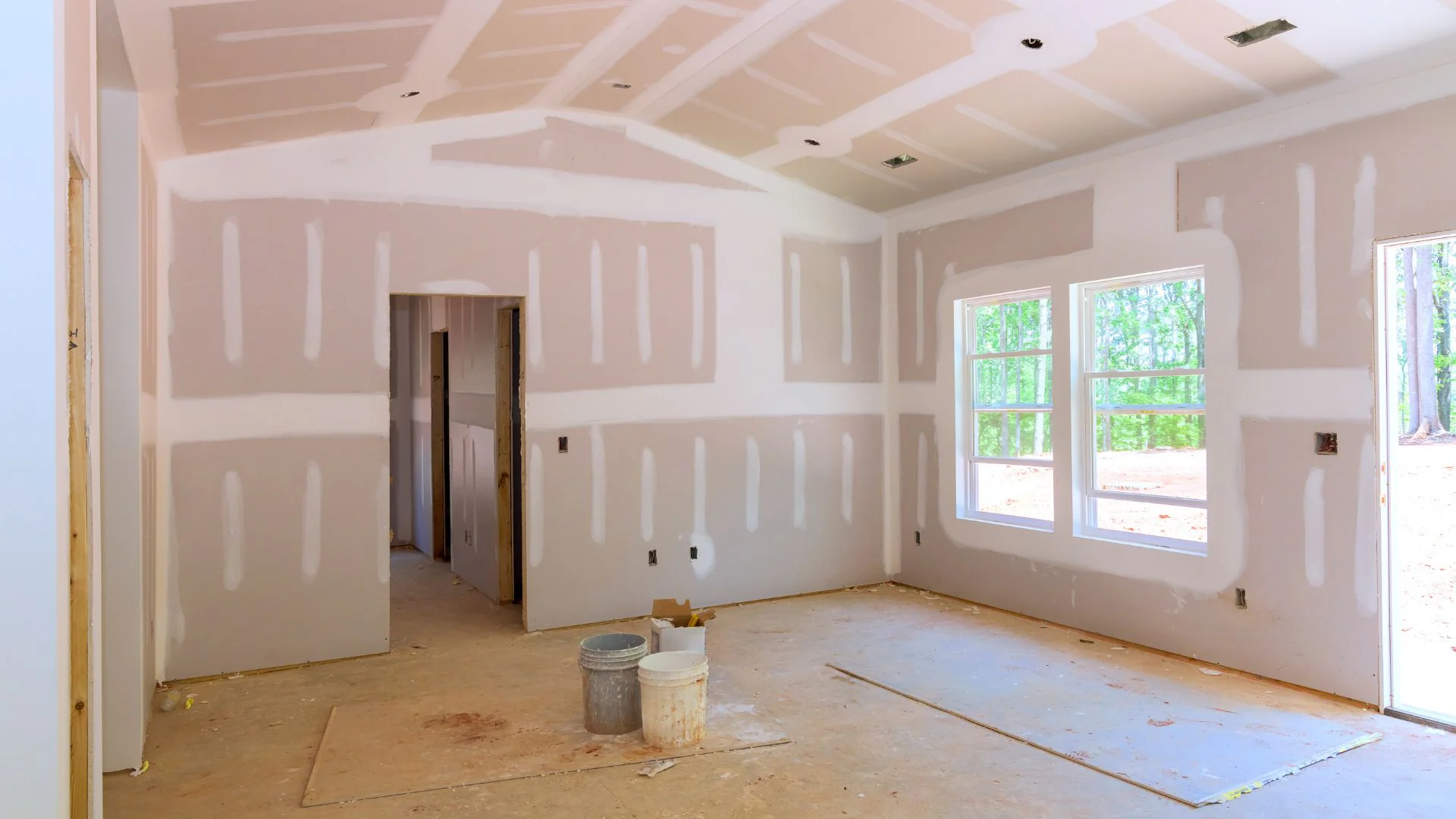
Construction change order management determines whether your remodeling project stays on budget or spirals into unexpected costs and timeline delays.
Share:

Summary:
You’ve planned your remodeling project down to the last detail. You’ve selected materials, finalized the design, and signed a contract with a price you can live with. Then, three weeks into construction, your contractor mentions “a few things that need to change.” Your stomach drops. You’ve heard the horror stories about change orders adding thousands to project costs, but you’re not sure what’s reasonable and what’s not.
Construction change order management doesn’t have to be a source of stress. When you understand the process, know what triggers legitimate changes, and work with contractors who communicate clearly, change orders become manageable adjustments rather than budget-destroying surprises. Let’s walk through what professional change order management actually looks like.
Construction change order management is the process of documenting, approving, pricing, and tracking modifications to your original remodeling contract. It’s not just paperwork. It’s the system that protects both you and your contractor when the project scope needs to shift.
A change order is a formal amendment to your construction contract. It details specific changes to the work, explains how those changes affect your cost, and documents any impact on your project timeline. Without this formal process, you’re left with verbal agreements, unclear expectations, and potential disputes about who owes what.
We treat change order management as project protection, not profit opportunity. The goal is clear documentation that keeps everyone aligned on what’s being built, what it costs, and when it’ll be done.

The change order process in construction follows a structured path that protects your interests at every step. It starts when someone identifies a needed change. Maybe you’ve decided to upgrade your bathroom tile selection. Maybe we discovered outdated electrical wiring behind your kitchen walls that doesn’t meet current Suffolk County building codes. Or maybe a building inspector requires additional structural support that wasn’t in the original plans.
Once a change is identified, we prepare a change order proposal. This document explains exactly what needs to change and why. It breaks down the cost impact, showing labor, materials, and any markup. It also states how the change affects your timeline. You’re not getting a vague “this will cost more” conversation. You’re getting specific numbers tied to specific work.
Before any changed work begins, you review and approve the proposal in writing. This is critical. Verbal approvals create confusion. Written documentation creates clarity. Your signature on a change order means you understand what’s changing, you agree to the cost, and you accept any timeline adjustment. This protects you from surprise bills later and protects us from doing work we can’t collect payment for.
After approval, the work proceeds according to the change order terms. We update project documents to reflect the new scope and adjust billing accordingly. The change order gets filed with your contract, creating a complete record of how your project evolved. When managed properly, this process feels organized rather than chaotic. You always know where you stand with your budget and schedule.
The change order process in construction exists because remodeling projects rarely go exactly as planned. Homes hide surprises behind walls and under floors. Homeowners refine their vision as they see spaces take shape. Building codes evolve. Material availability shifts. What matters is having a clear system for handling those adjustments without derailing your project or your relationship with your contractor. Professional construction change order management turns potential conflicts into documented agreements.
A properly written change order proposal gives you the information you need to make informed decisions about your remodeling project. It’s not a quick estimate scribbled on scrap paper or a verbal “this’ll run you about…” conversation. It’s a detailed document that respects your investment and your right to understand exactly what you’re paying for.
Every change order proposal should include a clear description of the changed work. If you’re upgrading countertops from laminate to quartz, the proposal specifies the material, the square footage, the edge profile, and any related work like additional cabinet support or modified plumbing. If hidden damage requires repair, the proposal describes what was found, why it needs addressing, and what the repair involves. Vague descriptions like “additional work as needed” don’t belong in professional change order proposals.
Cost breakdowns matter more than you might think. We itemize change order pricing, showing you the cost of materials, labor hours, and any markup for overhead and profit. This transparency lets you see exactly where your money goes. It also helps you evaluate whether the pricing is reasonable or inflated. When a contractor refuses to break down costs, that’s a red flag. When we provide detailed line items, that’s a trust signal.
Timeline impact deserves clear communication in every change order proposal. Some changes add days to your project. Others might actually save time by eliminating work. Your proposal should state how many days are being added or subtracted from your completion date. This protects you from being held to an unrealistic timeline when legitimate changes have extended the work. It also helps you plan around the construction schedule.
Supporting documentation strengthens change order proposals and builds confidence. Photos of hidden damage behind your bathroom walls show you exactly what we found. Copies of building inspector notes prove that additional work is required, not optional. Manufacturer specifications for upgraded materials help you understand what you’re getting. We provide this context not to overwhelm you with paperwork, but to demonstrate professionalism and build trust through transparency.
The proposal should reference your original contract and show how the change order affects your total project cost. You should be able to see your original contract sum, all approved change orders to date, and your new total contract amount. This running total keeps you informed about where you stand financially at any point in the project. You never have to wonder whether you’re still on budget or how far costs have climbed.
Change order proposals protect homeowners by creating a paper trail. If disputes arise later about what was agreed to, you have documentation. If you need to reference why costs increased, you have clear explanations. If your contractor tries to charge for work that wasn’t approved, you have written records proving what was authorized. We embrace detailed proposals because they prevent misunderstandings and protect everyone involved in the project.
Want live answers?
Connect with a Corsino Construction expert for fast, friendly support.
A change order is made because of specific circumstances that alter your original project scope. Understanding these triggers helps you distinguish between legitimate changes that deserve your approval and potential red flags that might indicate poor planning or questionable contractor practices.
Unforeseen conditions represent the most common reason for change orders in remodeling, especially in Suffolk County where many homes were built decades ago. When you’re renovating an existing home, you can’t see what’s behind the walls until demolition begins. We frequently encounter outdated electrical systems that don’t meet current code, hidden water damage from old leaks, or structural issues that weren’t visible during initial inspections. These discoveries require changes to the work scope because they must be addressed before continuing with your remodel.
Owner-requested modifications trigger many change orders, and these are entirely within your control. You might see the space taking shape and realize you want to adjust the layout. You might decide to upgrade finishes or add features that weren’t in your original plan. These changes are your choice, and they come with associated costs that get documented through change orders.

Experience makes a measurable difference in change order frequency, and that experience shows up in how we approach project planning. After managing remodeling projects for over 25 years, we’ve developed an ability to anticipate issues before they become problems. This foresight directly impacts your budget and peace of mind.
Thorough planning during the design phase catches potential issues early, when they’re easiest and least expensive to address. We review your plans with a critical eye, asking questions about how systems will integrate, where potential conflicts might arise, and what code requirements might apply to your specific project. We’re not being difficult or pessimistic. We’re preventing change orders that could have been avoided with better upfront planning. This is where construction change order management actually begins, long before construction starts.
Detailed site inspections before contract signing reveal conditions that might affect your project scope. We take time to examine your existing electrical panel, check your plumbing system, assess your home’s structural elements, and look for signs of past water damage. This investment in accurate project scoping means that when we identify concerns during the planning phase, those items get included in your original contract rather than becoming surprise change orders three weeks into demolition. This is especially important in Suffolk County, where older homes often hide outdated systems that need updating.
Clear specifications in your original contract reduce the ambiguity that leads to changes and disputes. When your contract states exactly what materials will be used, what work is included, what standards apply, and what’s specifically excluded, there’s less room for misunderstanding. Vague contracts create situations where you think something’s included and your contractor thinks it’s extra work. That gap breeds frustration and conflict.
Proactive communication throughout the project prevents small issues from becoming change order triggers. When we notice something that might need adjustment, we bring it to your attention immediately. This gives you options. You can discuss alternatives, evaluate costs, and make informed decisions. Waiting until the problem forces a change removes your flexibility and often increases costs because work has to be redone or adjusted on the fly.
We also build realistic expectations about contingencies into project planning. We know that remodeling older homes often reveals surprises. While we can’t predict exactly what will be found behind your walls, we can prepare you for the possibility and help you set aside appropriate reserves. This doesn’t mean padding our bid with hidden costs. It means honest communication about the realities of remodeling work and helping you budget for unknowns.
The relationship between contractor experience and change order management shows up clearly in project outcomes. Homeowners working with seasoned professionals typically experience fewer surprise changes, clearer communication when changes are necessary, more accurate original project scoping, and less stress throughout the construction process. That experience is worth the investment because it protects your budget and your peace of mind.
Fixed pricing contracts and effective change order management work together to protect your remodeling investment. When you sign a fixed-price contract, you’re agreeing to a specific scope of work for a specific price. Change orders document when that scope needs to adjust and how the price adjusts accordingly. Understanding this relationship helps you evaluate contractors and protect your budget.
The integrity of fixed pricing depends on accurate original scoping and honest change order practices. Contractors who intentionally underbid projects, knowing they’ll make up the difference through change orders, are undermining the fixed-price model and your trust. We price our work accurately from the start, then use change orders only when legitimate scope changes occur. This is the difference between a contractor who sees change orders as profit opportunities and one who sees them as project management tools.
In Suffolk County, where many homes were built in the mid-20th century, the relationship between fixed pricing and change orders requires realistic expectations on both sides. We can give you a fixed price for the work we can see and plan for. We cannot give you a fixed price that includes unknown conditions behind your walls or under your floors. This is why change orders exist and why they’re a normal part of remodeling older homes. It’s not a flaw in the process. It’s recognition that some conditions can’t be known until work begins.
We explain this dynamic upfront, before you sign anything. We walk you through what’s included in your fixed price, what could potentially trigger change orders based on our experience with similar homes, and how those changes would be priced if they occur. This conversation happens during the estimating phase, giving you the information you need to budget appropriately and choose a contractor you trust. Contractors who avoid this conversation or downplay the possibility of changes aren’t doing you any favors.
The change order process protects the fixed pricing model by documenting scope creep. Without formal change orders, small additions and modifications can accumulate without clear cost tracking. You might ask for an extra outlet here, a slightly different tile layout there, upgraded hardware on the cabinets. Before you know it, you’ve added thousands in work without realizing it because each change seemed minor. Change orders keep that from happening by requiring written approval and cost documentation before changed work proceeds.
Some contractors offer change order markup percentages that are clearly stated in your original contract. This might be 10-15% for overhead and profit on change order work. Knowing this upfront removes surprise and lets you calculate potential costs if changes become necessary. It’s another layer of transparency that builds trust and helps you make informed decisions. When change order pricing is fair and clearly communicated, the process works smoothly.
Fixed pricing with professional change order management gives you the best of both worlds. You get cost certainty for your planned scope, plus a clear process for handling the adjustments that inevitably arise during remodeling projects. When both elements work together under the guidance of experienced contractors, you maintain budget control even when changes occur. That’s the goal of effective construction change order management.
Construction change order management doesn’t have to be a source of anxiety or conflict. When you understand the process, work with experienced contractors, and insist on clear documentation, change orders become manageable project adjustments rather than budget disasters that derail your renovation dreams.
The key is choosing contractors who treat change order management as homeowner protection, not profit opportunity. Look for professionals who plan thoroughly during the design phase, communicate clearly when changes arise, document everything in writing before work proceeds, and have the experience to anticipate issues before they become problems. These practices minimize unnecessary changes and handle necessary ones with transparency and respect for your investment.
If you’re planning a remodeling project in Suffolk County and want to work with contractors who prioritize clear communication and professional project management, we bring over 25 years of experience to every project. Our approach to construction change order management protects your budget while delivering the quality results you deserve.
Article details:
Share:
Continue learning: