Your complete guide to planning a successful kitchen remodel in Suffolk County, from budgeting to design choices.
Share:
Summary:
Let’s cut to the chase. You want numbers, not vague estimates.
For a typical 120-square-foot kitchen in Suffolk County, you’re looking at anywhere from $23,500 to $102,500, depending on your finish level. Mid-grade renovations average around $350 per square foot, while high-end projects can hit $689 per square foot.
Here’s the reality: your final cost depends on how much you’re willing to change. Keeping the existing layout and just updating finishes? You’ll stay on the lower end. Moving walls, relocating plumbing, or going full custom? Expect to invest significantly more.
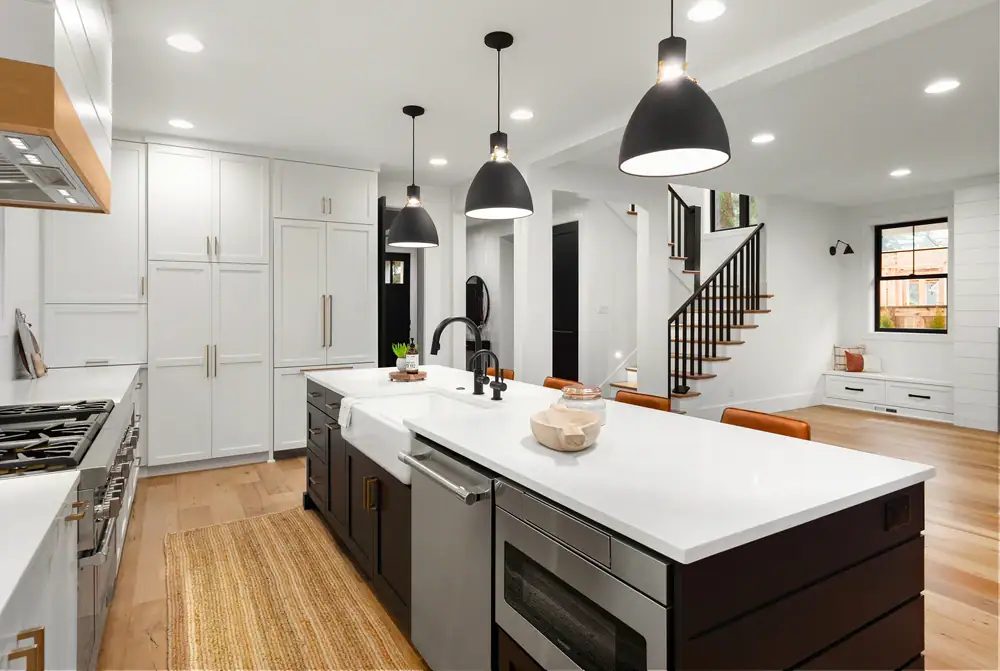
Several factors push Suffolk County kitchen remodel costs higher than national averages. Labor costs reflect our area’s higher cost of living, and skilled tradespeople command premium rates for quality work.
Materials also cost more here. Everything from cabinets to countertops carries higher price tags due to transportation costs and local demand. Don’t forget permit fees either – Suffolk County charges $300 to $1,000 depending on your project scope.
The biggest cost driver? Scope creep. That happens when you start with basic updates and gradually add features during construction. One day you’re replacing countertops, the next you’re moving walls and upgrading electrical. Set your budget upfront and stick to it.
Your home’s age matters too. Many Long Island houses were built in the 1950s with outdated electrical systems that can’t handle modern appliances. Upgrading electrical work adds thousands to your budget, but it’s often necessary for safety and functionality.
Consider timing as well. Off-season renovations during fall or winter typically cost less than peak spring and summer projects when contractors are busiest.
Budget renovations starting around $23,500 focus on cosmetic updates. You’ll get prefab cabinets, basic countertops like butcher block or tile, and standard appliances. The layout stays the same, and you handle some work yourself.
Mid-range projects around $36,000 include semi-custom cabinets, stone countertops, stainless steel appliances, and professional installation throughout. You might add an island or reconfigure some elements, but major structural changes are limited.
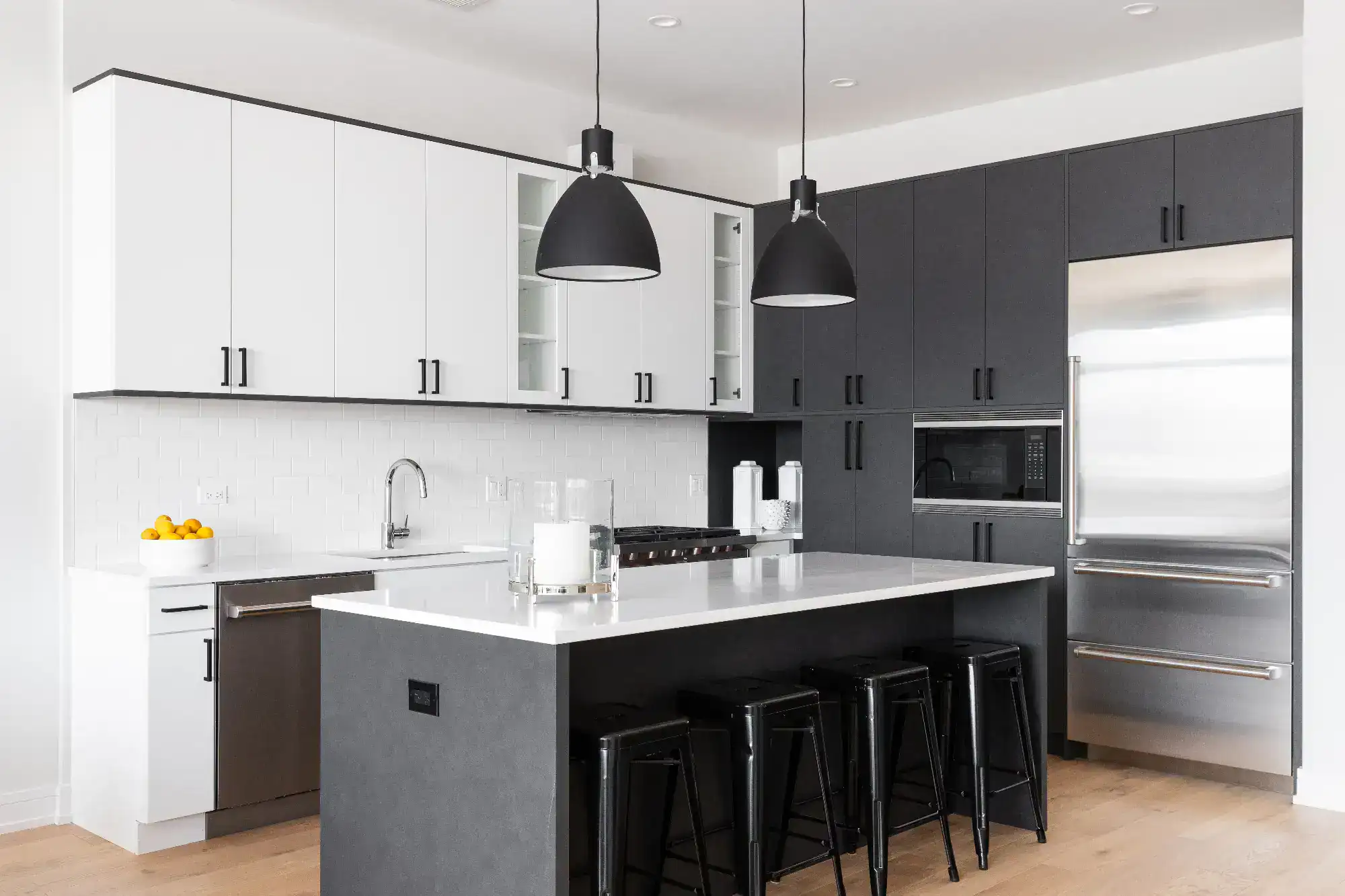
High-end renovations starting at $72,500 bring custom everything. Think handcrafted cabinets with interior organizers, premium stone countertops, commercial-grade appliances, and designer lighting. These projects often include layout changes, high-end flooring, and luxury finishes.
The sweet spot for most Suffolk County homeowners? Mid-range renovations that balance quality materials with reasonable costs. You get the functionality improvements you need without the premium price of full customization.
Remember, even budget renovations can look fantastic with smart choices. Focus your money on elements you use most – countertops, faucets, and cabinet hardware – while saving on items like flooring or backsplashes where attractive options exist at lower price points.
Want live answers?
Connect with a Corsino Construction expert for fast, friendly support.
Your kitchen layout determines how well the space works for your family. Get this wrong, and even the most expensive finishes won’t fix fundamental functionality problems.
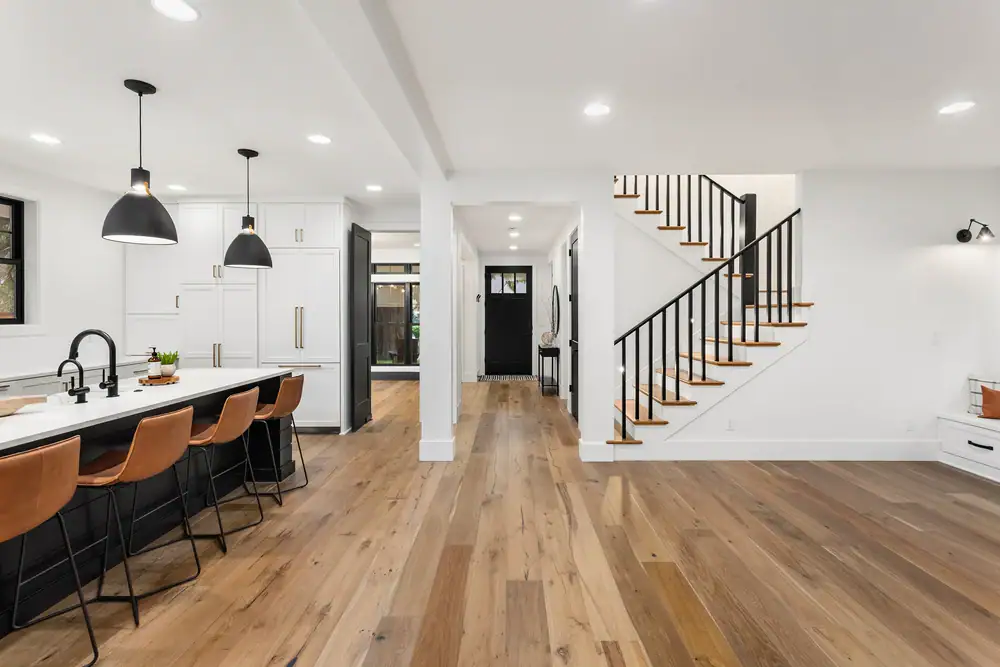
Most Long Island homes work best with galley, L-shaped, or U-shaped layouts. Open concept designs are popular, but they’re not always practical in older homes with load-bearing walls. Islands work great if you have the space – at least 36 inches of clearance on all sides.
Think about your cooking habits. Do you entertain frequently? Need space for multiple cooks? Want a breakfast bar for quick meals? These preferences should drive your layout decisions, not just what looks good in magazines.
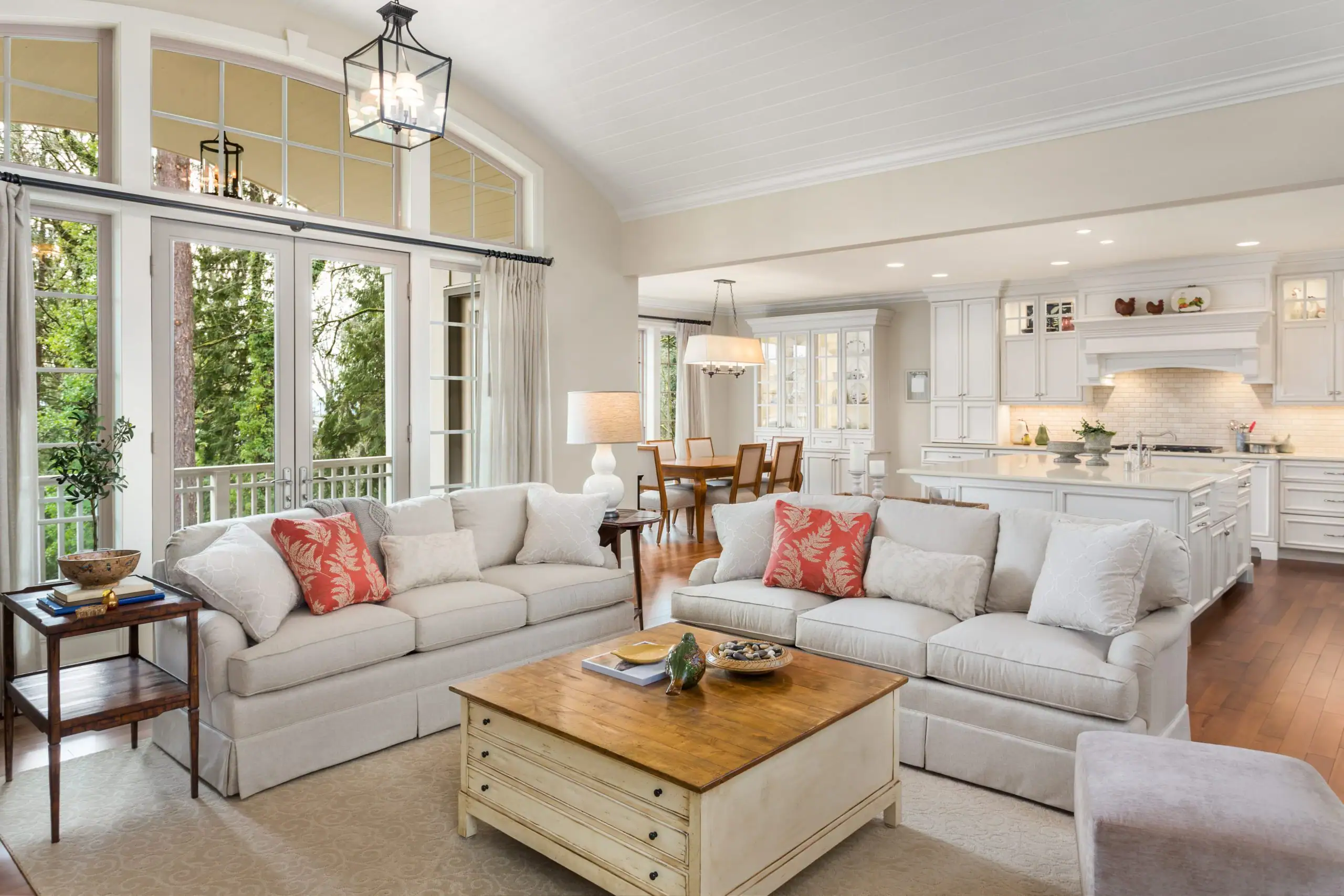
Storage frustrations drive most kitchen remodels. You’re tired of digging through cluttered cabinets and fighting for counter space. The solution isn’t just more cabinets – it’s smarter storage design.
Start with corner cabinets. Those awkward spaces become functional with lazy Susans or pull-out drawers. Deep drawers work better than shelves for pots, pans, and small appliances. You can see everything and access items easily.
Consider your vertical space too. Cabinets that extend to the ceiling provide extra storage for seasonal items or serving pieces you rarely use. Pull-down shelves make these high spaces accessible without step stools.
Built-in organizers transform cabinet interiors. Spice racks, tray dividers, and pull-out trash bins keep everything organized and easy to find. These features cost more upfront but pay dividends in daily convenience.
Don’t forget about hidden storage opportunities. Toe-kick drawers under base cabinets work perfectly for flat items like baking sheets. False drawer fronts under sinks can hide cleaning supplies on pull-out trays.
Walk-in pantries are trending for good reason – they provide enormous storage capacity and keep food items organized. If you have the space, a well-designed pantry eliminates kitchen clutter better than any other single feature.
Long Island’s coastal climate and temperature swings demand materials that can handle moisture, humidity, and seasonal changes. Your material choices directly impact both appearance and longevity.
For countertops, quartz outperforms granite in our climate. It’s non-porous, requires no sealing, and handles temperature changes without cracking. Granite looks beautiful but needs regular maintenance to prevent staining and bacterial growth.
Cabinet materials matter more than you might think. Solid wood expands and contracts with humidity changes, potentially causing doors to warp or stick. Engineered materials like plywood with wood veneer provide better stability while maintaining attractive appearance.
Flooring takes serious abuse in kitchens. Luxury vinyl plank handles moisture better than hardwood and costs significantly less. If you prefer tile, choose larger formats with fewer grout lines – they’re easier to clean and maintain.
Don’t overlook hardware quality. Coastal moisture corrodes cheap finishes quickly. Invest in solid brass or stainless steel hardware with quality finishes that won’t pit or tarnish over time.
Backsplashes serve both decorative and functional purposes. Natural stone requires sealing and ongoing maintenance. Ceramic or porcelain tiles with quality grout provide easier maintenance and better moisture resistance.
Planning prevents problems. Start with a realistic budget that includes a 15-20% contingency for unexpected issues – they always come up in older Long Island homes.
Get multiple quotes from licensed contractors who understand local building codes and permit requirements. The cheapest bid usually means corners will be cut somewhere. Focus on value, not just price.
Timeline matters too. Most kitchen remodels take 5-7 months from planning to completion. Plan accordingly, especially if you’re starting during peak season when contractors are busiest.
Ready to move forward with your kitchen remodel? We’ve been helping Suffolk County homeowners create functional, beautiful kitchens for over two decades. We handle everything from permits to final cleanup, so you can focus on enjoying your new space.
Article details:
Share:
Continue learning: