Hear from Our Customers
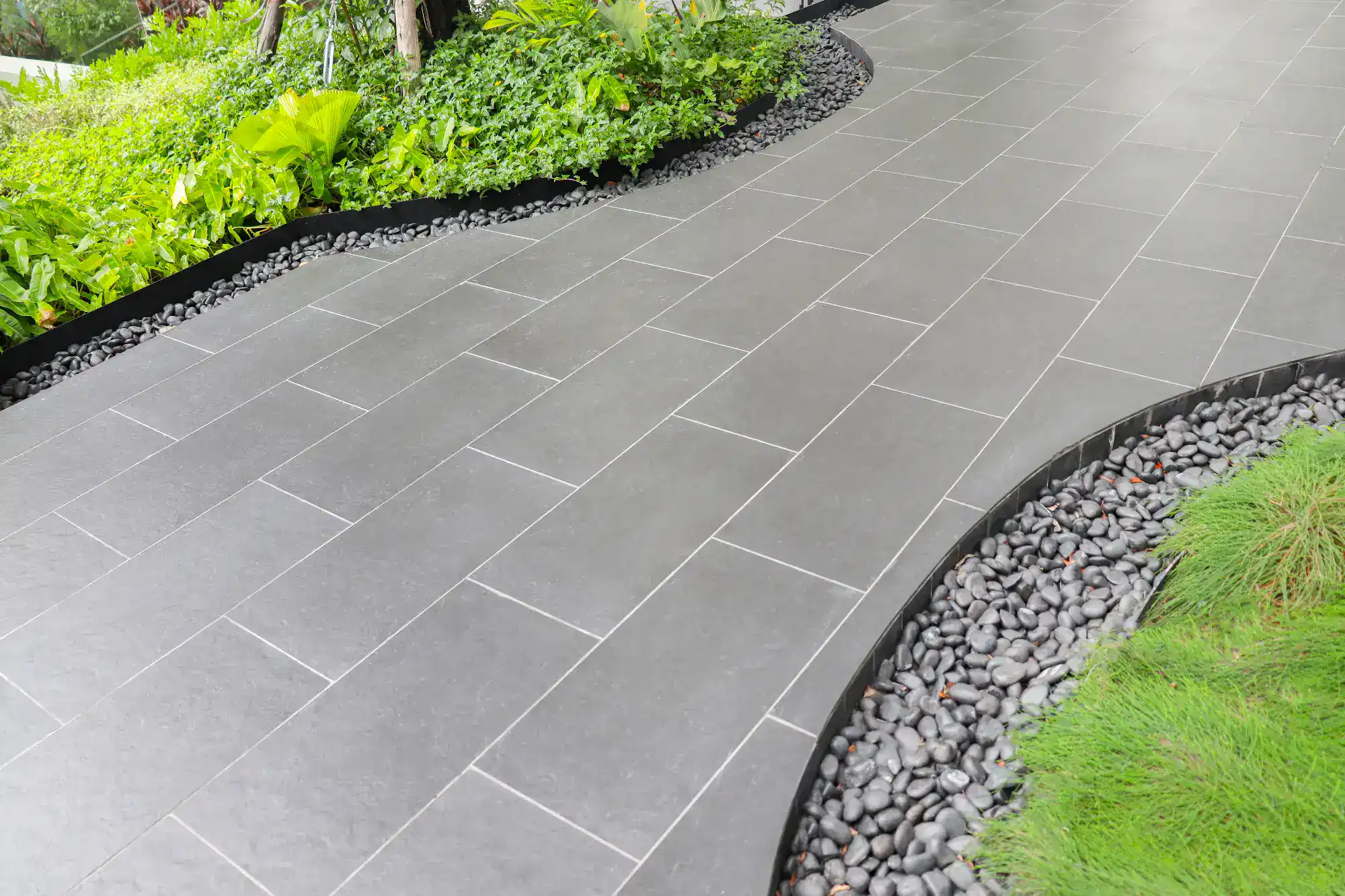
Your cracked concrete walkway tells the same story every Long Island homeowner knows. Small cracks that became trip hazards. Sections that settled and created uneven surfaces. A surface that looked great for maybe a year before showing its age.
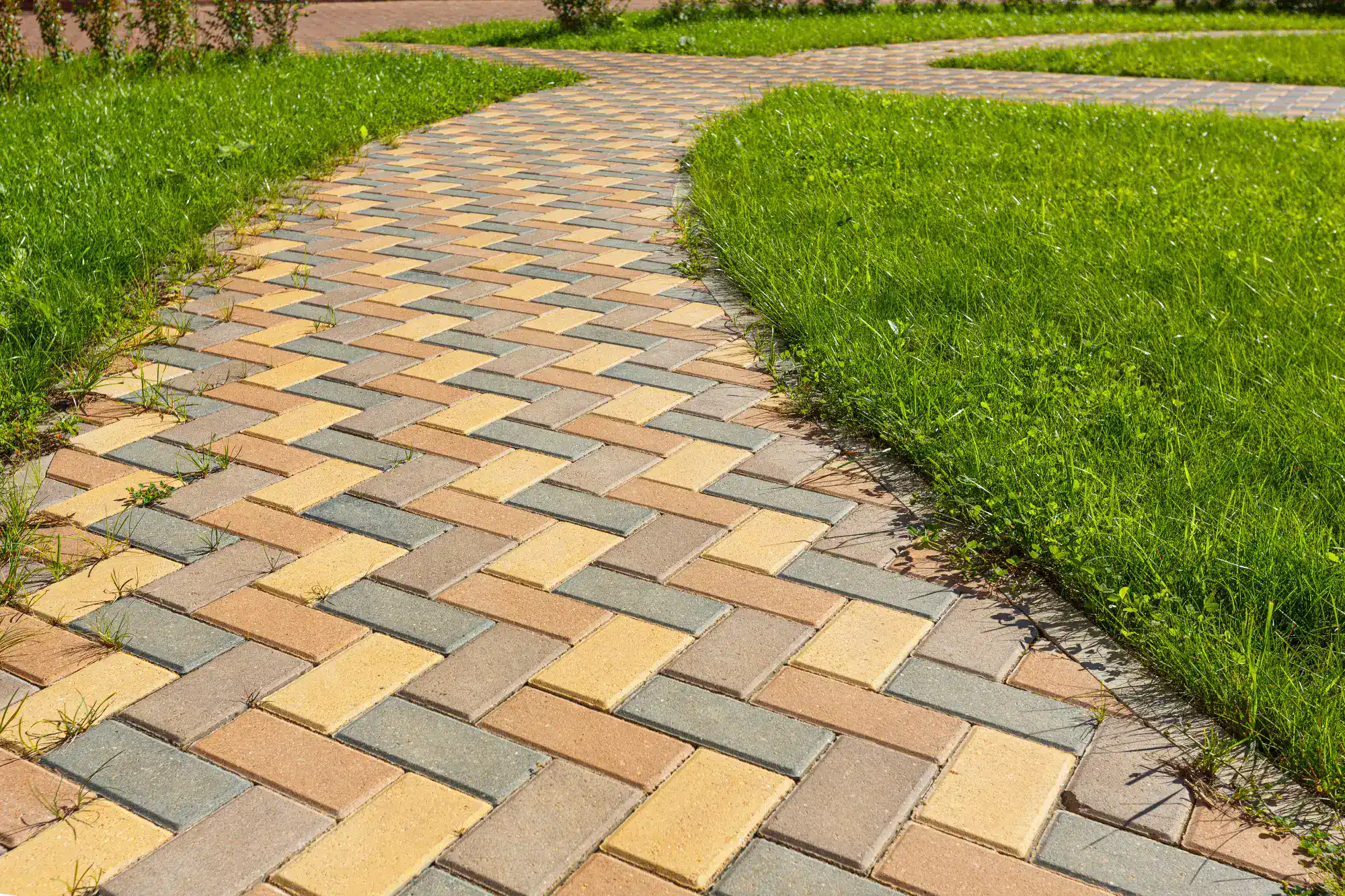
Paver walkways solve these problems differently. Instead of one solid surface that cracks when Long Island’s clay soil shifts, you get individual pavers that flex with ground movement. When freeze-thaw cycles hit, pavers adjust without creating stress fractures.
The result is a walkway that maintains its appearance and safety for 25-30 years, not 5-10 like concrete. Plus, if a single paver ever gets damaged, you replace one piece instead of tearing up the entire walkway.
**SECTION 3 | ABOUT US**
We’ve been handling walkway projects across Suffolk County since 2000. We understand how Long Island’s clay-heavy soil affects foundation stability and how local weather patterns impact material choices.
Every project gets the same attention whether it’s a simple walkway repair or complete paver installation. We’re licensed, insured, and focused on getting the job done right the first time using our own trained crews instead of subcontractors.
You’re working with people who live and work in Farmingville. We know the local requirements, the best materials for our climate, and what it takes to create paving that handles everything Long Island throws at it.
**SECTION 4 | HOW IT WORKS**
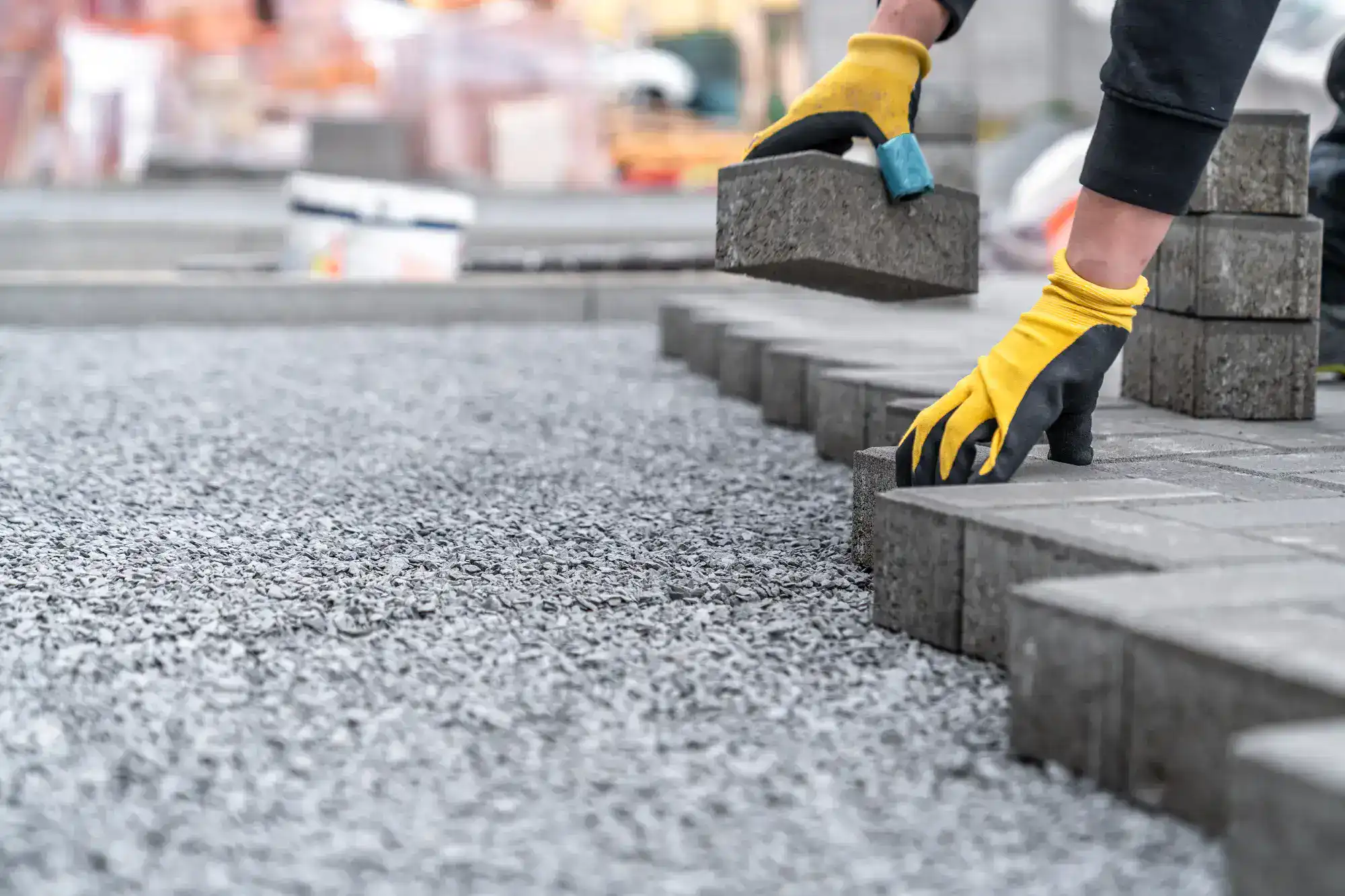
Every walkway project starts with proper excavation to remove existing concrete or unstable soil. We install a compacted gravel base with the right depth for Long Island conditions, then add a sand leveling layer that accounts for Farmingville’s specific drainage needs.
Each paver gets set by hand with proper spacing and alignment. We cut edge pieces to fit perfectly and install restraint edging to keep everything locked in place. This prevents the spreading that causes wavy, uneven walkways over time.
The final step involves sweeping polymeric sand into all joints and compacting the entire surface. This specialized sand hardens when activated with water, creating a stable joint system that resists washout and weed growth through Suffolk County’s weather cycles.
**SECTION 5 | SERVICE-RELATED INFORMATION**
Ready to get started?
Every walkway installation includes proper excavation, engineered base preparation, and professional-grade materials rated for freeze-thaw conditions. You get options for different paver styles, colors, and patterns to match your home’s aesthetic.
The installation accounts for Farmingville’s specific drainage needs and soil conditions. Proper slope ensures water flows away from your foundation, while edge restraints prevent spreading over time. Base preparation uses 4-6 inches of crushed concrete base, compacted with gas-powered equipment for maximum stability.
Most walkway paver installations don’t require permits in Farmingville, but projects affecting drainage or connecting to public sidewalks may need approvals. We handle permit applications when needed and ensure compliance with local building requirements.
**SECTION 6 | FAQ**
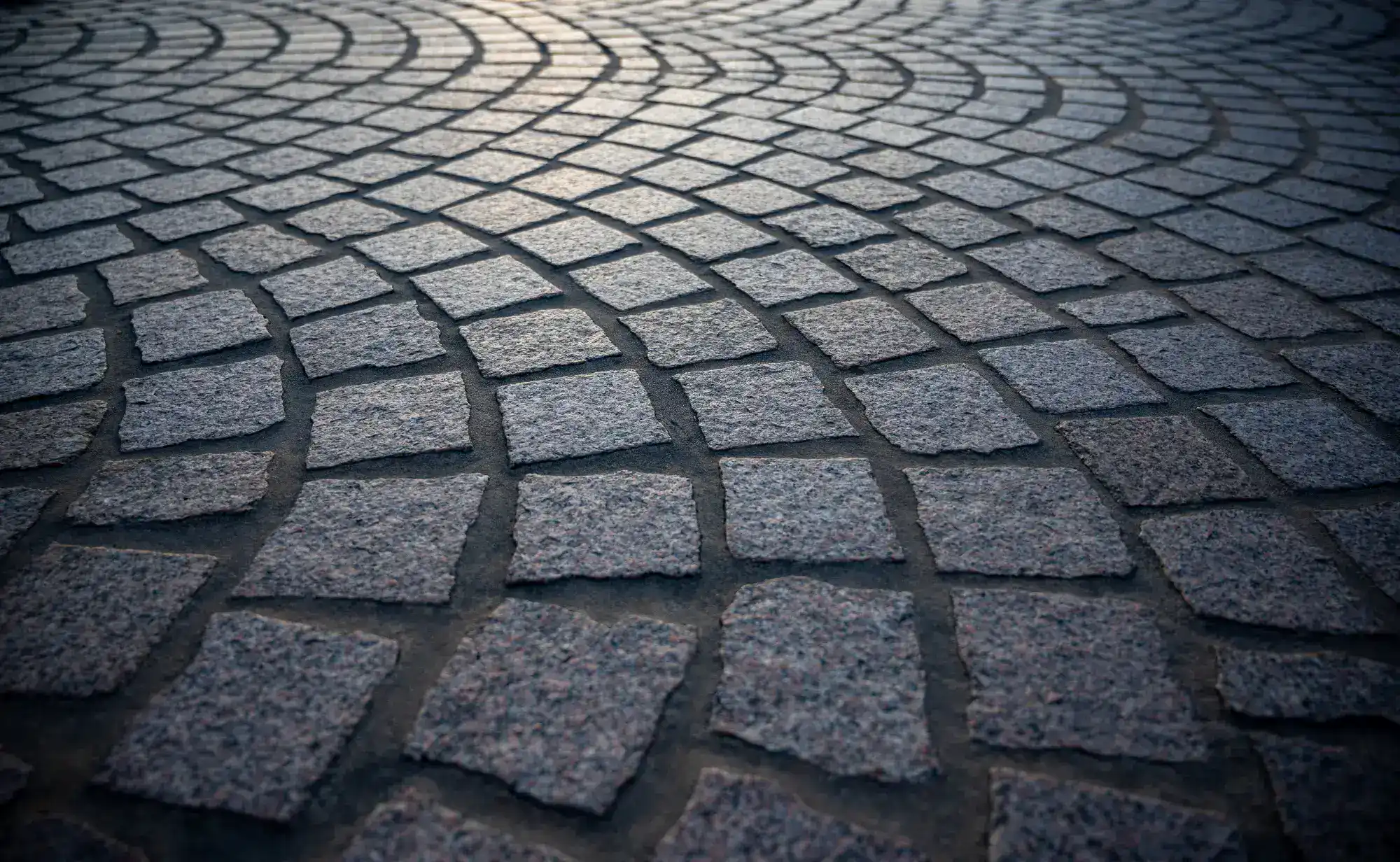
Properly installed paver walkways typically last 25-30 years with minimal maintenance in Long Island’s climate. The key is correct base preparation and using pavers rated for freeze-thaw conditions.
Unlike concrete that cracks from ground movement and temperature changes, pavers flex with Long Island’s clay soil and maintain their integrity. Individual pavers can be replaced if damaged, but most installations require minimal maintenance beyond occasional joint sand replenishment every 3-5 years.
The longevity comes from how pavers handle our challenging conditions – they adjust to soil movement instead of fighting it like concrete does.
Long Island’s clay-heavy soil expands when wet and contracts when dry, creating constant movement that destroys poorly installed walkways. The freeze-thaw cycles make this worse by creating additional expansion and contraction.
Proper base preparation is critical for handling these conditions. This means excavating to the right depth, using appropriate base materials, and ensuring proper compaction with professional equipment. We use 4-6 inches of crushed concrete base installed in lifts and compacted at each stage.
Many walkway failures happen because contractors skip these steps or don’t understand local soil conditions. The base preparation is actually more important than the pavers themselves when dealing with Suffolk County’s challenging ground conditions.
Most walkway paver installations don’t require permits in Farmingville, but there are exceptions you need to know about. Projects that affect drainage, involve significant excavation, or connect to public sidewalks may need permits.
If your property has easements or is in a historic district, additional approvals might be required. Homeowner association rules can also apply depending on your neighborhood’s covenants.
We know local requirements and handle permit applications when needed. It’s always better to check beforehand rather than deal with compliance issues later. The town building department can clarify requirements for your specific project.
The base preparation makes all the difference between a walkway that lasts decades and one that fails within a few years. DIY installations often fail because homeowners don’t excavate deep enough or properly compact the gravel base.
Professional installation requires specific equipment for excavation, compaction, and precise grading for drainage. We understand Suffolk County soil conditions and how to prepare foundations that won’t shift or settle over time.
DIY means digging out the site, laying gravel base, compacting it, adding sand layer, placing pavers, and applying polymeric sand – it’s a multi-day job requiring careful leveling. Professional installers have the equipment and crew to get it done faster with guaranteed results.
Most paver walkway projects in Farmingville fall between $3,000 and $4,500, depending on size, materials, and site conditions. The average cost runs $30 to $45 per square foot for professional installation including materials and labor.
Factors affecting price include layout complexity, material selection, site access, and any drainage work needed. Curved layouts and special designs like herringbone patterns increase labor time and costs.
Base preparation typically costs $8 to $12 per square foot and involves excavating the walkway path, grading soil, and installing compacted gravel followed by sand leveling. This foundation work determines how long your walkway lasts, so it’s worth doing right the first time.
Paver walkways require minimal maintenance compared to concrete surfaces. Simple occasional cleaning and joint sand replacement every few years keeps everything looking and performing like new.
The polymeric sand we use hardens when activated with water, creating stable joints that resist washout and weed growth. Over time, some sand may need replenishment, but this is straightforward maintenance that doesn’t require professional help.
If individual pavers ever get damaged from heavy impacts or settling, you can replace single pieces without disturbing the rest of the walkway. This flexibility is a major advantage over concrete that requires full section replacement when problems develop.