Hear from Our Customers
Your new driveway isn’t just a surface—it’s an investment that actually works. You get smooth access that handles daily traffic without cracking, settling, or turning into a pothole minefield after the first hard winter.
Water flows away from your foundation instead of pooling against your house and causing basement problems. That’s because proper grading and drainage work happens before any paving installation begins.
The finished surface looks clean and professional, immediately boosting your home’s curb appeal. More importantly, it’s built on a foundation that lasts. You’re not dealing with crack repairs every spring or worrying about whether your driveway will survive another Long Island winter. You can park with confidence knowing the base was installed correctly and the materials were chosen specifically for our climate challenges.
Corsino Construction has been serving Farmingville and Suffolk County since 2000. We understand the soil conditions here, the drainage challenges that come with Long Island’s geography, and what materials hold up best against our weather extremes.
As licensed and insured paving contractors who work in this community, we’ve handled driveway projects on streets just like yours. We know the difference between cutting corners and doing work that stands up to freeze-thaw cycles, heavy snow loads, and summer heat.
When you work with us, you’re getting contractors who live here and stand behind our work long-term. We’re not disappearing after the job is done—we’re your neighbors.
First, we assess your current driveway and property drainage to understand what foundation work is needed and recommend the right materials for your situation and budget. This isn’t a quick walk-around—we’re looking at soil conditions, water flow patterns, and how your property connects to the street.
Next comes the preparation work that most homeowners never see but determines everything. We excavate to the proper depth, grade for drainage, and install the base material. This foundation work determines how long your driveway lasts, so we don’t cut corners here. Poor base preparation is why you see driveways failing after just a few years.
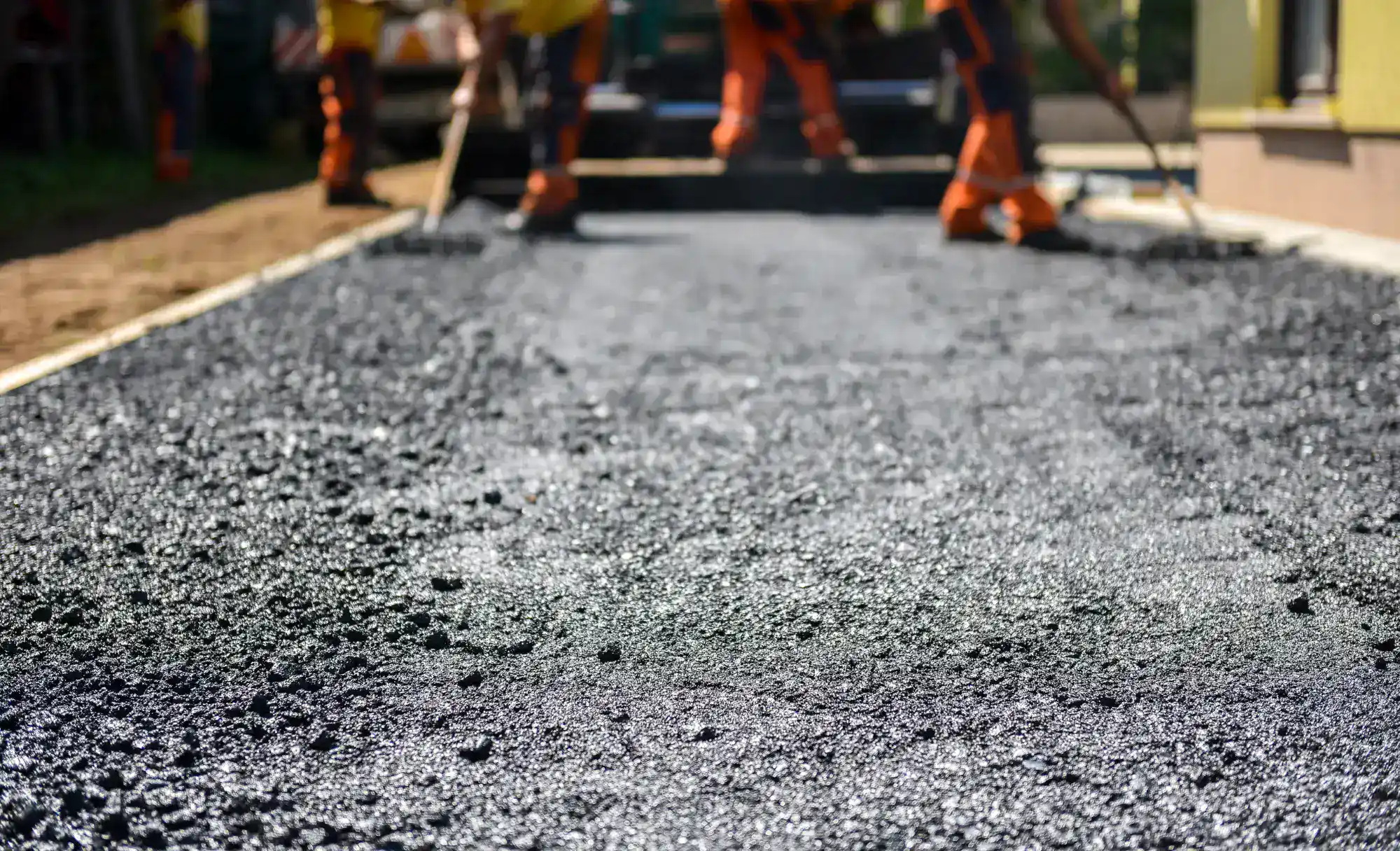
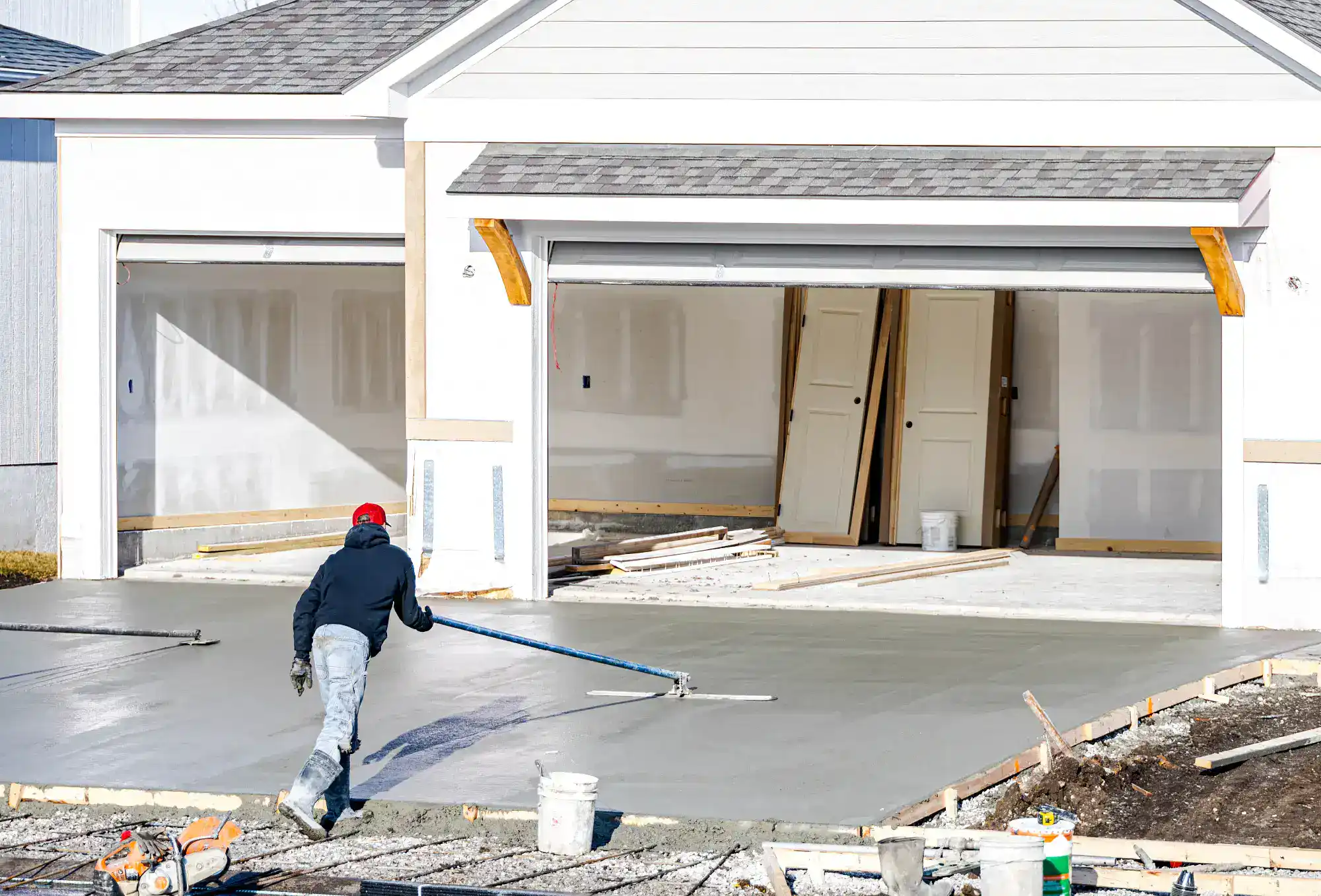
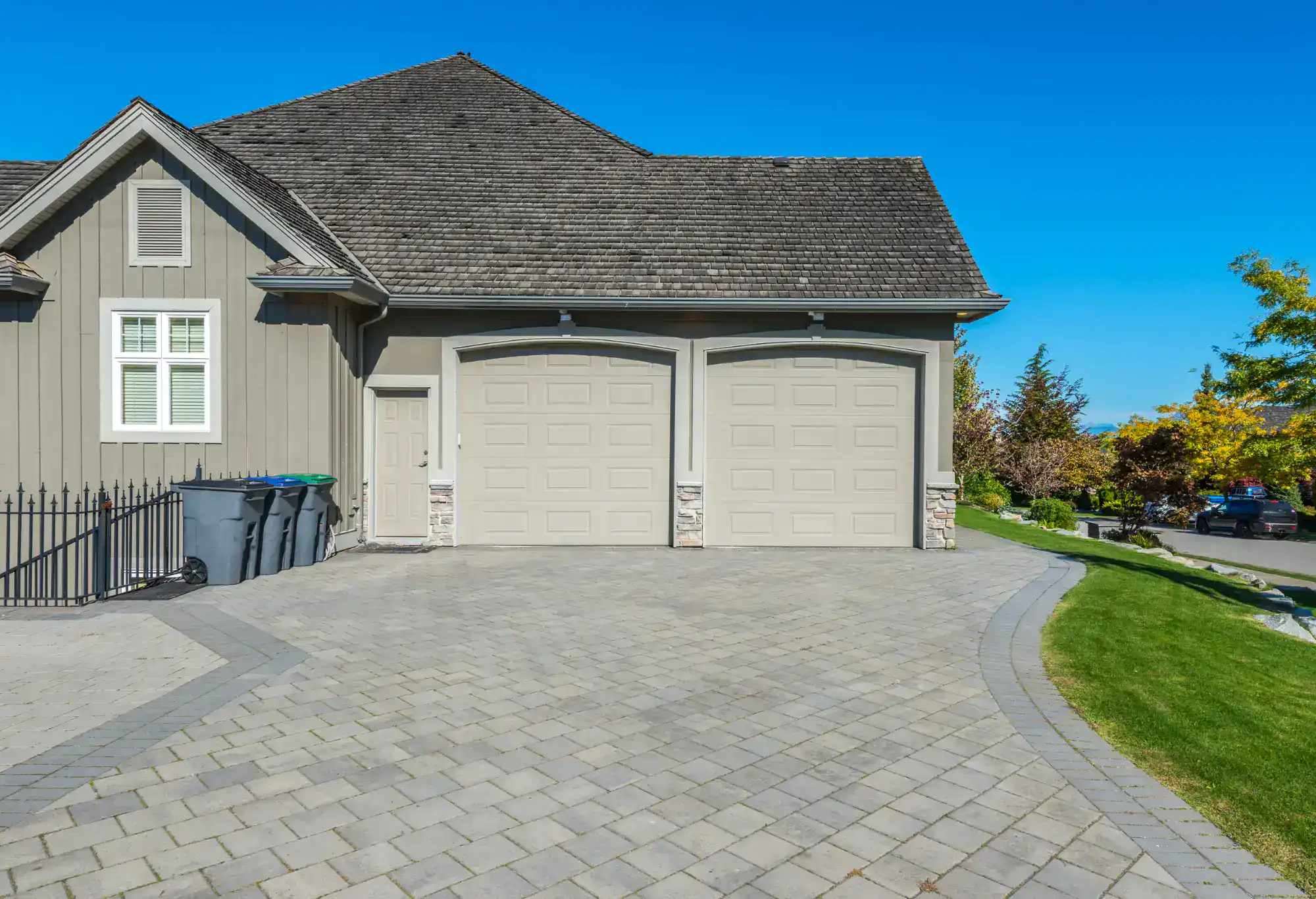
Finally, we install your chosen surface material—whether that’s asphalt, concrete, or pavers. Each material has specific installation requirements that we follow precisely. The result is a finished driveway that’s ready for immediate use and built to handle years of service without the problems you see in rushed jobs.
Ready to get started?
Asphalt driveways offer the most cost-effective solution for most Farmingville homes. They handle our freeze-thaw cycles well and can be installed quickly with minimal disruption to your routine. The material flexes with temperature changes instead of cracking like rigid surfaces do.
Concrete driveways provide maximum durability and can be finished in various textures and colors. They’re ideal if you want a surface that requires minimal maintenance over decades of use. Properly installed concrete with control joints and regular sealing can last 30 years or more.
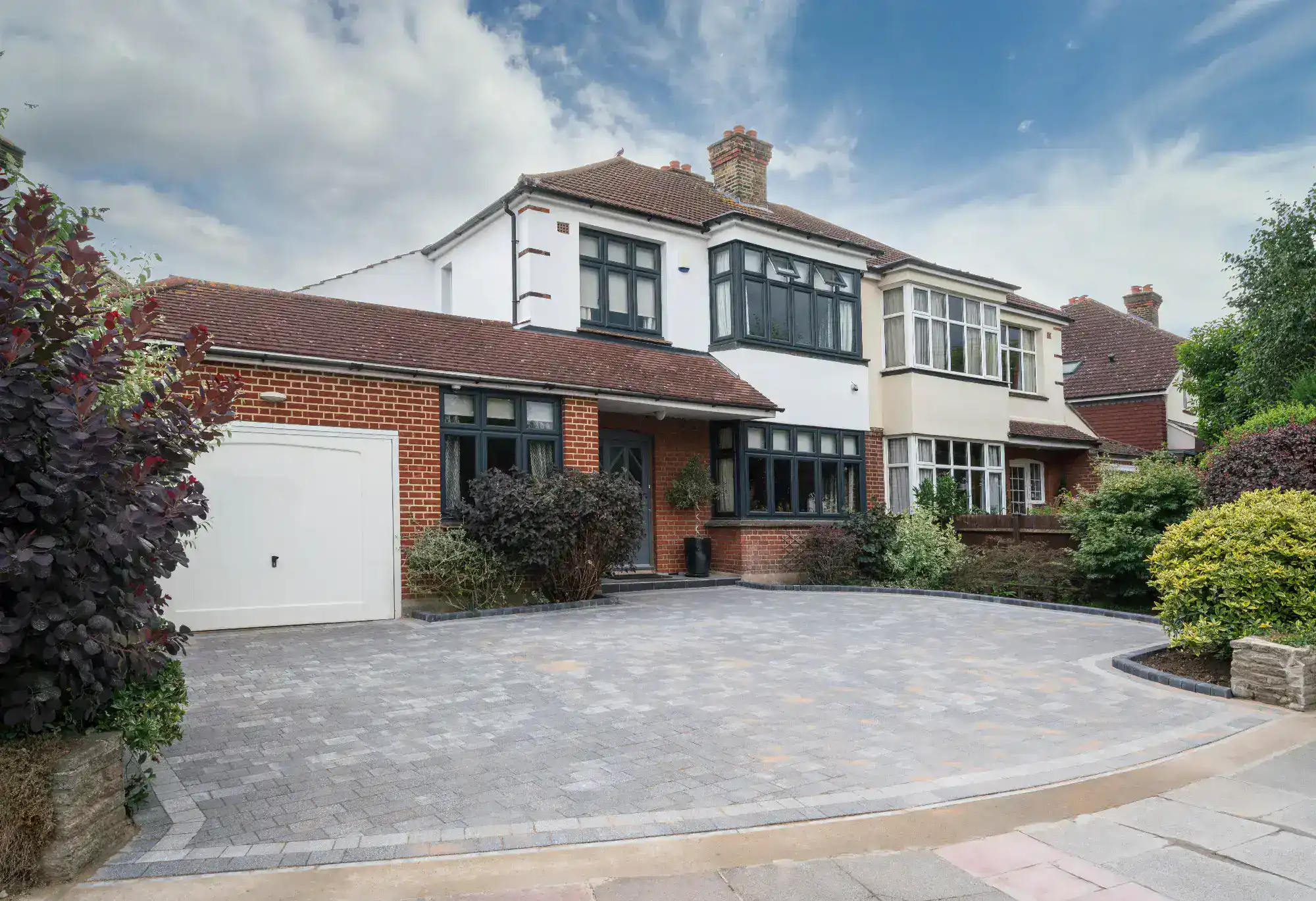
Paver driveways give you the most design flexibility and can be repaired easily if individual sections are damaged. Brick paving and patio pavers create distinctive looks that add significant curb appeal to your property. In Suffolk County’s variable weather, proper base preparation is crucial regardless of material choice. That’s where our experience with local soil conditions and drainage requirements makes the difference between a driveway that lasts and one that becomes a problem.
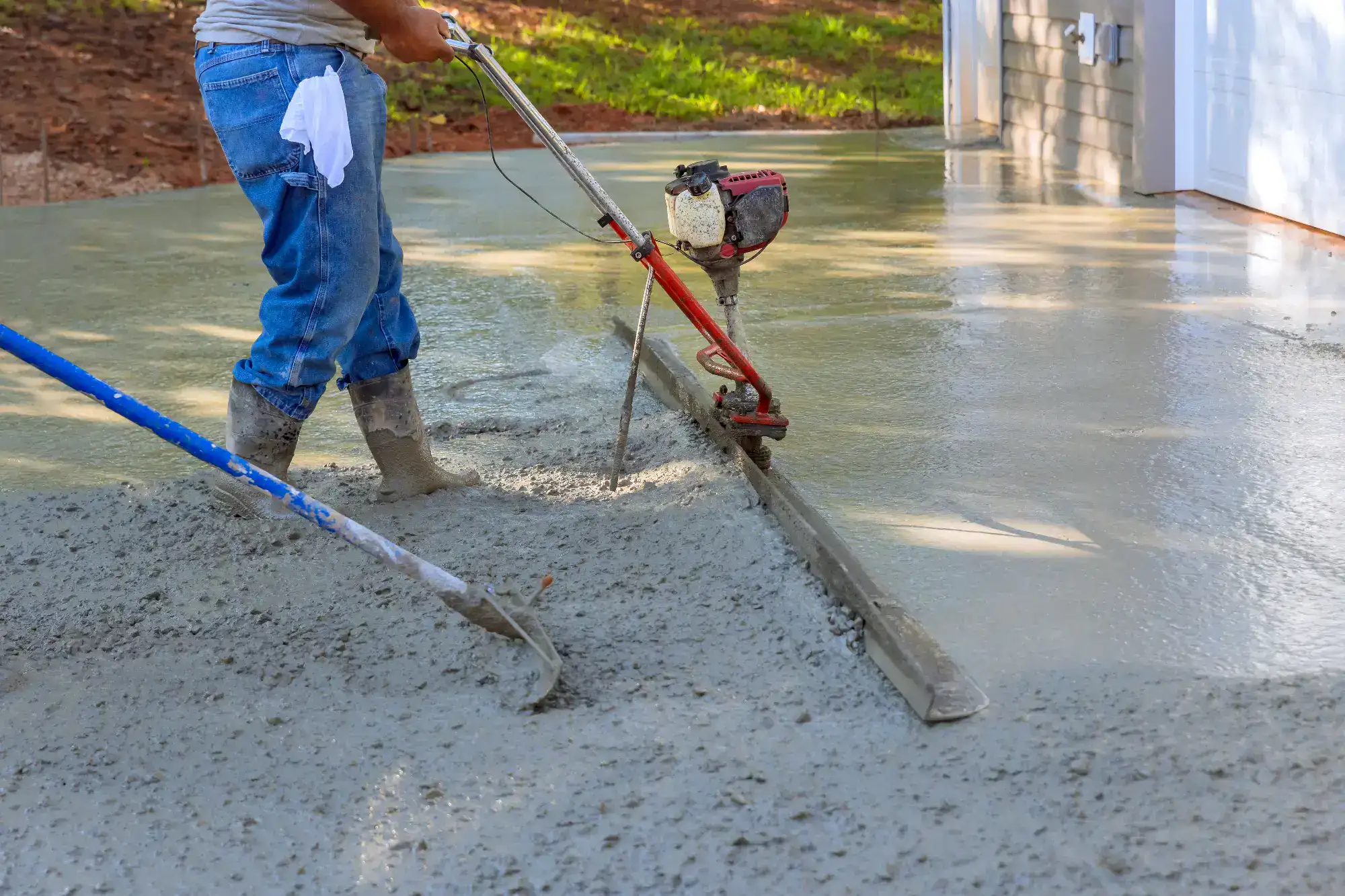
Most residential driveway paving projects in Farmingville take 2-4 days to complete, depending on size and material choice. Asphalt driveways are typically the fastest, often finished in 1-2 days for standard residential sizes once the base preparation is complete.
Concrete and paver installations take longer due to curing time and more detailed installation requirements. Paving installation with pavers requires precise leveling and edge work that can’t be rushed. Weather conditions can affect timing, especially during Long Island’s winter months when temperature swings make quality installation difficult.
The timeline includes excavation, base preparation, material installation, and final cleanup. We’ll give you a realistic schedule during your estimate and keep you updated if conditions require any adjustments. Most homeowners are surprised how quickly the actual paving installation goes once the foundation work is properly completed.
Asphalt performs exceptionally well in Long Island’s climate because it flexes with freeze-thaw cycles rather than cracking like rigid materials might. It handles snow removal equipment well and provides good traction in winter conditions. The key is proper installation with adequate base preparation.
Concrete is also excellent if properly installed with control joints and sealed regularly. It offers longer lifespan but requires more upfront investment and careful attention to expansion joints. Concrete that’s installed without proper preparation for our climate will crack within a few years.
Pavers offer the advantage of individual replacement if damaged, though they require more maintenance to prevent weed growth between joints. Brick paving holds up well to our weather extremes and gives you design options you can’t get with other materials. The best choice depends on your budget, maintenance preferences, and aesthetic goals for your property. What matters most is proper base preparation regardless of surface material.
Driveway paving costs in Farmingville vary based on size, material choice, and site conditions. Asphalt typically ranges from $3-7 per square foot installed, while concrete runs $4-8 per square foot. These prices include proper base preparation, which is essential for longevity.
Paver installations start around $8-15 per square foot depending on the stone type and pattern complexity. Brick paving and decorative patio pavers cost more but offer unique design possibilities that increase property value. Additional costs may include excavation if your current base is inadequate, drainage improvements, or permit fees.
We provide detailed written estimates that break down all costs so you know exactly what you’re paying for before work begins. No hidden fees or surprise charges. The estimate includes base preparation, materials, installation, and cleanup. Remember that the cheapest bid often means corners are being cut on base preparation, which leads to expensive problems later.
Permit requirements for driveway paving in Farmingville depend on the scope of work and whether you’re changing the driveway’s footprint or drainage patterns. Most standard replacements within existing boundaries don’t require permits from Brookhaven Town.
However, if you’re expanding the driveway size, changing drainage flow, or connecting to municipal systems, permits may be required. New paving installation that increases impervious surface area might trigger stormwater management requirements. The paving contractor should verify requirements based on your specific project.
We handle permit research and applications when needed as part of our service. We understand local requirements and ensure all work meets Brookhaven Town codes and standards. It’s better to check upfront than deal with violations later. Most homeowners don’t realize that even driveway work can have permit requirements depending on the scope.
The optimal time for driveway paving in Long Island is between May and September when temperatures are consistently warm and dry. Cold weather makes it difficult for asphalt to bind properly, while excessive heat can damage the material during compaction.
Spring and early fall are ideal because temperatures are moderate and there’s less chance of rain disrupting the paving installation process. Summer works well too, though we typically start early in the morning to avoid peak heat that can make asphalt too soft to work with properly.
Winter paving is possible but not recommended due to frost heaving, frozen ground, and temperature challenges that can compromise the installation quality and longevity. We’ve seen too many homeowners lured by “winter discounts” from less experienced contractors, only to need costly repairs by spring. The smarter choice is to wait for consistent warmth and schedule your project during optimal conditions.
Regular maintenance starts with keeping the surface clean and addressing small cracks before they become big problems. For asphalt driveways, sealcoating every 2-3 years helps protect against water penetration and extends lifespan significantly in our climate.
Remove snow promptly but avoid excessive use of de-icing chemicals, which can penetrate and damage the surface. Rock salt is particularly harsh on paving installation and can accelerate crack formation. Clean oil spills immediately to prevent staining and material breakdown.
For all driveway types, ensure proper drainage by keeping nearby gutters and drains clear. Address any settling or drainage issues quickly to prevent water from undermining the base and causing more expensive repairs. The foundation work we do during installation is designed to last, but proper maintenance keeps everything working as intended. Small problems are easy and cheap to fix—big problems require major repairs.