Hear from Our Customers
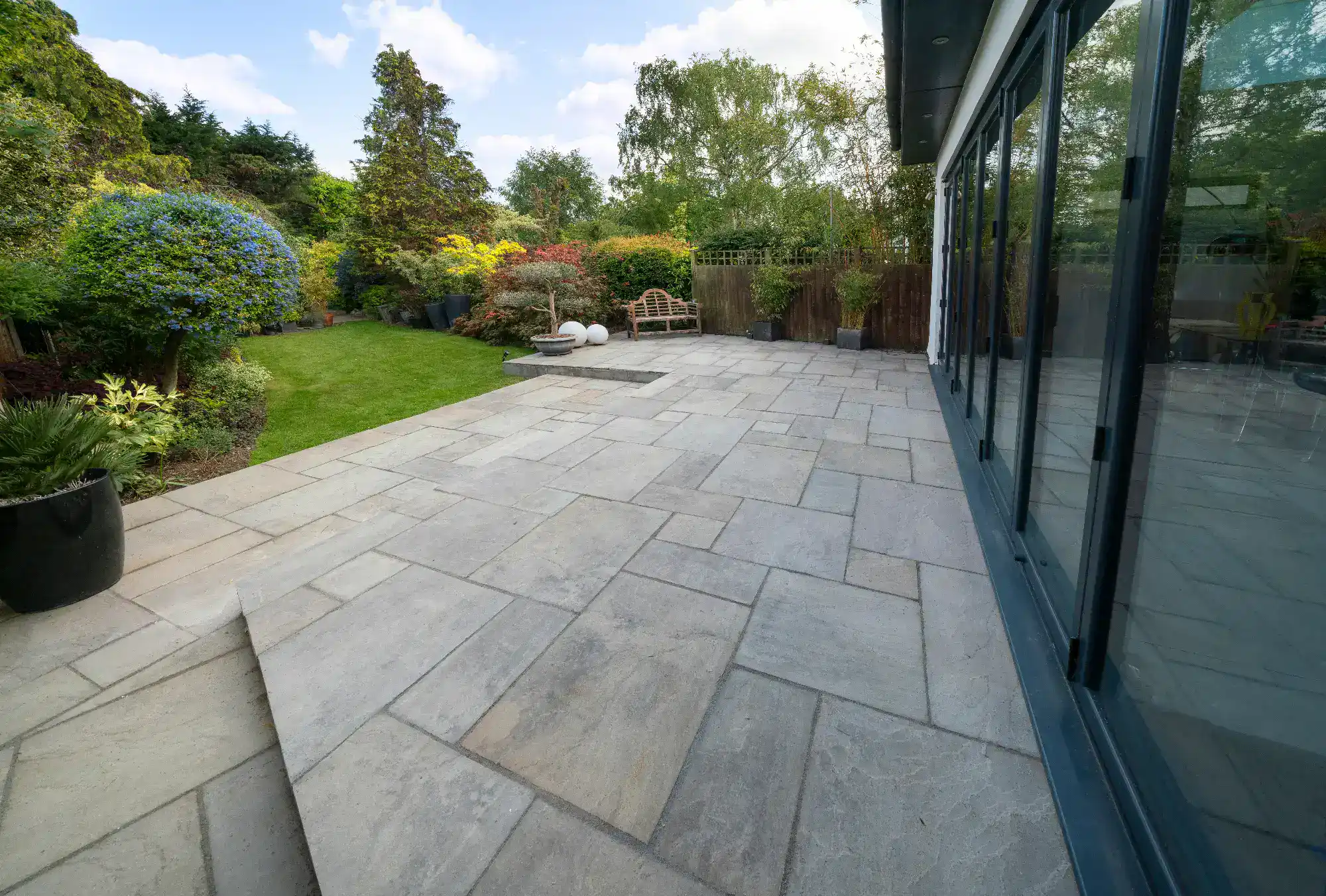
You’ll finally have that outdoor space where weekend mornings feel different. Where hosting friends doesn’t mean cramming everyone inside. Where your property value gets the boost you’ve been planning for.
The right patio changes how you use your home. It’s not just about the concrete or stone—it’s about creating space that works with Long Island weather, handles our soil conditions, and gives you years of use without constant repairs.
When the foundation is right and the drainage works properly, you stop worrying about cracks, settling, or water pooling after storms. You get to focus on what matters: using the space you invested in.
We’ve been building outdoor living spaces for Long Island homeowners since 2000. We understand Suffolk County’s building requirements, soil conditions, and weather challenges that affect every patio project.
You’re not getting a contractor who learned about your area from Google. We’ve handled the permit process, worked with local inspectors, and know which materials hold up best in our climate.
Our approach is straightforward: proper foundation work, correct drainage, quality materials, and clear communication throughout the project. No surprises, no shortcuts, no coming back to fix problems that shouldn’t exist.
We start with a site visit to assess your space, discuss your vision, and identify any drainage or grading issues that need attention. You’ll get a detailed estimate that covers materials, labor, permits, and timeline.
Once you approve the project, we handle the permit applications and schedule inspections. Most patio projects in Farmingville require permits, especially if the patio is attached to your house or exceeds certain size limits.
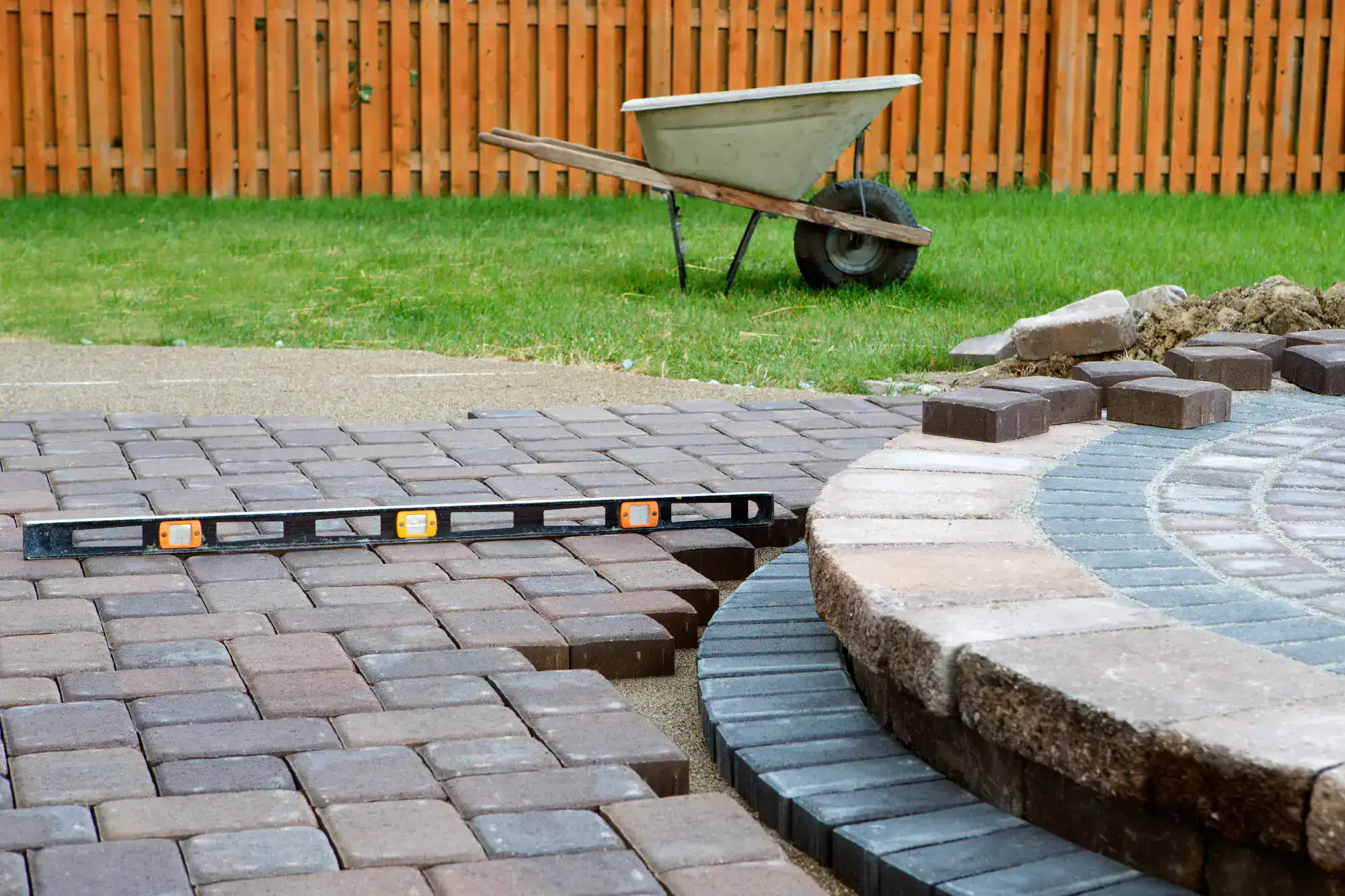
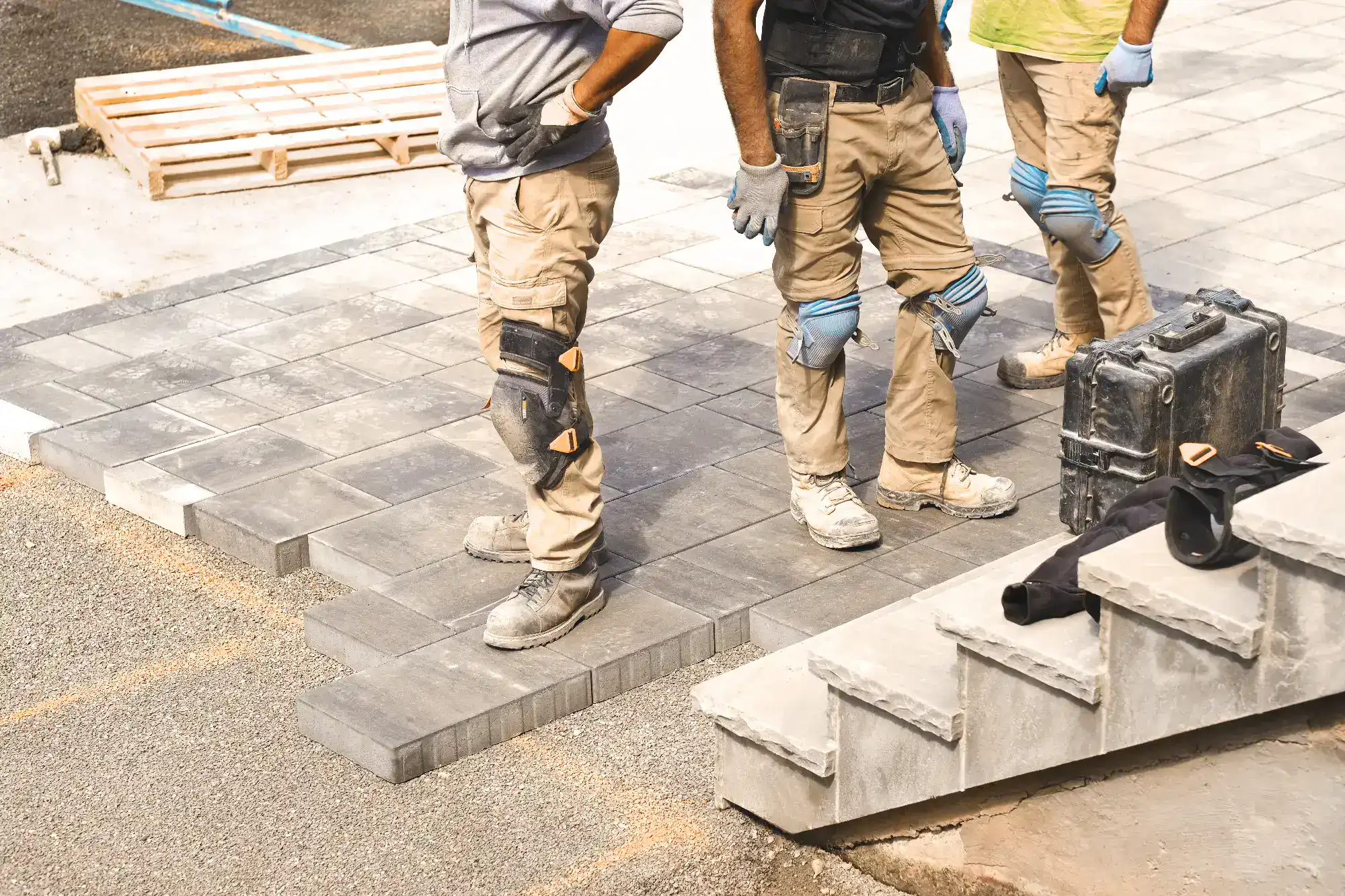
Every patio project includes site preparation, proper excavation, base installation, and professional finishing. We handle concrete patios, natural stone installation, and paver systems depending on your preferences and budget. Drainage planning is included in every project because Long Island’s soil and weather conditions require proper water management.
Ready to get started?
Concrete, natural stone, and quality pavers all work well here if installed properly. The key isn’t just the surface material—it’s the foundation and drainage system underneath.
Long Island’s freeze-thaw cycles and occasional heavy rains require proper base preparation and grading. Concrete offers durability and lower maintenance, while natural stone provides classic appearance and longevity. Pavers give you flexibility since individual pieces can be replaced if damaged.
For Suffolk County’s climate, we typically recommend concrete pavers, natural stone, or stamped concrete with proper sealing. These materials handle freeze-thaw cycles better than basic concrete and offer better slip resistance when wet. We avoid materials like regular brick or smooth concrete that become slippery when wet.
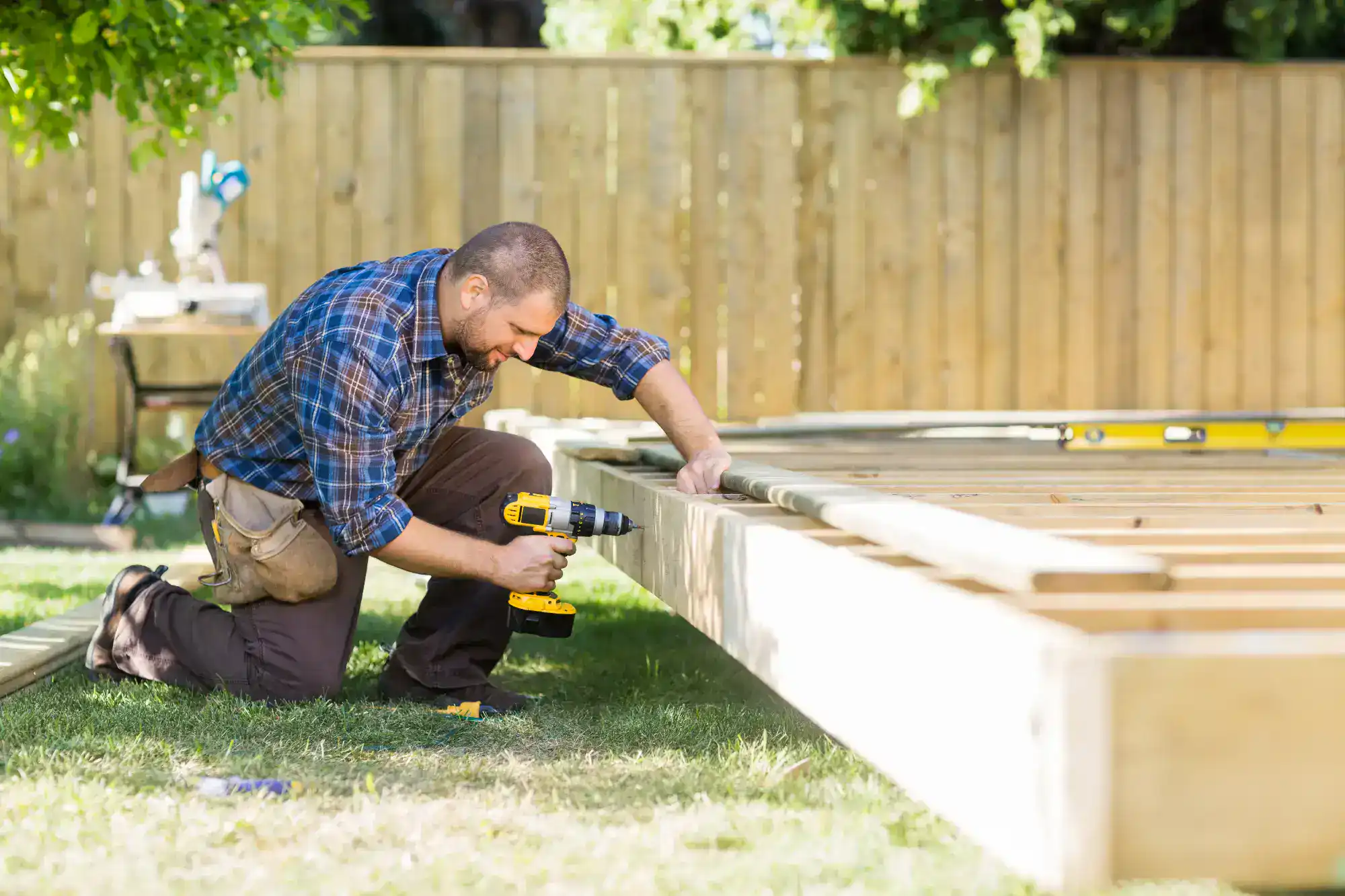
Most patio projects take 3-7 days depending on size, complexity, and weather conditions. Simple concrete patios on level ground move faster, while natural stone installations or projects requiring significant grading take longer.
Simple rectangular patios might be done in 2-3 days, while custom designs with curves, multiple levels, or extensive drainage work can take up to two weeks. We’ll give you a realistic timeline during your estimate based on your specific project requirements.
Weather delays can extend the timeline, especially during Long Island’s wet seasons. We don’t rush work to meet arbitrary deadlines—proper curing time and weather conditions are essential for long-term durability.
Most patio projects in Farmingville require permits, especially if the patio is attached to your house or exceeds certain size limits. Suffolk County has specific requirements for outdoor construction, including setback distances and drainage considerations.
We handle the entire permit process, including applications, plan submissions, and inspection scheduling. This ensures your project meets all local building codes and doesn’t create issues when you sell your home.
Trying to skip permits might save money upfront but creates bigger problems later. Building inspectors can require removal of unpermitted work, and it becomes a liability during home sales. We include permit costs in our estimates when applicable.
For Long Island’s climate, concrete pavers, natural stone like bluestone, and properly sealed stamped concrete work best. These materials handle our freeze-thaw cycles and resist cracking better than basic concrete.
Concrete pavers are popular because they’re durable, come in many styles, and individual pavers can be replaced if damaged. Natural stone offers premium appearance and excellent durability but costs more upfront.
The foundation and drainage system matter more than the surface material. Poor base preparation causes problems regardless of what you put on top. We focus on proper excavation, base compaction, and drainage design to ensure your patio lasts decades.
Patio costs vary based on size, materials, and site conditions. A basic concrete patio might start around $8-12 per square foot, while natural stone or complex paver designs can run $15-25 per square foot.
Site preparation affects costs significantly. Level ground with good drainage is straightforward, but slopes, poor soil, or drainage issues require additional work. We include these factors in our detailed estimates.
Remember that permits, excavation, base materials, and proper drainage are part of the total cost. Contractors who give unusually low estimates often skip essential steps or add surprise charges later. We provide comprehensive estimates that cover everything needed for a proper installation.
Yes, well-built patios typically provide strong return on investment. Paver patios often return around 80% of their cost, while concrete patios return 60-70%. The exact value depends on the quality of installation and how well it integrates with your property.
In Suffolk County’s competitive real estate market, outdoor living spaces are highly desirable. Buyers appreciate move-in ready properties with professional landscaping and functional outdoor areas.
The key is professional installation that looks intentional and matches your home’s style. DIY or poorly installed patios can actually hurt property value if they look unprofessional or have drainage problems.
Proper drainage is critical for Long Island patios due to our soil conditions and weather patterns. We grade the patio surface to direct water away from your house foundation and prevent pooling.
Every project includes drainage planning as part of the base design. This might involve installing French drains, adjusting slopes, or adding drainage channels depending on your property’s conditions.
Poor drainage is the biggest cause of patio problems—cracking, settling, and water damage all stem from water management issues. We pay close attention to water flow patterns and design drainage systems that work with your existing landscape and local soil conditions.