Walkway Paving in Southold, NY

Walkways Built to Last Decades

Professional paver installation that handles Southold’s coastal weather while boosting your property value.
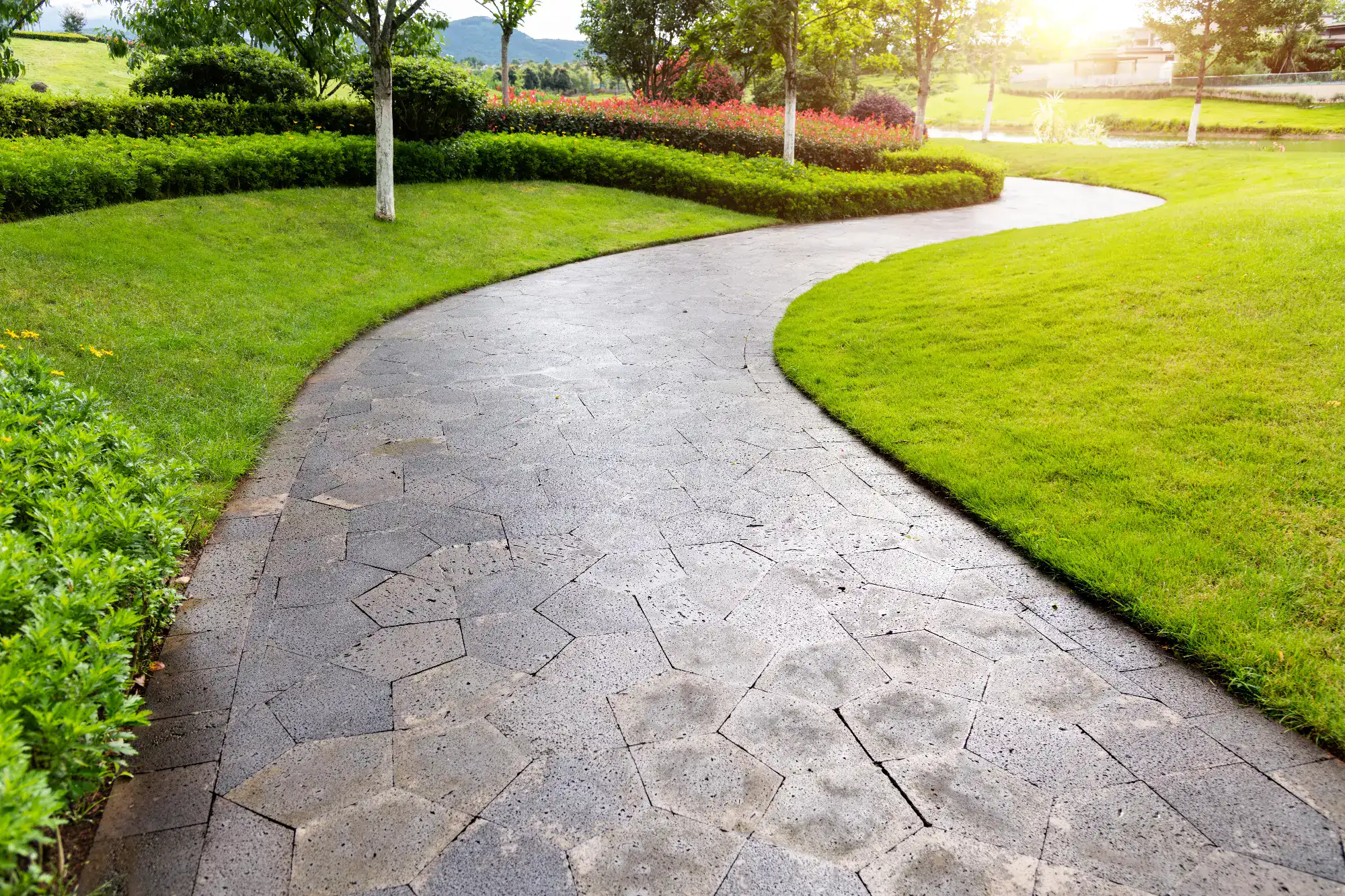
A winding stone path curves through a well-maintained, green park with trees and bushes lining the walkway under a bright, sunny sky—a tranquil scene inspiring any home remodeler Suffolk County, NY to bring outdoor beauty to their next project.

Hear from Our Customers

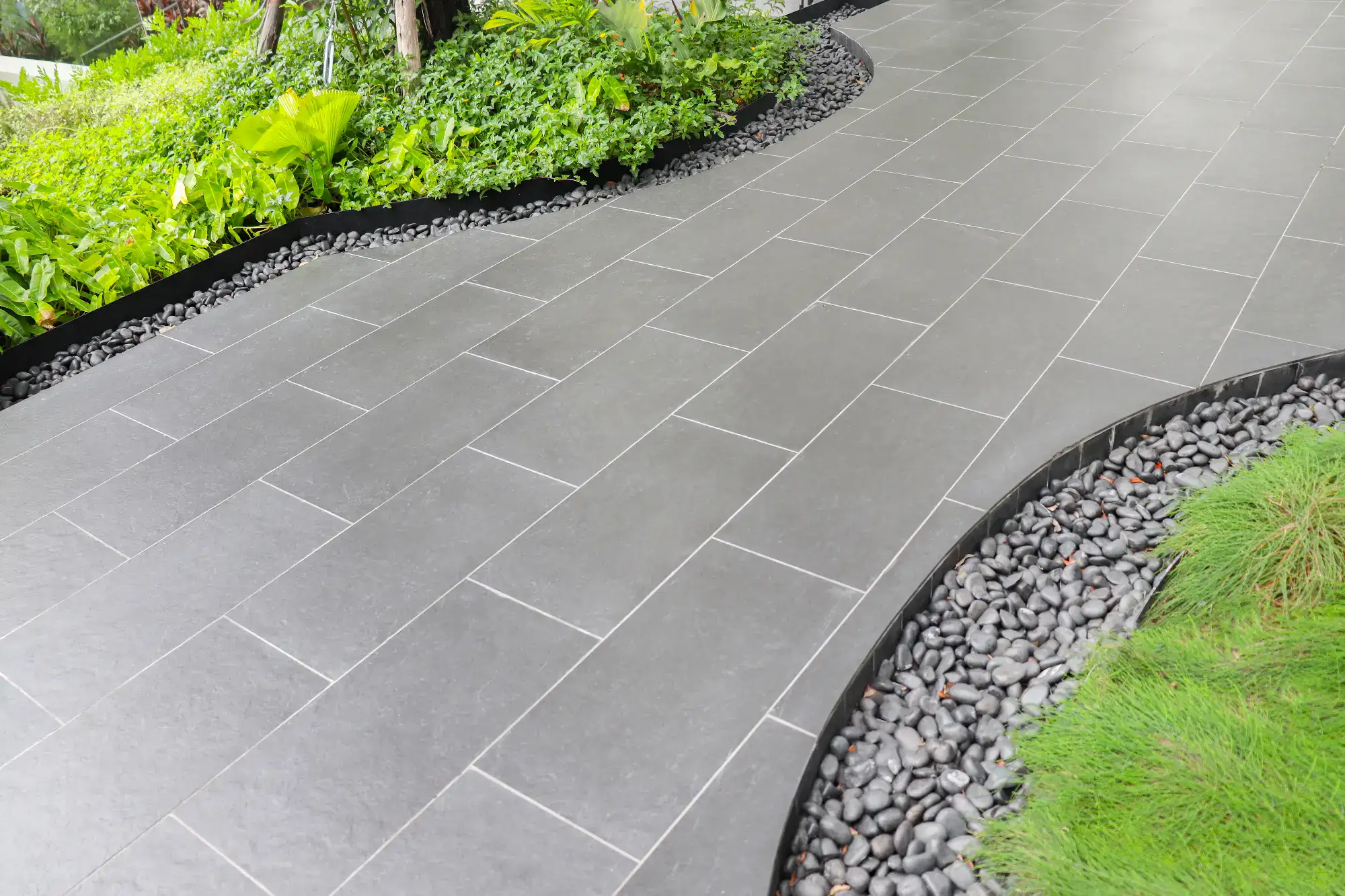
A modern garden pathway designed by a top home remodeler Suffolk County, featuring large, rectangular gray tiles bordered by smooth black pebbles and lush green plants on both sides—an elegant addition to any NY home.

Professional Paver Walkway Installation

What You Get With Quality Installation

Your new walkway becomes the kind of feature that makes neighbors stop and take notice. Not because it’s flashy, but because it looks right—like it belongs there and always has.

You get a surface that handles whatever Long Island weather throws at it. Rain, snow, freeze-thaw cycles, summer heat. The pavers stay level, the joints stay tight, and you’re not dealing with cracks or shifting sections two years down the road.

Safety matters when you’re walking to your front door in the dark or when it’s wet. Proper paver walkway installation gives you slip-resistant surfaces and eliminates those uneven spots that catch your toe. Your family and guests can walk confidently, and you stop worrying about liability issues.

Southold Walkway Paving Contractors

We Know Southold's Ground Conditions

Corsino Construction Corp has been handling paving projects across Southold for years. We understand how coastal conditions affect foundation work and what it takes to build walkways that stay put.

Every project starts with proper site evaluation. Our crew knows which areas need extra drainage attention and how to prep the base so your pavers don’t shift when the ground moves through seasonal changes.

You’re working with contractors who live and work in this area. We understand local building requirements, know which materials perform best here, and have relationships with suppliers who stock quality products.
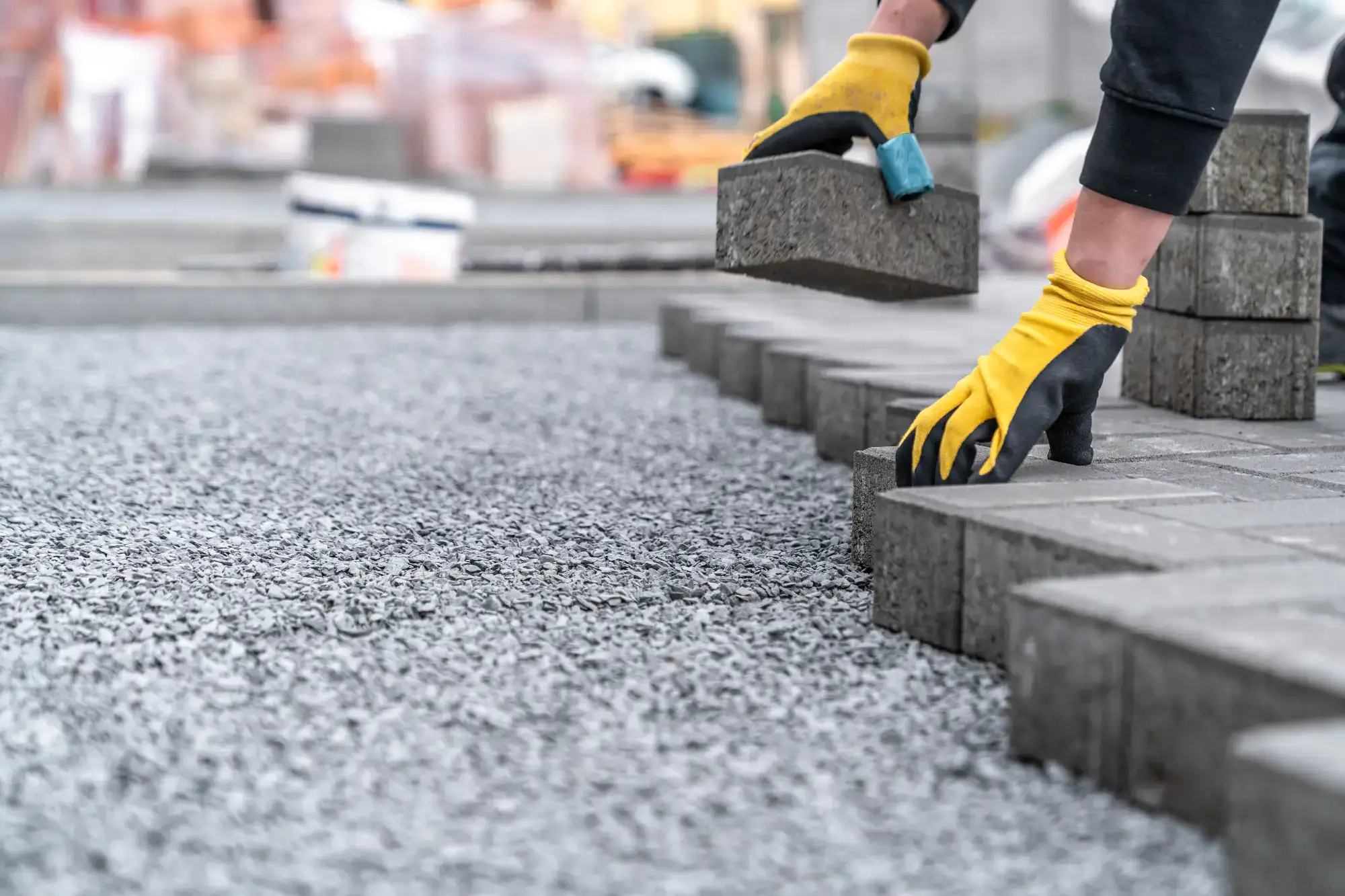
A home remodeler in Suffolk County, NY, wearing yellow gloves, is laying concrete paving stones on a gravel surface, carefully aligning them in rows to create a paved walkway. The background is blurred with construction materials.

Sidewalk Paver Installation Process

How Your Walkway Gets Built Right

The process starts with site evaluation and measuring. Our crew examines drainage patterns, checks for utility lines, and determines what kind of base preparation your specific location needs.

Excavation comes next. This means digging down to stable soil, not just scraping the surface. Proper depth varies based on your soil conditions and expected traffic, but corner-cutting here causes problems later. The base gets built in layers—gravel, sand, compaction—creating the foundation that keeps everything level.

Paver installation follows precise patterns and spacing. Each piece gets set properly with consistent joints and checked for level as the work progresses. Edge restraints go in to prevent spreading, and the final step involves joint sand and compaction to lock everything together.
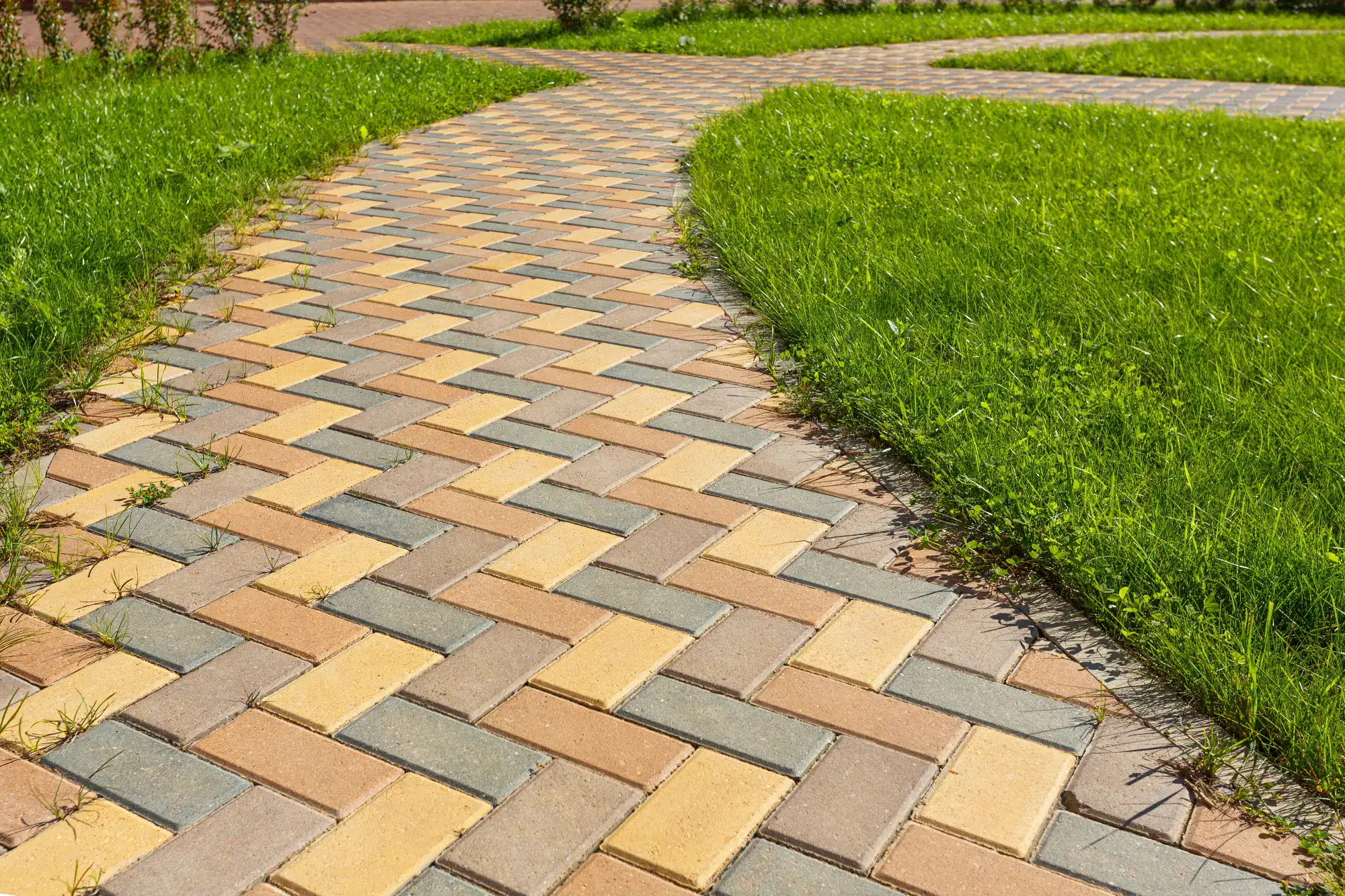
A winding walkway made of yellow, gray, and brown rectangular bricks is bordered by neatly trimmed green grass. Perfect for any NY home remodeler Suffolk County project, the path curves gently through a landscaped area.

Ready to get started?

Explore More Services

About Corsino Construction

Get a Free Consultation

Paving for Steps and Walkways

Complete Walkway and Step Solutions

Your project includes site preparation, proper excavation, base installation, and professional paver setting. We handle permits if needed and coordinate with utility marking services before any digging starts.

Material selection matters for Long Island conditions. We work with pavers designed to handle freeze-thaw cycles without cracking or shifting. Color and pattern options let you match your home’s style, but durability comes first in our material recommendations.

Drainage integration prevents water problems that damage walkways and create ice hazards. This might mean adjusting grades, installing drainage channels, or connecting to existing systems. Every Southold property has different drainage challenges, and addressing them during installation saves expensive repairs later.
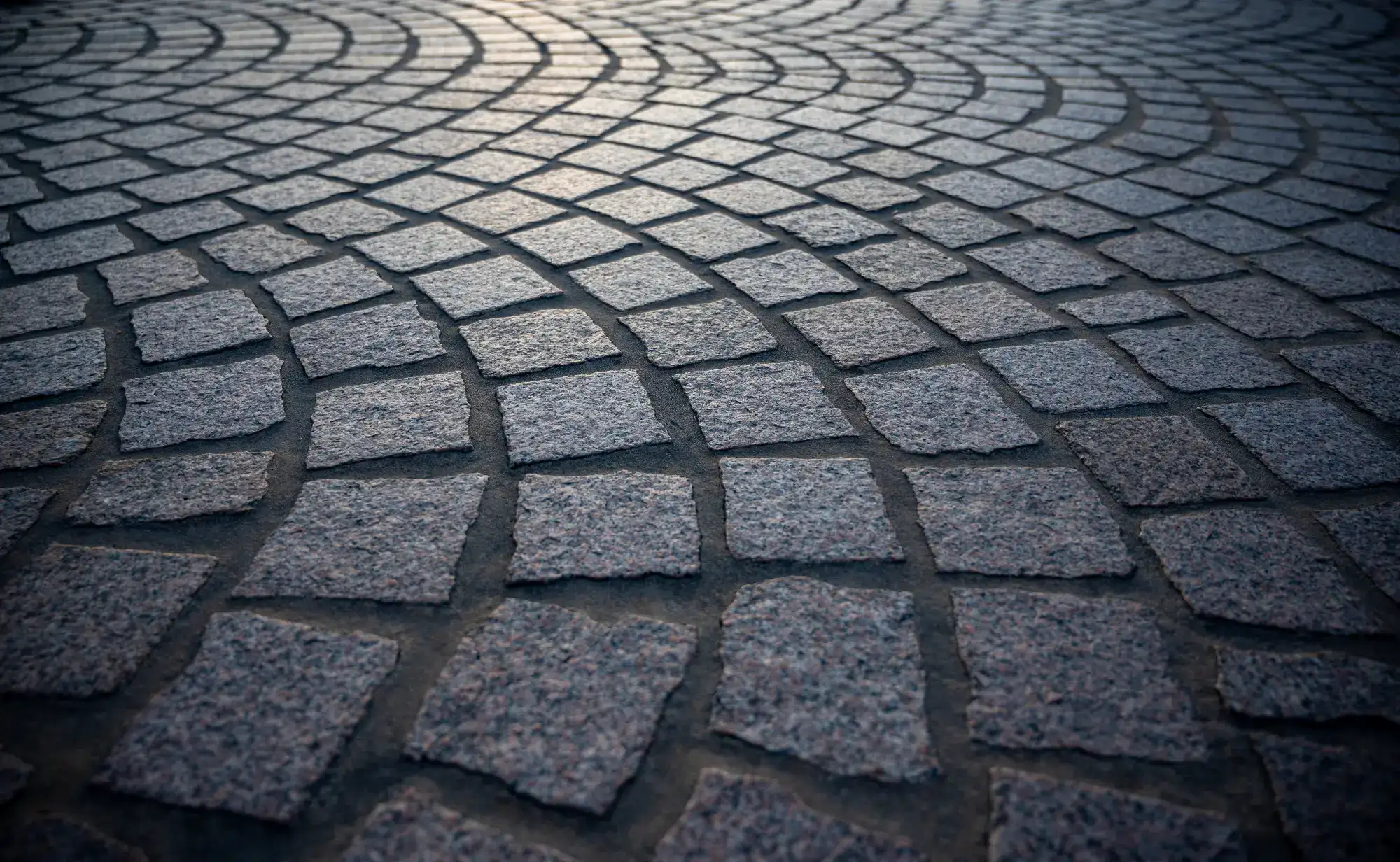
Close-up of a stone pavement with square cobblestones arranged in a curved, fan-like pattern—an inspiring design idea from a home remodeler Suffolk County, NY, where textured stones form a striking geometric surface.
Most residential walkway projects take 2-4 days depending on size and complexity. Day one typically involves excavation and base preparation. Day two focuses on setting pavers and initial compaction. Additional time might be needed for complex drainage work or if weather delays progress. We won’t rush the base preparation phase since that’s what determines how well your walkway performs long-term. You’ll get a realistic timeline during the initial consultation based on your specific project requirements.
Concrete walkways crack when the ground shifts, and repairs usually mean replacing entire sections. Paver walkways move slightly with ground movement without cracking, and individual pavers can be replaced if damaged. In Southold’s climate, freeze-thaw cycles cause concrete to crack within a few years. Pavers handle these temperature changes better because the joints allow for expansion and contraction. Maintenance is easier too—you can replace a damaged paver without affecting the surrounding area, while concrete repairs often look patched and uneven.
Drainage gets addressed during the design phase, not after problems develop. We evaluate how water currently flows across your property and where it needs to go. This might mean adjusting the walkway grade, installing drainage channels, or connecting to existing systems. Proper base preparation includes drainage considerations—the gravel base allows water to move through rather than pooling under the pavers. In areas with heavy water flow, additional drainage solutions like French drains or catch basins might be recommended to protect your investment.
Annual maintenance involves sweeping debris from joints and adding sand if needed. Every few years, you might need to pressure wash and reseal depending on the paver type and local conditions. Individual pavers can be reset if they settle slightly, which is much easier than repairing concrete. Weed growth in joints can be controlled with appropriate treatments or by maintaining proper joint sand levels. The key is addressing small issues before they become bigger problems. Most homeowners find paver maintenance much more manageable than dealing with concrete crack repairs.
Permit requirements depend on the project scope and location. Simple walkway replacements often don’t require permits, but new installations or changes affecting drainage might. Projects near property lines, wetlands, or involving significant excavation typically need approval. We handle permit applications and know current Southold requirements. It’s better to check upfront than deal with compliance issues later. During the consultation, we review your specific situation and advise whether permits are needed, then handle the application process if required.
Properly installed paver walkways handle freeze-thaw cycles better than concrete because individual pavers can move slightly without cracking. The joint sand allows for expansion and contraction that would crack solid concrete. Salt and ice melt products don’t damage quality pavers the way they can affect concrete surfaces. Snow removal is easier on textured paver surfaces, and the slight texture provides better traction than smooth concrete when wet or icy. The key is proper base preparation and using pavers rated for your climate zone, which we understand as experienced local contractors.