Hear from Our Customers
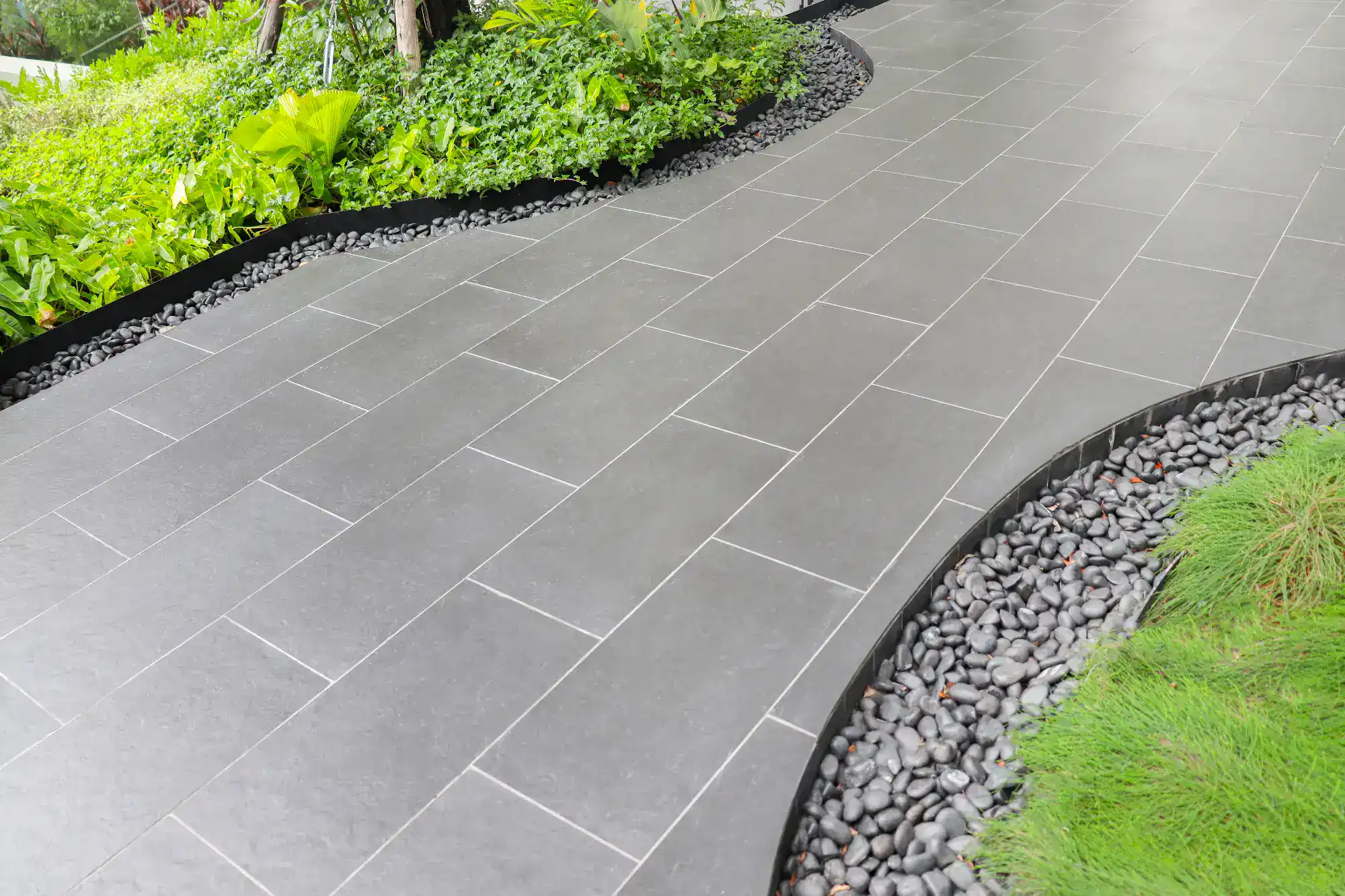
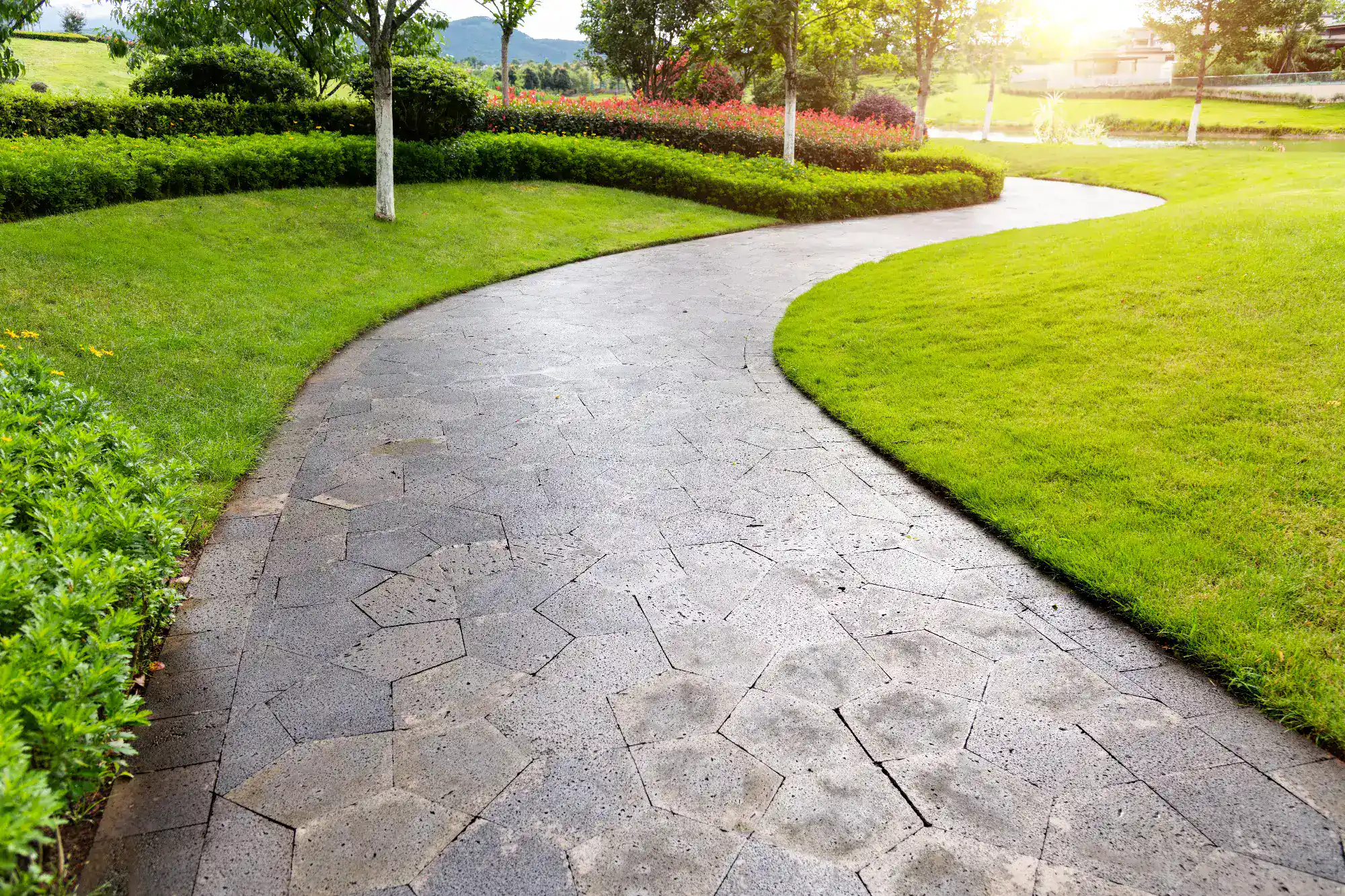
You’ll walk up to your front door with confidence instead of watching your step around cracks and uneven spots. Your guests won’t have to navigate tripping hazards, and you won’t cringe every time you see your neighbor’s pristine entrance.
Quality paver walkway installation means your property value goes up, not down. While concrete slabs crack and require complete replacement, individual pavers can be adjusted or replaced as needed. That’s real money saved over time.
The right walkway paving also handles water properly. No more puddles forming where the concrete has settled. No more ice patches that turn your front entrance into a liability every winter.
We’ve been handling paver walkway installation across Long Island for over 20 years. We understand how freeze-thaw cycles destroy concrete walkways here, and we know which materials and installation methods actually hold up.
You’re not getting a crew that learned paving in Florida or Texas. We’ve dealt with the clay soil, the winter conditions, and the drainage challenges that are specific to Huntington. That experience shows in how long our walkways last.
We’re licensed, insured, and we do the job right the first time. No shortcuts, no corner-cutting on base preparation, and no surprises in your final bill. When we take on your walkway project, you’re working with contractors who live and work in this community.
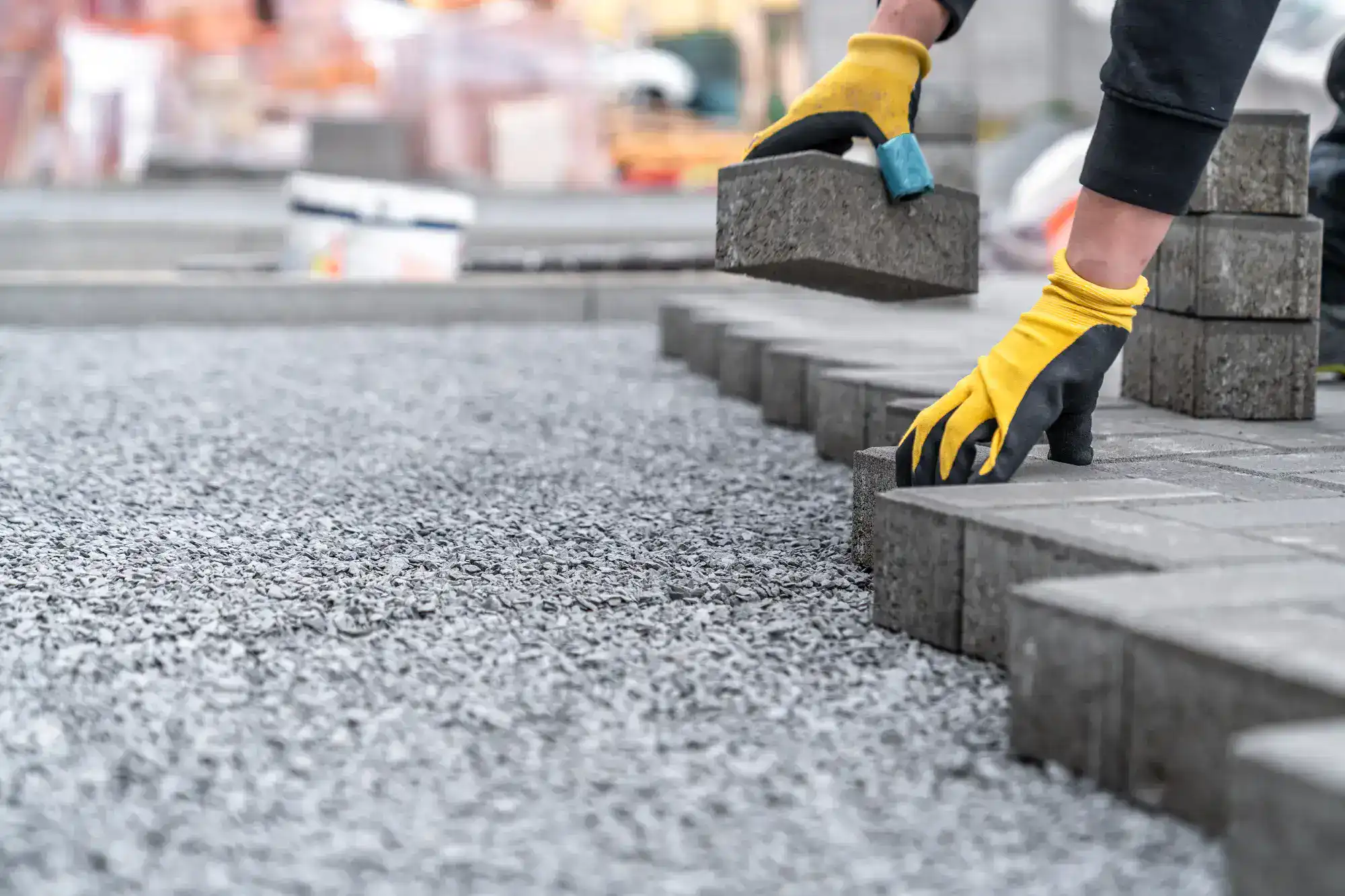
First, we remove your existing concrete or damaged walkway completely. Half-measures don’t work—if the base isn’t right, nothing above it will last. We excavate to the proper depth and grade everything for drainage.
Next comes base preparation. We install and compact crushed stone in lifts, not all at once like some contractors do. This creates a stable foundation that won’t shift or settle. Then we add and level the sand bedding layer.
Paver installation happens one section at a time. We maintain proper spacing, check levels constantly, and cut edge pieces to fit perfectly. Finally, we sweep polymeric sand into all joints and seal everything properly. The whole process typically takes 2-3 days depending on size and complexity.
Ready to get started?
Your walkway paving project includes complete removal of existing materials, proper excavation, and professional-grade base preparation. We handle all aspects of drainage to prevent future problems—something many contractors overlook until it’s too late.
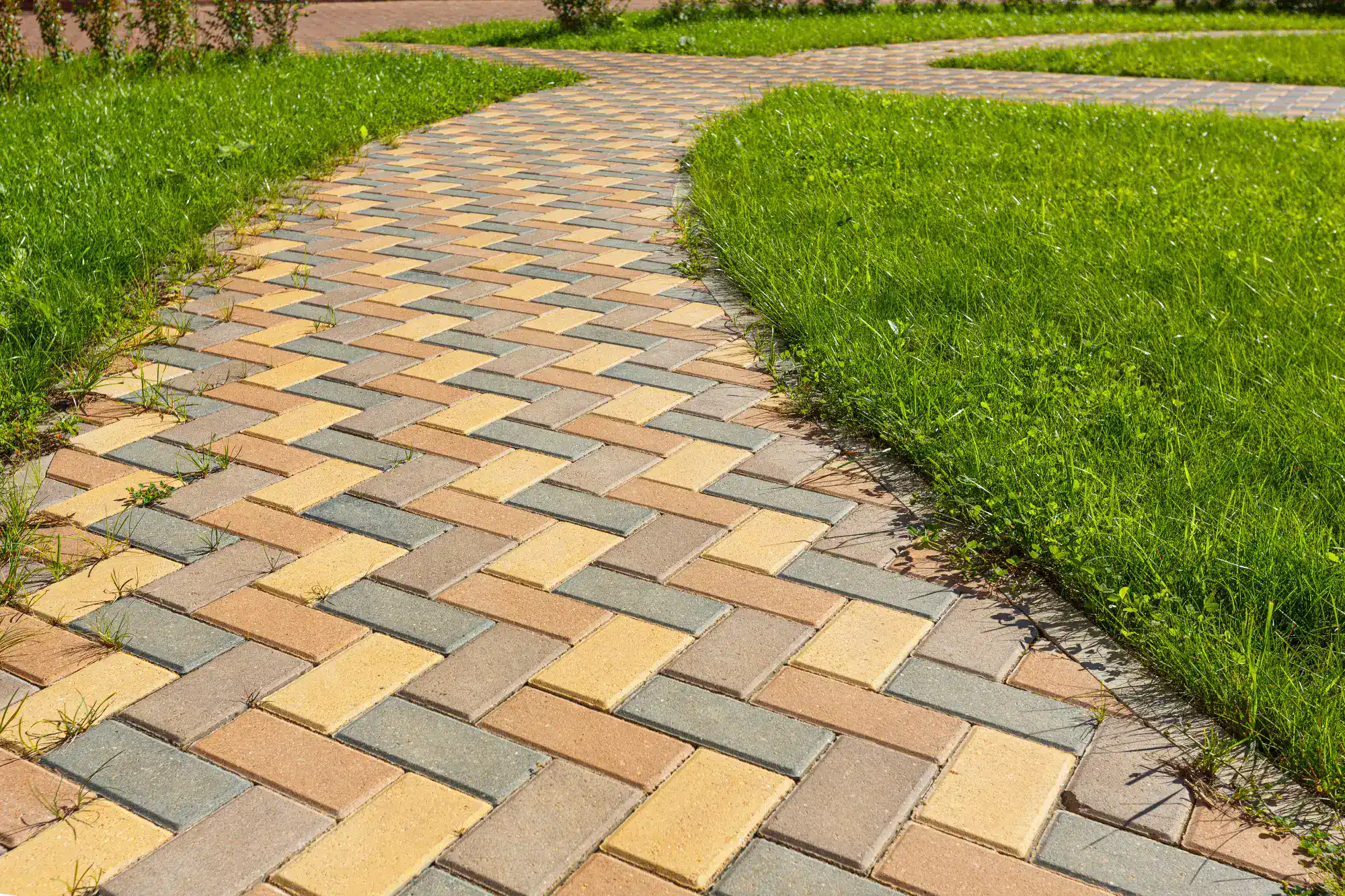
Material selection matters, especially in Huntington’s climate. We use pavers specifically rated for freeze-thaw conditions and heavy use. You’ll have options for colors, textures, and patterns that complement your home’s style without compromising durability.
We also handle the details that separate professional work from amateur attempts. Proper edge restraints, correctly installed joint sand, and final compaction ensure your walkway stays level and stable. All permits and inspections are our responsibility, not yours. Everything is left clean and ready to use immediately after completion.
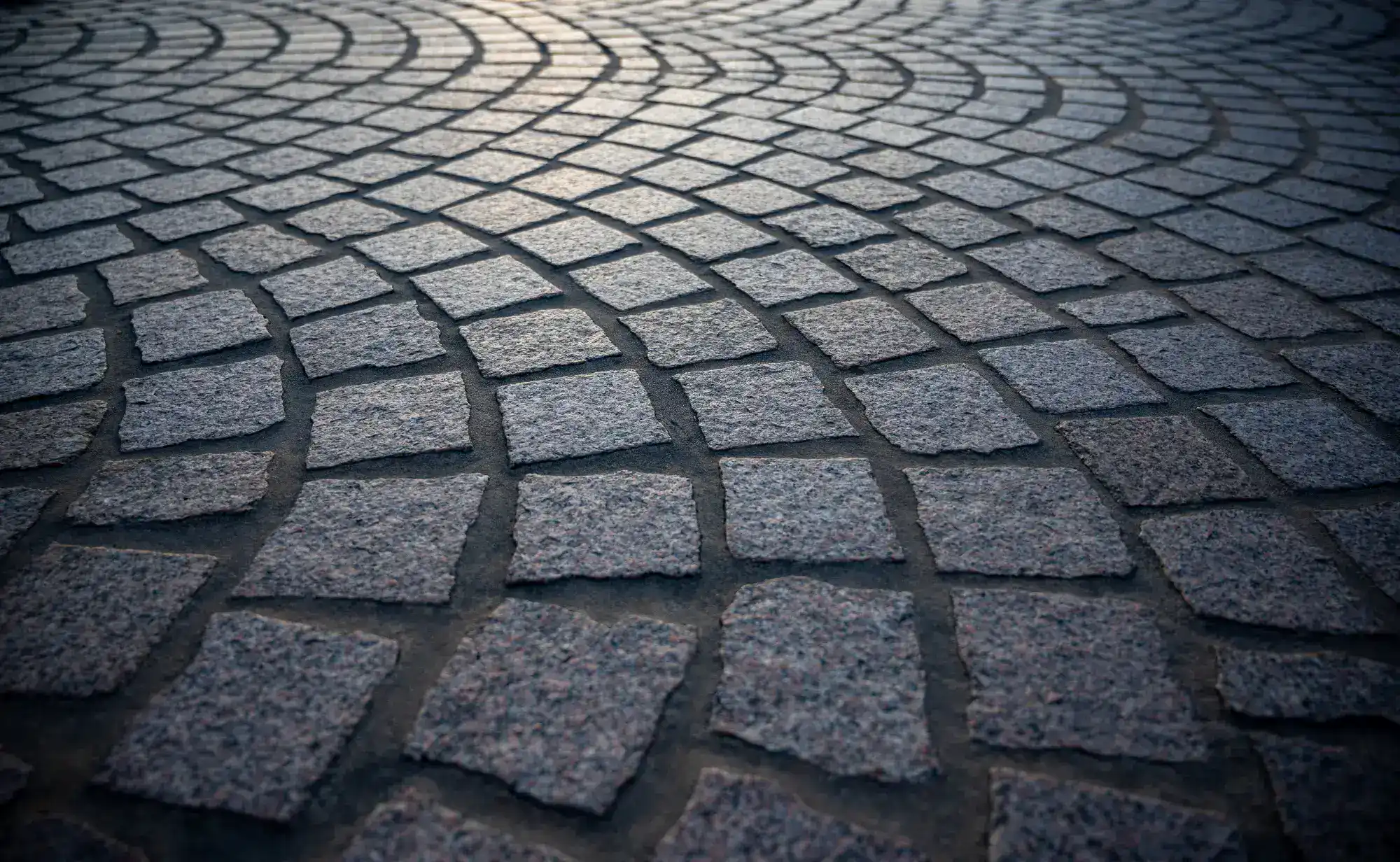
Paver walkways typically last 20-30 years when properly installed, significantly longer than concrete in Long Island’s freeze-thaw climate. Individual pavers can flex slightly with ground movement, while concrete cracks when the ground shifts.
If a paver does get damaged, you can replace individual pieces rather than tearing up an entire section. Pavers also provide better traction in wet conditions and don’t show stains as readily as concrete. The initial cost is higher than concrete, but the longevity and lower maintenance costs make pavers a better long-term investment.
Pavers offer significant advantages over poured concrete, especially in Long Island’s freeze-thaw climate. When water freezes under concrete, it cracks the entire slab. With pavers, individual units can move slightly without damage, and the sand joints allow for expansion and contraction.
Proper installation with adequate base preparation is key to long-term performance in our climate. We excavate deeper than concrete installations and use specialized base materials that provide better drainage and stability. The result is a walkway that actually gets better with age instead of deteriorating.
Most walkway paving projects take 2-3 days to complete, depending on size and complexity. Day one involves removal of existing materials and excavation. Day two covers base preparation and paver installation. Day three handles finishing work like joint sand and cleanup.
Weather can extend the timeline, but we’ll keep you informed of any delays. The key is not rushing critical steps like base preparation or final compaction, which could compromise the long-term stability of your walkway. The walkway is usable immediately after completion—no waiting for concrete to cure.
Paver walkway installation typically costs 40-60% more upfront than basic concrete, but the long-term value is better. Most Long Island homeowners spend between $30 and $45 per square foot for professional paver installation, including materials and labor.
Concrete walkways often need replacement within 10-15 years due to cracking and settling. Quality pavers can last 25+ years with minimal maintenance. Factor in the increased property value and the ability to replace individual damaged pieces rather than entire sections, and pavers usually cost less over time.
Drainage is critical to walkway longevity, and we handle it from the start. We slope the base away from your house and toward appropriate drainage areas during excavation. The paver joints allow water to penetrate through the surface instead of running off like concrete does.
When needed, we install drainage systems or adjust grades to handle problem areas. Poor drainage is the number one cause of walkway failure, so we take this seriously during the planning phase. Proper grading prevents water from pooling against your foundation and eliminates ice formation that creates safety hazards.
Paver walkways require minimal maintenance when properly installed. Regular sweeping prevents debris buildup that can stain pavers or promote weed growth. Annual joint sand replenishment keeps pavers stable and prevents shifting.
For stains, most issues can be handled with mild detergent and water—avoid harsh chemicals that can damage the paver surface. Sealing isn’t required but can enhance color and provide additional stain protection. We’ll provide specific maintenance guidelines based on the paver type you choose. The key is addressing small issues promptly rather than letting them become major problems.
Other Services we provide in Huntington