
Garden Paths & Stepping Stones Suffolk County

Stop Trampling Your Lawn Every Single Day
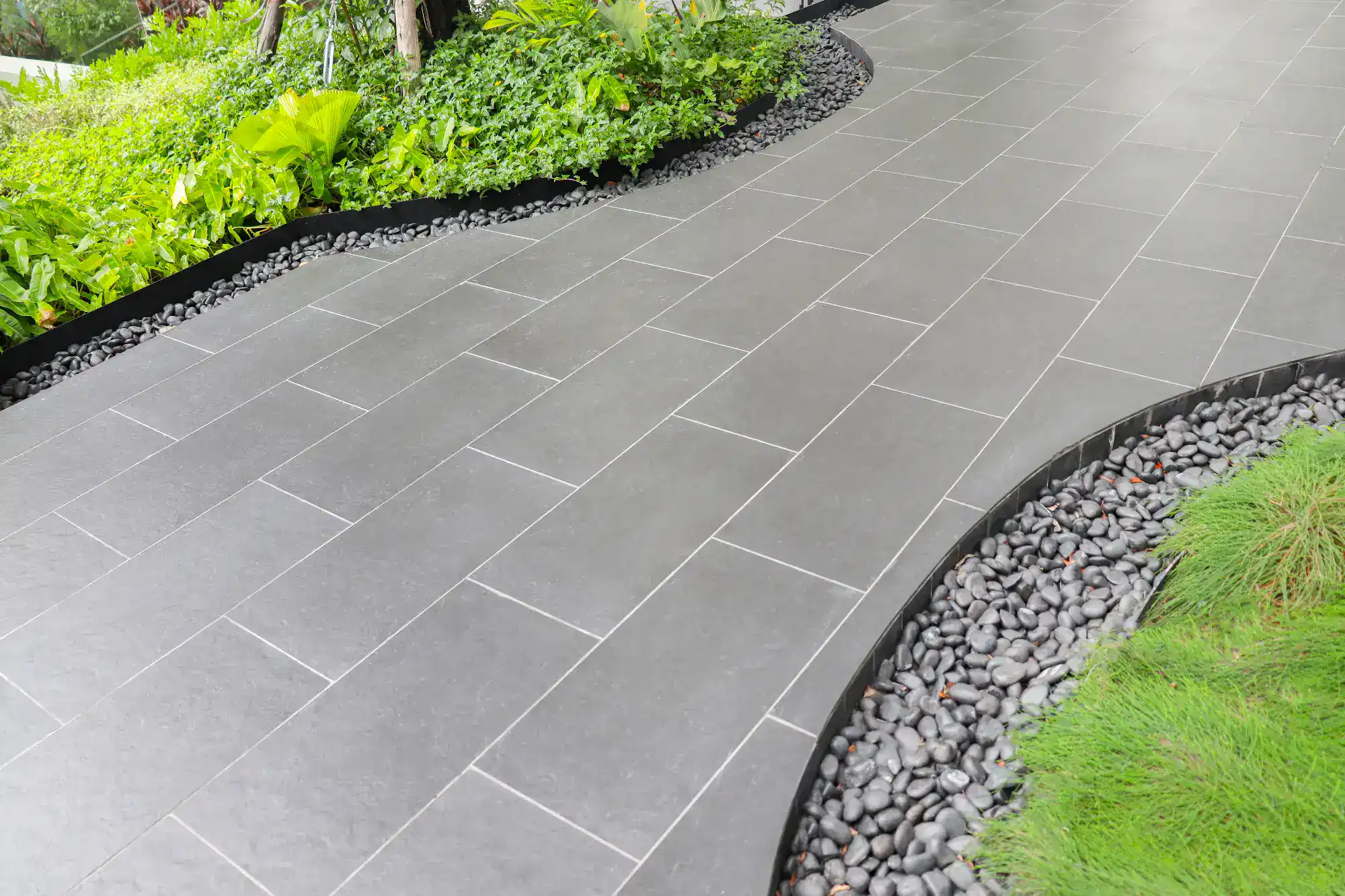
Get durable, beautiful pathways that handle Long Island weather, protect your landscaping, and give you dry footing year-round—installed right the first time by licensed professionals who’ve been doing this for over 20 years.
Curved garden pathway paved with large gray tiles, bordered by black stones and lush green plants—an elegant touch by a leading Home Remodeler Suffolk County, NY.

Licensed In-House Crews Only

No subcontractors. Every person working on your property is a licensed Corsino employee, giving you direct accountability and consistent quality throughout your project.

Fixed Pricing No Hidden Fees

You get a clear quote upfront that covers everything. No surprise charges, no change orders for things that should've been included from the start.

Over 20 Years Local Experience

We've been installing walkways in Suffolk County since 2000. We know the soil conditions, drainage challenges, and what materials actually last here.

Clean Organized Job Sites

You live here during construction. We maintain daily cleanup and organization so your home stays livable, not a construction zone you can't navigate.
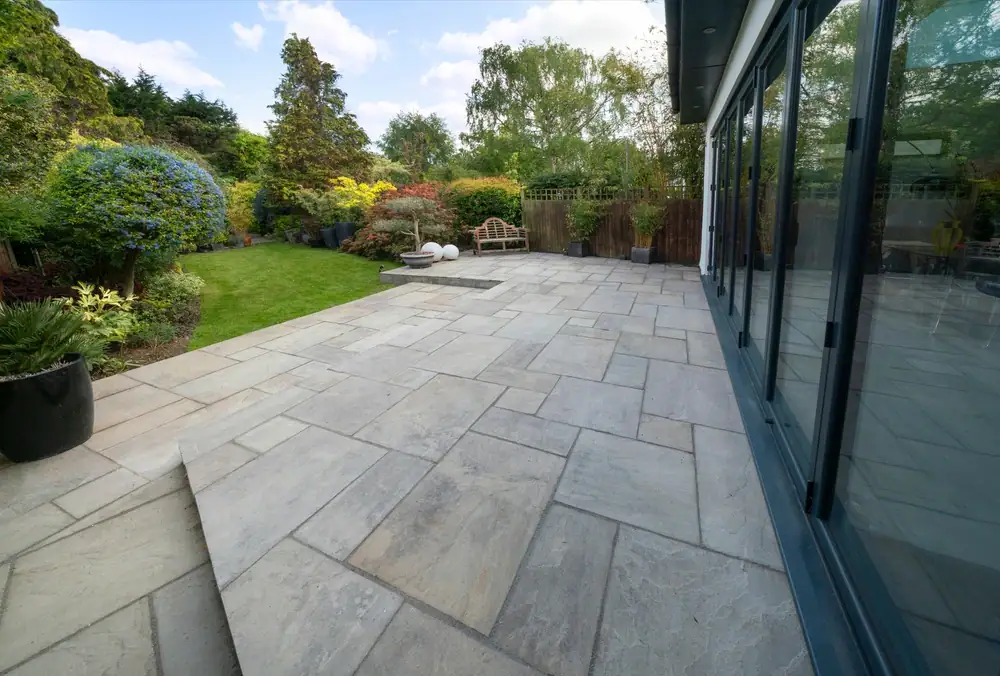
A spacious stone patio next to a modern glass-walled building by a home remodeler Suffolk County overlooks a lush, green garden with trimmed bushes, trees, and a grassy lawn under a partly cloudy NY sky.

Professional Walkway Installation Suffolk County

Pathways That Actually Work for Your Property

A garden path or stepping stone walkway isn’t just about looks. It’s about creating functional access through your yard without destroying your lawn or dealing with mud every time it rains. It’s about drainage that protects your foundation instead of pooling water against your house. And it’s about materials and installation methods that survive Long Island’s freeze-thaw cycles instead of cracking apart in three years. We install flagstone stepping stones, natural stone paths, gravel garden paths, and paver walkways throughout Suffolk County. Each project starts with understanding how you actually use your outdoor space, then designing and building a pathway that handles your specific property conditions—soil type, drainage patterns, slopes, and traffic flow.

Hear from Our Customers

Benefits of Professional Garden Path Installation

What You Actually Get from a Well-Built Path

Beyond the obvious curb appeal, a properly installed walkway solves real problems and makes your outdoor space more usable every single day.

Your lawn stops looking like a worn dirt trail where everyone cuts through to the back door or side yard.

No more muddy shoes tracked into the house after it rains or when you're watering the garden.

Water drains properly instead of pooling in low spots or running toward your foundation where it causes real damage.

You can navigate your yard safely in any weather without slipping on wet grass or stepping in soft, soggy ground.

Your landscaping stays intact because foot traffic follows the path instead of trampling through planted areas.

The installation lasts decades with minimal maintenance when it's done right with proper base preparation and drainage.

A bold white number 1 centered inside a solid black circle, on a plain white background—ideal for showcasing your home remodeler Suffolk County, NY brand with modern simplicity.

Share project details

Call us or get a free online quote to help us identify your project needs.

A bold white number 2 centered inside a solid black circle on a plain background, ideal for NY home remodeler Suffolk County branding.

We'll follow up

If you requested an online quote, you can expect a callback within 24-48 hours of your request.

A bold white number 3 centered inside a solid black circle on a white background, perfect for any home remodeler Suffolk County, NY seeking striking design elements.

The floor is yours

Connect with an expert and share all project specifics.

A large white number 4 centered inside a solid black circle, resembling a bold logo often used by top home remodelers in Suffolk County, NY, with no other markings or background elements.

Plan your project

Like what you hear? We'll provide next steps and expert guidance.
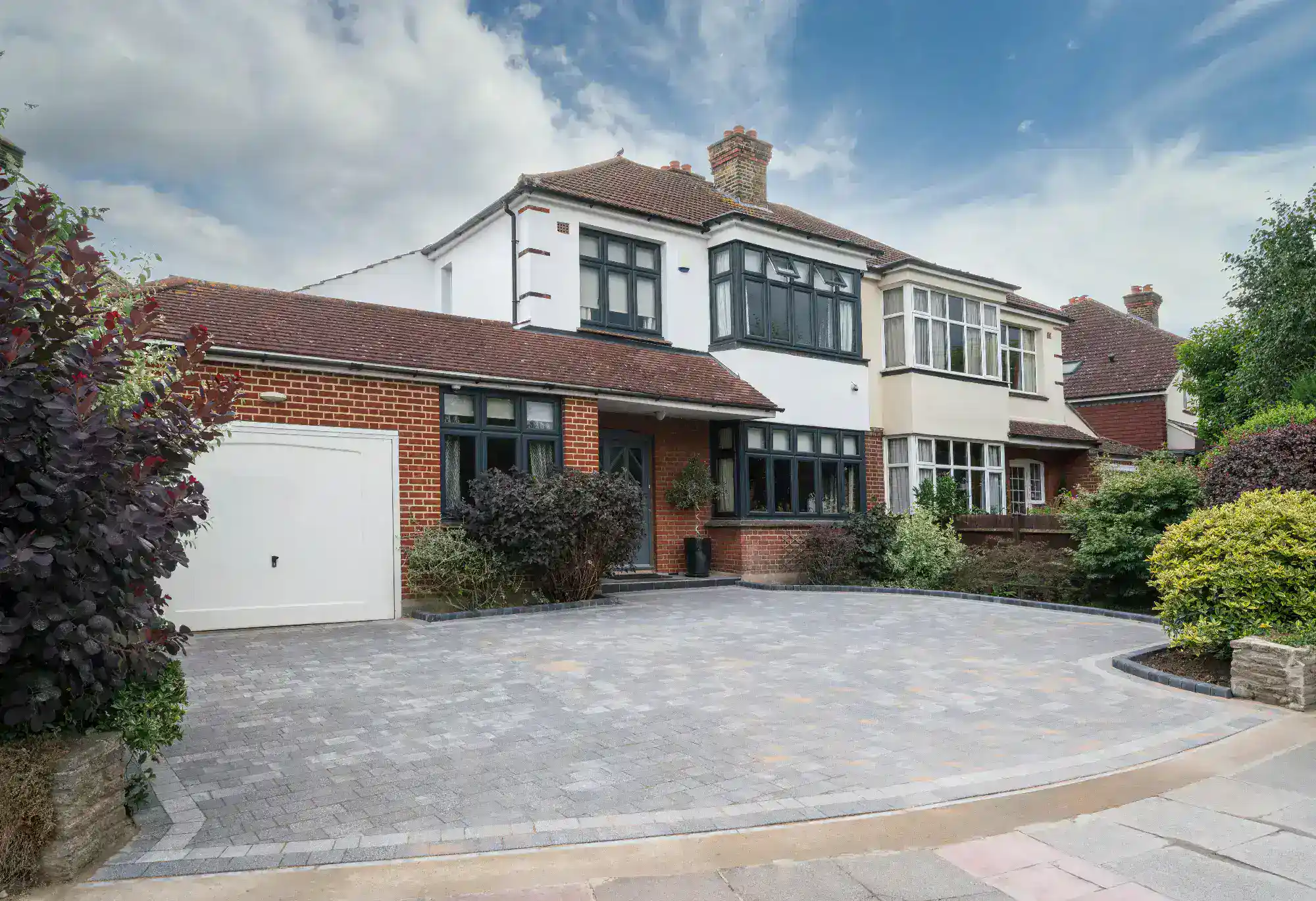
A two-story suburban house in NY with red brick and white walls, large bay windows, and a paved driveway leading to a white garage. A trusted Home Remodeler Suffolk County landscaped the shrubs and trees around the front garden under a partly cloudy sky.

Flagstone and Natural Stone Walkways

Materials That Handle Suffolk County's Climate

Not every stone works well here. Suffolk County’s coastal moisture, freeze-thaw cycles, and sandy soil conditions eliminate materials that perform fine in other climates but fail within a few years on Long Island. Flagstone stepping stones offer irregular, natural shapes that create organic-looking paths through gardens and side yards. The material is durable, handles temperature changes without cracking, and provides good slip resistance even when wet. Natural stone options like bluestone and granite deliver similar performance with different aesthetic qualities—bluestone’s blue-gray tones, granite’s speckled appearance. Gravel garden paths work well for informal areas and provide excellent drainage. The key is proper base preparation—a compacted gravel foundation topped with the right size decorative stone. Without that base, gravel shifts, sinks into soft spots, and migrates into surrounding lawn areas. With it, you get a stable, permeable surface that handles heavy rain without puddling. The installation method matters as much as the material. Stones need proper spacing for comfortable walking—typically 24 inches center-to-center for adults, closer for areas where children or elderly family members walk regularly. The base needs to be deep enough and properly compacted. Drainage needs to slope away from structures. These details separate paths that last from paths that fail.

Backyard Walkway Design and Planning

How We Figure Out What Actually Works

Every property is different. Your soil drains differently than your neighbor’s. Your yard slopes in ways that affect where water goes. The route people naturally take through your outdoor space might not be where you originally planned to put a path. We start by looking at how you actually use your yard. Where do people walk now? Where are the worn spots in the lawn? Where does water collect after heavy rain? What’s the grade from your house to various parts of the property? These observations tell us more than any generic walkway design. Then we talk about what you’re trying to accomplish. Some homeowners want a formal front walkway that makes a strong first impression. Others need a practical path from the driveway to the backyard that handles daily traffic and looks decent. Garden enthusiasts want stepping stone paths that wind through planted areas without damaging the landscaping. The design takes all of this into account—your goals, your property’s specific conditions, and the installation methods that actually work in Suffolk County. We’re not selling you a standard package. We’re building a walkway that solves your specific problems and fits your specific property. That’s why proper planning matters before we dig the first shovel of dirt.
A modern outdoor patio with a long dining table and chairs overlooks a lily pond and landscaped garden. Large glass doors, crafted by a top home remodeler in Suffolk County, NY, open to a stylish kitchen and sunlit living area.
Garden Paths & Stepping Stones FAQs

Common Questions About Our Service

For most adults, stepping stones should be spaced about 24 inches apart, measured from the center of one stone to the center of the next. This matches a natural walking stride and feels comfortable for regular use. If children or elderly family members will use the path frequently, spacing them closer together—around 18 to 20 inches—makes for safer, easier walking. The best approach is to lay out the stones temporarily and actually walk on them before final installation. Everyone's stride is slightly different, and testing the spacing ensures the path works for the people who'll actually use it. For tighter-fitting paver walkways where stones sit next to each other, spacing is less about stride and more about creating stable joints—typically 3 to 6 inches between stones filled with sand or gravel.
The best material depends on your specific needs, but flagstone and bluestone consistently perform well in Suffolk County's climate. Both handle freeze-thaw cycles without cracking, provide good slip resistance when wet, and last decades with minimal maintenance. Flagstone offers irregular, natural shapes that work beautifully in garden settings. Bluestone provides a more uniform appearance with its distinctive blue-gray color. For budget-conscious projects, gravel paths deliver good performance at lower cost, though they require edging to keep stones contained. Natural stone pavers and granite also work well but typically cost more. What doesn't work well here is thin concrete, which cracks from ground movement and temperature changes. The material matters, but proper installation matters more—even premium stone fails without adequate base preparation and drainage. Any material we install gets a properly compacted gravel base and correct drainage grading.
Preventing settling comes down to proper base preparation and drainage—two things that get skipped in quick, cheap installations. We excavate deep enough to install a 3 to 6 inch layer of compacted gravel beneath the stones. This base distributes weight and prevents individual stones from sinking into soft spots in the soil. The gravel also provides drainage so water doesn't pool underneath and soften the ground. We compact this base thoroughly before setting any stones. Then we grade everything with a slight slope—typically 1 to 2 percent—away from your house and other structures. This keeps water moving instead of collecting under the path. For stepping stone installations, each stone gets individually leveled and set into the base material at the proper depth. Stones that sit too high get walked on unevenly and can tip. Stones set too low collect water and create tripping hazards. The installation takes longer this way, but paths stay level and stable for decades instead of needing constant resetting.
The best filler material depends on the look you want and how the path will be used. For stepping stone paths with wider gaps, decomposed granite or stone dust works better than regular sand. These materials compact and stay in place rather than washing away with rain. They also prevent weeds better than sand alone. For tighter installations like paver walkways, polymeric sand is worth the extra cost—it hardens when wet and locks pavers together while resisting weed growth. Regular play sand works temporarily but washes out and invites weeds. What doesn't work is regular topsoil between stones. Soil is basically an invitation for weeds to take over your path within months. Some homeowners like the look of low-growing ground covers like creeping thyme planted between stepping stones. This works in garden settings but requires maintenance to keep plants from overtaking the stones. For gravel paths, the surface gravel should be 3/8 to 3/4 inch size—small enough to walk on comfortably but large enough not to stick to shoes and migrate everywhere.
Most homeowners spend between $1,600 and $8,000 for a professionally installed stone walkway, though costs vary significantly based on materials, size, and site conditions. Gravel paths typically run $4 to $10 per square foot installed—the most budget-friendly option. Flagstone stepping stones generally cost $16 to $35 per square foot installed depending on stone quality and installation complexity. Natural stone like bluestone or granite runs $20 to $35+ per square foot. A typical front walkway—40 feet long and 3 to 4 feet wide—might cost $2,500 to $5,000 installed with flagstone or pavers. Longer paths, paths requiring significant drainage work, or paths on sloped terrain cost more due to additional excavation and base preparation. What drives cost isn't just the visible stone—it's the base preparation, drainage work, and proper installation that determine whether your investment lasts 5 years or 50 years. We provide fixed-price quotes that include everything needed for a proper installation, so you know the real cost upfront.
Most garden paths and stepping stone installations don't require permits in Suffolk County, but there are exceptions depending on the scope of work. Simple walkways that don't involve significant grading, drainage modifications, or work near property lines typically don't need permits. However, if the project involves substantial excavation, changes to drainage patterns that affect neighboring properties, or work within setback areas, permits may be required. Projects that include retaining walls, significant grading changes, or connections to existing drainage systems usually need permits. The requirements can also vary between different towns and villages within Suffolk County—some municipalities have stricter rules than others. Any contractor performing home improvement work in Suffolk County must hold a valid home improvement contractor license regardless of permit requirements. We handle permit verification as part of the project planning process, checking with your local building department to confirm what's required for your specific project. This protects you from potential code violations and ensures the work meets all local requirements.
A bold white number 1 centered inside a solid black circle, on a plain white background—ideal for showcasing your home remodeler Suffolk County, NY brand with modern simplicity.

Property Assessment and Design

We visit your property to evaluate drainage, soil conditions, existing landscape, and how you use the space. Then we design a pathway that addresses your specific needs and property challenges.

A bold white number 2 centered inside a solid black circle on a plain background, ideal for NY home remodeler Suffolk County branding.

Base Preparation and Drainage

Proper excavation, compacted gravel base, and drainage grading prevent the settling and water problems that cause most walkway failures. This step determines whether your path lasts decades or fails in years.

A bold white number 3 centered inside a solid black circle on a white background, perfect for any home remodeler Suffolk County, NY seeking striking design elements.

Material Installation and Finishing

Stones are set with proper spacing and leveling, joints are filled with appropriate materials, and final grading ensures water flows away from structures. You get a finished path that's ready to use immediately.