Hear from Our Customers
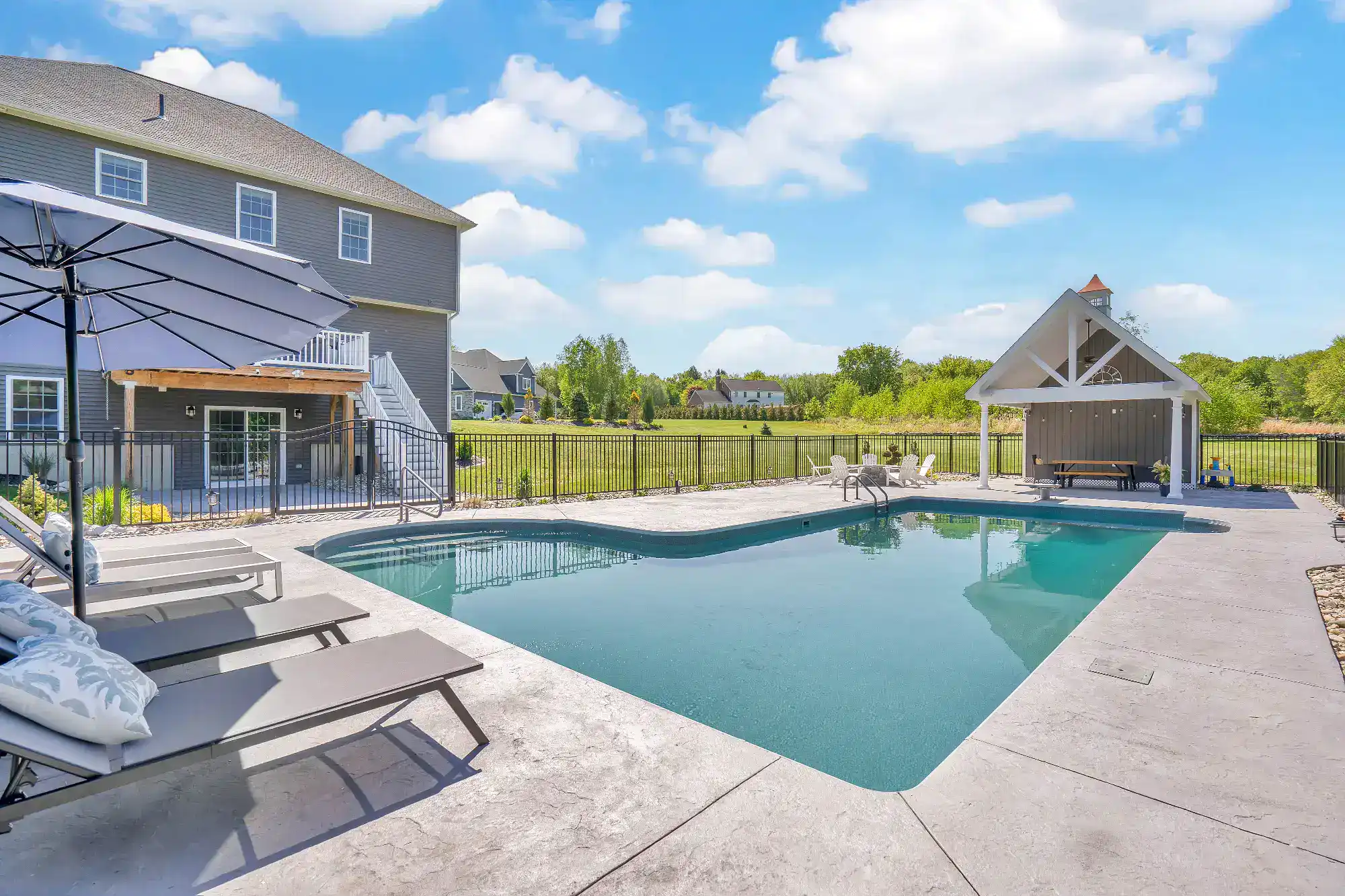
Your pool area becomes the safe, functional space your family actually uses. No more worrying about slippery surfaces when wet or cracks appearing after the first hard freeze.
You get materials selected specifically for Long Island’s coastal climate. Proper drainage that prevents water pooling and ice damage. Installation techniques that account for salt air exposure and soil conditions unique to East Islip.
The result is a pool patio that adds real value to your property while giving you years of worry-free enjoyment. Not just something that looks good in photos, but something built to work for your family’s daily life.
We’ve been building pool patios across Long Island since 2000. We understand what works here and what doesn’t.
Living near the Great South Bay means dealing with challenges that contractors from other areas don’t understand. Salt air that corrodes materials. Freeze-thaw cycles that crack poorly installed surfaces. Soil conditions that can make or break a patio installation.
We use licensed in-house professionals instead of subcontractors. This means consistent quality and direct accountability throughout your project. You get clear communication, fixed pricing with no hidden fees, and job sites kept clean and organized so you can live comfortably during construction.
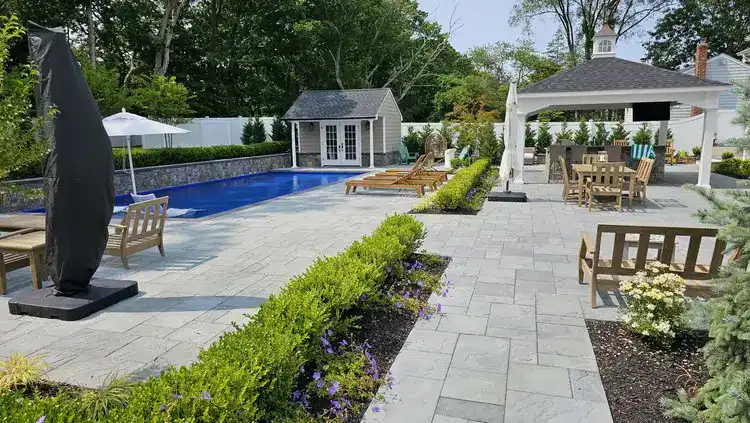
First, we assess your current pool area and discuss what you want to achieve. We look at drainage, existing structures, and how you actually use the space.
Next comes the planning phase. We design a patio that works with your pool, your home’s style, and your budget. This includes selecting materials that will perform well in our Long Island climate and ensuring proper drainage to prevent water pooling and ice formation.
Then we handle the installation. Proper excavation, base preparation, and installation techniques matter more than most people realize. We handle all the technical details – proper grading for drainage, selecting materials that won’t become slippery when wet, and ensuring everything meets local building codes in East Islip.
Finally, we clean up and walk you through maintaining your new patio. You’ll know exactly how to keep it looking great for years to come.
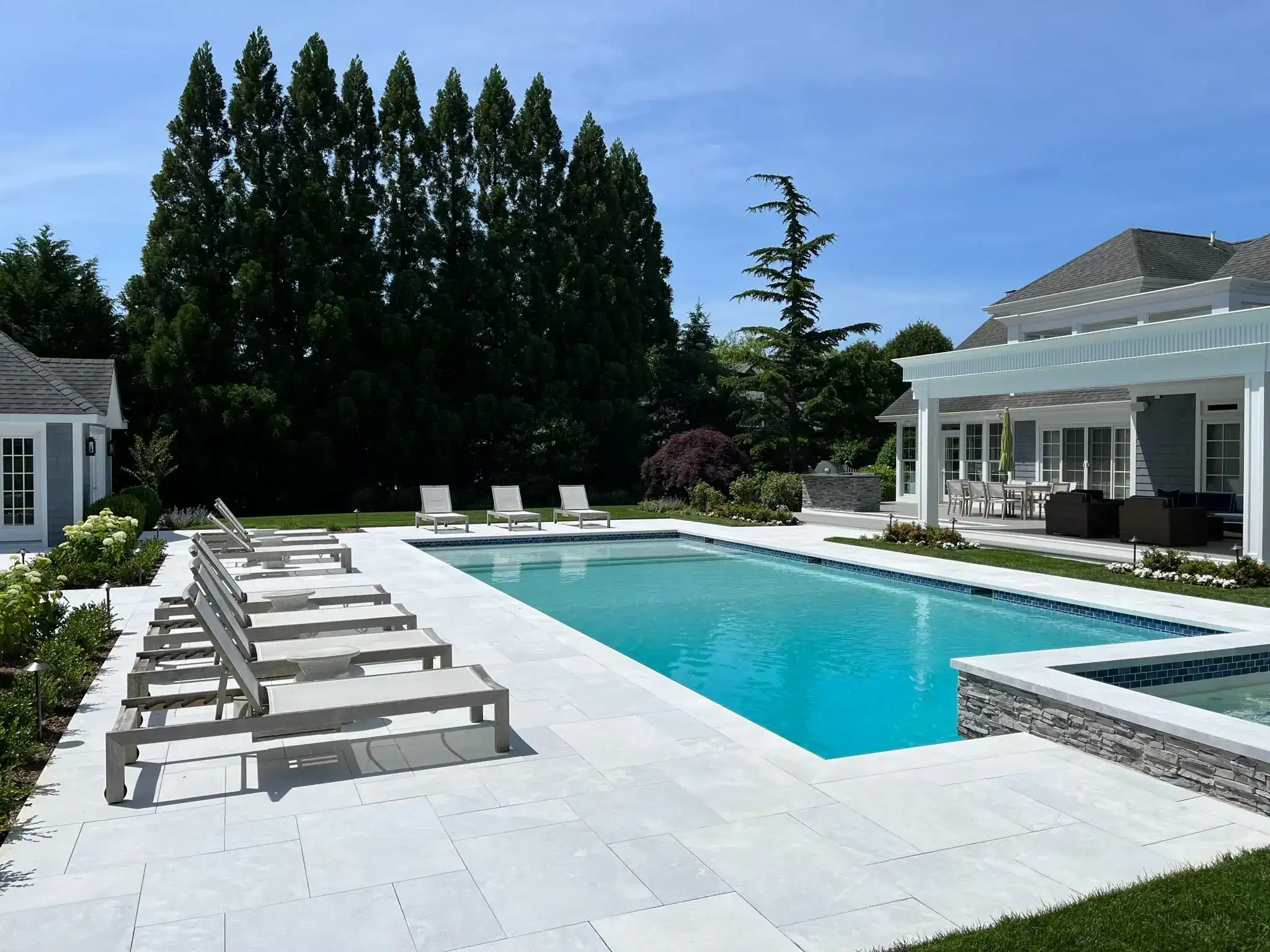
Ready to get started?
Concrete, natural stone, and certain pavers all work well here, but the key is choosing materials that handle our climate. We avoid materials that become slippery when wet or crack easily in freeze-thaw cycles.
Stamped concrete with proper sealing performs well, as does natural stone like bluestone or granite. Concrete pavers are easier to repair if individual pieces crack from freeze-thaw cycles, while natural stone tends to stay cooler underfoot around pools.
We also work around existing pool equipment, landscaping, and other features. The key is careful planning and sometimes creative solutions to access work areas without damaging what’s already there. We protect existing plants, work around pool equipment locations, and coordinate with other contractors if needed. Our goal is to improve your pool area without creating problems elsewhere in your yard.
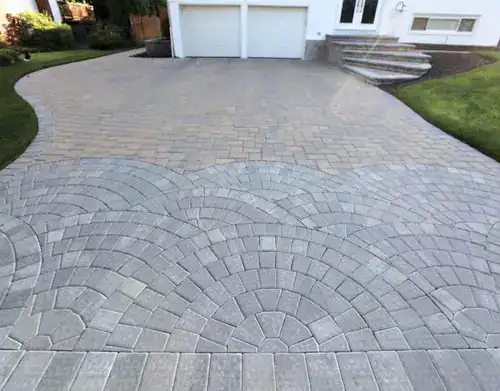
Concrete, natural stone, and certain pavers all work well in East Islip, but material selection depends on understanding our unique coastal challenges. We avoid materials that become slippery when wet or crack easily in freeze-thaw cycles.
Stamped concrete with proper sealing performs well and offers design flexibility through coloring and pattern options. Natural stone like bluestone or granite costs more upfront but offers natural beauty and can be more durable long-term. Stone also tends to stay cooler underfoot, which matters around pools.
Concrete pavers offer a middle ground – they’re easier to repair if individual pieces crack from freeze-thaw cycles, and they provide good slip resistance when properly installed. The key with any material is proper installation with adequate base preparation and drainage systems that account for Long Island’s salt air exposure and soil conditions.
Proper drainage is the most critical factor in pool patio longevity, especially in East Islip where we deal with significant rainfall and freeze-thaw cycles. Poor drainage is the biggest cause of pool patio problems we see – water that sits and freezes will crack any material over time.
We start by setting the right slopes during installation. Water needs to move away from your pool, pool equipment, and your house foundation. We typically slope patios at about 1/4 inch per foot, but the exact grade depends on your property’s existing drainage patterns.
We also install drainage systems when needed, especially in areas where natural runoff doesn’t work well. This might include French drains, channel drains, or catch basins depending on your specific site conditions. Getting drainage right during initial installation saves you major headaches and repair costs later, which is why we never skip this crucial step.
Yes, we regularly work around existing pool equipment, landscaping, and other features. The key is careful planning and sometimes creative solutions to access work areas without damaging what’s already there.
We protect existing plants with barriers and careful staging of materials. We work around pool equipment locations and coordinate timing with other contractors if needed. Sometimes this means working in phases or using smaller equipment, but it’s usually more cost-effective than removing and replacing landscaping.
We’ll assess your specific situation during the initial consultation and let you know if there are any constraints or special considerations. Our goal is to improve your pool area without creating problems elsewhere in your yard. We’ve been doing this in East Islip for over twenty years, so we’ve learned how to navigate tight spaces and work around existing features efficiently.
Most pool patio installations in East Islip take 3-7 days depending on the size, complexity, and weather conditions. We’ll give you a realistic timeline upfront and keep you updated if conditions change the schedule.
Weather plays a bigger role than most people realize. We can’t pour concrete or install certain materials in freezing temperatures or during heavy rain. East Islip’s coastal location means we sometimes deal with unexpected weather changes that can affect the schedule.
The installation process includes excavation, base preparation, material installation, and finishing work. Each step needs adequate time to cure or set properly. Rushing pool patio work to meet artificial deadlines usually creates problems, so we focus on doing it right rather than doing it fast. We’d rather take an extra day to ensure proper installation than create problems that cost everyone more money later.
Permit requirements for pool patios in East Islip depend on the project scope, proximity to property lines, and whether we’re doing any electrical or plumbing work. Many pool patio projects don’t need formal permits, but some do.
We handle permits when they’re required and know local code requirements. We’ll tell you upfront if permits are needed for your specific project. Factors that typically require permits include electrical work for lighting, plumbing for drainage systems, and proximity to property setback lines.
The Town of Islip has specific requirements for pool area construction, and we stay current on all local codes and regulations. We make sure everything is done to Long Island building standards so you won’t have to worry about compliance issues later. Getting this right from the beginning protects your investment and prevents problems if you ever sell your home.
Maintenance depends on your material choice, but all pool patios in East Islip need some regular care to handle our coastal climate challenges. Salt air, pool chemicals, and freeze-thaw cycles all affect different materials in different ways.
Concrete patios typically need resealing every 2-3 years and occasional crack repairs. The sealing protects against salt air corrosion and pool chemical damage. Pavers need joint sand replenishment and occasional releveling of individual pieces, but they’re easier to repair than solid concrete surfaces.
Natural stone requires periodic sealing and stain treatment, especially around pools where splash-out can cause mineral buildup. All materials benefit from regular cleaning to remove pool chemical residue and prevent staining. We’ll give you specific maintenance guidelines for your chosen materials and can recommend local suppliers for any specialty products you’ll need. Proper maintenance extends your patio’s life significantly and keeps it looking good.