
Hear from Our Customers
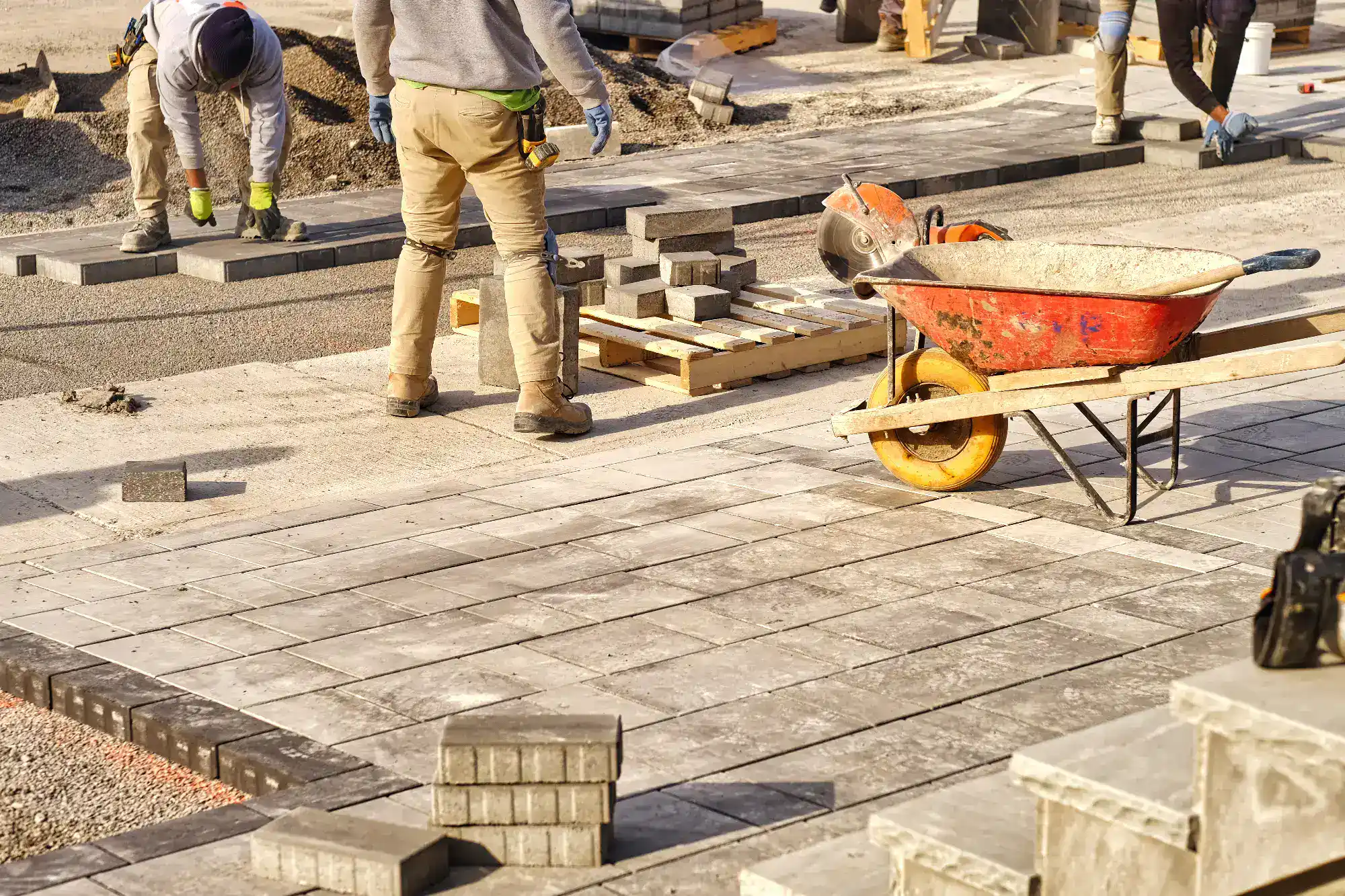
You pull into a smooth driveway that doesn’t crack every winter. Water flows away from your foundation instead of pooling against it. Your patio stays level and looks the same as the day we finished it.
That’s what happens when paving gets done by people who know Islip weather, soil conditions, and what materials actually hold up here. No more patching potholes every spring or watching your investment crumble after two seasons.
The right paving contractor doesn’t just lay asphalt or install pavers. We solve drainage issues before they become basement problems. We use materials rated for our freeze-thaw cycles. We show up when we say we will and finish when we promise to finish.
We’ve been handling paving projects throughout Islip for over 20 years. We understand local soil conditions, drainage patterns, and the specific challenges Long Island weather throws at driveways and patios.
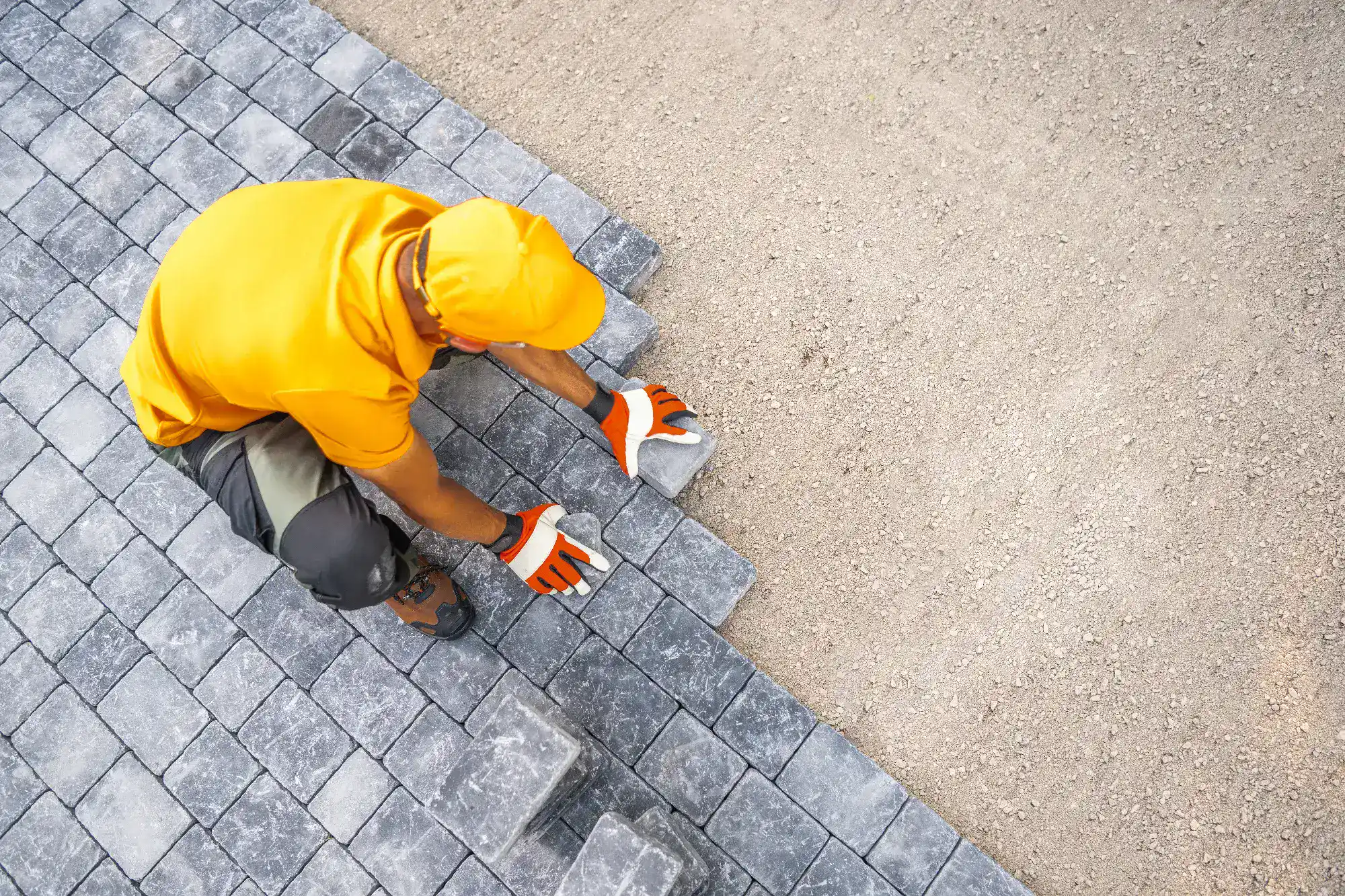
Our team focuses on residential and commercial paving installation, from simple driveway repairs to complete paver patio installations. We’re licensed, insured, and use only in-house professionals—never subcontractors who might disappear halfway through your project.
We work with homeowners who’ve been burned by fly-by-night contractors and property owners who need the job done right the first time. When you call, you’re talking to people who live and work in this community.
First, we come look at your property. Not just the surface you want paved, but drainage, grade, and what’s underneath. Most paving problems start with issues you can’t see.
Next comes a written estimate that breaks down materials, labor, and timeline. No surprises, no “additional costs we discovered.” You know what you’re paying before we start.
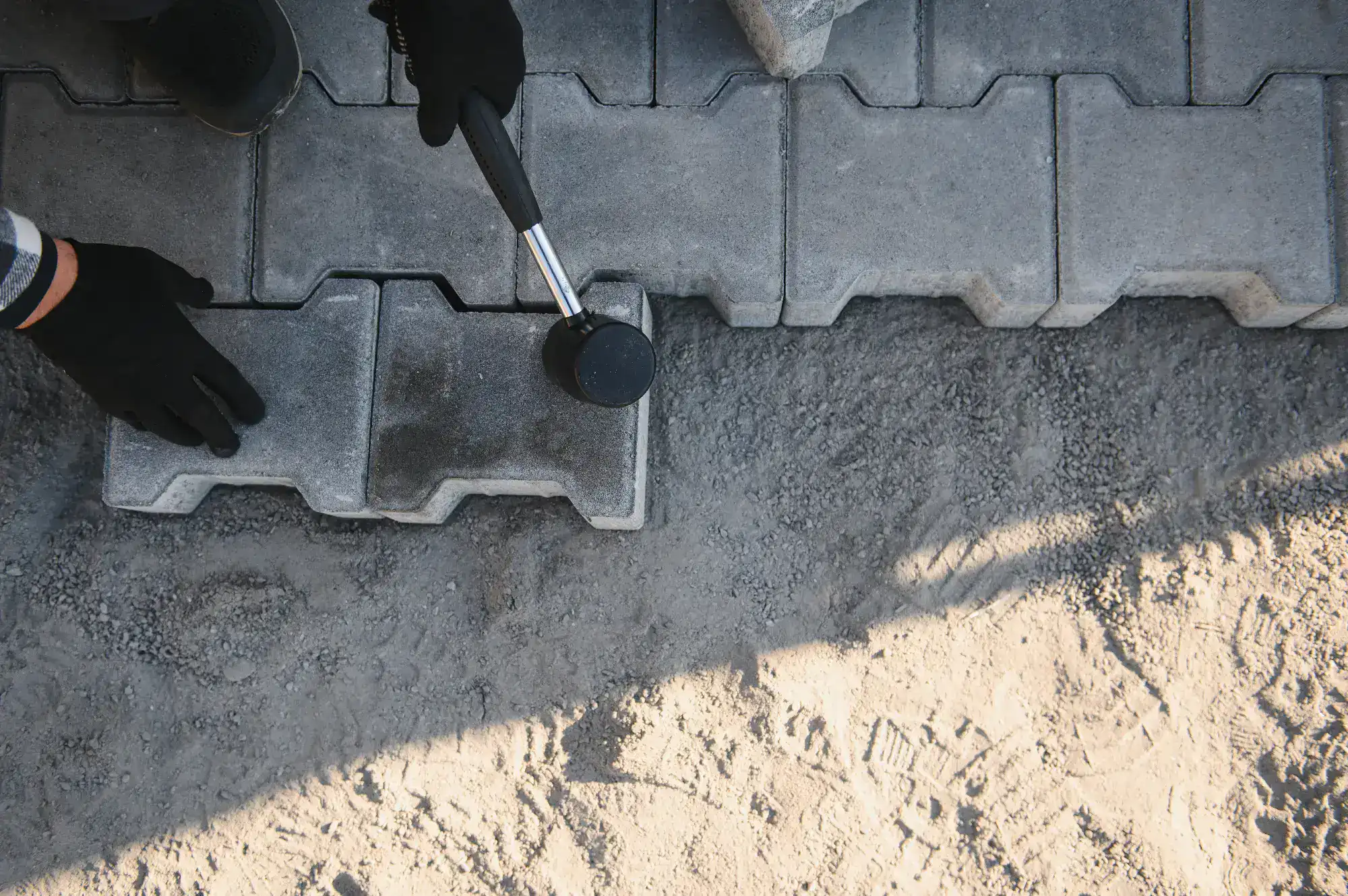
The actual work begins with proper preparation. That means excavation to the right depth, proper base material, and addressing any drainage issues. Then comes the paving installation, whether that’s asphalt, concrete, or paver stones.
Finally, we clean up and walk through the completed project with you. You get surfaces that handle Islip’s freeze-thaw cycles and drainage that protects your foundation.
Ready to get started?
Every paving project starts with understanding Islip’s specific challenges. The freeze-thaw cycles here are brutal—temperatures can swing from 30°F in January to 79°F in July. That means materials need to flex without cracking.
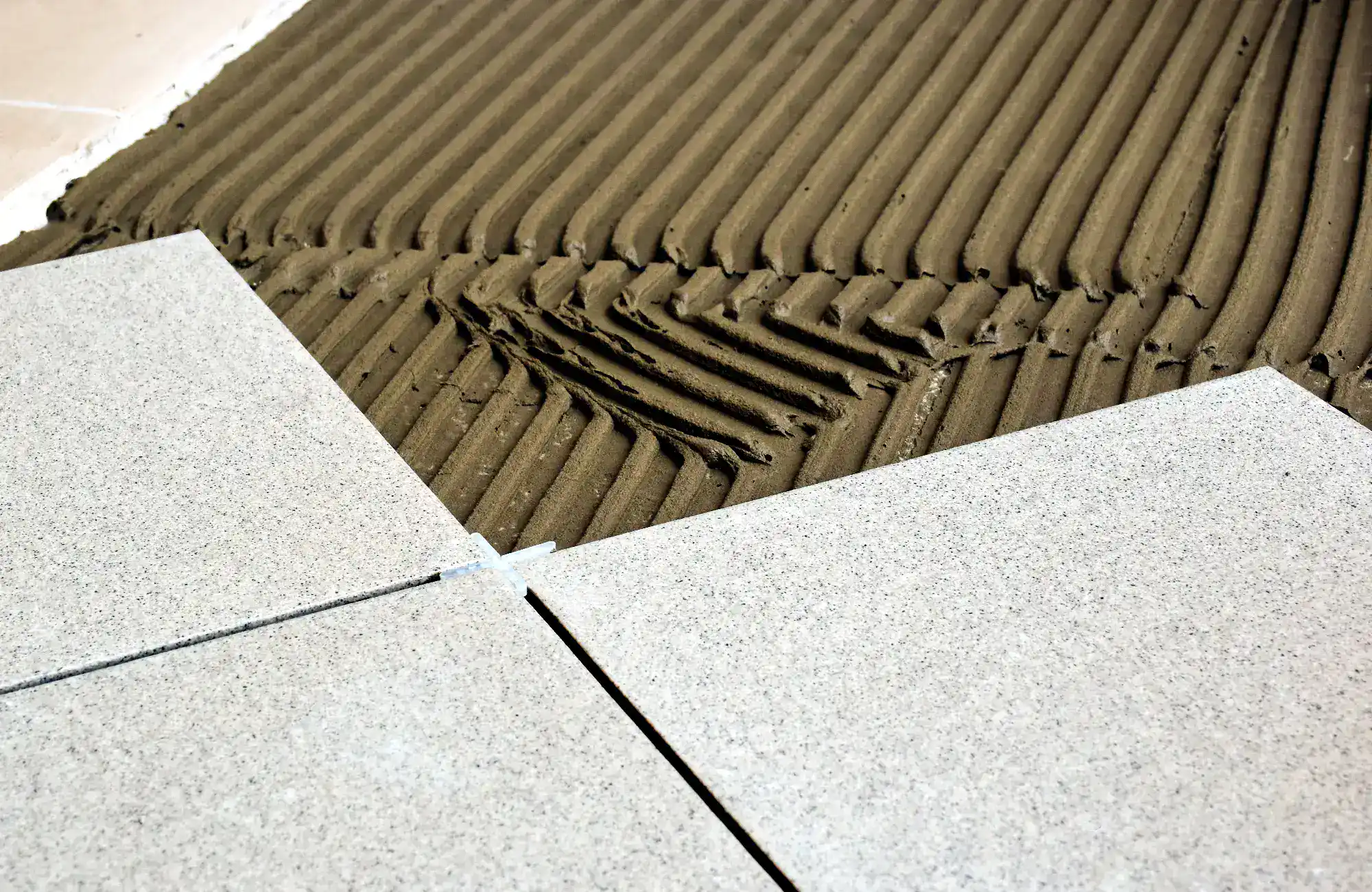
We use polymer-modified asphalt mixes that resist rutting and maintain flexibility through Suffolk County’s weather extremes. For paver installations, we specify proper base preparation with compacted stone aggregate and drainage systems that handle Long Island’s soil conditions.
Asphalt handles freeze-thaw cycles well and costs less upfront, but requires periodic sealing. Pavers cost more initially but last longer and allow individual replacement if damaged. For Islip’s climate, both work when properly installed with adequate base preparation.
The choice often comes down to budget, aesthetics, and long-term maintenance preferences. Either option needs proper drainage to prevent winter damage—something many contractors skip to save time and money.
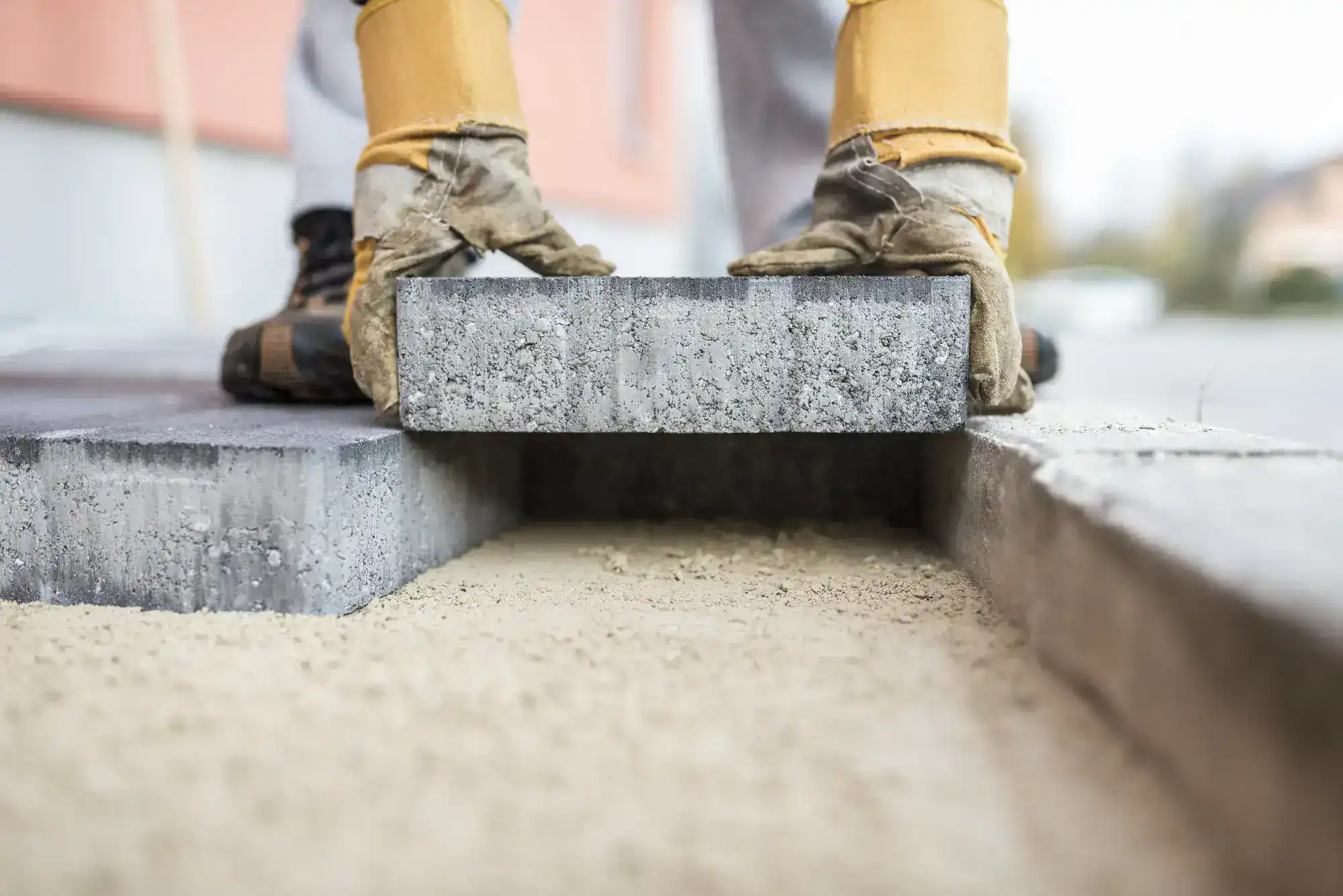
Costs vary significantly based on size, materials, site conditions, and preparation required. Asphalt driveways typically range from $3-7 per square foot, while paver installations run $10-20 per square foot.
A typical residential driveway might cost $2,000-8,000 depending on these factors. Properties requiring extensive excavation, drainage work, or dealing with difficult access cost more. We provide written estimates that break down materials, labor, and timeline so you know exactly what you’re paying before we start.
If you’re seeing widespread cracking, multiple potholes, or areas where the surface is breaking apart, replacement usually makes more sense than patching. Edge deterioration, drainage problems causing water pooling, or a surface that’s sinking in multiple spots also point toward replacement.
Small cracks and isolated damage can often be repaired cost-effectively. But when repair costs start approaching 50% of replacement cost, or when you’re fixing the same problems repeatedly, replacement gives you better long-term value.
The key is addressing problems before they affect your foundation or require emergency repairs during winter when costs are highest.
Most driveway replacements in Islip don’t require permits if you’re staying within the existing footprint and not changing drainage patterns. However, if you’re expanding the driveway, adding new access points, or significantly altering drainage, permits may be required.
New installations that affect town right-of-way or change the grade near the street typically need approval. We know local requirements and help determine if permits are needed for your specific project.
It’s always better to check beforehand than deal with violations later. The permit process usually takes 2-3 weeks, so we factor that into project timelines.
Professional asphalt paving in Islip typically lasts 15-25 years with proper installation and maintenance. The key factors are using polymer-modified mixes that handle freeze-thaw cycles and ensuring proper drainage.
Sealing every 2-3 years extends life significantly. The salt exposure from winter road treatments and freeze-thaw cycles here are tougher on surfaces than in other climates, which is why material selection and base preparation matter so much.
Surfaces that fail within 5-10 years usually had installation problems—inadequate base preparation, poor drainage, or materials not rated for Long Island conditions.
Asphalt offers flexibility, quick installation (usable within 24-48 hours), and lower initial cost. It handles freeze-thaw cycles well when properly installed. Pavers cost more initially but last longer, offer more design options, and allow individual replacement if damaged.
For Islip’s climate, both work when properly installed with adequate base preparation. Asphalt is better for larger driveways where cost is a primary concern. Pavers work well for smaller areas or when aesthetics are important.
The choice often comes down to budget versus appearance. Both need proper drainage to prevent winter damage, which is more important than the surface material choice.
Look for contractors with at least 5-10 years of local experience who can show you recent work in Suffolk County. They should be licensed, insured, and provide written estimates with no hidden costs.
Ask about their base preparation methods, drainage solutions, and what materials they use for Long Island conditions. Reliable contractors explain the process, provide references, and don’t pressure you to sign immediately.
Avoid door-to-door solicitors, cash-only deals, or contractors who can’t provide local references. The lowest bid often means corners get cut on base preparation or materials—problems that cost far more to fix later.