Hear from Our Customers
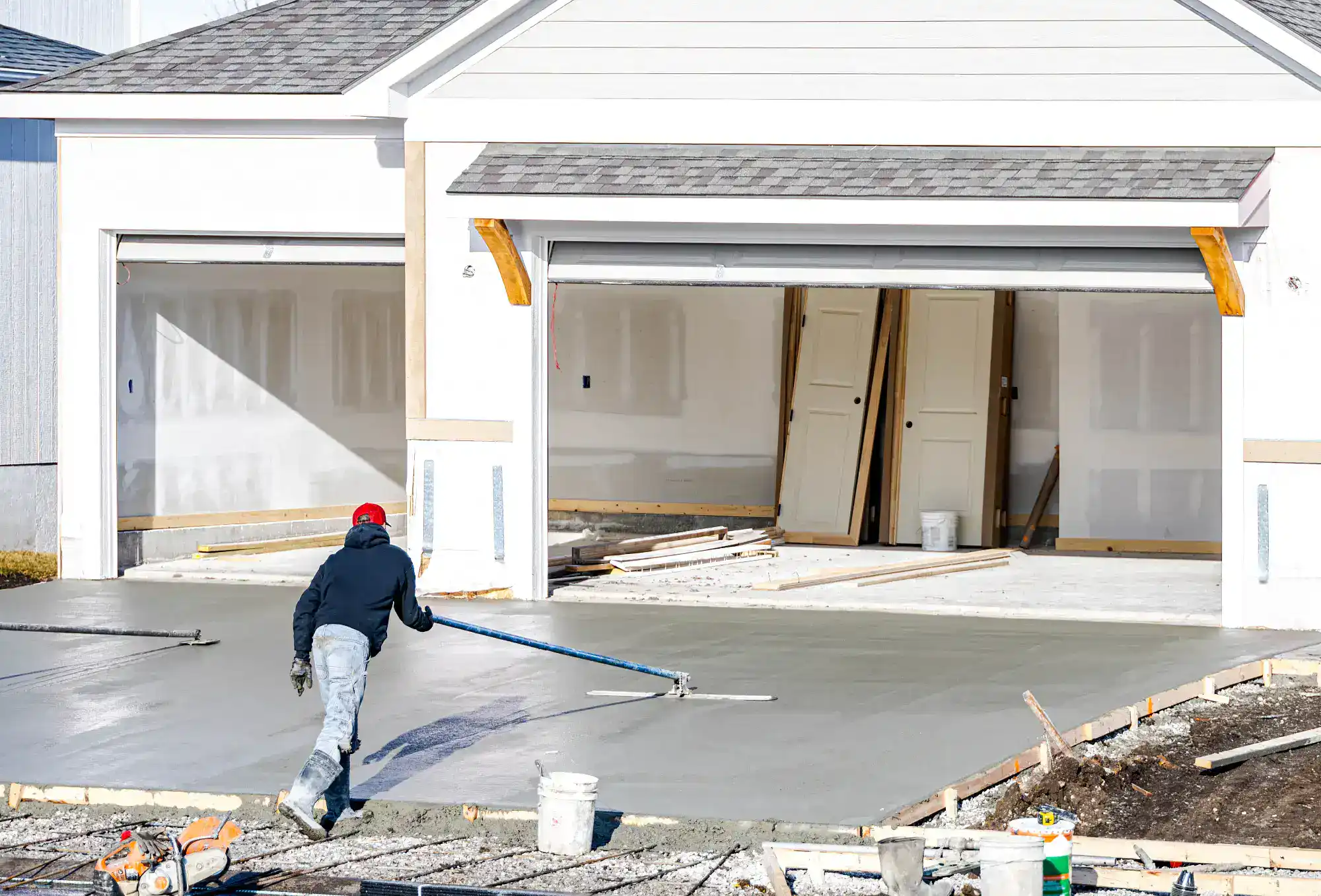
Your driveway becomes the reliable surface you’ve been wanting. No more worrying about cracks opening up after the first winter or water pooling near your foundation after heavy rains.
You get a smooth, level surface that handles everything from daily commutes to heavy delivery trucks. The drainage works properly, directing water away from your home instead of creating problems. Your property value increases, and neighbors notice the difference.
Most importantly, you’re done dealing with constant repairs and maintenance headaches. Quality paving installation means years of trouble-free use without the endless cycle of patching and resealing.
We’ve been handling driveway paving projects across Mastic and Suffolk County since 2000. We understand how Long Island’s clay soil shifts, what our freeze-thaw cycles do to different materials, and exactly which drainage solutions work in our area.
Most of our work comes from referrals because homeowners know we show up when we say we will and finish what we start. We’re licensed, insured, and familiar with local building codes that many paving contractors overlook.
You won’t find us juggling fifteen projects at once or disappearing for weeks. We take on driveway paving work we can handle properly and see it through to completion. That’s how we’ve built our reputation in Mastic over more than two decades.
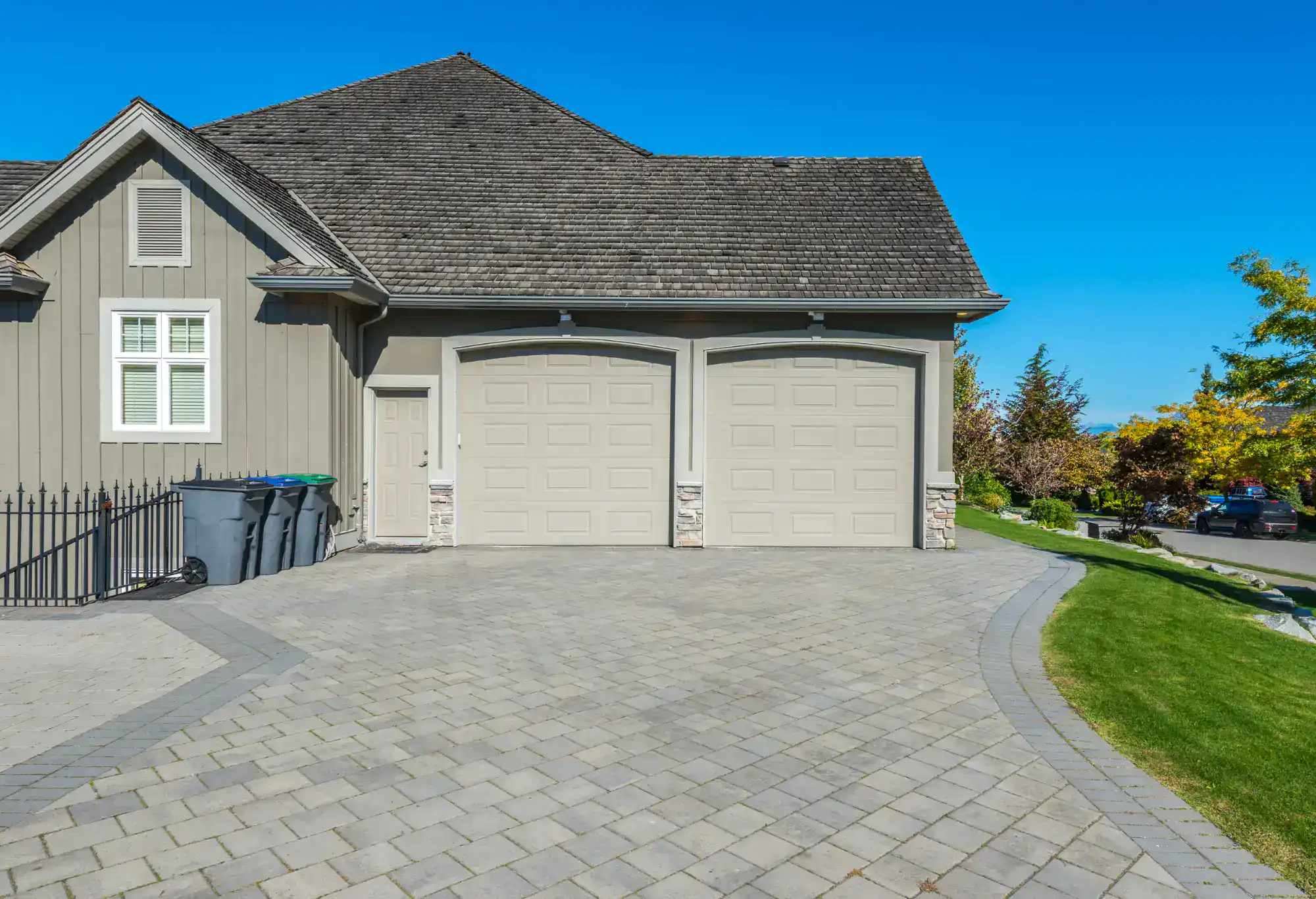
We start with a thorough assessment of your current driveway and drainage situation. Every property in Mastic has unique challenges, and we identify potential issues before they become expensive problems during the paving installation.
Next comes proper excavation and base preparation. This is where most paving contractors cut corners, but it’s the foundation of a driveway that lasts. We excavate to the right depth, install proper base materials, and ensure everything is compacted correctly for Mastic’s soil conditions.
Then we handle permits and local compliance. You don’t need to figure out Suffolk County requirements or chase down approvals. We know what driveway paving projects need permits, how to get them approved quickly, and what inspections are required. The work moves forward without delays or compliance issues.
Ready to get started?
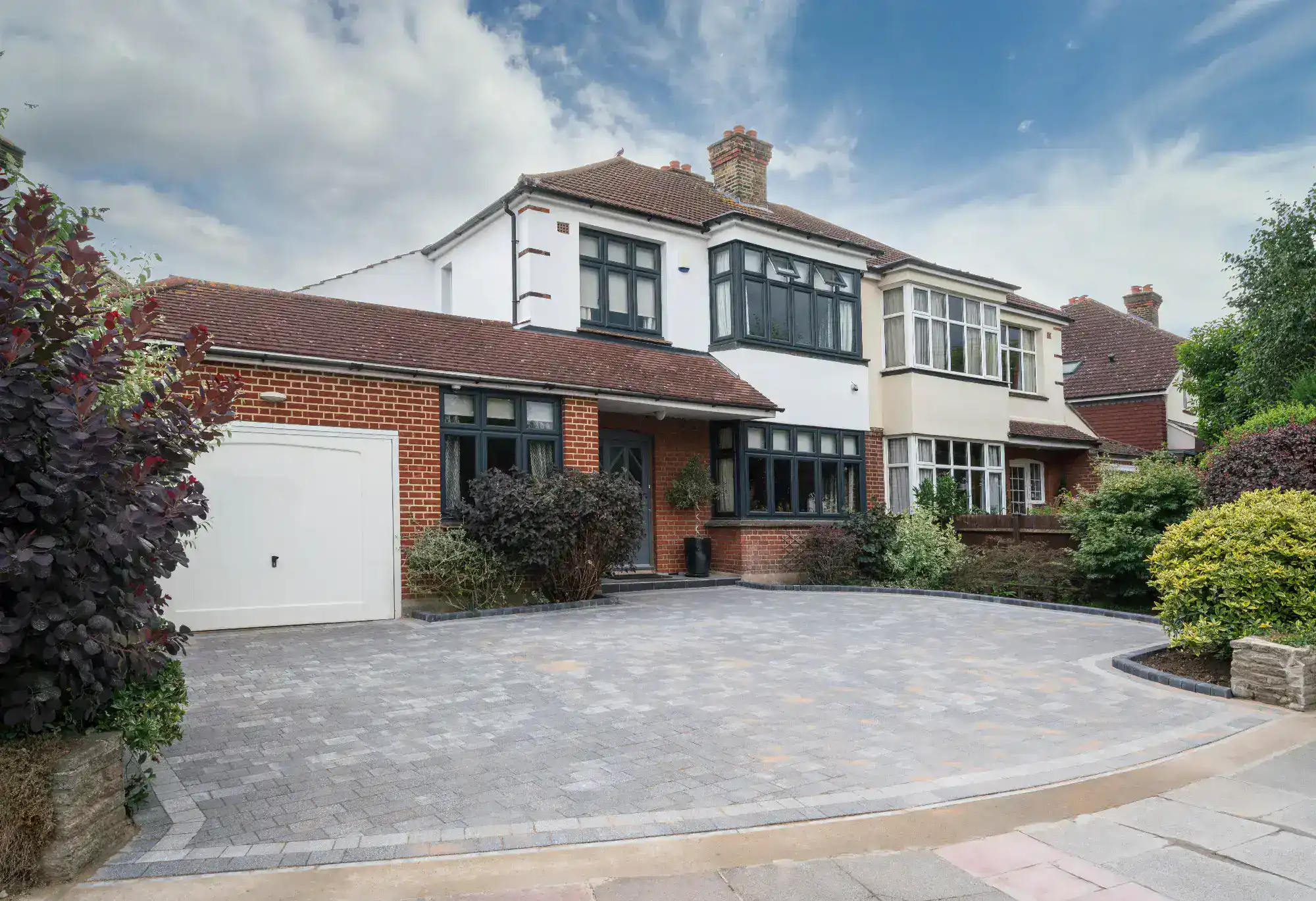
We work with asphalt paving, concrete, and paver installations designed specifically for Long Island conditions. Asphalt handles our freeze-thaw cycles well and costs less initially. Concrete lasts longer overall but requires more upfront investment. Brick paving and patio pavers offer the most design flexibility and can be repaired individually if needed.
For Mastic’s clay soil and drainage challenges, proper base preparation matters more than the surface material. We use materials that won’t shift when the ground moves and paving installation methods that account for our local weather patterns.
Many homes in Mastic were built in the 1960s-1980s and need drainage improvements along with new driveway paving. We address these issues during installation rather than trying to fix water problems later. This approach prevents the foundation damage and pooling issues that plague many Long Island properties.
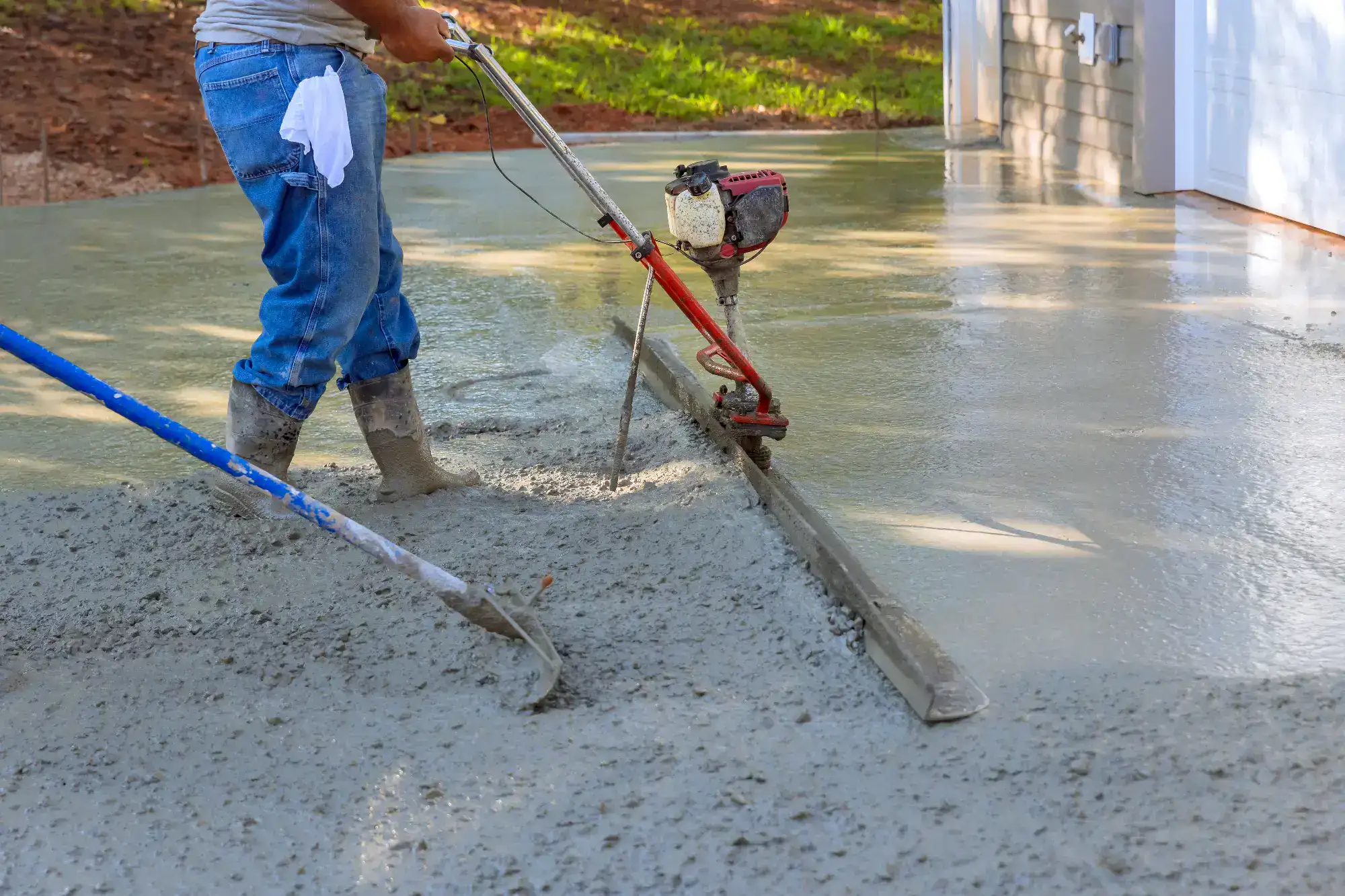
Most driveway paving installations take 2-4 days depending on size and weather conditions. Simple asphalt paving replacements often finish in 2 days, while larger projects with extensive drainage work or brick paving may take 3-4 days.
We provide realistic schedules during the initial consultation and keep you updated if anything changes. The key is not rushing the foundation work—that’s what determines how long your driveway lasts. Weather can affect the timeline, especially if we need to wait for proper base compaction.
Suffolk County permits usually take 1-2 weeks for driveway paving projects, which we factor into your timeline from the start. We handle all the permit applications so your paving installation moves forward without delays or compliance issues that could extend the project.
Most driveway paving replacements in Mastic require permits, especially if you’re changing the driveway footprint, altering drainage patterns, or connecting to town roads. The Town of Brookhaven has specific requirements for setbacks, drainage, and materials for paving installation projects.
We handle all permit applications and ensure your driveway paving project meets local codes. This protects you from potential fines and ensures proper inspections are completed. Some HOAs in Mastic also have approval processes for exterior improvements including paving contractors.
Skipping permits might seem like it saves time and money upfront, but it creates problems when you sell your home or need insurance claims. We make sure everything is done properly from the start so your paving installation is fully compliant.
Driveway paving costs vary based on material, size, and site conditions. Asphalt paving typically runs $7-15 per square foot, concrete costs more upfront but lasts longer, and brick paving offers the most design options at the highest initial investment.
For a typical 600 square foot driveway in Mastic, expect $2,100-2,500 for basic paving installation. Costs can be higher if extensive drainage work or base repair is needed. Patio pavers and brick paving installations cost more but offer superior longevity and design flexibility.
The key is understanding total cost of ownership, not just initial price. Proper paving installation might cost more upfront but saves thousands in repairs and early replacement over the years. We provide detailed written estimates after seeing your specific situation and drainage challenges.
Each material has advantages for Long Island conditions. Asphalt paving handles freeze-thaw cycles well and is easier to repair, making it popular for our climate. Concrete lasts longer overall but can crack if the ground shifts underneath during harsh winters.
Brick paving and patio pavers work differently than solid surfaces—each unit expands and contracts independently, distributing stress instead of concentrating it. This flexibility is why you see brick roads from the 1800s still functioning while concrete highways need constant repair.
The most important factor is proper base preparation regardless of surface material. Poor foundation work will cause problems with any paving installation, while quality installation makes any option last longer. We choose materials and methods that account for Mastic’s specific soil and weather conditions.
Wait times depend on your driveway material and weather conditions. Asphalt paving typically needs 24-48 hours before light vehicle traffic, with full curing taking several weeks. Concrete requires 7-10 days before regular use and reaches full strength in 28 days.
Brick paving and paver installations can usually handle light traffic within hours of completion since they don’t require curing time. However, we recommend waiting until joint sand is properly set before heavy use to ensure the paving installation remains stable.
Temperature and humidity affect curing times significantly in Mastic. Hot summer weather can make asphalt soft and sticky, while cold conditions slow the process. We’ll give you specific guidance based on conditions during your paving installation and explain exactly when different types of traffic are safe.
Proper drainage is critical for any driveway paving project, especially in Mastic where we get significant rainfall and deal with clay soil that doesn’t drain well naturally. We evaluate your property’s natural water flow and identify existing drainage problems during the initial assessment.
Our paving installations include proper grading and drainage solutions so water moves away from your house instead of pooling around the driveway. If needed, we install drainage systems underneath the paving, including perforated pipes, gravel layers, or catch basins to handle Mastic’s drainage challenges.
Many Mastic homes have drainage challenges that weren’t addressed when the original driveway was installed. We fix these issues as part of the new paving installation rather than trying to solve water problems after they cause foundation damage. This comprehensive approach prevents the costly repairs that result from poor drainage planning.