Hear from Our Customers
You get a driveway that handles whatever Long Island weather throws at it. No more water pooling after heavy rain. No more cracks spreading every winter. No more embarrassment when guests pull up to your home.
Your new driveway becomes the kind of entrance that makes neighbors ask who did the work. It adds real value to your property while solving the practical problems you’re tired of dealing with.
Most importantly, you get peace of mind knowing it’s installed right the first time. Proper base preparation, correct drainage, and materials that can handle our clay soil and freeze-thaw cycles.
Corsino Construction Corp has been handling driveway projects throughout Copiague and Suffolk County since 2000. We understand exactly what works in this area and what doesn’t.
Long Island’s clay soil shifts with the seasons. Our flat terrain creates drainage challenges. Winter salt and freeze-thaw cycles destroy surfaces that aren’t installed properly. We’ve figured out the installation methods and material choices that actually last in this climate.
That’s why Copiague homeowners keep referring us to their neighbors. We’re licensed, insured, and local—which means you can find us if you need us, and your neighbors can tell you exactly what kind of work we do.
First, we assess your specific situation—existing conditions, drainage needs, and material options that make sense for your property and budget. You get a detailed written estimate that covers everything, so you know exactly what you’re paying for.
Next comes the foundation work. This is where most problems start, so we excavate to proper depth, handle drainage, and make sure everything is level and stable. We don’t cut corners here because this determines whether your driveway lasts five years or twenty.
Then we install your chosen surface material using techniques specifically designed for Long Island conditions. Whether asphalt, concrete, or pavers, we account for soil movement, drainage patterns, and seasonal changes.
Finally, we clean up completely and walk through everything together. You get maintenance instructions and warranty information. Most residential projects take 2-4 days from start to finish, weather permitting.
Ready to get started?
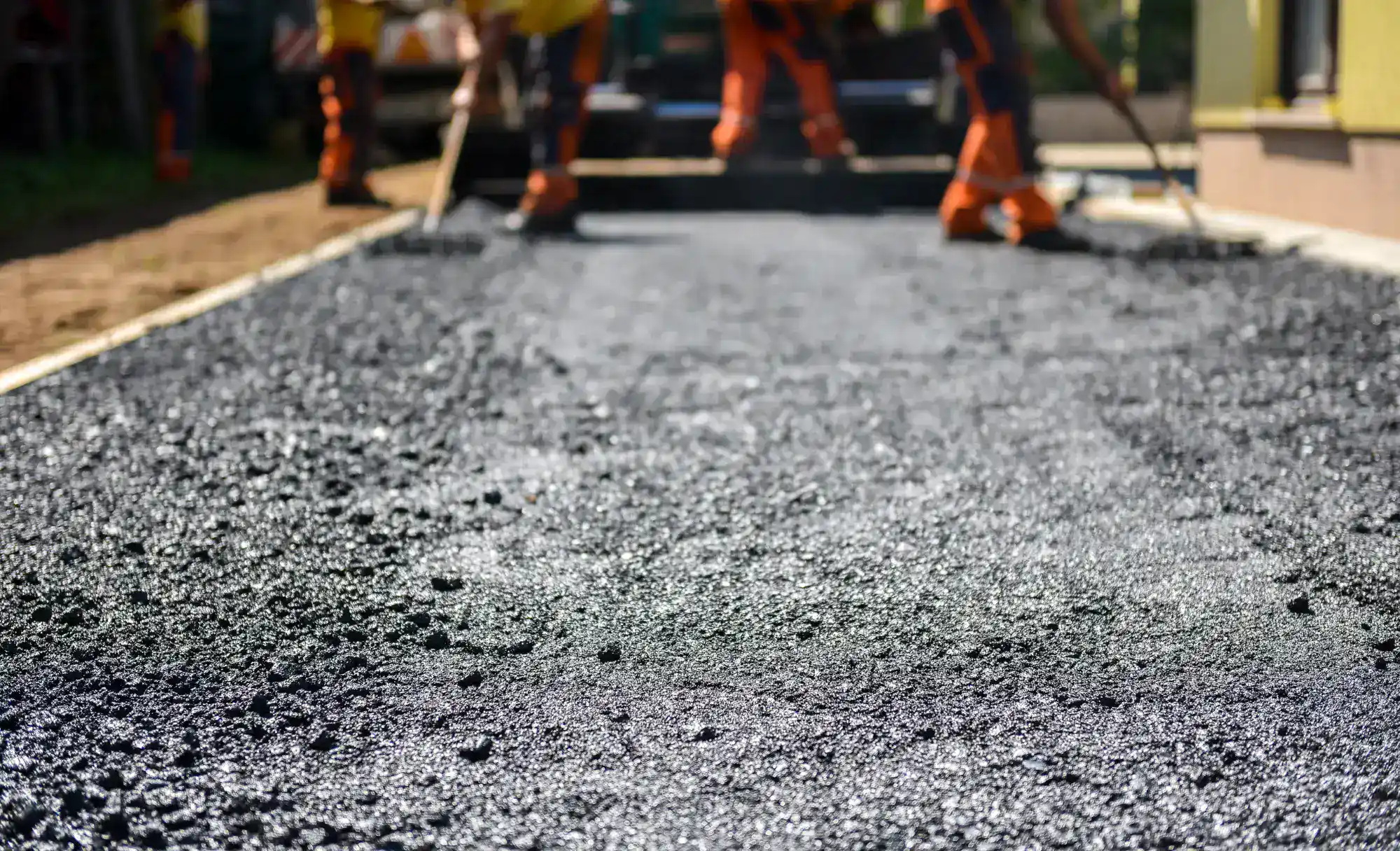
Asphalt driveways work best for most Copiague homes because they handle our climate well and cost less upfront. They need seal coating every 3-5 years but provide excellent durability when installed with proper drainage and base preparation.
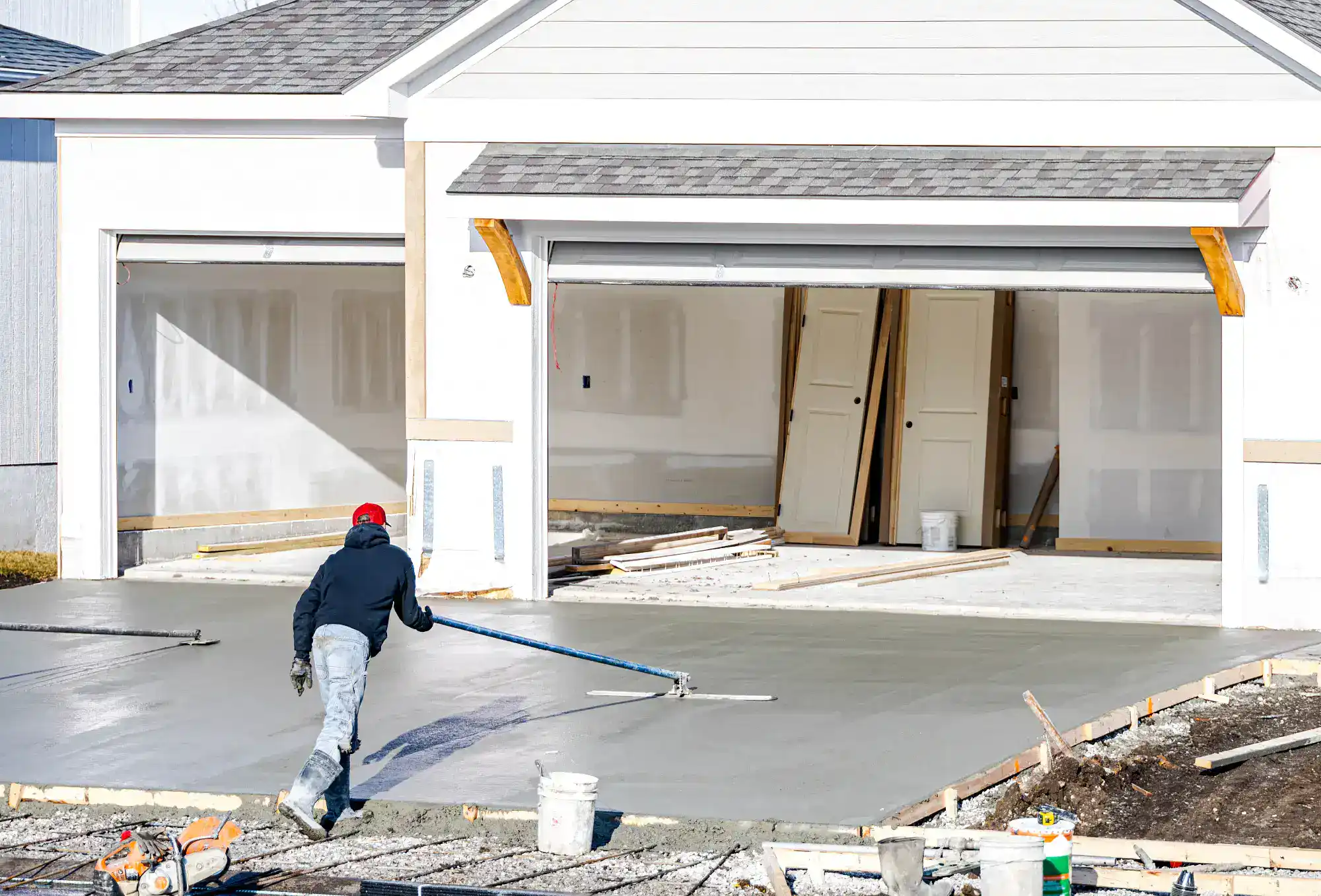
Concrete offers more design options and can last longer, but it’s more susceptible to cracking from salt damage and freeze-thaw cycles. It costs more initially but requires minimal maintenance when properly installed.
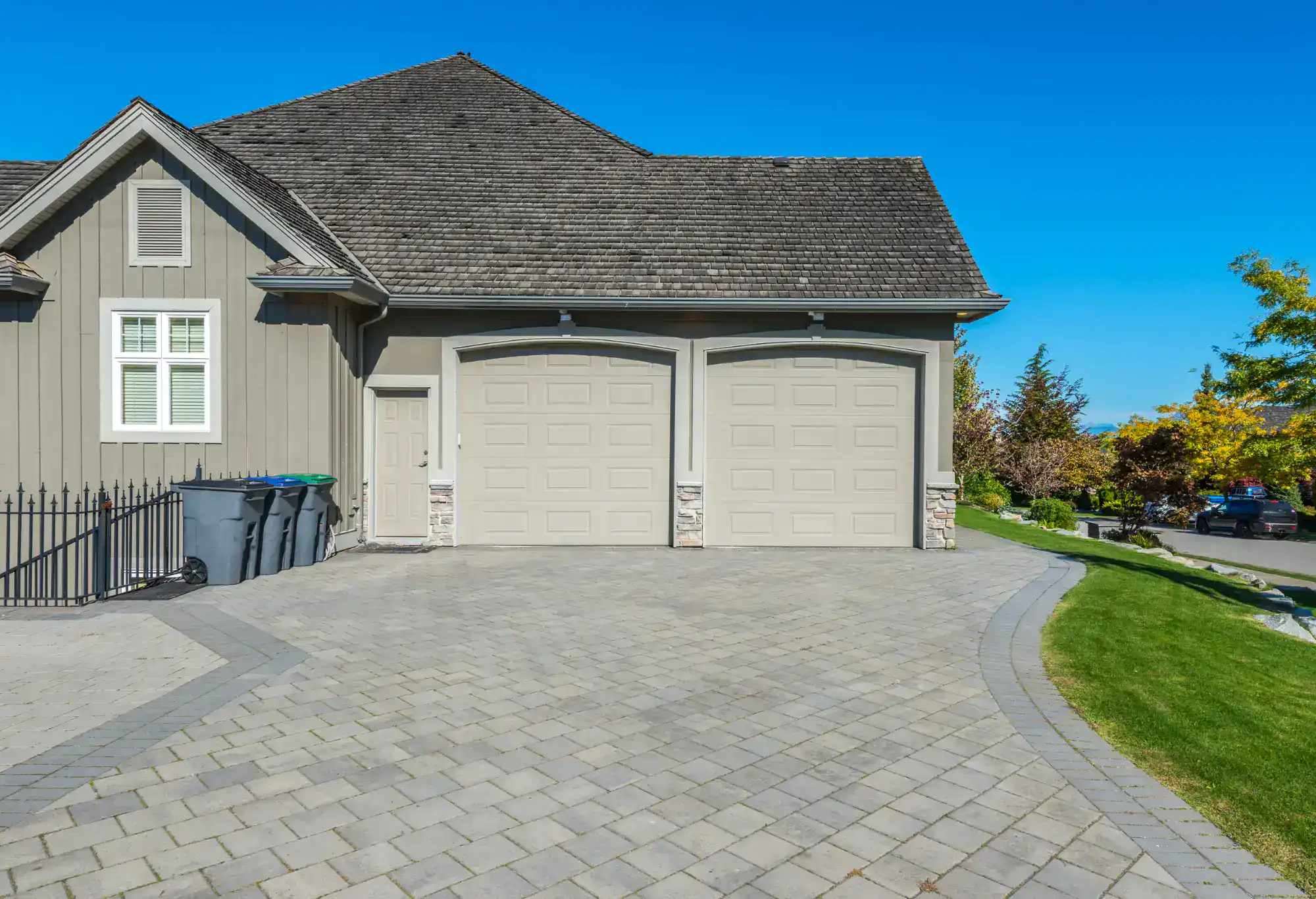
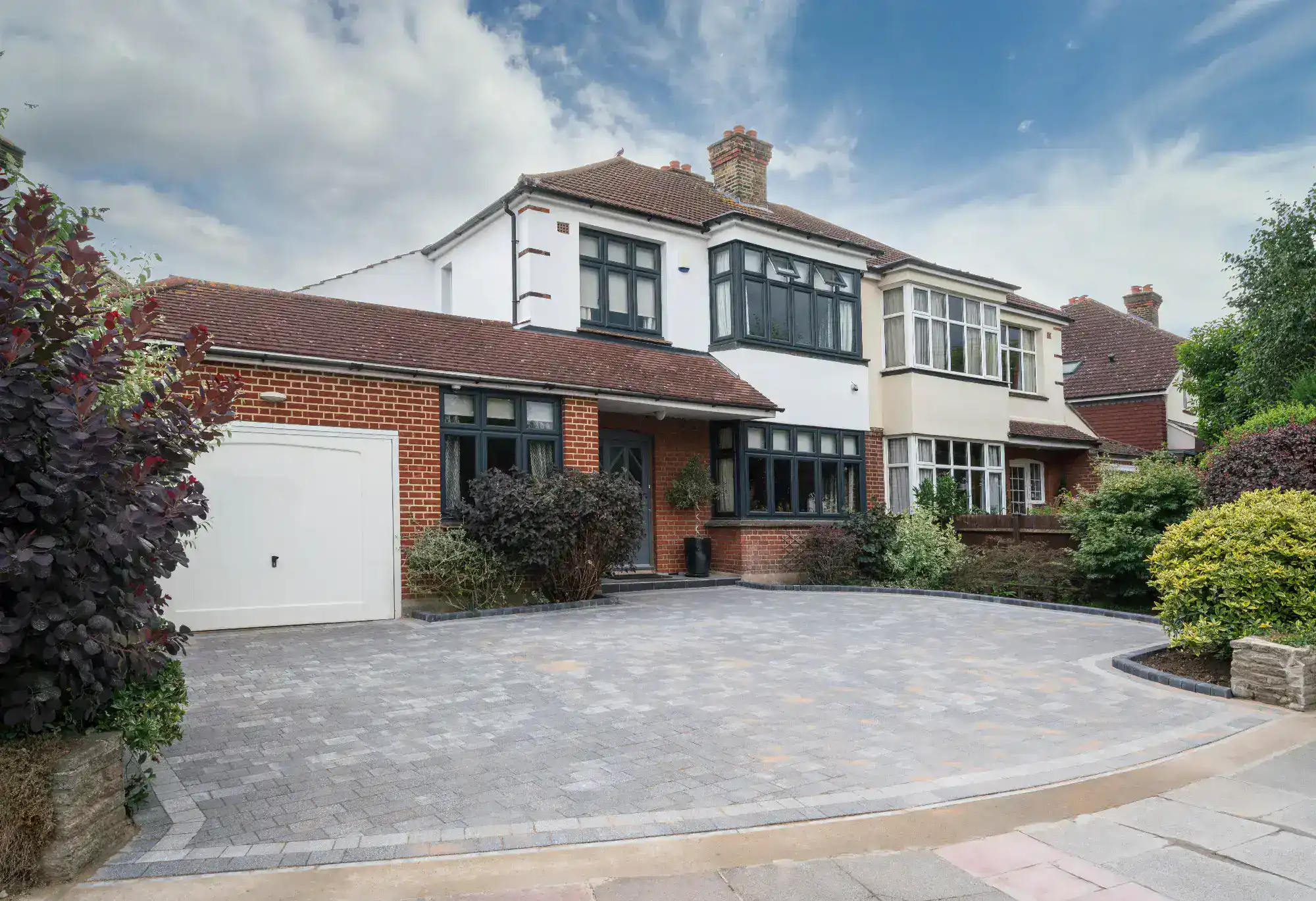
Paver driveways provide the most flexibility during ground movement and offer superior curb appeal. Individual pavers can shift slightly during freeze-thaw cycles without cracking, unlike concrete. They’re the most expensive option but also the most durable for our local conditions.
All options require proper base preparation and drainage work. The material choice matters less than the quality of installation—specifically the foundation work you can’t see once the project is complete.
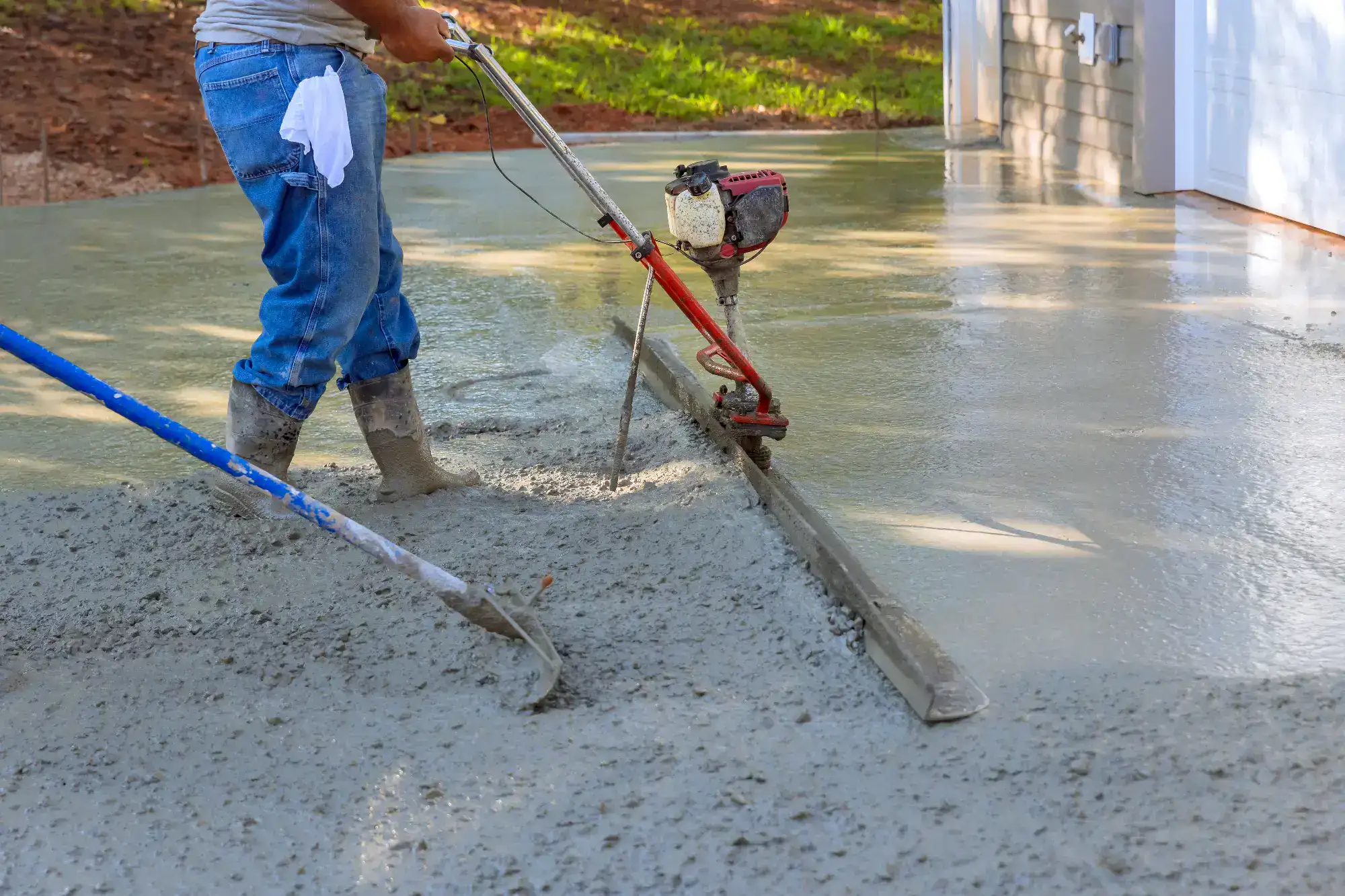
Driveway paving costs vary significantly based on size, material choice, and site preparation requirements. Basic asphalt installations typically start around $3-5 per square foot, while concrete runs $4-8 per square foot, and paver installations range from $8-15 per square foot.
However, these numbers don’t include excavation, base preparation, or addressing drainage issues, which can add substantial costs. Properties with poor drainage, difficult access, or extensive preparation needs will cost more.
The best approach is getting detailed estimates that include all necessary work, not just surface installation. Professional installation focuses on base preparation, proper drainage, and appropriate material thickness—the expensive work that happens before you see any surface material but determines long-term durability.
Most residential driveway paving projects take 2-4 days from start to finish, depending on size and complexity. Day one typically involves excavation and base preparation, which is crucial for long-term durability. Day two covers base installation and compaction.
The final day or two handle surface installation and finishing work. Weather can affect timing, especially for asphalt installation which requires dry conditions. Concrete projects may need additional curing time before you can drive on them.
We provide realistic timelines upfront and keep you updated if anything changes. The permit process can add 1-2 weeks before construction begins, but we handle all paperwork and scheduling with local inspectors so there’s no delay on your end.
Most driveway replacements in existing locations don’t require permits, but new driveways or significant expansions typically do. If your project involves changing drainage patterns, connecting to public roads, or expanding beyond existing footprints, permits are usually required.
Town of Babylon building department handles permits for Copiague, and requirements can vary based on property size and specific circumstances. Some projects also need to comply with setback requirements and drainage regulations.
We handle permit applications when required and ensure all work meets local building codes. It’s always better to check requirements upfront rather than deal with compliance issues later. We’re familiar with local requirements and will identify any permit needs during your initial consultation.
Asphalt driveways typically cost less upfront and are easier to repair if needed. They’re also more flexible, which helps them handle ground movement during freeze-thaw cycles better than concrete. Asphalt needs seal coating every 3-5 years to protect against water penetration and UV damage.
Concrete offers more design options and can last longer with proper installation, but it’s more susceptible to cracking from salt and freeze-thaw damage. Concrete also costs more upfront but requires minimal maintenance beyond occasional sealing and prompt attention to any cracks.
For most Copiague homeowners, asphalt provides the best balance of durability, cost, and climate suitability. The key with either material is proper base preparation and drainage work. Poor installation will cause problems regardless of whether you choose asphalt or concrete.
If more than 30% of your driveway surface shows significant cracking, settling, or drainage issues, replacement usually makes more sense than patching. Surface cracks less than a quarter-inch wide can often be sealed effectively.
But if you’re seeing alligator cracking, areas where the surface is breaking apart, or sections that have settled and create water pooling, those indicate base failure. Patching these problems is temporary at best because the underlying foundation issues remain.
Also consider the age and overall condition of your driveway. If you’re constantly dealing with new problems every year, replacement becomes more cost-effective than ongoing repairs. We can assess your specific situation during a consultation and recommend the most practical approach for your property and budget.
Wait times depend on the material you choose. Asphalt driveways typically need 24-72 hours before you can drive on them, though walking is usually fine after just a few hours. Hot weather can extend curing time, while cooler temperatures may speed it up.
Concrete driveways require about a week for proper curing before vehicle traffic. You can usually walk on concrete after 24-48 hours, but full strength takes several days to develop. Driving too early can cause permanent damage to the surface.
Paver driveways can typically handle foot traffic immediately and vehicle traffic within hours of completion. The individual pavers don’t require curing time like poured materials. We provide specific guidance based on your chosen material and current weather conditions to ensure your new driveway performs as expected.