Asphalt Paving & Sealcoating Suffolk County

Driveways Built to Survive Long Island Weather
Your driveway handles freeze-thaw cycles, coastal moisture, and heavy traffic better when it’s built right from the ground up—with proper drainage, licensed crews, and zero shortcuts.
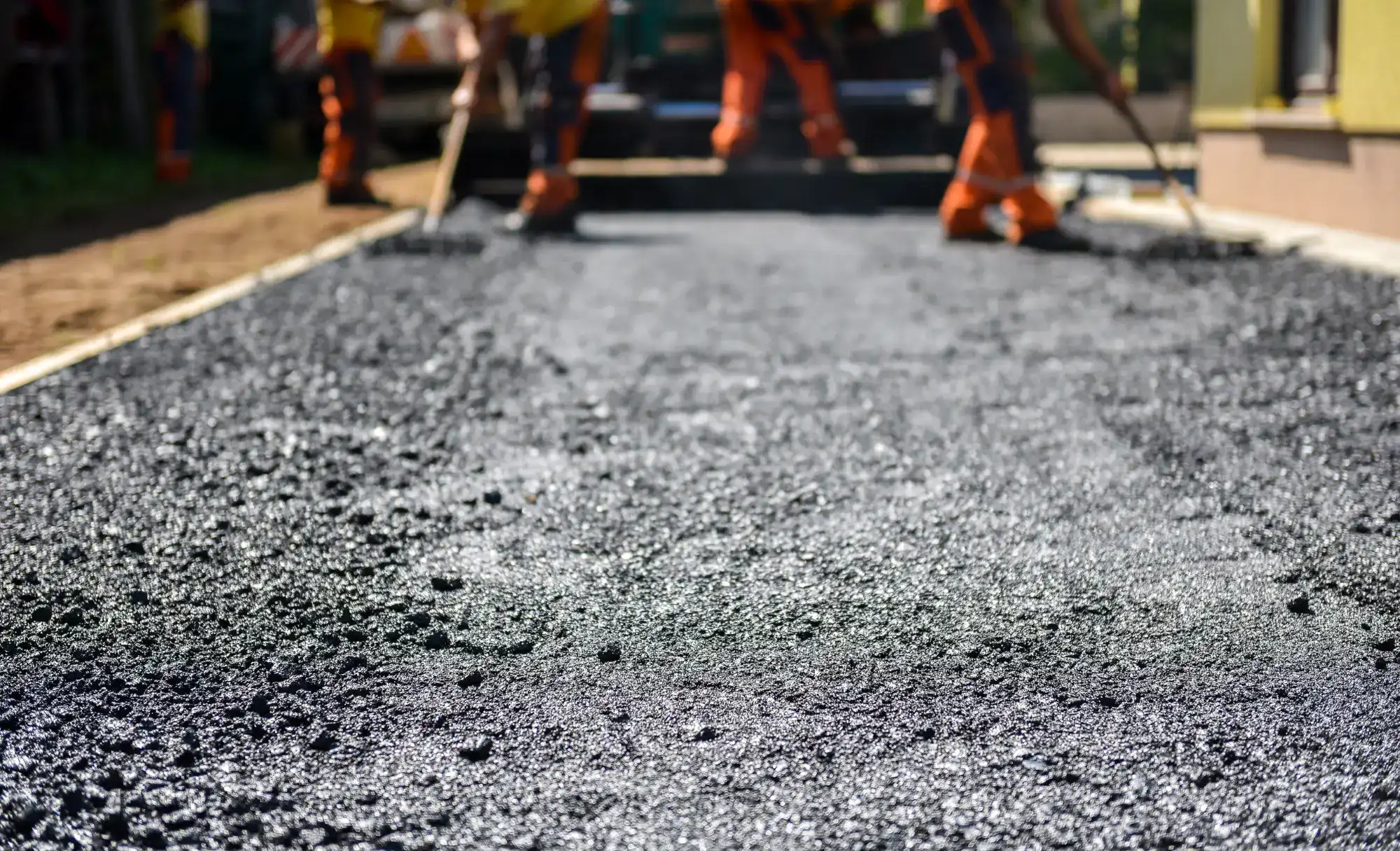
Close-up of freshly laid asphalt with a rough texture as construction workers in orange uniforms and boots, like those from a home remodeler Suffolk County, NY, smooth the surface using tools in the background.

Licensed Crews Only

Every person on your job is a licensed professional on our payroll. No subcontractors, no surprises, just consistent quality you can count on.

Fixed Pricing Upfront

You'll know exactly what you're paying before we start. No change orders, no hidden fees, no last-minute add-ons that weren't in the original quote.

Proper Base Preparation

We excavate deep, compact thoroughly, and grade for drainage. Most driveways that fail early have foundation problems, not surface problems. We fix that.

Over 20 Years Experience

Since 2000, we've been handling Suffolk County's toughest paving challenges. We know the soil, the climate, and what actually works long-term here.
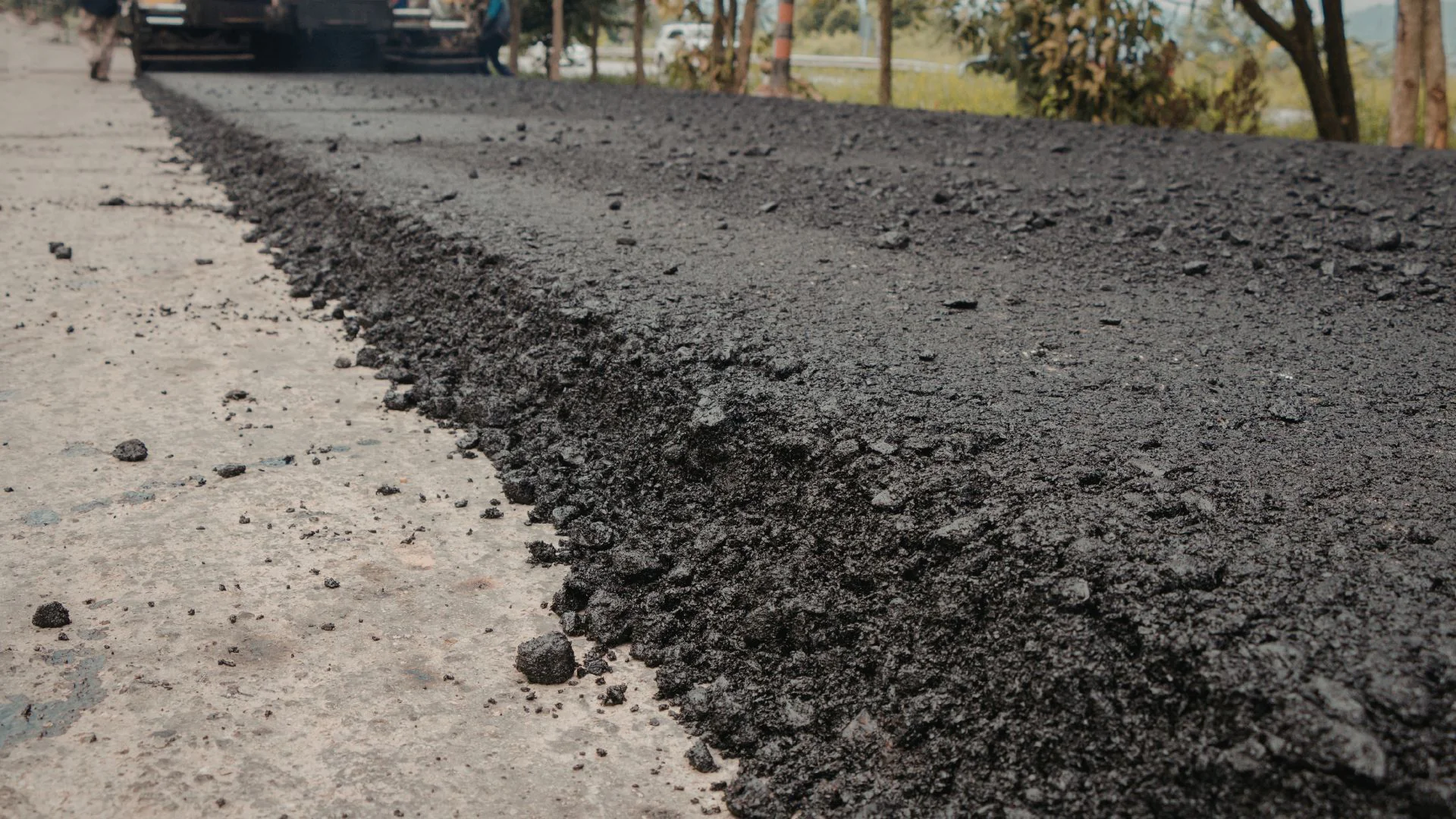
A close-up view of fresh asphalt being laid on a NY road, with a clear contrast between the new black surface and the old pavement. Construction equipment and greenery are visible in the blurred background—a scene familiar to any home remodeler Suffolk County.

Asphalt Paving Contractors Suffolk County

What Asphalt Paving and Sealcoating Actually Means

Asphalt paving is the process of installing a new driveway surface or replacing an old one that’s beyond repair. It starts with excavation, then a compacted gravel base, then hot-mix asphalt that’s graded for proper drainage. Sealcoating is the protective layer applied every few years to block out water, UV rays, and chemicals that break down asphalt over time. Together, they’re how you get a driveway that lasts 20 to 30 years instead of cracking apart in five. Most homeowners in Suffolk County need one or both at some point—whether it’s a full replacement, an overlay to refresh the surface, or regular sealcoating to protect what’s already there. We handle all of it. New installs, resurfacing, crack repair, and sealcoating. If it’s asphalt and it’s in your driveway, we know how to make it last.

Hear from Our Customers

Driveway Sealcoating Service Benefits

What You Get When It's Done Right

A driveway that doesn’t need constant attention. One that handles Long Island winters without turning into a pothole minefield every spring. One that looks good and actually works.

Your driveway won't crack apart after the first freeze-thaw cycle because we build the base to handle Suffolk County's coastal moisture and temperature swings.

You'll stop throwing money at patch jobs that don't last because proper sealcoating every few years prevents the damage before it starts.

Water drains away from your foundation instead of pooling in your driveway and seeping into the base where it causes settling and cracks.

Your asphalt stays black and smooth for years instead of fading to gray and developing that worn-out look that screams "I need work."

You'll get 20 to 30 years out of a properly maintained asphalt driveway instead of replacing it every decade because someone skipped the prep work.

You'll know exactly what you're paying upfront with fixed pricing and licensed crews—no subcontractors showing up with different standards or surprise charges at the end.

A bold white number 1 centered inside a solid black circle, on a plain white background—ideal for showcasing your home remodeler Suffolk County, NY brand with modern simplicity.

Share project details

Call us or get a free online quote to help us identify your project needs.

A bold white number 2 centered inside a solid black circle on a plain background, ideal for NY home remodeler Suffolk County branding.

We'll follow up

If you requested an online quote, you can expect a callback within 24-48 hours of your request.

A bold white number 3 centered inside a solid black circle on a white background, perfect for any home remodeler Suffolk County, NY seeking striking design elements.

The floor is yours

Connect with an expert and share all project specifics.

A large white number 4 centered inside a solid black circle, resembling a bold logo often used by top home remodelers in Suffolk County, NY, with no other markings or background elements.

Plan your project

Like what you hear? We'll provide next steps and expert guidance.
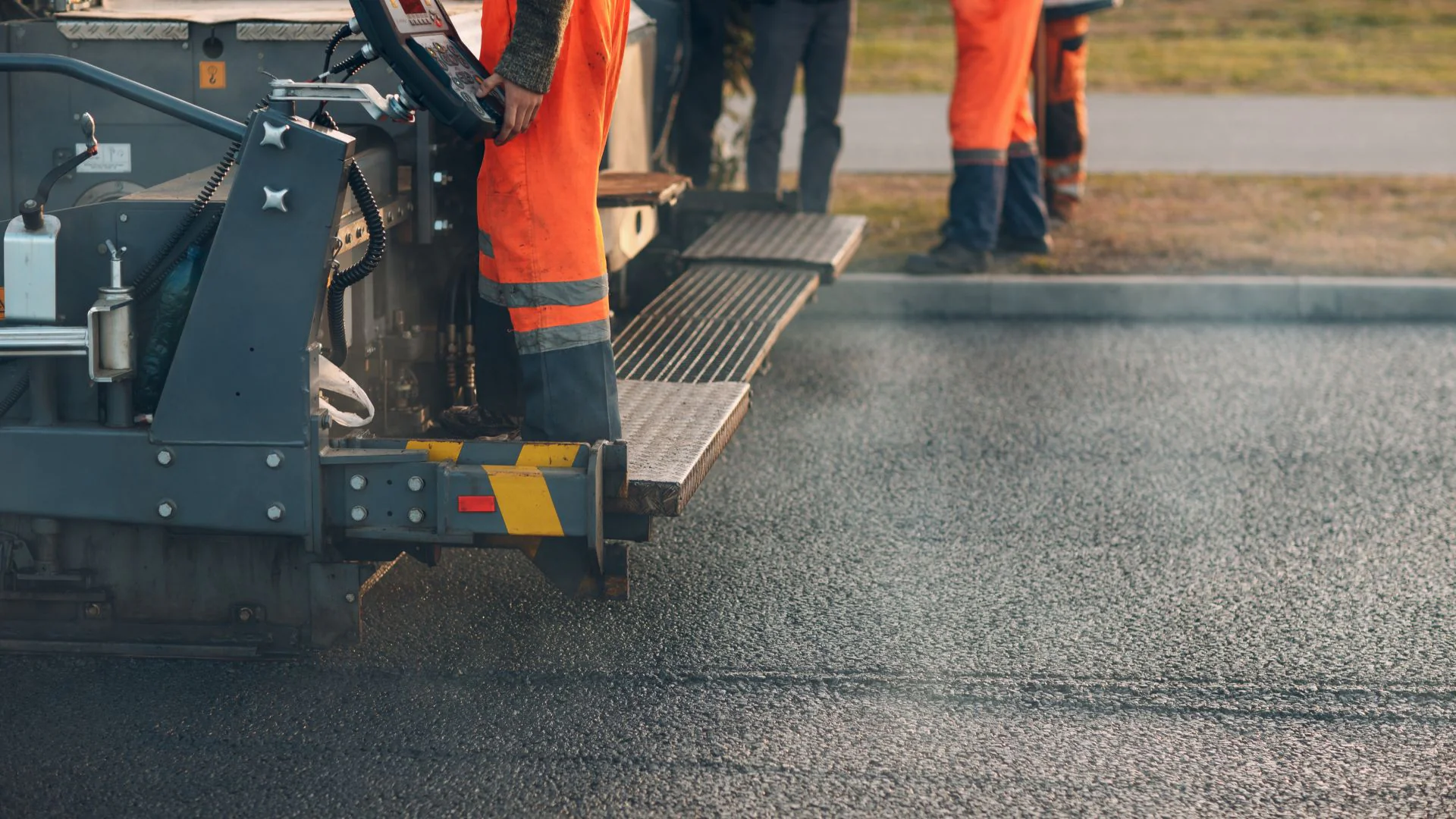
Workers in orange safety uniforms operate heavy machinery to lay fresh asphalt on a NY road, with steam rising from the new surface and other workers, including a home remodeler Suffolk County crew, visible in the background.

Blacktop Driveway Installation Suffolk County

Why Base Preparation Matters More Than You Think

Here’s what most people don’t realize: the asphalt you see on top is only half the job. What’s underneath determines whether your driveway lasts three years or thirty. Suffolk County’s sandy soil and coastal conditions create challenges that don’t exist inland. You need excavation to at least 8 to 10 inches, followed by compacted gravel base and proper edge restraints. Skip any of that and you’re looking at settling, cracking, and water damage within a few years—no matter how good the asphalt looks when it’s fresh. We don’t skip it. Every job starts with proper excavation and drainage evaluation. We check the slope, test the soil, and make sure water has somewhere to go that isn’t under your driveway. Because once water gets into the base during winter, it freezes, expands, and pushes everything up from below. That’s how you get those dips and cracks that turn into expensive repairs. Most driveways that fail early have foundation issues, not surface problems. We make sure yours doesn’t.

Asphalt Resurfacing and Repair Options

When to Resurface vs. Replace Your Driveway
If your driveway has surface cracks, fading, or minor wear but the base is still solid, resurfacing is the smarter move. We apply a new layer of asphalt over the existing surface—usually 1.5 to 2 inches thick—and you get a fresh driveway for a fraction of the cost of full replacement. But if you’ve got deep cracks, potholes, or areas where the driveway is sinking, that’s a base problem. Resurfacing won’t fix it. You need full removal and replacement with proper excavation and a new compacted base. We’ll tell you which one you actually need. Not which one makes us more money, but which one solves your problem long-term. Sometimes that’s a simple overlay. Sometimes it’s crack filling and sealcoating. And sometimes, yeah, you need to start over. What you get either way: licensed crews, proper materials, and work that’s graded for drainage so you’re not back here in two years dealing with the same issues.
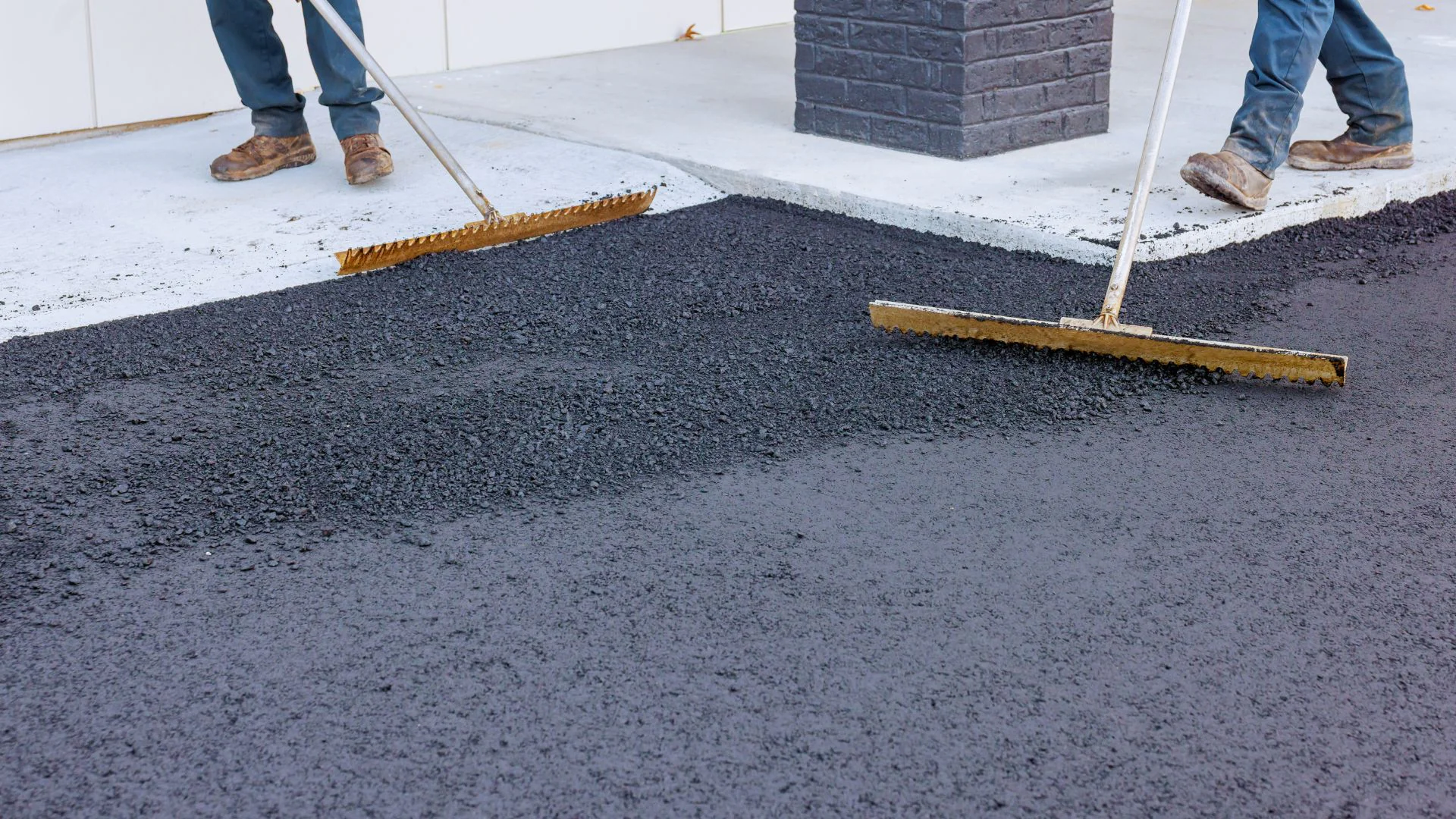
Two workers, possibly part of a home remodeler Suffolk County, NY crew, use large rakes to spread fresh asphalt on a road near a sidewalk and brick pillar. Only their legs and feet are visible in the image.
Asphalt Paving & Sealcoating FAQs

Common Questions About Our Service

A properly installed asphalt driveway in Suffolk County typically lasts 20 to 30 years with regular maintenance. The key word there is "properly installed." That means proper excavation depth (at least 8 to 10 inches in our sandy coastal soil), a compacted gravel base, correct grading for drainage, and hot-mix asphalt applied at the right thickness. If any of those steps get skipped, you're looking at a much shorter lifespan. Long Island's freeze-thaw cycles are brutal on driveways. Temperatures swing above and below freezing multiple times in a single week during winter, which causes water in cracks to expand and contract. That's what creates potholes and major damage. The way you combat that is with a solid foundation that doesn't let water pool underneath and regular sealcoating every two to three years to keep the surface protected. Do that, and you'll get decades out of your driveway instead of needing major repairs every five years.
Asphalt paving is a full installation—we remove everything down to the dirt, excavate to the proper depth, install a compacted gravel base, and then lay fresh hot-mix asphalt on top. You're starting from scratch. Asphalt resurfacing, also called an overlay, is when we apply a new layer of asphalt (usually 1.5 to 2 inches thick) over your existing driveway. It works when the base underneath is still structurally sound but the surface is worn, faded, or has minor cracks. Resurfacing costs less and takes less time, but it only works if the foundation is solid. If you've got deep cracks, potholes, or areas where the driveway is sinking or heaving, that's a base problem. Putting new asphalt over a failing base is like putting a fresh coat of paint on rotten wood—it looks good for a minute, then falls apart. We'll evaluate your driveway and tell you which option actually makes sense. Sometimes resurfacing is perfect. Sometimes you need full replacement. Either way, we're not going to sell you something that won't last.
Every two to three years is the standard recommendation, but it depends on a few factors—how much traffic your driveway sees, how much sun exposure it gets, and how harsh the winters are. In Suffolk County, with our freeze-thaw cycles and coastal conditions, staying on the two-to-three-year schedule makes sense. Sealcoating creates a protective barrier that blocks out UV rays, water, oil, and chemicals. Without it, asphalt dries out, fades to gray, and starts to crack. Once cracks form, water gets in, and that's when you start seeing real damage—especially during winter when that water freezes and expands. A fresh sealcoat fills in small surface cracks, restores the black color, and extends the life of your driveway significantly. It's one of those maintenance tasks that feels optional until you skip it a few times and end up needing major repairs. Think of it like changing the oil in your car. You can skip it and save money short-term, but you'll pay for it later. Regular sealcoating is cheap insurance that keeps your driveway looking good and functioning properly for decades.
Yes, we can install asphalt over concrete, but it's not always the best option. The concrete underneath needs to be in decent shape—no major cracks, settling, or heaving. If the concrete is already failing, putting asphalt on top won't fix the underlying problem. You'll just end up with asphalt that cracks in the same places the concrete did. When it does make sense, we clean the concrete surface thoroughly, apply a tack coat to help the new asphalt bond, and then lay the hot-mix asphalt on top. It can work well, especially if you want the flexibility and appearance of asphalt but don't want to deal with the cost and mess of removing all that concrete. That said, if your concrete driveway has drainage issues, structural problems, or significant cracking, you're better off removing it completely and starting fresh with proper excavation and a compacted base. We'll come out, evaluate what you've got, and give you an honest recommendation. Sometimes an overlay works great. Sometimes it's a waste of money and you need to start over.
Potholes form when water gets into the base layer of your driveway, freezes, expands, and weakens the structure from below. Once that happens, the asphalt on top loses support and starts to break apart under the weight of vehicles. It usually starts with small cracks on the surface. Water seeps in through those cracks, works its way down to the base, and then freezes during winter. In Suffolk County, where temperatures swing above and below freezing constantly, this freeze-thaw cycle happens over and over, making the problem worse each time. The best way to prevent potholes is to stop water from getting into the base in the first place. That means proper drainage during installation, regular sealcoating to fill surface cracks before they get bigger, and crack filling as soon as you notice any damage. If your driveway was installed without proper base preparation or grading, you're more likely to get potholes no matter what you do. That's why we focus so much on the foundation work—excavation depth, compacted base, and drainage. Get that right, and potholes become a lot less likely.
For a standard residential driveway in Suffolk County, you're looking at roughly $4 to $6 per square foot for new asphalt installation. That includes excavation, gravel base, compaction, and hot-mix asphalt. A typical two-car driveway of about 600 square feet runs between $2,400 and $3,600. Resurfacing costs less—usually $3 to $5 per square foot—because you're not tearing everything out and starting over. You're just adding a new layer of asphalt on top of the existing surface, assuming the base is still solid. Sealcoating is even more affordable, usually a few hundred dollars depending on the size of your driveway. The actual cost depends on the size of your driveway, the condition of what's already there, how much excavation is needed, and whether there are drainage issues we need to address. We give fixed-price quotes after evaluating your property, so you know exactly what you're paying before we start. No hidden fees, no surprises at the end. Just straightforward pricing for work that's done right.
A bold white number 1 centered inside a solid black circle, on a plain white background—ideal for showcasing your home remodeler Suffolk County, NY brand with modern simplicity.

Site Evaluation and Quote

We come out, check your driveway's condition, test drainage, and give you a fixed-price quote. No surprises, no upselling—just what you actually need.

A bold white number 2 centered inside a solid black circle on a plain background, ideal for NY home remodeler Suffolk County branding.

Prep and Base Work

We excavate to the proper depth, install compacted gravel base, and grade everything for drainage. This is where most companies cut corners. We don't.

A bold white number 3 centered inside a solid black circle on a white background, perfect for any home remodeler Suffolk County, NY seeking striking design elements.

Paving and Finishing

We lay hot-mix asphalt, compact it properly, and finish the edges. Your driveway is ready to use in a few days, and built to last decades.