Walkway Paving in Medford, NY

Beautiful, Durable Walkways That Last

Professional paver installation that enhances your home’s curb appeal while creating safe, slip-resistant pathways.
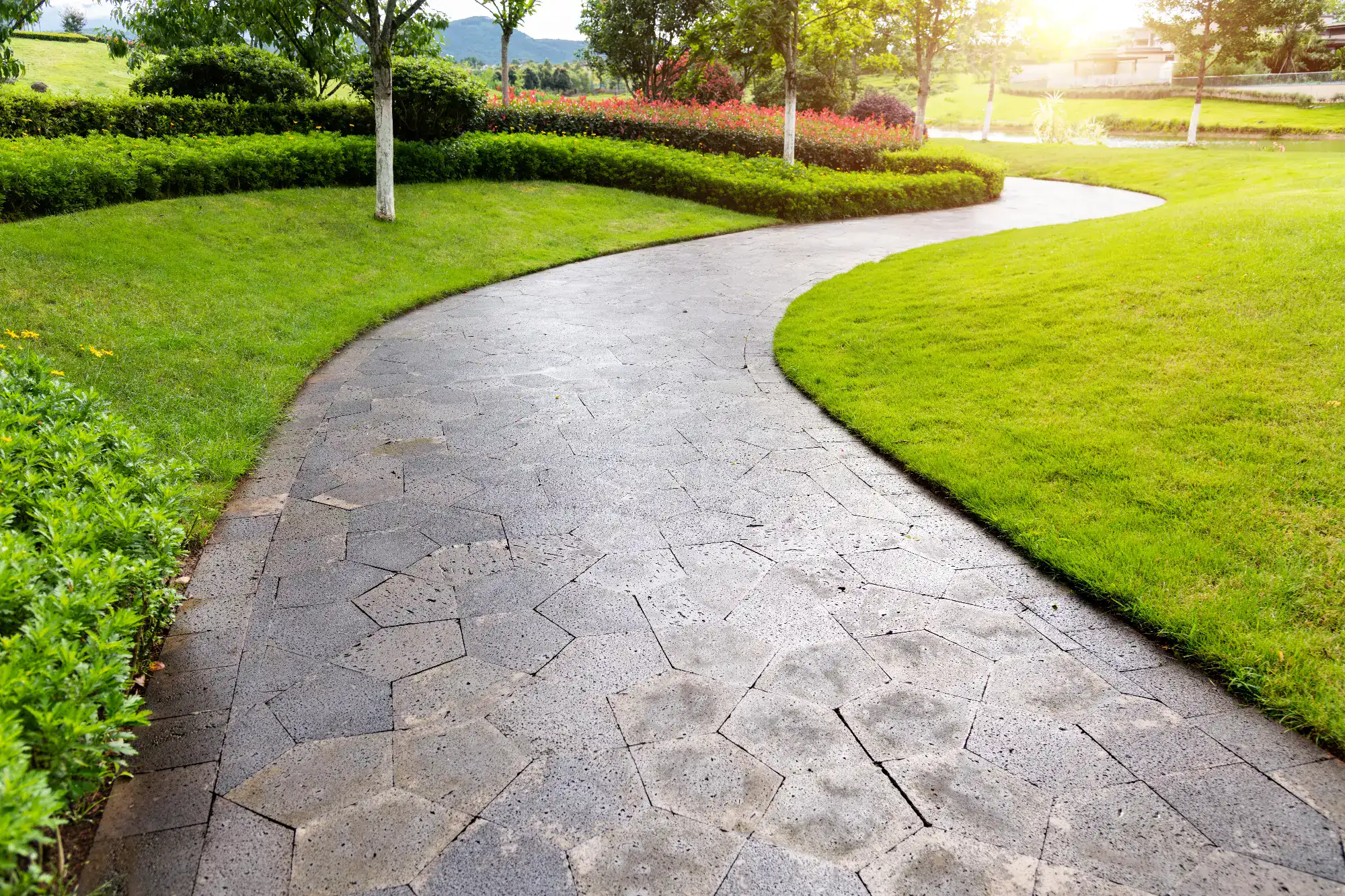
A winding stone path curves through a well-maintained, green park with trees and bushes lining the walkway under a bright, sunny sky—a tranquil scene inspiring any home remodeler Suffolk County, NY to bring outdoor beauty to their next project.

Hear from Our Customers

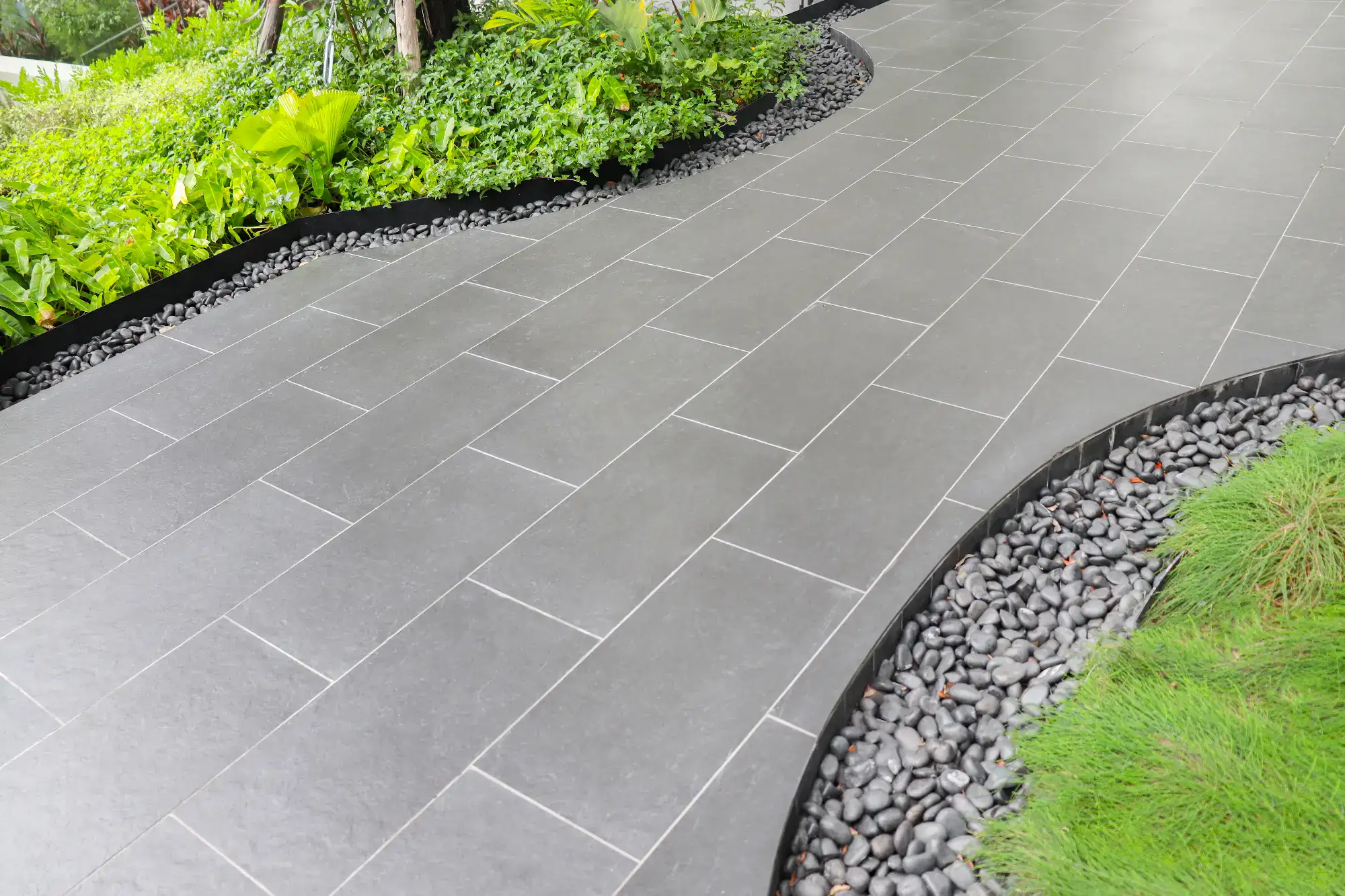
A modern garden pathway designed by a top home remodeler Suffolk County, featuring large, rectangular gray tiles bordered by smooth black pebbles and lush green plants on both sides—an elegant addition to any NY home.

Professional Paver Walkway Installation

Transform Your Home's First Impression

Your walkway sets the tone for your entire property. When it’s cracked, uneven, or outdated, it affects how guests see your home and how you feel about it every day.

A professionally installed paver walkway changes that completely. You get a surface that’s not only beautiful but built to handle Long Island’s freeze-thaw cycles without cracking or settling. The right materials and proper installation mean you’re not dealing with repairs year after year.

Your home looks more polished, more valuable, and more welcoming. Plus, you’ve got peace of mind knowing family and guests can walk safely, even in wet conditions, thanks to the natural slip resistance of quality pavers.

Medford Walkway Paving Contractors

Local Expertise, Professional Results

Corsino Construction Corp has been serving Medford and the surrounding Long Island communities with reliable construction services. We understand the specific challenges that local soil conditions and weather patterns create for hardscaping projects.

Our team focuses on doing the job right the first time, using proper techniques for excavation, base preparation, and drainage that prevent the common problems homeowners face with inferior installations. Our approach is straightforward: quality materials, professional installation, and clear communication throughout your project.
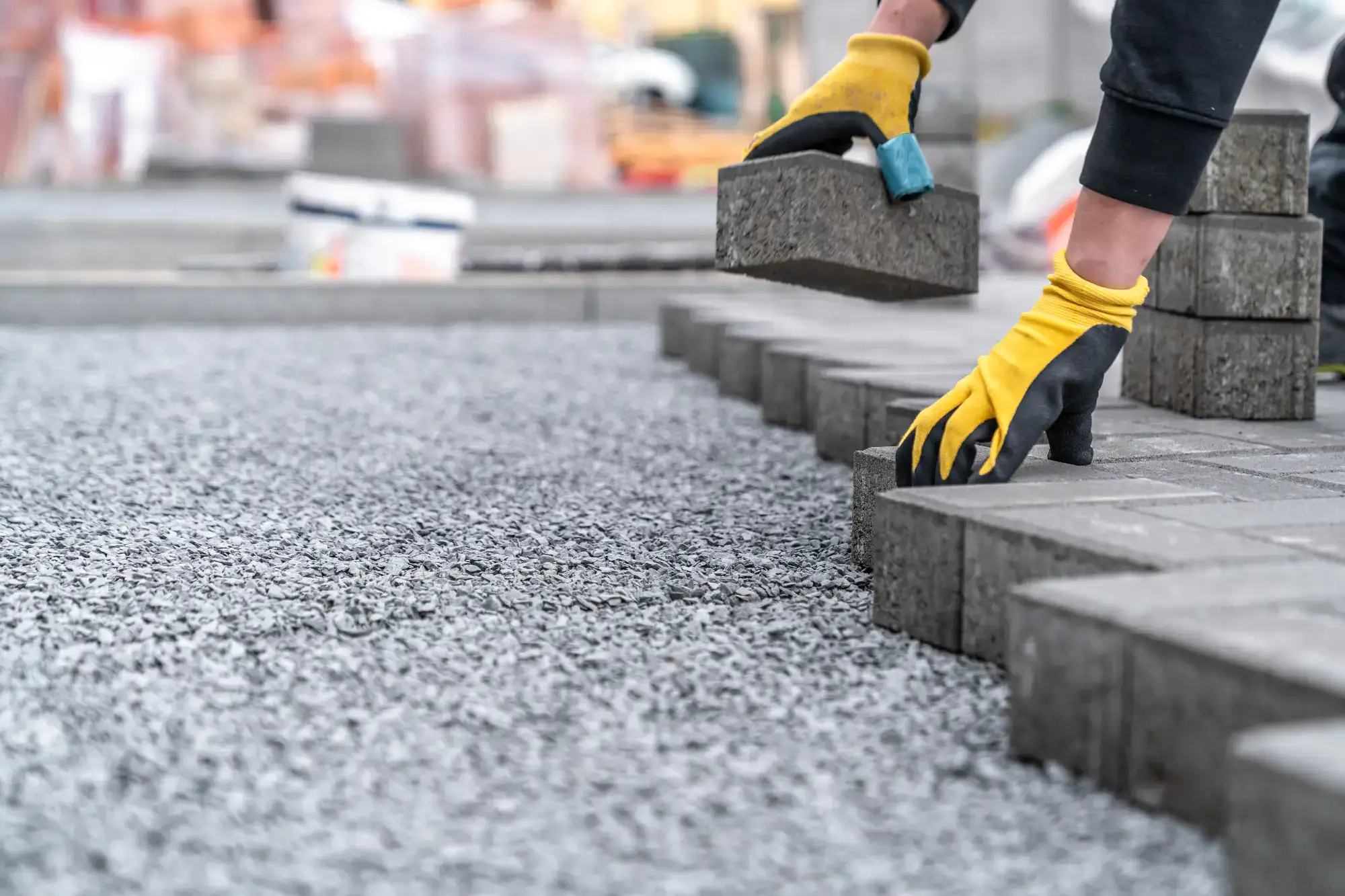
A home remodeler in Suffolk County, NY, wearing yellow gloves, is laying concrete paving stones on a gravel surface, carefully aligning them in rows to create a paved walkway. The background is blurred with construction materials.

Walkway Paver Installation Process

From Planning to Perfect Installation

Every successful walkway project starts with proper planning and site evaluation. We assess your current walkway, drainage patterns, and soil conditions to determine the best approach for your specific situation.

Excavation comes next, removing old materials and digging to the proper depth for a stable base. This isn’t just about removing what’s there—it’s about creating the foundation that prevents settling and shifting over time. Proper base preparation with crushed stone and sand creates the stable platform your pavers need.

Paver installation requires precision and experience. Each paver is set level and properly spaced, with attention to drainage patterns and joint alignment. The final step involves edge restraints and joint sand application, locking everything in place for long-term stability.
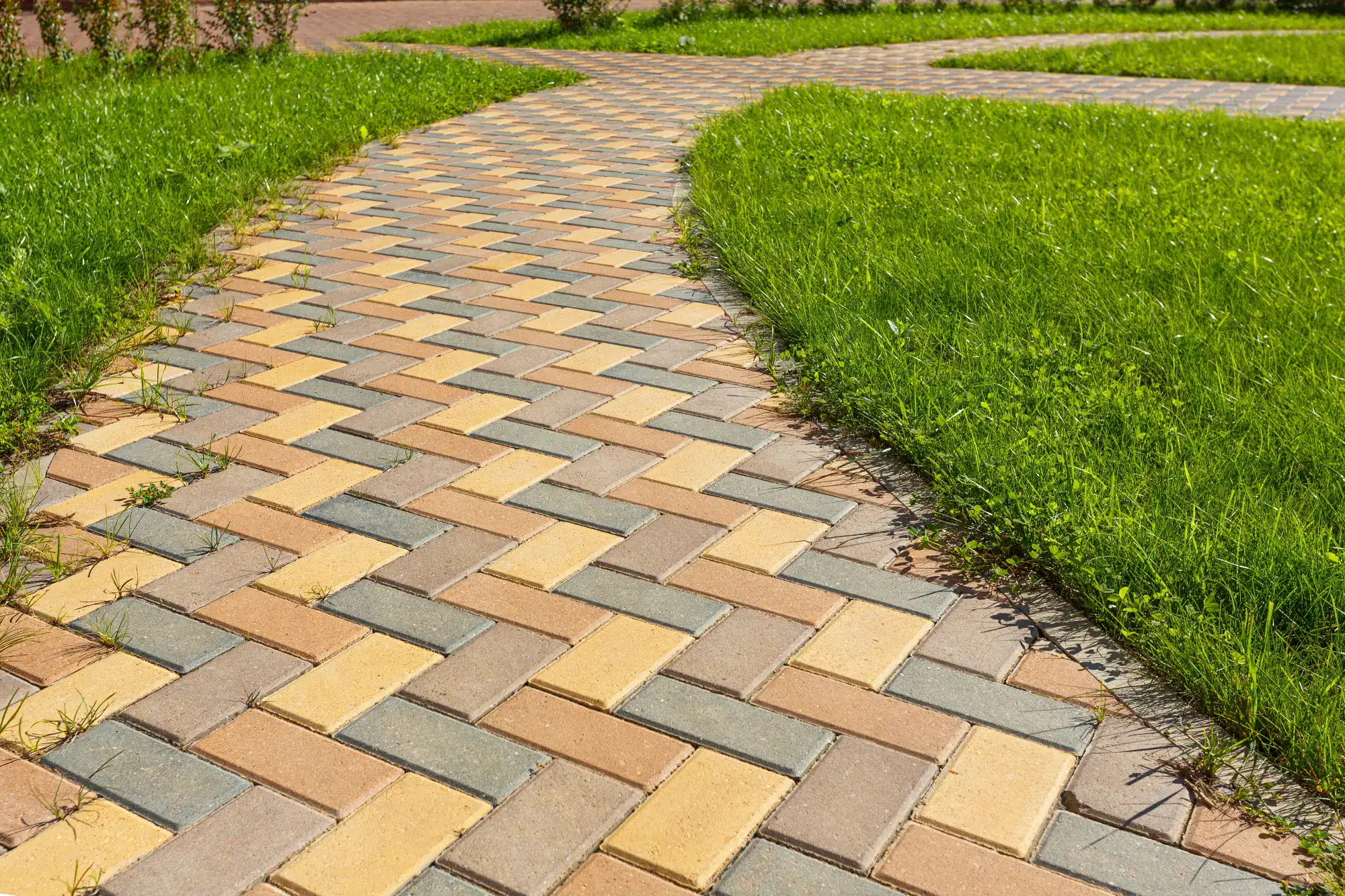
A winding walkway made of yellow, gray, and brown rectangular bricks is bordered by neatly trimmed green grass. Perfect for any NY home remodeler Suffolk County project, the path curves gently through a landscaped area.

Ready to get started?

Explore More Services

About Corsino Construction

Get a Free Consultation

Complete Walkway Paving Services

Everything Included for Lasting Results

Your walkway paving project includes complete site preparation, from excavation to final cleanup. You’re not dealing with multiple contractors or wondering if something was missed—everything needed for a professional installation is handled.

Material selection guidance helps you choose pavers that complement your home’s style while meeting your budget and durability requirements. Whether you prefer classic brick pavers, natural stone, or modern concrete pavers, you get options that work for Long Island conditions.

The installation includes proper drainage solutions, edge restraints, and joint stabilization. These details might not be visible in the finished product, but they’re what separate a professional installation from a job that starts failing in a few years.
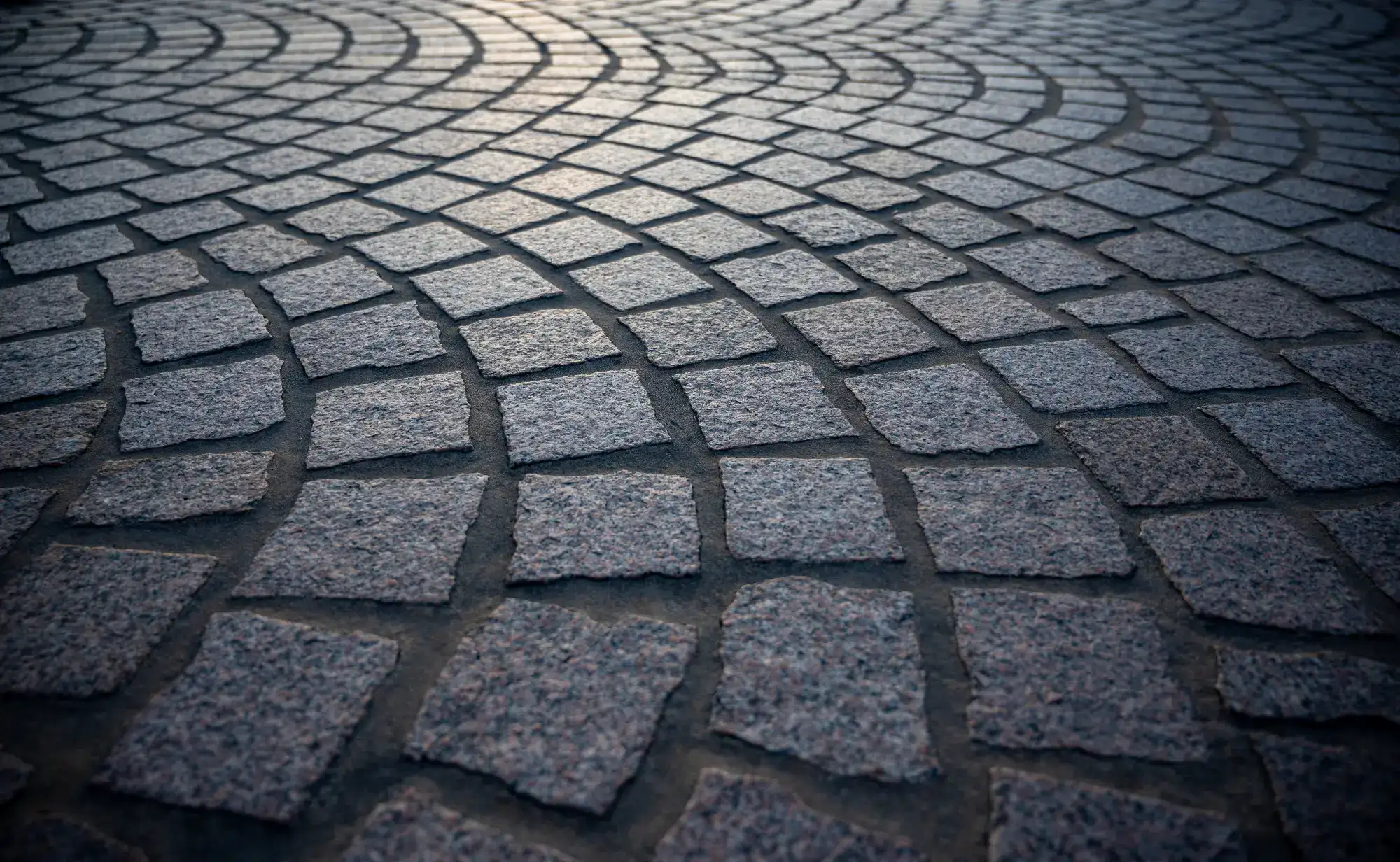
Close-up of a stone pavement with square cobblestones arranged in a curved, fan-like pattern—an inspiring design idea from a home remodeler Suffolk County, NY, where textured stones form a striking geometric surface.
Most residential walkway projects take 2-4 days to complete, depending on the size and complexity of the installation. Weather conditions can affect the timeline, especially during excavation and base preparation phases. We provide a realistic timeline during the initial consultation and keep you updated if any factors require schedule adjustments. Proper installation can’t be rushed—taking the time to do excavation, base work, and paver setting correctly is what ensures your walkway lasts for decades.
Concrete pavers and natural stone pavers both perform well in Long Island’s climate when properly installed. The key is choosing pavers rated for freeze-thaw resistance and ensuring proper drainage during installation. Concrete pavers offer consistent sizing and a wide range of colors and styles, while natural stone provides unique character and excellent durability. The choice often comes down to your aesthetic preferences and budget, as both options can provide decades of reliable service with proper installation and occasional maintenance.
Paver walkways require minimal maintenance compared to concrete or asphalt surfaces. Regular sweeping and occasional power washing keep them looking their best. Joint sand may need replenishment every few years, especially in high-traffic areas. Sealing is optional but can enhance color and provide additional stain resistance. Winter maintenance involves standard snow removal—pavers actually handle freeze-thaw cycles better than solid concrete surfaces. If individual pavers ever become damaged, they can be replaced without affecting the surrounding area, unlike concrete slabs that require full section replacement.
Professional installation focuses on proper excavation depth, base preparation, and drainage—aspects that aren’t obvious but determine long-term performance. DIY installations often fail because of inadequate base preparation or improper slope for drainage. Professional contractors have the equipment for proper compaction and the experience to handle soil conditions that can cause settling. We also understand local building codes and proper techniques for edge restraints. While DIY might seem cost-effective initially, improper installation often leads to expensive repairs or complete reinstallation within a few years.
Walkway paving costs vary based on materials chosen, project size, site conditions, and complexity of the installation. Basic concrete pavers typically cost less than premium natural stone options. Projects requiring extensive excavation or drainage work cost more than simple overlay installations. The best approach is getting a detailed estimate that breaks down material and labor costs for your specific project. This helps you understand what you’re paying for and make informed decisions about material upgrades or project scope adjustments.
Installing pavers over existing concrete is possible in some situations, but it depends on the condition of the existing surface and proper height considerations. The existing concrete must be stable, level, and free from major cracks or settling issues. Height changes at doorways and transitions to other surfaces need careful planning. In many cases, complete removal and proper excavation provide better long-term results, even though it involves more initial work. A site evaluation can determine whether overlay installation is appropriate for your specific situation or if full removal is the better choice.