Paving Contractor in Southold, NY

Driveways That Actually Last

Professional paving installation built for Long Island weather, completed on time without the runaround.
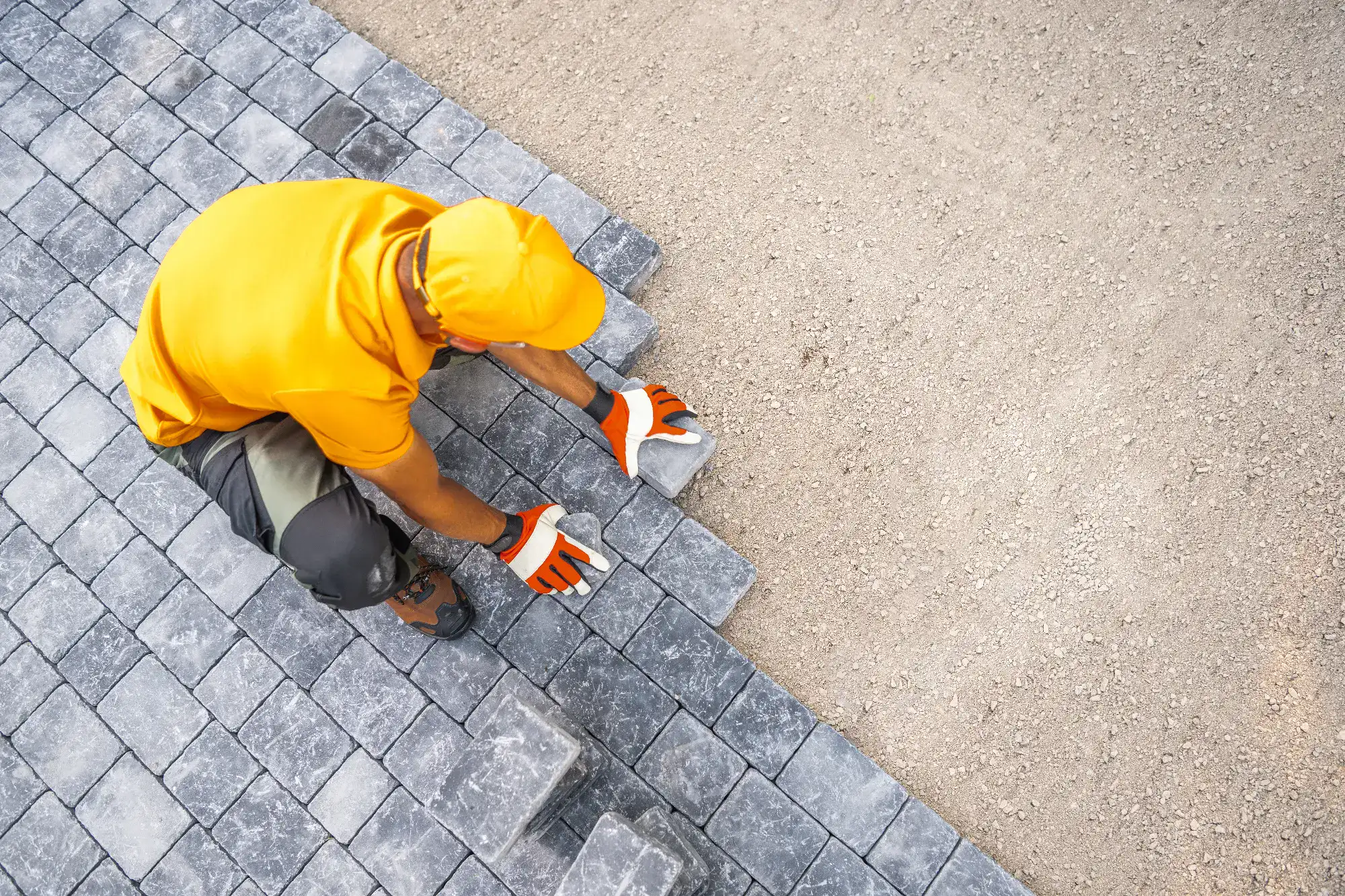
A worker from a home remodeler Suffolk County team, wearing an orange shirt, cap, and gloves, is kneeling on the ground, placing gray paving stones in a neat pattern to create a walkway or patio on a sandy surface in NY.

Hear from Our Customers

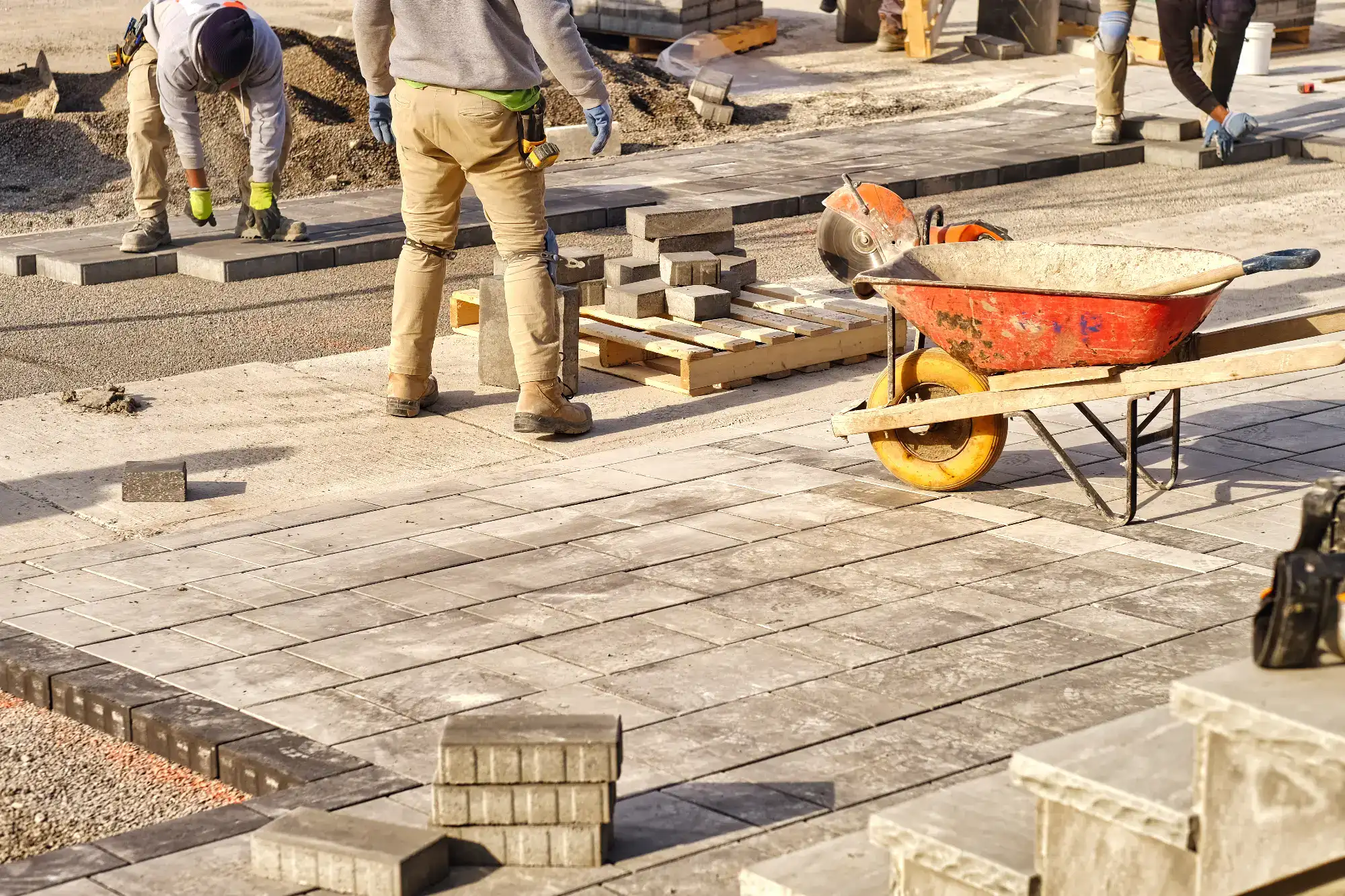
Construction workers, hired by a home remodeler in Suffolk County, NY, lay concrete paving stones on a sunny sidewalk. Stacks of pavers, sand-filled wheelbarrow, and pallets are visible as the crew works in gloves and sturdy work clothing.

Southold Driveway Paving Installation

What You Get When It's Done Right

Your driveway becomes the kind of investment that pays you back. Property value goes up because first impressions matter, and a professionally paved surface tells visitors they’re somewhere that’s maintained well.

You stop worrying about cracks, potholes, and water pooling every time it rains. Proper drainage keeps water flowing where it should, protecting your foundation and eliminating those frustrating puddles that never seem to dry.

The headaches end too. No more calling around for emergency repairs or dealing with contractors who disappear halfway through jobs. When paving is installed correctly the first time, it handles everything Long Island weather throws at it.

Southold Paving Company

We Know Long Island Paving

Corsino Construction Corp has been handling paving projects across Southold and the North Fork for years. We understand what works here and what doesn’t.

Long Island weather is tough on paving. Salt air, freeze-thaw cycles, and heavy summer storms test every surface. We choose materials and installation methods that handle these conditions instead of fighting them.

Our crew lives and works in this area. When we install your driveway or patio, we’re not just completing a job and leaving town. We’re building something that represents our work in the community where we do business.
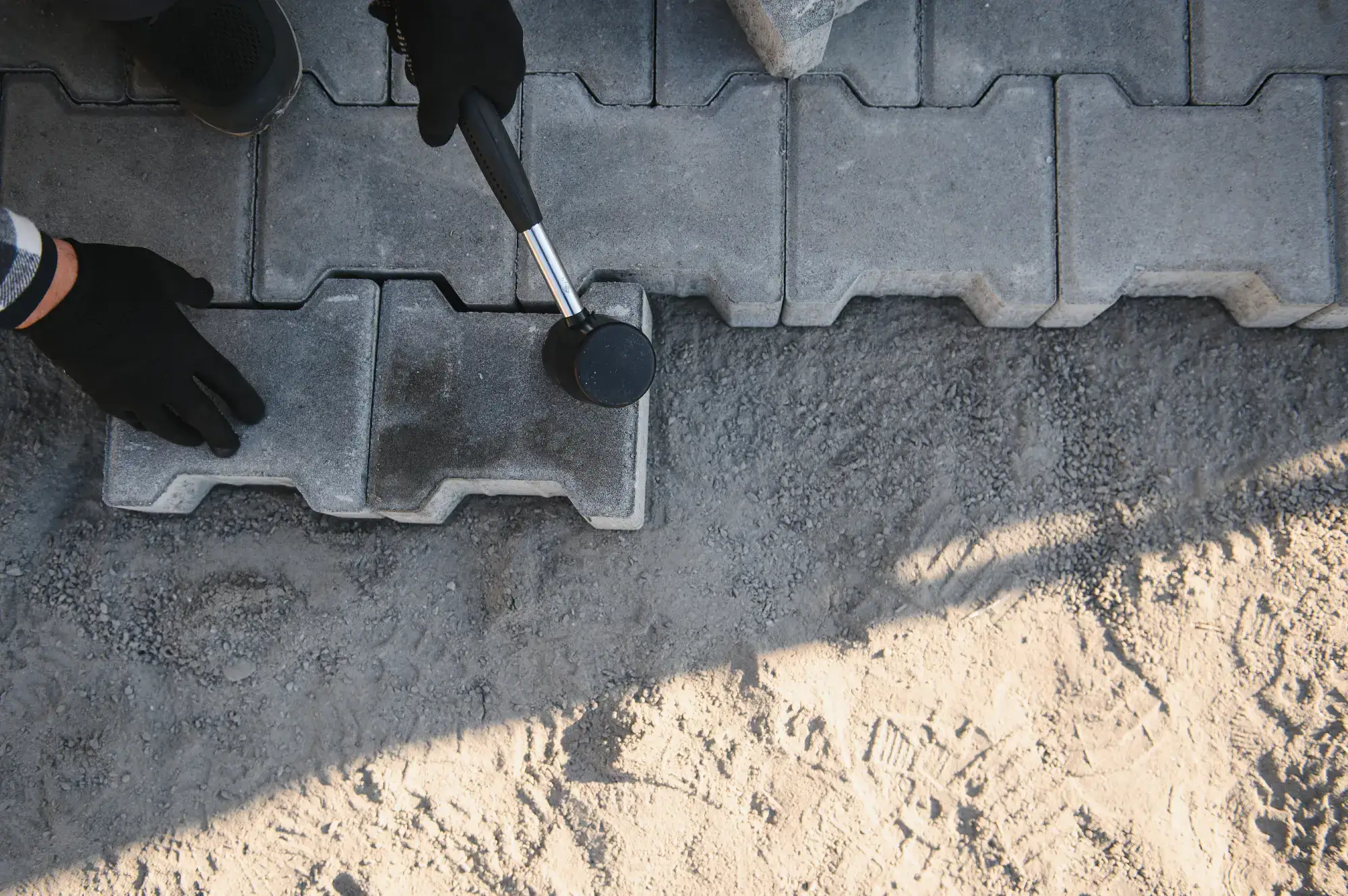
A home remodeler in Suffolk County, NY, wearing black gloves uses a rubber mallet to install interlocking concrete pavers on a sandy surface, carefully arranging the blocks for a stunning walkway or patio.

Paving Installation Process

Here's How Your Project Happens

We start with a site visit to see what you’re working with. Soil conditions, drainage patterns, and existing surfaces all affect how the job should be done. No two properties are exactly the same.

Next comes the estimate. You get a detailed breakdown of materials, labor, and timeline. No surprises or hidden costs that show up later. If permits are needed, we handle that process so you don’t have to figure out town requirements.

Installation begins with proper site preparation. This is where most problems start if it’s done wrong. We excavate to the right depth, address drainage issues, and create a stable base that won’t shift over time. Then comes the paving material, installed with professional equipment and finished to last.
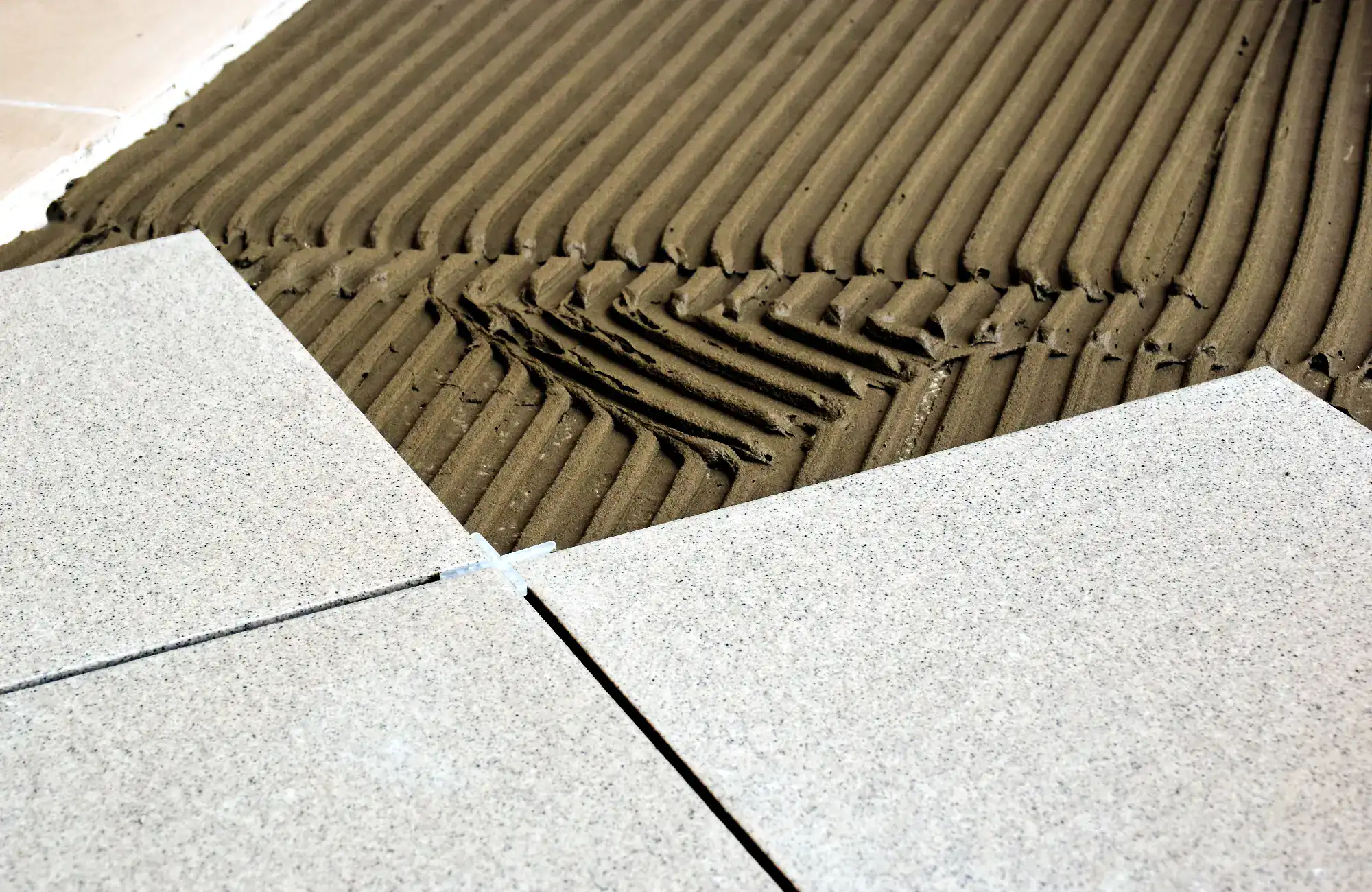
Close-up of floor tiles being installed over ridged adhesive mortar by a skilled home remodeler in Suffolk County, NY, with some tiles set and mortar still visible in the untiled section.

Ready to get started?

Explore More Services

About Corsino Construction

Get a Free Consultation

Paver Patio Contractor Services

What's Included In Your Project

Every paving project includes site preparation, proper base installation, and professional-grade materials chosen for your specific application. We handle driveways, walkways, patios, and commercial surfaces.

Drainage solutions are built into every job. Long Island gets serious rain, and water has to go somewhere. We grade surfaces correctly and install drainage where needed so water flows away from your property instead of pooling.

You also get cleanup and site restoration. Construction is messy, but your property shouldn’t look like a job site when we’re finished. We remove debris, restore landscaping where possible, and leave your space ready to use.
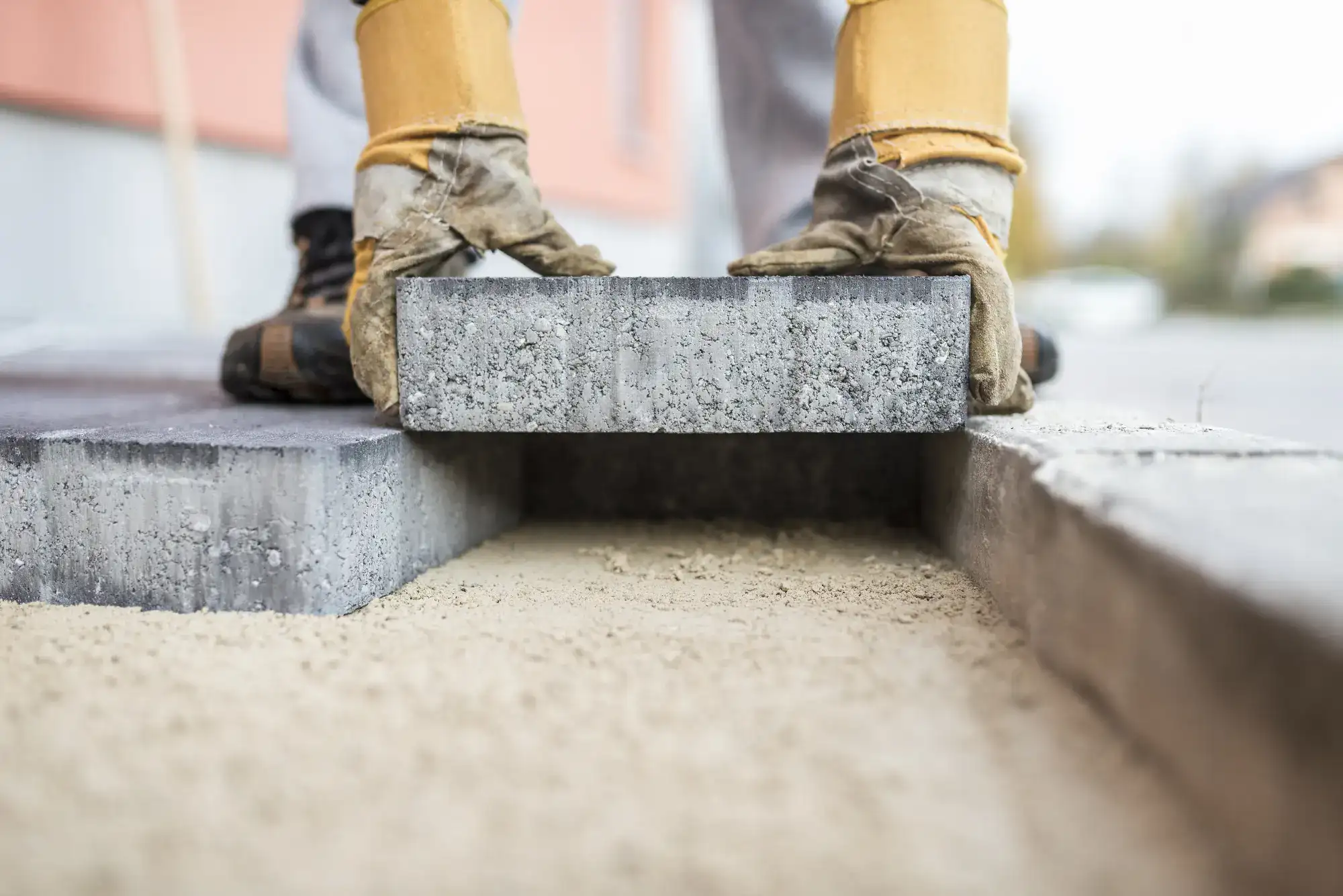
A home remodeler in Suffolk County, NY, wearing work gloves, carefully places a concrete paving stone onto a sand base during an outdoor pavement installation.
Most residential driveways take 2-4 days from start to finish, depending on size and complexity. Day one is usually excavation and base preparation. Day two involves installing the base material and allowing it to settle. Paving happens on day three, with final grading and cleanup on day four. Weather can affect this timeline, especially if we get heavy rain during base preparation. We’ll give you a realistic schedule during the estimate and keep you updated if conditions change the plan.
Asphalt costs less upfront and handles freeze-thaw cycles better, which matters here on Long Island. It’s also easier to repair if damage occurs. Concrete lasts longer overall and offers more design options, but costs more initially and can crack in cold weather. For most driveways in Southold, asphalt makes sense because it’s durable, cost-effective, and handles our climate well. We’ll recommend the best option based on your specific situation, budget, and how you use the space.
Driveway paving typically runs $3-8 per square foot, depending on materials, site conditions, and project complexity. A standard two-car driveway might cost $2,500-6,000. Factors that affect price include excavation requirements, drainage needs, and existing surface removal. Properties with poor drainage or unstable soil require more preparation work. We provide detailed written estimates that break down all costs so you know exactly what you’re paying for and why.
Most driveway replacements don’t require permits if you’re staying within existing boundaries. New driveways or expansions usually do need town approval, especially if they affect drainage or increase impervious surface area. Southold has specific requirements about setbacks and stormwater management. We handle permit applications when they’re needed and make sure all work meets local codes. It’s better to check upfront than deal with violations later, so we research requirements for every project during the planning phase.
Late spring through early fall works best for paving on Long Island. Asphalt needs warm temperatures to install properly, and concrete cures better when it’s not too hot or cold. We avoid winter work because freeze-thaw cycles can damage fresh paving. Summer is our busiest season, so spring and fall often offer better scheduling flexibility. Weather delays happen sometimes, but proper timing means better results. We’ll recommend the best window for your project based on materials and your schedule.
Keep it clean and address small issues before they become big problems. Sweep regularly and remove oil stains quickly. Seal coating every 2-3 years helps asphalt last longer, especially with our salt exposure here. Avoid heavy loads on fresh paving for the first few weeks. Fill small cracks as they appear to prevent water infiltration and freeze damage. Snow removal should be done carefully to avoid scraping the surface. We’ll give you specific maintenance guidelines based on your paving material and local conditions.